
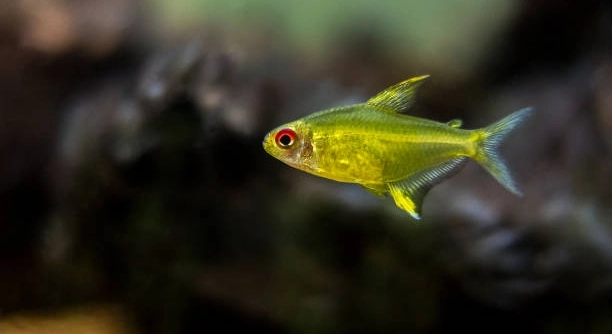
Are your lemon tetras showing unusual behavior or seeming restless in their tank? Observing them closely can reveal subtle hints about their comfort levels. Their space needs are often overlooked, but it plays a crucial role in their well-being.
Lemon tetras require sufficient swimming space to maintain healthy behavior and reduce stress. Crowded conditions can lead to aggression, stunted growth, and increased susceptibility to disease. Monitoring tank size relative to fish population ensures optimal health and long-term survival.
Recognizing the signs of insufficient space will help you create a better environment for your lemon tetras and support their overall health.
Restlessness and Constant Swimming
When lemon tetras do not have enough space, they often swim nonstop across the tank. You may notice them darting back and forth or pacing along the glass. This behavior is a natural response to feeling confined and can indicate stress. Over time, continuous swimming can tire them out and reduce their immunity, making them more prone to illness. Observing your fish during different times of the day helps identify patterns. If you see them constantly moving without resting, it may be a clear signal that their environment is too small. Adjusting tank size or reducing the number of fish can significantly improve their comfort. Providing vertical and horizontal swimming space, along with plants and hiding spots, also encourages natural behavior. Keeping the tank clean and maintaining stable water conditions will support their energy and reduce unnecessary stress. Monitoring their movement closely allows you to act before health issues develop.
Constant swimming is a strong indicator that your tetras feel cramped and need more room.
Creating a more spacious environment helps reduce stress, promotes normal activity, and supports social behavior. A larger tank allows lemon tetras to explore, form natural schools, and rest properly. Without enough space, they can become aggressive or show signs of fatigue, which may affect feeding habits and overall health. Ensuring they have room to swim freely enhances their coloration, vitality, and longevity. Small adjustments like adding plants or rearranging decorations can make limited spaces feel larger and more stimulating. Observing how they interact in a bigger tank also provides insight into their social structure, helping you maintain a peaceful aquarium.
Faded Colors and Lack of Vibrancy
A lemon tetra’s colors may dull when their space is restricted.
Limited swimming space can cause stress, which directly affects their coloration. Overcrowding reduces natural movement, decreases exposure to light, and makes it harder for tetras to display their bright yellow tones. Dull colors are often one of the first visual signs that adjustments are necessary.
Healthy lemon tetras show vibrant yellow hues and shimmering fins when comfortable. Stress from cramped conditions may lead to a pale, washed-out appearance that signals the need for change. Providing a larger tank, maintaining clean water, and ensuring proper nutrition restores vibrancy over time. Observing their color alongside behavior helps track improvement and tank suitability.
Loss of Appetite
Lemon tetras may stop eating when they feel cramped. Reduced space increases stress, which directly impacts their willingness to feed. Over time, this can weaken them and make them more vulnerable to disease.
Stress from a small tank disrupts normal feeding routines. Fish may hide more often or compete aggressively for food, leaving some individuals undernourished. Limited swimming space prevents natural foraging behavior, which can further reduce appetite. Ensuring enough room and stable water conditions helps restore normal eating patterns. Observing how they approach food provides insight into their comfort and health.
A consistent lack of appetite often signals long-term stress. Adjusting tank size or reducing fish numbers helps reestablish healthy feeding habits. Adding gentle water flow and evenly distributed food encourages all tetras to eat, improving their energy levels and resilience. Monitoring appetite alongside activity ensures a balanced and thriving environment for your lemon tetras.
Aggression Toward Tank Mates
When lemon tetras feel crowded, they can become aggressive. Chasing, nipping, or bullying often occurs in small spaces, disrupting the social balance of the group.
Limited swimming room triggers territorial behavior. Fish may fight over hiding spots or preferred areas, leading to injuries and stress. Crowding prevents proper schooling, which is essential for their sense of security. Ensuring each fish has adequate space reduces tension and promotes harmonious interaction.
Aggression in a confined tank can escalate quickly. Providing a larger environment or rearranging decorations to create distinct zones allows lemon tetras to coexist peacefully. Observing interactions helps identify individuals that may need extra separation temporarily. A stable, spacious habitat not only limits aggressive incidents but also fosters natural schooling behavior, enhancing the overall health and vitality of the group.
Hiding More Often
Lemon tetras may retreat to corners or behind decorations when they feel confined. Excessive hiding indicates stress and discomfort caused by limited swimming space.
Frequent hiding reduces social interaction and prevents normal schooling behavior. Fish that remain hidden for long periods may develop health problems or become lethargic, signaling the need for a larger tank or rearranged environment.
Stunted Growth
Restricted space can slow a lemon tetra’s growth. Crowded conditions limit movement and create stress that affects development, making fish smaller than their healthy size. Regular monitoring of size compared to tank mates helps identify this issue early. Proper spacing allows for natural growth and stronger, healthier fish.
Difficulty Breathing
When the tank is too small, lemon tetras may struggle to breathe normally. Overcrowding reduces oxygen availability, especially in warmer water, making gill movement more rapid. Ensuring adequate tank volume and proper filtration improves oxygen levels and supports comfortable, steady breathing for all fish.
How much space does a lemon tetra need?
Lemon tetras require a minimum of 10 gallons for a small school of six. Each additional fish needs extra space to swim comfortably and reduce stress. Adequate tank size allows them to school naturally, explore their environment, and maintain healthy behavior. Crowded conditions can cause aggression, stunted growth, and increased susceptibility to disease. Providing a wider and longer tank, rather than just taller, is ideal because lemon tetras are active swimmers. Decorations, plants, and hiding spots should not restrict movement. Ensuring proper spacing supports their health, coloration, and longevity.
Can too many lemon tetras cause health problems?
Yes, overcrowding directly impacts health. Limited space increases stress, reduces oxygen levels, and encourages aggressive behavior. Stressed fish are more prone to illness and may eat less, leading to malnutrition. Crowding also accelerates waste buildup, which can harm water quality. Poor water conditions can lead to fin rot, ich, and other common diseases. Observing behavior, color, and appetite helps identify problems early. Adjusting the number of fish or upgrading tank size mitigates these risks. A properly sized tank with moderate stocking ensures a balanced, healthy environment for all lemon tetras, supporting their natural activity and social structure.
Why is my lemon tetra hiding so much?
Excessive hiding is often a sign of stress or discomfort due to limited space. Fish that feel crowded may retreat behind plants or decorations to feel safe. Constant hiding can also indicate aggression from tank mates. Over time, this behavior may reduce schooling, affect feeding, and lead to lethargy. Providing additional swimming room, rearranging tank décor, or reducing the number of fish often resolves the issue. Monitoring interactions and behavior patterns helps ensure that lemon tetras feel secure. Proper tank size, stable water conditions, and thoughtful arrangement of hiding spots allow fish to balance activity and rest naturally.
How can I improve oxygen levels in a crowded tank?
Increasing surface agitation, using air stones, and ensuring proper filtration help improve oxygen availability. Overcrowding reduces dissolved oxygen, making gills work harder. Cooler water holds more oxygen, so regulating temperature is essential. Regular water changes remove excess waste, which can deplete oxygen and harm fish. Avoid adding too many decorations that limit water movement. Observing breathing rates can indicate whether oxygen levels are sufficient. Providing adequate circulation and spacing ensures that all lemon tetras can breathe comfortably, reducing stress and promoting overall health. Proper tank maintenance is key to preventing oxygen-related issues in confined environments.
How do I tell if my lemon tetra is stressed?
Stress signs include rapid swimming, hiding, faded colors, reduced appetite, and aggression toward tank mates. Lethargy or frequent surface gasping may also appear. Stress can result from overcrowding, poor water quality, or sudden environmental changes. Observing daily behavior and physical appearance helps detect issues early. Adjusting tank size, maintaining water parameters, and ensuring a peaceful environment can reduce stress. Consistent monitoring of activity, coloration, and feeding patterns allows timely intervention. A calm, spacious, and stable tank fosters natural behavior, vibrant coloration, and healthy growth for lemon tetras, preventing long-term stress-related problems.
Can adding plants or decorations reduce stress?
Yes, plants and decorations create hiding spots and visual barriers that reduce aggression and provide security. However, overcrowding decorations can restrict swimming space, so balance is crucial. Open areas for schooling and exploration must remain accessible. Live plants also improve water quality by absorbing excess nutrients and producing oxygen. Strategically placed decorations encourage natural behaviors, allowing lemon tetras to rest or retreat when needed. Observing how fish use plants and structures informs whether the setup supports their comfort. Properly arranged décor enhances both aesthetics and functionality, promoting a healthier, less stressful environment for the entire school.
How often should I check tank conditions for lemon tetras?
Daily observation of behavior, activity, and feeding is important. Weekly water tests for ammonia, nitrite, nitrate, and pH help maintain stable conditions. Monitoring temperature, oxygen levels, and filtration ensures a balanced environment. Prompt action is necessary if stress signs appear, water quality drops, or overcrowding becomes an issue. Regular maintenance prevents health problems and supports natural behavior. Tracking changes over time allows adjustments in stocking, décor, and feeding. Consistency in care helps lemon tetras thrive, maintaining vibrant colors, healthy growth, and strong immunity. Well-maintained conditions reduce stress and prevent long-term complications related to insufficient space or poor water quality.
Is it better to reduce fish numbers or get a bigger tank?
Both options improve living conditions. Reducing fish immediately relieves crowding, decreases competition for resources, and lowers stress. A larger tank provides long-term benefits, including more swimming space, improved water quality, and better social dynamics. Choosing the right approach depends on available space, budget, and long-term plans for the aquarium. Combining both strategies often yields the best results. Adequate spacing ensures healthy growth, natural schooling, and minimal aggression. Observing fish behavior and monitoring water parameters after changes helps determine whether adjustments are effective, allowing lemon tetras to thrive in a safe and comfortable environment.
What are the long-term effects of keeping lemon tetras in a small tank?
Prolonged confinement leads to chronic stress, weakened immunity, stunted growth, faded coloration, and abnormal behavior. Overcrowding increases aggression, reduces schooling, and heightens disease risk. Fish may show irregular swimming patterns or hide constantly. Long-term stress can shorten lifespan and limit reproductive success. Regularly monitoring tank conditions, observing behavior, and ensuring proper space prevents these issues. Upgrading to a larger tank or reducing population helps restore natural activity, social structure, and health. Prioritizing adequate space and maintenance supports vibrant, resilient lemon tetras and fosters a balanced, thriving aquarium environment over time.
Creating a comfortable environment for lemon tetras is essential to their health and happiness. These small, active fish thrive when given enough space to swim, explore, and interact with their tank mates. A cramped tank can lead to stress, aggression, and even long-term health problems. Observing behavior, appetite, and coloration closely allows you to identify early signs that your tetras may need more room. Adjusting tank size or reducing the number of fish can make a significant difference in their overall well-being. Maintaining clean water, stable temperature, and proper filtration is equally important to ensure they remain healthy and active. When you provide the proper space and conditions, lemon tetras display their natural behaviors, vibrant colors, and peaceful schooling patterns.
Paying attention to subtle changes in your fish can prevent serious issues. Restlessness, constant swimming, and hiding are often the first indicators of a crowded tank. Over time, limited space can cause stunted growth, faded colors, and reduced immunity, making fish more vulnerable to disease. Aggression toward tank mates may increase as fish compete for space, hiding spots, and food. By monitoring these behaviors and taking timely action, you can create a more balanced environment that supports both physical and mental well-being. A properly sized tank allows for healthy social interactions and natural schooling, which are essential to maintaining a harmonious aquarium. Small adjustments, such as rearranging decorations, adding plants, or spacing out hiding spots, also improve the perception of space and reduce tension among fish.
Ultimately, providing lemon tetras with adequate space demonstrates responsible care and supports long-term health. Fish are sensitive to their surroundings, and even minor improvements in tank size and layout can make a noticeable difference in their behavior and appearance. Prioritizing their needs promotes stronger immunity, better feeding habits, and natural activity, resulting in a lively and colorful aquarium. Observing your fish regularly, maintaining optimal water quality, and ensuring sufficient swimming room helps prevent stress-related problems and enhances their overall quality of life. By focusing on their comfort and environmental needs, you create a thriving space where lemon tetras can flourish, maintaining both physical health and natural behavior patterns over time.

Hello,
If you enjoy the content that we create, please consider saying a "Thank You!" by leaving a tip.
Every little bit helps us continue crafting quality advice that supports the health, happiness, and well-being of pets around the world, for pets of all shapes, sizes, and species.
We really appreciate the kindness and support that you show us!