
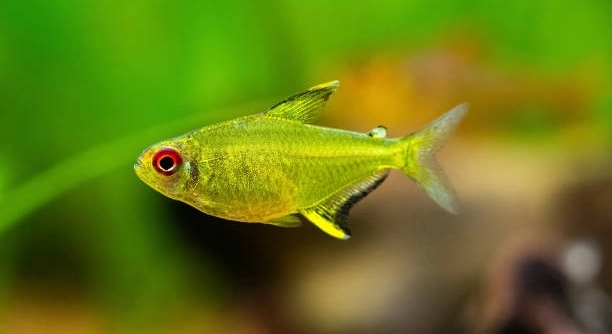
Weird swimming in Lemon Tetras can be alarming for any fish owner. These small, bright fish usually swim gracefully, but sudden changes in behavior may signal health or environmental problems that need attention immediately.
Abnormal swimming patterns in Lemon Tetras are often caused by factors such as poor water quality, parasites, infections, physical injuries, nutritional deficiencies, stress, or genetic abnormalities. Each factor can impact the fish’s buoyancy, coordination, and overall behavior in the aquarium.
Identifying the underlying cause is essential for restoring normal behavior and maintaining a healthy, balanced environment for your Lemon Tetras to thrive.
Poor Water Quality
Lemon Tetras are highly sensitive to changes in their environment. Dirty or unbalanced water can lead to stress, which often shows up as erratic swimming. High levels of ammonia, nitrites, or nitrates can affect their gills and nervous system, making it difficult for them to move normally. Temperature fluctuations or incorrect pH levels also play a role in disrupting their balance. Even if the tank looks clean, hidden toxins can accumulate and impact your fish. Regular testing and partial water changes are key to maintaining a safe environment. Filtration systems help, but they must be monitored to ensure they work efficiently. Overcrowding or leftover food can further degrade water quality, creating conditions where fish struggle to swim properly. By keeping the tank clean and stable, you can prevent many swimming issues and promote healthier, calmer fish behavior. Consistent care is critical for long-term success with Lemon Tetras.
Maintaining clean, stable water is the simplest way to prevent most swimming problems in these sensitive fish.
Regular testing, careful feeding, and proper filtration create an environment where Lemon Tetras swim naturally and stay healthy.
Parasites and Infections
Internal parasites and bacterial infections can interfere with a Lemon Tetra’s movement. Small worms, protozoa, or bacterial growth can affect their organs, making swimming difficult and erratic. Symptoms may include lethargy, rapid gill movement, or floating near the surface.
Treating infections promptly is essential. Quarantining affected fish prevents spread, and using appropriate medication helps restore normal behavior. Observing your fish daily allows you to detect early signs before the problem becomes severe. Proper tank hygiene and avoiding overcrowding reduce the risk of infection.
Prevention is always better than cure. Ensuring fish receive high-quality food, maintaining water quality, and limiting stress lowers the likelihood of parasites or infections taking hold. Even subtle changes in swimming or appetite can indicate early stages of illness. By staying attentive, you can identify problems early, treat them efficiently, and maintain a healthy tank environment where all Lemon Tetras swim confidently. Consistent observation and care are key to long-term fish health.
Physical Injuries
Minor injuries can affect a Lemon Tetra’s swimming, especially if they have bumped into decorations, sharp edges, or other fish. Even small wounds can cause imbalance or stress, leading to unusual movement patterns.
Cuts, scrapes, or fin damage can disrupt normal swimming. Injuries may occur from collisions with rocks, decorations, or tank walls, particularly in crowded tanks. Aggressive tank mates can also nip fins, leaving the fish vulnerable. Once injured, a fish may avoid swimming actively or appear unsteady. Observing the fish closely helps identify the injury early, so you can isolate it if necessary. Providing smooth surfaces and adequate space reduces the risk of accidents. Clean water helps wounds heal faster, and preventing further stress ensures recovery. Injured fish need calm surroundings to regain normal swimming patterns without additional strain from aggressive or overcrowded tank conditions.
Once injuries are identified, prompt care and a safe environment can help Lemon Tetras regain normal movement quickly.
Even small injuries can cause prolonged stress, affecting appetite, immunity, and general activity, so monitoring daily is crucial for recovery.
Nutritional Deficiencies
A poor diet can directly impact a Lemon Tetra’s swimming abilities. Missing essential nutrients like proteins, vitamins, or minerals weakens muscles and energy levels, causing lethargy or uncoordinated movement. Consistent, balanced feeding is critical for their overall health.
Fish that do not receive proper nutrition often show slow swimming, erratic movements, or floating near the surface. Lack of vitamins such as vitamin C or calcium can weaken fins and bones, leading to balance issues. Overfeeding low-quality foods or relying on one type of food can also contribute to deficiencies. Offering a variety of high-quality flakes, frozen foods, or live options ensures adequate nutrient intake. Observing how fish respond to changes in diet can indicate if deficiencies are present. Timely adjustments in feeding help restore energy, coordination, and normal swimming behavior. Nutritional care works hand-in-hand with water quality to maintain healthy, active Lemon Tetras.
Monitoring feeding habits and adjusting diets promptly can prevent long-term swimming problems caused by nutrient gaps in their diet.
Stress
Stress can cause Lemon Tetras to swim erratically or hide more than usual. Changes in tank conditions, aggressive tank mates, or sudden movements outside the tank can all trigger stress responses.
Even minor stress over time affects their immune system and behavior. Providing stable conditions, gentle handling, and peaceful tank mates helps reduce stress and supports normal swimming patterns.
Overcrowding
Overcrowded tanks limit swimming space and increase competition for food and oxygen. Fish may bump into each other, causing injuries or imbalance. Overcrowding also raises stress levels, which can worsen abnormal swimming. Keeping an appropriate number of Lemon Tetras ensures sufficient space for smooth, natural movement and reduces tension.
Genetic or Developmental Issues
Some Lemon Tetras are prone to genetic or developmental problems that affect swimming. Deformities in the spine, fins, or internal organs can lead to irregular movement patterns. While not always preventable, selecting healthy stock and maintaining optimal care reduces the chances of severe issues.
Poor Oxygen Levels
Low oxygen in the water can make Lemon Tetras lethargic or cause rapid, irregular swimming. Proper aeration and circulation are essential to maintain consistent oxygen levels and support healthy, stable behavior.
Why is my Lemon Tetra swimming sideways or upside down?
Sideways or upside-down swimming usually indicates swim bladder problems, which control buoyancy. Swim bladder issues can arise from overfeeding, constipation, infections, or physical deformities. Observing whether the fish can maintain balance at all, or if it struggles constantly, helps determine the cause. Feeding smaller portions, offering a varied diet including high-fiber foods like daphnia or blanched peas, and maintaining clean water can often improve the condition. In some cases, medications targeting bacterial infections may be necessary if the swim bladder is affected by illness.
Can water temperature affect swimming behavior?
Yes, Lemon Tetras are sensitive to temperature changes. Water that is too cold can slow metabolism and movement, while overly warm water can increase stress and oxygen consumption. Consistent temperature within the range of 22–26°C (72–79°F) helps maintain normal swimming patterns. Sudden shifts, even by a few degrees, can trigger erratic or lethargic behavior. Using a reliable heater and thermometer ensures stable conditions. Avoid placing the tank near windows, vents, or heaters where fluctuations occur. Maintaining temperature stability also supports immune health, reducing susceptibility to infections that can impact swimming.
How can I tell if poor water quality is causing weird swimming?
Signs include cloudy water, a strong odor, algae growth, or unusual fish behavior like gasping at the surface. High ammonia, nitrite, or nitrate levels irritate gills and affect swimming coordination. Testing water regularly with a reliable kit identifies dangerous levels. Performing partial water changes and using proper filtration keeps the environment safe. Monitoring pH and hardness also prevents imbalances that stress fish. Behavioral changes often appear before visible symptoms of illness, making early detection through observation and testing crucial. Clean, stable water minimizes most common swimming problems and supports overall health.
What role does diet play in abnormal swimming?
Diet affects energy, muscle strength, and organ function, all of which influence swimming. Feeding only one type of food or low-quality flakes can lead to vitamin and mineral deficiencies. Lack of nutrients like vitamin C or protein may weaken fins, bones, or muscles, resulting in unsteady movement. Including high-quality flake foods, frozen or live brine shrimp, and occasional vegetables ensures balanced nutrition. Avoid overfeeding, as excess food can cause constipation, leading to swim bladder issues. Regularly observing fish after feeding can show if diet-related problems are present and guide adjustments.
Could stress or tank mates be causing this behavior?
Yes, stress can make Lemon Tetras swim erratically or hide. Aggressive tank mates, overcrowding, loud noises, or frequent disturbances outside the tank trigger stress. Even subtle environmental changes, like rearranging decorations or strong lighting, can cause anxiety. Providing ample hiding spots, a stable group of peaceful tank mates, and minimal disruptions helps reduce stress. Consistent conditions and gentle handling support calm behavior. Stressed fish may also show changes in appetite or coloration, so observing overall behavior provides clues about stress levels. Reducing stress is key to restoring normal swimming patterns.
When should I consider medical treatment?
Medical treatment is necessary when swimming issues persist despite proper care. Symptoms like lethargy, visible injuries, bloating, frayed fins, or constant erratic movement indicate illness. Quarantining affected fish prevents spreading disease. Depending on the diagnosis, treatments may include antibacterial, antiparasitic, or antifungal medications. Following dosage instructions carefully is essential to avoid harming the fish. Early intervention often leads to full recovery. Maintaining optimal water conditions and nutrition during treatment supports healing. Consulting an experienced aquarist or veterinarian can help identify the correct treatment and improve outcomes.
Are some Lemon Tetras more prone to swimming problems than others?
Yes, genetic or developmental issues can predispose certain fish to abnormal swimming. Deformities in fins, spine, or internal organs can cause lifelong movement challenges. Choosing healthy fish from reputable sources reduces the risk. Providing a low-stress environment, balanced diet, and clean water helps manage these conditions. Even genetically affected fish can often swim comfortably with proper care. Observing their movement from the start allows early identification of potential issues, ensuring they receive the necessary support to thrive in the aquarium.
How can I prevent weird swimming in the future?
Consistent care is the best prevention. Maintaining water quality, stable temperature, balanced nutrition, and low-stress conditions reduces most causes of abnormal swimming. Regular observation helps catch early signs of illness or injury. Choosing healthy fish and avoiding overcrowding ensures a peaceful, supportive environment. Combining preventive measures with prompt intervention when problems arise helps Lemon Tetras stay active, balanced, and healthy, minimizing swimming issues over time. Proper planning, attention to detail, and daily care create a reliable foundation for long-term fish wellbeing.
Lemon Tetras are small, delicate fish that bring life and color to an aquarium. Their graceful swimming is often a sign of a healthy environment and proper care. However, unusual swimming patterns can indicate underlying problems, ranging from poor water quality to stress, injuries, or nutritional deficiencies. Paying attention to these behaviors early helps prevent more serious health issues. Maintaining clean water, stable temperature, and balanced feeding routines provides a foundation for their wellbeing. Even small details, like avoiding overcrowding and keeping the tank free from sharp objects, contribute to healthier swimming behavior. Observing daily habits and movement patterns allows you to notice subtle changes before they escalate into major problems.
When a Lemon Tetra shows signs of abnormal swimming, it is essential to address the possible causes systematically. Checking water quality should always be the first step, as toxins like ammonia or nitrites can quickly affect fish behavior. Ensuring proper filtration, performing regular water changes, and monitoring pH and temperature stabilize the environment. Next, examining diet and nutrition can reveal deficiencies that impact muscle strength and overall activity. A varied diet with high-quality flakes, frozen or live foods, and occasional vegetables supports healthy growth and swimming. Reducing stress by providing hiding spots, peaceful tank mates, and consistent handling also helps prevent erratic movements. Prompt attention to injuries, infections, or parasitic infestations can restore normal swimming patterns and prevent long-term damage.
Long-term care and prevention are the most effective ways to ensure Lemon Tetras swim confidently and remain healthy. Choosing healthy fish from reputable sources reduces the likelihood of genetic or developmental problems. Consistent observation and monitoring water parameters, diet, and behavior allow early detection of potential issues. Small, thoughtful adjustments to the tank environment, like ensuring adequate oxygenation, safe decorations, and appropriate group size, can prevent many common swimming problems. Maintaining a clean, stable, and stress-free environment ensures these fish thrive, exhibiting natural, graceful swimming patterns. With careful care, patience, and attention to detail, Lemon Tetras can remain active, balanced, and visually vibrant, making the aquarium a lively and healthy space.

Hello,
If you enjoy the content that we create, please consider saying a "Thank You!" by leaving a tip.
Every little bit helps us continue crafting quality advice that supports the health, happiness, and well-being of pets around the world, for pets of all shapes, sizes, and species.
We really appreciate the kindness and support that you show us!