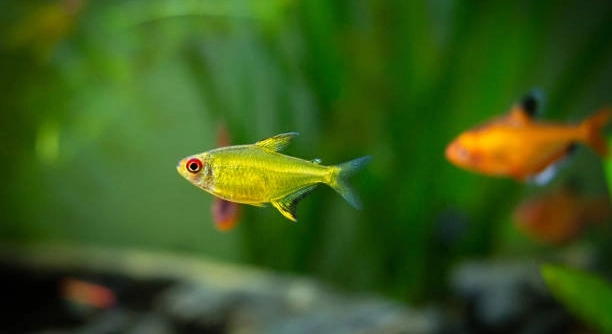
7 Things That Make Arowana Feel Unsafe

Do you enjoy keeping Arowanas but notice they sometimes act skittish or hide frequently in the tank? Observing their behavior can reveal subtle signs of discomfort. Understanding what makes them feel unsafe helps create a calmer environment. Arowanas feel unsafe due to sudden changes in their surroundings, improper tank size, poor water quality, inadequate hiding … Read more
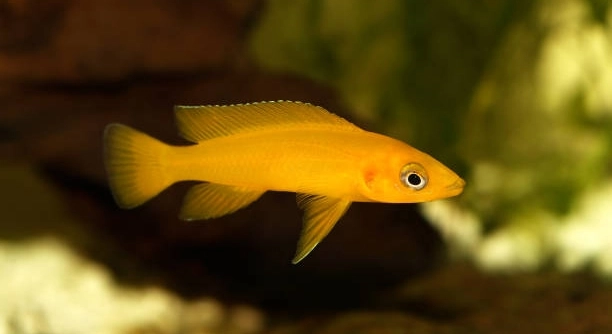
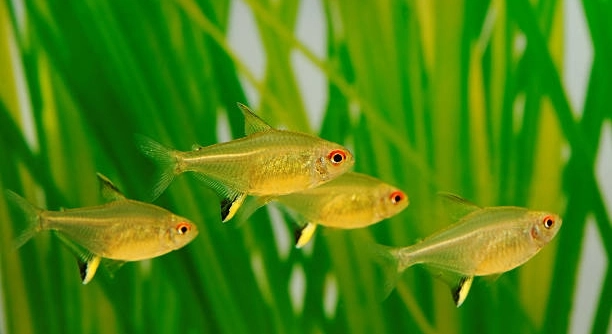
Can Arowana Recognize Their Own Reflection?

Do you ever find yourself watching your Arowana swim gracefully in its tank, noticing it pausing and staring at the glass for long moments? These fish often exhibit fascinating behaviors that can catch the attention of any observer. Arowanas may react to their own reflection, often displaying territorial or curious behaviors. Scientific studies suggest they … Read more

Why Do Lemon Tetra Suddenly Scatter?

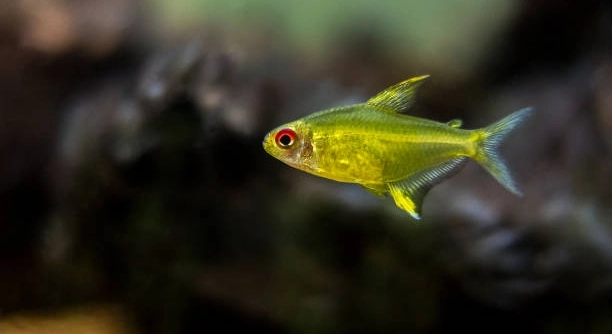
Do your lemon tetras sometimes scatter suddenly across the tank, leaving you feeling a little unsettled? Watching them dart and disperse without warning can be surprising, even for experienced aquarium enthusiasts who know their fish well. Lemon tetras typically scatter due to sudden environmental changes, perceived threats, or stress. Factors such as loud noises, abrupt … Read more

How to Safely Introduce New Lemon Tetra

Have you ever wanted to add new lemon tetras to your aquarium but worried about upsetting your current fish? Introducing new fish can be tricky, and taking careful steps helps maintain a peaceful, healthy environment for everyone. The safest method to introduce new lemon tetras is by quarantining them for at least two weeks before … Read more

7 Signs Your Lemon Tetra Needs a Bigger Tank

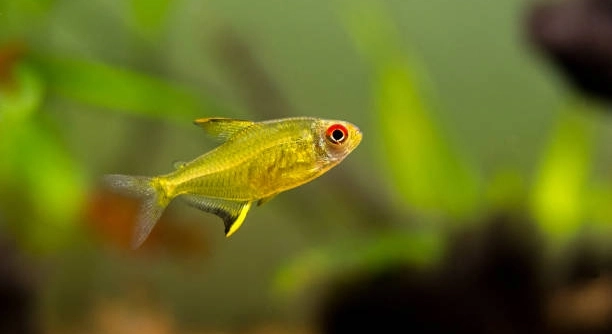
Do you ever notice your lemon tetra swimming frantically or hiding more than usual in its tank? Observing your fish’s behavior closely can reveal subtle signs that its environment may no longer be sufficient. Lemon tetras require adequate space to thrive, and a small tank can lead to stress, stunted growth, and health problems. Ensuring … Read more

How Often Should You Feed Lemon Tetra?

Lemon tetras are small, colorful fish that brighten up any aquarium. They are peaceful and social, often swimming in groups. Providing them with proper care, including feeding, is essential for their overall health and happiness. Lemon tetras should be fed small amounts two to three times daily. Offering a variety of high-quality flakes, pellets, or … Read more

7 Ways to Introduce Lemon Tetra to New Fish

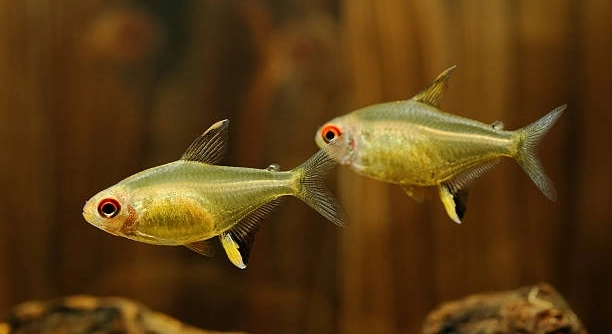
Do you love keeping a peaceful aquarium but find it tricky to introduce new fish without upsetting the balance? Lemon tetras are small and delicate, making careful introductions important for a harmonious tank environment. Introducing lemon tetras to new fish requires gradual acclimation, careful observation, and maintaining stable water conditions. Providing hiding spots, monitoring behavior, … Read more

7 Water Issues That Affect Arowana Comfort

Are your arowanas showing signs of stress or unusual behavior in their tank? Many fish owners overlook small water conditions that can greatly affect the comfort and wellbeing of their arowanas in captivity. Water quality, temperature fluctuations, pH imbalances, poor filtration, excess waste, low oxygen levels, and improper hardness are critical factors that directly impact … Read more

7 Strange Yet Normal Lemon Tetra Behaviors

Lemon tetras are small, bright fish that often brighten up any aquarium. Watching them swim together can be calming, yet they sometimes display behaviors that seem unusual or puzzling to their caretakers. Despite their small size, lemon tetras exhibit a range of behaviors that are perfectly normal. These include rapid darting, sudden pauses, or following … Read more

How to Read Lemon Tetra Body Language

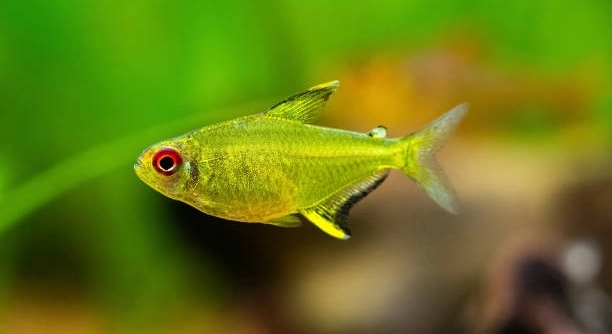
Lemon tetras are small, bright fish that bring energy to any aquarium. Observing their movements can be relaxing, but understanding what they are feeling takes attention and care. Learning their signals improves the bond between fish and owner. Reading lemon tetra body language involves noticing changes in swimming patterns, fin positions, and interactions with other … Read more