
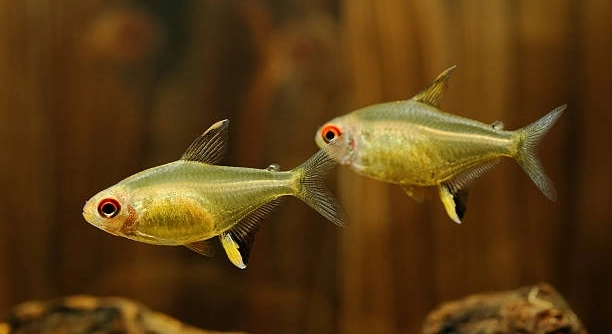
Lemon tetras are small, colorful fish that brighten up any aquarium. They are peaceful and social, often swimming in groups. Providing them with proper care, including feeding, is essential for their overall health and happiness.
Lemon tetras should be fed small amounts two to three times daily. Offering a variety of high-quality flakes, pellets, or frozen foods ensures they receive balanced nutrition without overfeeding, which can cause water quality issues and health problems.
Maintaining a consistent feeding routine is important. Learning the right portions and food types will help your lemon tetras thrive and stay active in their environment.
Best Foods for Lemon Tetras
Lemon tetras enjoy a variety of foods, and offering them a balanced diet keeps them healthy. High-quality flake food is ideal for daily feeding because it contains essential nutrients and vitamins. Frozen or live foods, like daphnia, brine shrimp, and bloodworms, can be added a few times a week for variety. These foods support growth, coloration, and energy levels. Avoid overfeeding, as uneaten food can quickly pollute the tank, causing stress or illness. Rotating between different food types helps prevent nutrient deficiencies and keeps your fish interested in eating. Vegetables like blanched spinach or zucchini can be offered occasionally, providing fiber and aiding digestion. Observing your fish while they eat allows you to notice any signs of health issues early. Feeding in small portions ensures all fish get food without excess waste. Maintaining proper water conditions is equally important for their digestion and overall wellbeing.
Feeding a mix of flakes and frozen foods ensures your lemon tetras receive complete nutrition while staying active and vibrant.
A consistent feeding schedule, combined with varied foods, strengthens their immune system. It also enhances their colors and natural behavior. By monitoring portions and tank cleanliness, you can reduce stress and prevent health problems. Your lemon tetras will respond with more energy, schooling tightly, and showing off their bright yellow shades. Feeding times can also become a moment to observe subtle differences between individuals, noting any changes in appetite or activity. These small observations help maintain a healthy aquarium environment. Over time, you’ll see improved longevity and vitality, making their care more rewarding. Providing occasional treats like live brine shrimp adds stimulation and mimics natural feeding behaviors. Overall, careful attention to diet and feeding habits is essential for maintaining strong, active lemon tetras that thrive in their tank habitat.
Feeding Frequency and Timing
Lemon tetras do best when fed at regular intervals. Feeding small amounts two to three times a day prevents overfeeding.
Spacing feedings evenly throughout the day keeps their metabolism steady. It also minimizes leftover food that can decay and affect water quality. Observing their behavior during feeding helps adjust portions and timing. Regularity encourages a natural eating rhythm, reducing stress and ensuring all fish receive nourishment. Establishing a routine benefits both fish health and tank maintenance. Consistent timing supports digestion, promotes schooling behavior, and maintains bright coloration. Adjusting feeding amounts as fish grow prevents underfeeding or excess. Monitoring water quality alongside feeding practices ensures the tank environment remains stable. By following a structured schedule, you can create a healthy, predictable environment that supports their long-term wellbeing.
Feeding frequency should adapt slightly depending on tank size, fish density, and activity level. Smaller or more active groups may require more frequent, smaller portions to maintain balance and health. Carefully observing your lemon tetras helps identify the right feeding rhythm. Daily adjustments based on appetite, seasonal changes, and water conditions improve overall wellbeing. Overfeeding, even with high-quality food, can lead to digestive problems, lethargy, and water contamination. Using a timer or setting reminders ensures feedings happen consistently. Splitting food into multiple sessions reduces waste and prevents dominant fish from monopolizing meals. Variety in food types supports nutritional needs and reduces boredom. Pairing consistent timing with proper tank maintenance ensures that lemon tetras stay healthy, energetic, and display their characteristic yellow glow, making the aquarium more enjoyable and easier to manage.
Signs of Overfeeding
Overfeeding lemon tetras can lead to bloating, sluggish behavior, and leftover food in the tank. Uneaten food can decay quickly, affecting water quality and causing stress or illness among the fish. Watching their behavior helps prevent these problems.
Excess food often sinks to the bottom, creating waste that increases ammonia levels in the tank. This can harm your fish’s health and make water maintenance more challenging. Overfed fish may also develop fatty liver disease or swim awkwardly due to bloating. Feeding smaller portions more frequently helps prevent these issues. Observing your lemon tetras during feeding allows you to adjust the amount and ensure they finish their meals without leaving leftovers. Maintaining water quality alongside careful feeding is essential for long-term health.
Overfeeding can also reduce the fish’s interest in regular meals. When fish are constantly given too much food, they may become picky or ignore nutritious flakes. This makes it harder to provide a balanced diet. It is better to feed controlled portions consistently and monitor behavior. Using a feeding schedule helps maintain both their appetite and tank cleanliness. Paying attention to these signs ensures your lemon tetras stay healthy, active, and brightly colored. Adjusting food types and quantities over time supports proper growth and vitality.
Tips for Healthy Feeding
Keep feedings consistent and measured. Small, frequent meals prevent waste and promote active fish. Feeding at the same times daily encourages natural eating habits.
Monitoring how much each fish consumes prevents leftovers that can spoil water. Rotate foods between flakes, pellets, and occasional live or frozen treats for variety. Avoid overfeeding high-fat items to maintain healthy digestion. Observing your fish helps detect changes in appetite or behavior. Removing uneaten food promptly keeps the tank clean and reduces harmful bacteria. Maintaining proper tank temperature and water quality supports digestion and nutrient absorption. Consistency in feeding also strengthens immunity and coloration.
Using feeding tools like small spoons or automatic feeders can help control portions precisely. Separating live or frozen foods into small batches ensures all fish eat without crowding. Mixing in vegetable matter occasionally supports digestive health. Keeping a simple feeding log helps track amounts and frequency, making adjustments easier. Avoid sudden changes in diet, which can upset digestion. Monitoring water parameters, such as ammonia and nitrate levels, alongside feeding, ensures your aquarium remains stable. Following these practices ensures lemon tetras remain healthy, energetic, and visually vibrant, while simplifying routine maintenance for you.
Choosing the Right Flakes
Select high-quality flakes designed for small tropical fish. They provide essential vitamins and minerals needed for growth and vibrant coloration. Avoid low-grade flakes that may lack nutrition and produce excess waste in the tank.
Observe your lemon tetras while eating. If flakes are ignored, try smaller portions or softer brands. Consistency in quality ensures long-term health and reduces digestive issues.
Incorporating Live and Frozen Foods
Live and frozen foods like brine shrimp, daphnia, and bloodworms add protein and variety. They mimic natural diets, stimulate activity, and improve coloration. Feed in small amounts to prevent water contamination. Rotating between these foods and flakes supports balanced nutrition and healthy digestion for your lemon tetras.
Avoiding Overfeeding
Give only what the fish can consume in a few minutes. Overfeeding causes leftover food, bloating, and water pollution. Consistently measuring portions and monitoring behavior keeps lemon tetras healthy and maintains a clean, stable aquarium environment.
FAQ
How much should I feed my lemon tetras each time?
Feed only what your lemon tetras can eat in about two to three minutes. Small portions prevent leftover food from polluting the tank. Typically, a pinch of flakes or a few pellets per fish per feeding is enough. Observing their eating habits helps fine-tune portion size.
How often should lemon tetras be fed?
Two to three times daily is ideal. Frequent small meals keep metabolism steady and encourage natural behavior. Spacing feedings evenly helps reduce leftover food and maintains stable water quality, supporting overall health. Adjust timing slightly if the fish are more active or tank density is high.
Can lemon tetras eat live or frozen food every day?
Live and frozen foods are nutritious, but daily feeding is not necessary. Offering them two to three times a week adds variety and protein without overloading the digestive system. Flakes or pellets remain the main staple for consistent nutrition.
What types of flakes are best?
Choose flakes formulated for small tropical fish. They should contain essential vitamins, minerals, and protein. Avoid low-quality flakes that may produce excess waste or lack nutrients. Rotating between flakes and other foods helps ensure balanced nutrition and vibrant coloration.
Is it okay to feed vegetables to lemon tetras?
Yes, vegetables like blanched spinach or zucchini can be offered occasionally. They provide fiber that supports digestion. Introduce small amounts and remove any uneaten pieces quickly to avoid water contamination. Vegetables should complement protein-based foods rather than replace them.
What are the signs of overfeeding?
Signs include bloating, sluggish swimming, leftover food in the tank, and poor water quality. Fish may ignore regular meals if constantly overfed. Monitoring portions and observing behavior prevents these problems, ensuring your lemon tetras remain active and healthy.
Can overfeeding affect water quality?
Absolutely. Uneaten food decomposes and raises ammonia and nitrate levels. Poor water quality stresses fish, increases disease risk, and can reduce lifespan. Feeding smaller amounts and removing leftovers promptly keeps water stable and clean.
Should feeding routines change for juveniles?
Juvenile lemon tetras need slightly smaller but more frequent feedings. Their metabolism is faster, and they grow quickly. Splitting daily rations into three small portions helps maintain energy and supports proper development. Adults require fewer but consistent feedings.
How do I know if my fish are getting enough food?
Healthy lemon tetras are active, brightly colored, and eagerly eat during feeding. If fish appear thin, lethargic, or show faded coloration, adjust portions or try more nutrient-rich foods. Observing behavior daily helps ensure all fish receive proper nutrition.
Can feeding at irregular times harm lemon tetras?
Inconsistent feeding can stress fish and disrupt their natural rhythm. Regular meal times help digestion, encourage schooling behavior, and maintain appetite. Using a simple schedule supports stable metabolism and a cleaner tank.
How can I prevent picky eating?
Offer a balanced mix of flakes, pellets, and occasional live or frozen foods. Avoid constant overfeeding, which can reduce appetite for regular meals. Gradually introducing new foods encourages acceptance and supports a well-rounded diet.
Are there any foods to avoid?
Avoid processed human foods, high-fat items, or foods that sink too quickly. These can upset digestion, foul water, and harm overall health. Stick to fish-specific flakes, pellets, and suitable live or frozen options for optimal nutrition.
Can lemon tetras fast occasionally?
Yes, skipping one feeding once in a while is safe and can help prevent overfeeding. It mimics natural conditions where food may not always be abundant and gives their digestive system a short break.
How does tank size affect feeding?
In smaller tanks, even small amounts of leftover food can quickly affect water quality. Smaller portions and careful observation are more important in compact setups. Larger tanks allow slightly more flexibility but still require monitoring to avoid overfeeding.
What’s the best way to introduce new foods?
Introduce slowly by mixing a small portion with familiar flakes or pellets. Observe how the fish respond over several feedings. Gradual introduction reduces stress, encourages acceptance, and prevents digestive issues.
How important is water quality in feeding?
Water quality is critical. Clean water ensures nutrients are absorbed properly, reduces stress, and prevents disease. Frequent water testing, partial water changes, and removal of uneaten food maintain a safe and healthy environment for lemon tetras.
Can feeding affect coloration?
Yes, proper nutrition enhances natural yellow shades and vibrancy. Protein-rich foods, live or frozen treats, and occasional vegetable matter contribute to bright, healthy coloration. Balanced feeding ensures your lemon tetras look their best while staying healthy.
What should I do if some fish aren’t eating?
Check water quality and observe behavior. Separate any weaker or sick fish if necessary. Offering a variety of foods, including softer flakes or live options, can encourage reluctant eaters. Consistency and patience usually restore normal feeding patterns.
How do seasonal changes affect feeding?
Temperature fluctuations can affect metabolism. In cooler water, fish may eat less, while warmer temperatures increase appetite. Adjust portions accordingly and monitor behavior to maintain proper nutrition and avoid overfeeding during seasonal changes.
Are automatic feeders helpful for lemon tetras?
Yes, they provide consistent portions and timing, especially for busy schedules. Ensure they release small, controlled amounts to prevent overfeeding. Manual observation is still important to monitor health and appetite.
Can feeding habits influence tank maintenance?
Absolutely. Proper portions and variety reduce waste, keeping water cleaner and lowering the risk of algae or harmful bacteria. Consistent feeding and removal of uneaten food simplify maintenance and support a healthy aquarium ecosystem.
How long should it take for lemon tetras to finish a meal?
Meals should generally be consumed within two to three minutes. If food remains after this time, it may indicate overfeeding. Adjust portions and observe behavior to ensure efficient feeding and maintain water quality.
What’s the best balance between flakes, pellets, and live foods?
Flakes or pellets should remain the staple, providing consistent nutrition daily. Live or frozen foods can be offered two to three times per week for protein and stimulation. Occasional vegetables support digestion, creating a well-rounded, balanced diet.
How can I tell if my feeding routine is working?
Healthy, active fish with bright colors and regular behavior indicate successful feeding. Clean water, minimal leftover food, and consistent growth are also signs that your routine supports proper nutrition and tank health. Adjust as needed based on observation.
Are there any quick feeding tips for busy days?
Measure portions in advance, use small containers, or employ an automatic feeder for controlled delivery. Keep foods fresh and ready, removing any leftovers promptly to prevent water quality issues. Consistency is key even during busy schedules.
How do I manage feeding in a community tank?
Ensure all species receive adequate food without overfeeding. Some fish may eat faster or dominate meals, so small, spread-out portions help. Observing interactions ensures balanced nutrition and reduces stress among different fish types.
What happens if I feed too little?
Underfeeding slows growth, reduces energy, and can cause weakened immunity. Fish may appear thin and less vibrant. Proper observation and small, frequent feedings prevent nutritional deficiencies and support overall health.
Can lemon tetras share leftover food with other fish?
While other fish may eat leftovers, relying on this can lead to overfeeding issues for some and underfeeding for others. Controlled portions for each species ensure everyone receives proper nutrition without affecting water quality.
How do I adjust feeding for breeding lemon tetras?
Breeding fish require slightly more protein and varied diet to support reproductive health. Increase live or frozen food portions while maintaining clean water and small, frequent feedings. Proper nutrition improves breeding success and fry survival.
Can feeding influence behavior?
Yes, proper nutrition promotes active schooling, natural swimming patterns, and social interaction. Overfeeding can cause lethargy, while underfeeding may lead to aggression or competition. Balanced portions support both physical and behavioral health.
How long can lemon tetras go without food?
They can typically go one to two days without harm, but prolonged fasting affects health and coloration. Maintaining a regular feeding schedule is essential for long-term wellbeing and active behavior.
Are there any supplements needed for lemon tetras?
High-quality flakes and occasional live or frozen foods usually provide all necessary nutrients. Supplements are rarely required unless recommended by a vet for specific health concerns or deficiencies.
How important is variety in their diet?
Variety prevents nutrient deficiencies, encourages natural foraging behavior, and keeps fish interested in meals. Rotating between flakes, pellets, live, frozen, and occasional vegetables ensures balanced nutrition and healthy growth.
Can feeding affect tank algae growth?
Yes, excess food decomposing in water can fuel algae growth. Controlling portions, removing leftovers, and maintaining water quality reduces algae issues while supporting a healthy environment for lemon tetras.
How should I store lemon tetra food?
Keep flakes, pellets, and frozen foods in cool, dry, or frozen conditions as appropriate. Proper storage preserves nutrients, prevents spoilage, and ensures consistent quality for each feeding.
Is it okay to change feeding times occasionally?
Minor adjustments are acceptable, but frequent or irregular changes can stress fish. Consistent timing helps digestion, appetite, and overall behavior. Maintaining a predictable routine is preferable for their wellbeing.
What is the impact of overfeeding on tank plants?
Decaying food increases nutrients like nitrates, which can cause unwanted algae growth and affect plant health. Controlled feeding supports both fish and planted environments, keeping tanks balanced and thriving.
Can lemon tetras eat flake food designed for other fish?
Occasionally, yes, if the flakes are small and nutritious. Avoid flakes formulated for much larger species or with high-fat content. Choosing food suited to small tropical fish ensures proper digestion and balanced nutrition.
How do I teach children to feed lemon tetras correctly?
Show small portion sizes, explain meal timing, and supervise removal of leftovers. Emphasize consistency and observation. Teaching proper feeding early helps maintain healthy fish and a stable tank environment.
Are there seasonal adjustments needed for feeding?
Yes, warmer temperatures increase metabolism and appetite, while cooler water reduces feeding needs. Observe fish behavior and adjust portions slightly to match seasonal changes without overfeeding.
What is the best way to monitor feeding success?
Check that all food is eaten within a few minutes, observe fish activity and coloration, and track water quality. Adjust portions and timing as needed to ensure fish health and tank cleanliness.
Can feeding schedules prevent disease?
Consistent, balanced feeding supports immunity and reduces stress. Proper nutrition combined with clean water minimizes disease risk, helping lemon tetras remain vibrant and active in the aquarium.
How can I prevent dominant fish from taking all the food?
Spread food over different areas, feed in small amounts, and observe interactions. This ensures all fish receive adequate nutrition without overfeeding dominant individuals or neglecting others.
Is it okay to feed in the morning and evening only?
Yes, two evenly spaced feedings are acceptable. Smaller portions at these times can maintain steady metabolism and reduce waste, keeping both fish and water healthy.
How do I know if frozen foods are still good?
Check for discoloration, freezer burn, or off smells. Properly stored frozen foods retain nutrients and remain safe for feeding. Thaw appropriately before offering to prevent temperature shock.
What should I do if water quality declines despite proper feeding?
Test for ammonia, nitrites, and nitrates. Remove excess food, perform partial water changes, and monitor fish closely. Adjust feeding practices as needed to maintain a stable environment.
Are there any long-term feeding habits that impact lifespan?
Consistent, balanced feeding, portion control, and monitoring water quality contribute to longer, healthier lives. Overfeeding or neglecting nutrition can shorten lifespan and reduce vitality. Regular observation ensures proper habits are maintained.
Can feeding frequency change as fish age?
Yes, juveniles may need more frequent meals, while adults require fewer, consistent feedings. Adjust portions and timing to match age, activity level, and growth requirements for optimal health.
How do I balance protein and vegetable intake?
Protein from flakes, pellets, and live foods should remain the main diet. Vegetables are supplemental, supporting digestion and variety. Rotating foods ensures nutritional balance and maintains interest in meals.
Can stress affect appetite?
Yes, stressed fish may eat less or refuse food. Causes include poor water quality, overcrowding, or sudden changes in environment. Monitoring behavior and adjusting conditions helps maintain proper feeding.
Are there any feeding routines recommended for nighttime?
Lemon tetras are diurnal, so focus on daytime feedings. Nighttime feeding is unnecessary and can leave uneaten food, affecting water quality. Maintaining a consistent day schedule supports natural behavior and health.
How can I tell if my fish are receiving too much protein?
Signs include bloating, slow digestion, or leftover food that decays quickly. Balance protein with flakes or pellets and occasional vegetables to prevent digestive issues and maintain water quality.
Do feeding habits affect social behavior?
Yes, consistent portions and timing support schooling and reduce competition. Overfeeding or underfeeding can cause aggression or lethargy, disrupting natural interactions. Balanced feeding encourages stable social behavior.
What’s the best method for feeding multiple tanks?
Measure portions per tank, use small tools or automatic feeders, and observe each tank individually. Ensuring proper amounts and monitoring behavior keeps fish healthy and prevents overfeeding across setups.
Can lemon tetras eat flakes meant for cichlids or goldfish?
Generally, no. These flakes may be too large or high in fat, leading to digestion issues. Stick to small tropical fish flakes for optimal nutrition.
How do I prevent overfeeding during holidays?
Use automatic feeders or enlist someone to feed small, measured portions. Avoid leaving large amounts of food in the tank, as this can lead to water quality problems and health issues.
What is the role of fiber in their diet?
Fiber from vegetables or plant-based flakes supports digestion and prevents constipation. Including small amounts regularly promotes overall gut health without overwhelming their diet.
Can lemon tetras eat freeze-dried foods?
Yes, freeze-dried foods like bloodworms or brine shrimp are acceptable in moderation. They provide protein and variety but should be rehydrated before feeding to prevent digestive issues.
How important is portion control for community tanks?
Critical. Overfeeding in community tanks leads to excess waste, stress, and competition. Measuring small portions and spreading food ensures balanced nutrition for all species.
How do I adjust feeding for water changes?
Avoid feeding immediately before or after large water changes. Wait a few hours to prevent stress and ensure fish digest properly in stable water conditions.
Are there any feeding practices that help breeding success?
Providing high-protein live or frozen foods, consistent portions, and a clean tank supports reproductive health and fry development. Balanced nutrition enhances breeding outcomes and fry survival.
How do I prevent uneaten food from harming tank plants?
Feed small portions, remove leftovers promptly, and maintain water quality. Excess nutrients from decomposing food can fuel algae and affect plant health, so careful feeding protects both fish and plants.
What is the best way to transition fish to new food?
Mix small amounts of new food with familiar flakes over several days. Gradually increasing the new food encourages acceptance without upsetting digestion. Observation ensures all fish adapt well.
Can lemon tetras eat brine shrimp daily?
Daily feeding is unnecessary. Two to three times per week provides protein without overloading their digestive system. Flakes or pellets remain the staple for consistent nutrition.
How can I make feeding more efficient?
Measure portions, spread food evenly, and remove leftovers quickly. Using automatic feeders or small scoops reduces waste and maintains water quality while ensuring all fish receive adequate nutrition.
What is the impact of feeding on tank odor?
Overfeeding increases waste and decomposing food, which produces odors. Controlled portions and removal of uneaten food prevent smells and support a clean, healthy environment.
Can feeding habits affect fish longevity?
Yes, balanced portions, consistent timing, and variety contribute to longer, healthier lives. Overfeeding or neglecting nutrition can shorten lifespan and reduce vitality. Proper feeding practices support both health and lifespan.
How do I handle sudden changes in appetite?
Check water quality, temperature, and stress factors. Offer a variety of foods in small portions and observe behavior. Adjust feeding gradually to restore normal appetite without overfeeding.
Can lemon tetras eat commercial pellets alone?
Yes, high-quality pellets provide balanced nutrition. Combining with flakes, live, or frozen foods occasionally improves variety and stimulates natural feeding behaviors.
Is it necessary to soak dry foods before feeding?
Not usually, but soaking can help soften harder pellets for easier consumption, especially for smaller or weaker fish. It also reduces the risk of digestive issues.
How do I manage feeding during tank acclimation?
Offer small, frequent meals until fish adjust. Avoid overfeeding, monitor behavior closely, and gradually introduce regular portions and food variety as they settle.
Can overfeeding cause aggression?
Yes, excessive food may trigger competition, bullying, or chasing, particularly in small tanks. Controlled portions reduce stress and maintain peaceful social behavior.
Are there any signs of underfeeding?
Lethargy, faded coloration, and thin bodies indicate insufficient nutrition. Regular observation and proper portioning prevent underfeeding and maintain healthy growth.
How do I balance feeding with water filtration?
Feed small portions and remove leftovers promptly. Strong filtration helps maintain water quality, but controlling food input ensures filters are not overwhelmed, keeping a clean, safe tank environment.
Can feeding times be adjusted for personal schedules?
Yes, minor adjustments are fine. Consistency is key, but feeding a few minutes earlier or later is acceptable as long as portions remain controlled and the fish receive regular meals.
What is the best way to measure portions?
Use a small spoon, pinch, or measuring tool. Observe how quickly fish consume the food and adjust accordingly to prevent leftover food and maintain water quality.
Are there foods that help enhance color?
Protein-rich foods, live or frozen treats, and flakes with natural color enhancers support bright yellow shades. Rotating food types maintains vibrant coloration while providing balanced nutrition.
How do I prevent dominant fish from eating all the food?
Spread food across different areas, feed in small amounts, and observe feeding behavior. This ensures all fish receive portions without stressing weaker individuals or overfeeding the tank.
Can lemon tetras overeat?
Yes, they can consume more than needed if food is abundant. Overeating leads to bloating, sluggishness, and water quality problems. Controlled portions prevent these issues and support health.
How do I store live foods?
Keep live foods in appropriate containers with aeration and proper temperature. Replace water regularly to prevent decay. Only provide amounts that fish can consume quickly to maintain quality.
Can feeding routines prevent tank algae?
Yes, controlled feeding reduces excess nutrients that fuel algae growth. Cons
Final Thoughts
Feeding lemon tetras properly is one of the most important aspects of keeping them healthy and active. These small, colorful fish rely on a balanced diet to maintain their bright yellow coloration and natural energy. Overfeeding can quickly lead to water pollution, stress, and health problems, while underfeeding may result in sluggish behavior, poor growth, and faded colors. By observing your fish during meals and providing the right portions, you can maintain their health and enjoy their natural behavior in the tank. A consistent feeding schedule, combined with a variety of flakes, pellets, and occasional live or frozen foods, ensures that they get the nutrients they need. Paying attention to how much your fish consume and removing leftovers promptly helps prevent water issues and keeps the tank environment stable.
Consistency is key when it comes to feeding lemon tetras. Feeding them at the same times each day helps regulate their metabolism and encourages normal schooling behavior. Small, frequent meals are preferable to large, irregular feedings because they reduce waste and prevent digestive problems. Including occasional live or frozen foods like brine shrimp or bloodworms provides additional protein, stimulating natural foraging instincts and keeping them active. Vegetables such as blanched spinach or zucchini can be added sparingly to support digestion. Monitoring your fish carefully also allows you to spot early signs of illness or dietary deficiencies. Adjusting portion sizes and food types based on fish size, activity level, and tank conditions ensures that each lemon tetra thrives. Proper feeding practices contribute not only to the fish’s health but also to the cleanliness and balance of the aquarium ecosystem.
Ultimately, taking time to feed your lemon tetras thoughtfully and carefully benefits both the fish and the tank environment. Observing their behavior, adjusting feeding routines, and providing a mix of high-quality foods creates a healthy, vibrant, and active community of fish. Avoiding common mistakes like overfeeding, irregular schedules, or relying on a single type of food prevents many issues before they occur. By maintaining water quality, controlling portion sizes, and including a balanced variety of foods, you can help your lemon tetras live longer, healthier lives while displaying their full natural colors. A structured feeding routine paired with careful observation allows you to enjoy watching their schooling behavior, energy, and bright appearance for years to come. Consistency, balance, and attention to detail make feeding lemon tetras a straightforward and rewarding part of aquarium care.

Hello,
If you enjoy the content that we create, please consider saying a "Thank You!" by leaving a tip.
Every little bit helps us continue crafting quality advice that supports the health, happiness, and well-being of pets around the world, for pets of all shapes, sizes, and species.
We really appreciate the kindness and support that you show us!