
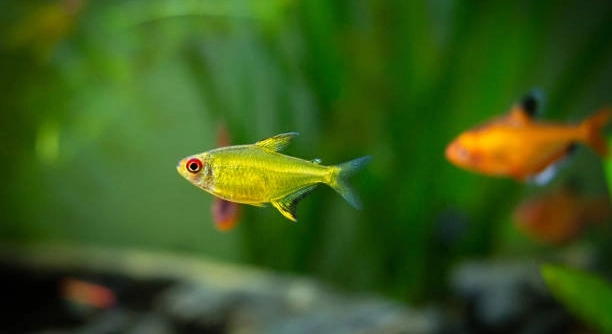
Lemon tetras are small, bright fish that bring energy to any aquarium. Observing their movements can be relaxing, but understanding what they are feeling takes attention and care. Learning their signals improves the bond between fish and owner.
Reading lemon tetra body language involves noticing changes in swimming patterns, fin positions, and interactions with other fish. Calm, consistent movements indicate comfort, while rapid darting, flared fins, or hiding behavior signal stress or discomfort in their environment.
Knowing how to spot these signs helps you create a peaceful and healthy tank for your lemon tetras. Paying attention to details can make a big difference in their wellbeing.
Recognizing Stress Signals in Lemon Tetras
Lemon tetras show stress in subtle ways. They may swim erratically, hide behind plants, or keep close to the tank bottom. Changes in color can also indicate unease, often fading when they feel threatened or uncomfortable. Sometimes their fins clench tightly against their bodies, and they may avoid other fish, even if they are normally social. Overcrowding or sudden changes in water temperature can cause these reactions. Poor water quality is another factor; ammonia, nitrites, and pH fluctuations can make fish tense and restless. Even small disturbances outside the tank, such as vibrations or shadows, may prompt sudden darting or freezing behavior. Observing these signs consistently helps in preventing more serious health problems. By paying attention to patterns over days, you can often identify stressors early and take steps to improve their environment. Small adjustments, like adding hiding spaces or keeping the water stable, can greatly reduce anxiety in lemon tetras.
Monitoring stress signs regularly is key to keeping your lemon tetras healthy and happy in their tank environment.
Spotting stress behaviors early allows for quick intervention. Changes like hiding, darting, or color fading signal attention is needed.
Understanding Social Interactions
Lemon tetras are social fish and prefer to swim in groups. Observing how they interact can tell you a lot about their mood and tank dynamics.
They form small schools, often moving in unison, which indicates comfort and security. If one fish separates frequently or appears aggressive, it can disrupt harmony in the group. Subtle chasing, nipping, or flaring of fins may signal dominance disputes or competition for food. On the other hand, gentle following and synchronized swimming are signs of bonding and trust. Introducing new fish can temporarily increase tension, as the school adjusts its hierarchy. Providing enough space, plants, and hiding spots can ease these social tensions. Over time, the group establishes routines, and fish settle into roles. Observing these patterns helps you identify when interventions are needed, such as separating overly aggressive individuals or adjusting feeding practices. Healthy social interactions contribute to their overall well-being, and understanding these behaviors allows you to create a more balanced tank environment.
Reading Fin and Tail Movements
Lemon tetras use their fins and tails to communicate mood. Relaxed, gently moving fins show calmness, while clamped or rigid fins signal stress. Rapid tail flicks can indicate agitation or excitement.
Fin and tail positions are strong indicators of health and comfort. When a tetra’s fins are fully spread, it usually means the fish is relaxed and confident in its surroundings. Darting with quick, stiff tail movements often shows alarm or irritation. Changes in tail movement can also reflect water quality issues or sudden environmental disturbances. Observing these patterns daily helps identify problems early.
Fins that droop or appear frayed often point to illness, poor water conditions, or aggressive tankmates. Healthy lemon tetras display smooth, coordinated fin motions during swimming and while interacting with other fish. Regular observation helps in recognizing subtle changes that indicate stress or disease before it becomes serious. Adjusting tank conditions and monitoring behavior can prevent worsening issues, ensuring a stable, comfortable environment for all fish.
Body Position and Movement Patterns
Lemon tetras’ body orientation indicates comfort levels. Horizontal swimming shows calmness, while tilting or darting suggests unease or stress. Maintaining consistent patterns is key.
Changes in swimming height and body angle are significant. Fish staying near the surface or bottom may indicate discomfort or searching for oxygen-rich water. Slow, steady movement in the middle of the tank reflects contentment. Rapid zigzag motions often appear during stress or fear responses. Observing when and how these movements occur helps in assessing environmental conditions.
Schooling behavior also ties to body position. Fish that isolate themselves or oppose the group may be ill or stressed. When all fish swim in harmony, it signals a stable tank and good water quality. Minor adjustments in lighting, temperature, or tank layout can improve body positioning behaviors. Tracking these movements over days provides insight into long-term health and comfort. Regular observation and subtle interventions help maintain balance in the aquarium, ensuring lemon tetras remain active and stress-free.
Color Changes and Indicators
Lemon tetras’ colors reflect their mood and health. Bright, vibrant hues signal comfort, while dull or faded colors often indicate stress, illness, or poor water conditions.
Rapid changes in coloration can also occur during social interactions. Fish may darken when feeling threatened or lighten when relaxed. Monitoring these shifts helps track their well-being and adjust care accordingly.
Observing Feeding Behavior
Feeding behavior provides insight into a tetra’s state. Active, eager feeding usually signals good health, while hesitation, spitting out food, or hiding may indicate stress or illness. Tracking patterns helps identify problems early and adjust feeding routines or tank conditions to support proper nutrition.
Resting and Sleeping Patterns
Lemon tetras rest near plants or in shaded areas. Consistent resting shows comfort, while erratic or prolonged hiding may reflect stress or health issues. Regular observation ensures they have a safe, stable environment to relax properly.
FAQ
How can I tell if my lemon tetra is stressed?
Stress in lemon tetras can be identified through several behaviors. They may swim erratically, hide frequently, or separate from their group. Fins may be clamped against the body, and colors might appear dull. Rapid darting or staying near the tank bottom often signals discomfort. Water quality issues, overcrowding, or sudden changes in temperature can all trigger these responses. Observing these signs consistently helps in addressing problems before they affect health.
Why is my lemon tetra hiding so much?
Hiding is a natural behavior but excessive hiding often indicates stress, fear, or illness. Fish may retreat to plants, decorations, or corners of the tank. Poor water quality, aggressive tankmates, or sudden disturbances outside the tank can increase hiding behavior. Ensuring stable water parameters, sufficient space, and safe hiding spots reduces stress. Regular observation allows you to notice changes in hiding patterns, which can prevent more serious health problems.
What do rapid swimming patterns mean?
Rapid, jerky swimming often reflects agitation or stress. Fish may react to sudden movements outside the tank, loud noises, or changes in lighting. It can also indicate poor water conditions, insufficient oxygen, or aggressive interactions with other fish. Calm, smooth swimming is a sign of comfort and health. Keeping water stable, maintaining proper tank balance, and minimizing disruptions helps reduce these rapid movements.
How important is schooling for lemon tetras?
Schooling is essential for their well-being. Swimming in groups provides security, encourages natural behavior, and reduces stress. Fish that isolate themselves may be ill, stressed, or struggling to integrate with the group. Proper tank size and the right number of fish allow healthy schooling patterns. Observing group cohesion helps determine whether social dynamics or environmental factors need adjustment.
Can color changes indicate health problems?
Yes, color changes are reliable indicators. Bright, vibrant colors signal comfort, while faded or dull hues can point to stress, poor diet, or illness. Sudden darkening may indicate fear or territorial behavior, while paleness can reflect stress or poor water quality. Regularly monitoring coloration alongside behavior provides insight into overall health and tank conditions.
What are signs of illness in lemon tetras?
Common signs include frayed fins, lethargy, loss of appetite, abnormal swimming patterns, and unusual spots or discoloration. Early detection allows for faster intervention and treatment. Maintaining stable water conditions, providing a balanced diet, and observing behavior regularly are crucial for preventing illness. Prompt action when changes are noticed helps ensure long-term health.
How does water quality affect behavior?
Poor water quality significantly impacts behavior. High ammonia or nitrite levels, sudden pH changes, or inadequate filtration can cause stress, hiding, rapid swimming, or color fading. Regular testing and water changes maintain a stable environment, promoting natural behavior and reducing the risk of illness. Fish behavior often reflects water conditions before physical symptoms appear.
Why do some lemon tetras chase others?
Mild chasing can be part of normal social interactions, such as establishing dominance or feeding order. Excessive aggression, flared fins, or repeated attacks indicate stress, overcrowding, or compatibility issues. Ensuring enough space, hiding spots, and proper group size reduces conflicts. Observing these interactions helps maintain a balanced tank environment and minimizes stress-related behaviors.
How can I encourage healthy resting behavior?
Providing shaded areas, plants, or gentle hiding spots allows fish to rest safely. Consistent light cycles and minimal disturbances help them establish normal sleep patterns. Fish that hide excessively or fail to rest may be stressed or unwell, signaling the need for environmental adjustments or health checks.
What should I watch for during feeding times?
Healthy fish actively approach food, eat consistently, and display coordinated movements. Hesitation, spitting out food, or avoidance may indicate stress, illness, or competition among tankmates. Feeding small amounts at regular intervals and monitoring reactions helps ensure proper nutrition and identifies potential issues early.
Final Thoughts
Understanding lemon tetra behavior is essential for keeping them healthy and comfortable in your aquarium. These small fish communicate largely through subtle body movements, fin positions, and color changes. Paying attention to these details allows you to notice when something is off. Stress, illness, or environmental issues often show up first in their behavior before physical symptoms appear. Watching for rapid swimming, hiding, clamped fins, or faded colors gives early warning signs. Observing social interactions within the school, such as chasing, darting, or isolation, also provides insight into their well-being. By keeping track of these patterns, you can make informed adjustments to the tank environment, feeding routines, or tankmate arrangements. Regular observation doesn’t need to take much time each day, but it creates a clearer understanding of how your fish are feeling. Over time, you learn the typical behaviors of your individual tetras, making deviations easier to spot.
Maintaining stable water conditions is one of the most important steps for promoting natural behavior. Lemon tetras are sensitive to temperature fluctuations, water chemistry changes, and overcrowding. Even small shifts in pH, ammonia, or nitrite levels can affect swimming patterns, fin positions, and color vibrancy. Regular water testing and partial water changes help keep these conditions stable. Providing plenty of plants, hiding spots, and open swimming space also reduces stress and encourages natural schooling behavior. A well-maintained tank not only keeps fish physically healthy but also supports their mental comfort. When fish feel secure, their colors brighten, movements become smooth, and social interactions are calm and coordinated. Paying attention to the tank setup and ensuring each fish has room to swim freely and hide when needed can prevent many common behavioral problems. Consistency in water quality, feeding schedules, and environmental conditions makes a noticeable difference in how lemon tetras behave daily.
Finally, observing lemon tetras can be a rewarding part of owning them. Their subtle communication methods, from fin flicks to body orientation, provide clues to their moods and needs. While the signals may seem small or easy to miss at first, spending time watching their patterns helps you understand what each fish is experiencing. Over time, you begin to recognize signs of stress, discomfort, or illness quickly, allowing you to act before problems escalate. Healthy, calm fish contribute to a more harmonious tank, and noticing positive changes in behavior is satisfying. Small adjustments, like adding plants, adjusting light, or maintaining water stability, often have a big impact. The more familiar you become with their behaviors, the easier it is to create a supportive environment that encourages natural movement, social cohesion, and overall well-being. Observing lemon tetras closely helps you respond to their needs effectively and enjoy their lively, vibrant presence in your aquarium.

Hello,
If you enjoy the content that we create, please consider saying a "Thank You!" by leaving a tip.
Every little bit helps us continue crafting quality advice that supports the health, happiness, and well-being of pets around the world, for pets of all shapes, sizes, and species.
We really appreciate the kindness and support that you show us!