
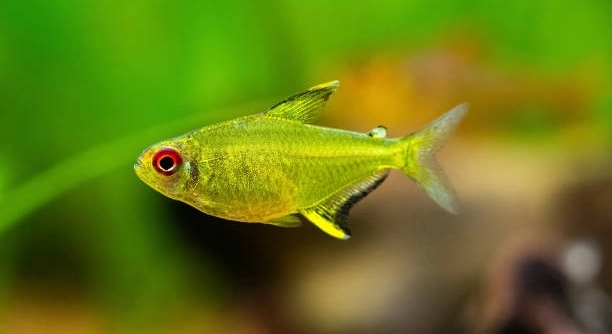
Lemon tetras are small, bright fish that often brighten up any aquarium. Watching them swim together can be calming, yet they sometimes display behaviors that seem unusual or puzzling to their caretakers.
Despite their small size, lemon tetras exhibit a range of behaviors that are perfectly normal. These include rapid darting, sudden pauses, or following each other closely, all of which serve purposes related to communication, social interaction, and environmental awareness.
Observing these behaviors closely can help you better understand your fish and create a healthier, more harmonious aquarium environment.
Flashing and Dashing
Lemon tetras often dart suddenly across the tank, which can be startling at first. This quick movement is natural and usually a sign of alertness or excitement. They may flash bright yellow hues as they swim rapidly, communicating with other fish nearby. In a community tank, this behavior helps them establish social boundaries and maintain cohesion. Watching these quick motions can be mesmerizing, as their speed is both purposeful and graceful. Sometimes, they pause for a moment, then dart again, repeating this pattern. Sudden dashes may also occur if they detect a change in light, water movement, or an unfamiliar object in the tank. While it may seem erratic, it is an instinctive way to stay aware of surroundings. Regular observation can help you distinguish normal dashing from stress responses. Maintaining stable water conditions and avoiding sudden tank disturbances will keep your lemon tetras comfortable and confident.
Rapid darting is a standard behavior that allows lemon tetras to navigate their environment efficiently while maintaining social awareness and interaction.
These flashes and quick movements add liveliness to your aquarium, making it interesting to watch how the tetras respond to each other and the environment around them.
Following the Leader
Lemon tetras often swim in tight groups, seemingly following one dominant fish.
This schooling behavior is deeply rooted in their natural instincts. In the wild, swimming together helps protect them from predators, ensures better foraging, and strengthens social bonds. The fish at the front may change frequently, giving each tetra a turn to lead while the others follow. In an aquarium, this behavior may also indicate comfort and a stable social hierarchy. Observing how they switch positions can reveal individual personalities and energy levels. Keeping them in groups of at least six is important because smaller numbers can lead to stress or isolation. Proper nutrition, consistent tank maintenance, and suitable decorations can encourage natural schooling behavior. While it looks simple, following each other is a vital part of their social structure, reinforcing cooperation and awareness. Over time, watching them coordinate and move together can be rewarding and demonstrates the intelligence and adaptability of these small, bright fish.
Nipping and Fin Flicking
Lemon tetras may occasionally nip at each other or flick their fins. This is normal and usually part of establishing social order within the school.
Fin flicking can indicate mild irritation or excitement. It helps the fish communicate and assert boundaries without serious conflict. Watching this behavior shows how they interact and maintain their social hierarchy. In a healthy tank, nipping is brief and does not harm the fish. Excessive aggression, however, could signal overcrowding or stress. Observing patterns in fin flicking can help you ensure the tank environment supports peaceful social behavior and keeps the school harmonious.
Even small instances of fin flicking have a purpose. They can reinforce relationships between fish and help prevent long-term conflicts. By keeping the tank well-maintained, feeding appropriately, and monitoring water quality, lemon tetras remain balanced, confident, and socially active.
Resting and Hovering
Lemon tetras sometimes hover near plants or decorations, appearing still for several minutes. This resting behavior is normal and helps them conserve energy.
Hovering allows the fish to recover while staying alert to movement around them. It also helps regulate their position in the water column, especially when currents are present. In a planted tank, they often choose spots with cover, which provides a sense of security. Regular resting periods support their overall health, allowing them to remain active and vibrant when swimming with the school. Watching them hover quietly can be calming and demonstrates how they balance activity and rest naturally.
Hovering behavior may vary depending on water temperature, lighting, and the tank setup. Fish may choose shaded areas or mid-level spaces to feel secure. This resting is essential, particularly after bursts of activity like darting or chasing. By observing these moments, you can better understand your tetras’ energy cycles, comfort levels, and preferred spots in the tank, allowing for adjustments in decorations or plant placement to enhance their well-being.
Mirror Swimming
Lemon tetras sometimes swim close to the tank glass as if staring at themselves. This is normal and usually a reaction to their reflection.
They may perceive the reflection as another fish. This behavior is harmless and can occur more frequently in smaller tanks or tanks with strong lighting.
Quick Zigzag Movements
Occasionally, lemon tetras make rapid zigzag motions while swimming. This behavior is linked to excitement, feeding, or responding to sudden changes in their environment.
Zigzag movements allow the fish to navigate around obstacles efficiently and communicate energy levels to other school members. It is an instinctive behavior that helps them stay alert and coordinated, ensuring safety within the group. Observing these movements can give insight into their health and activity, showing that the fish are active and responsive. Providing enough space and stable water conditions supports this natural behavior, keeping the tetras confident and socially engaged.
Bubble Blowing
Some lemon tetras release small bubbles from their mouths or gills. This is normal and part of respiration or minor stress reactions.
FAQ
Why does my lemon tetra swim near the surface?
Swimming near the surface is normal behavior. Lemon tetras may do this to access oxygen-rich water or explore their surroundings. In most cases, it indicates they are comfortable and alert. However, if it happens constantly, it may signal low oxygen levels or poor water quality. Ensuring proper aeration and regular water changes can keep them healthy and active throughout the tank.
Why do lemon tetras chase each other?
Chasing is part of their social behavior. It helps establish hierarchy and maintain cohesion within the school. Occasional chasing is harmless and indicates normal interaction. Persistent aggressive chasing may suggest overcrowding or stress. Observing their interactions allows you to ensure a peaceful environment, adjusting tank size, décor, or group numbers if needed.
Why does my tetra sometimes stay still for long periods?
Resting behavior is natural. Lemon tetras may hover near plants, decorations, or mid-level water spots to conserve energy. This stillness allows them to remain alert while recovering from swimming or interactions. Consistent resting shows they are healthy and comfortable. Minimal movement alone is not cause for concern unless paired with unusual signs like loss of appetite or faded color.
Why do lemon tetras nip at each other?
Fin nipping is normal and often linked to social hierarchy or minor irritation. It is usually brief and does not harm the fish. Persistent nipping may indicate stress, overcrowding, or insufficient hiding spaces. Maintaining a balanced group size and proper tank layout minimizes tension and allows tetras to interact naturally.
Why do they swim in groups?
Schooling behavior is instinctive and provides protection, coordination, and social interaction. Swimming together keeps the fish alert to environmental changes and predators. Smaller groups may feel insecure, while larger schools display better cohesion and activity levels. Providing a minimum of six fish encourages natural schooling behavior and reduces stress.
Why does my tetra flash bright yellow suddenly?
Flashing colors is a form of communication or response to environmental stimuli. Lemon tetras may brighten when excited, during feeding, or when asserting social presence. Temporary flashes are normal, but prolonged or dull coloring could indicate stress, illness, or water quality issues. Monitoring tank conditions and maintaining stability ensures healthy coloration.
Why do they hover near plants or decorations?
Hovering is resting behavior and offers security. Lemon tetras choose spots with cover to feel safe while staying alert. Plants and décor provide a sense of territory and reduce stress. Observing preferred resting spots can help with tank arrangement, ensuring the fish have areas to retreat and remain comfortable.
Why do they swim in zigzag patterns?
Zigzag swimming is instinctive and helps the fish navigate the tank efficiently. It can signal excitement, feeding response, or alertness. This movement also allows them to communicate energy levels to other school members. Providing sufficient swimming space and stable water conditions supports this natural, healthy behavior.
Why do lemon tetras interact with their reflection?
Swimming near the glass and reacting to reflections is normal. Fish may mistake their reflection for another tetra. It is harmless and occurs more in brightly lit or smaller tanks. Adjusting lighting, décor placement, or providing more companions can reduce repetitive mirror interactions without stressing the fish.
Why do they sometimes release bubbles?
Bubbles are part of respiration and minor stress responses. Lemon tetras expel air to regulate buoyancy or during brief environmental reactions. Occasional bubble release is harmless. Persistent gill bubbles or rapid breathing may indicate water quality issues, low oxygen, or illness, requiring attention and proper tank maintenance.
How can I encourage healthy social behavior?
Maintaining a group of at least six tetras, providing hiding spots, and keeping stable water parameters are key. Feeding consistently and avoiding sudden tank disturbances fosters calm and natural interactions. Observing their group dynamics regularly allows for early identification of stress or aggression, ensuring a balanced social environment.
How do I know if their behavior is abnormal?
Abnormal behavior includes lethargy, faded color, rapid gill movement, or prolonged isolation. Comparing with typical behaviors like flashing, darting, or hovering helps identify issues. Early detection of stress, illness, or water quality problems can prevent further complications. Consistent observation and maintenance ensure the fish remain healthy and active.
Can tank size affect behavior?
Yes, small tanks can increase stress and aggressive interactions. Lemon tetras need room to swim freely, school, and establish social structures. A minimum 20-gallon tank for a small group allows natural behaviors like darting, following, and hovering to occur without crowding, supporting their overall well-being.
Do lighting and decoration impact behavior?
Lighting and décor influence comfort, resting spots, and activity. Too bright lighting may cause hiding or stress, while plants and ornaments provide cover and social boundaries. Properly arranged décor supports schooling, hovering, and resting behaviors, making the tank a safe and stimulating environment for the fish.
How does water quality affect behaviors?
Poor water conditions can cause unusual swimming, lethargy, or excessive flashing. Maintaining stable temperature, pH, and ammonia levels is crucial. Healthy water ensures natural behaviors like chasing, schooling, and resting remain consistent, while preventing stress-related issues that can alter normal activity patterns.
What role does diet play in behavior?
A balanced diet keeps lemon tetras active and healthy. Inadequate nutrition may lead to sluggishness, pale colors, or decreased interaction. Feeding high-quality flakes, micro pellets, or occasional live food supports energy for darting, schooling, and social interactions, maintaining normal, lively behaviors in the aquarium.
Are there seasonal or environmental factors that change behavior?
Yes, changes in temperature, light cycles, or tank maintenance routines can temporarily alter activity. Tetras may become more or less active depending on environmental stability. Monitoring these factors and maintaining consistent routines helps minimize stress and ensures normal behavior patterns continue.
How do I safely monitor their behavior?
Observe daily for signs like schooling, darting, flashing, and hovering. Note deviations or persistent abnormal patterns. Keeping a log of feeding times, water changes, and behavioral changes can help identify triggers and maintain a stable, healthy environment for lemon tetras.
Lemon tetras are small fish with surprisingly complex behaviors. Watching them swim, hover, or interact with each other can be both calming and fascinating. While some actions may seem strange at first, most are completely normal and are part of their natural instincts. Flashing bright colors, darting quickly, or swimming in groups all have a purpose, whether it is for communication, social structure, or safety. Understanding these behaviors helps create a healthier environment for them. When their tank is well-maintained, with stable water conditions, enough space, and proper nutrition, lemon tetras tend to thrive and display their natural patterns more frequently. Observing them closely also allows you to notice subtle signs that something may need attention, such as water quality issues or stress.
Keeping lemon tetras in groups is important because they are social fish. Schooling provides them with a sense of security and encourages natural behaviors like following the leader, quick zigzag movements, and coordinated resting periods. They communicate through small gestures, like fin flicking, chasing, or hovering near each other, which helps maintain order in the group. Even behaviors that seem unusual, like interacting with reflections or releasing small bubbles, have explanations rooted in instinct or environmental response. Providing hiding spots, plants, and decorations allows them to rest and feel safe, which reduces stress and supports overall well-being. A stable and thoughtful tank setup encourages positive behaviors and makes it easier to spot anything abnormal, ensuring they remain active, healthy, and socially engaged.
Observing lemon tetras over time can be rewarding. Their behaviors offer insight into their personality, comfort level, and social interactions. While each fish may display slight differences in activity or resting preferences, most will follow common patterns that indicate good health. Regular tank maintenance, proper feeding, and a balanced group size help maintain these behaviors and prevent stress or aggression. By paying attention to their habits and responding to changes promptly, you create an environment where the tetras feel secure and confident. This understanding not only improves their quality of life but also makes caring for them more enjoyable. Lemon tetras are lively, adaptive, and interesting fish, and learning to recognize their normal behaviors ensures they remain happy and thriving in your aquarium.

Hello,
If you enjoy the content that we create, please consider saying a "Thank You!" by leaving a tip.
Every little bit helps us continue crafting quality advice that supports the health, happiness, and well-being of pets around the world, for pets of all shapes, sizes, and species.
We really appreciate the kindness and support that you show us!