
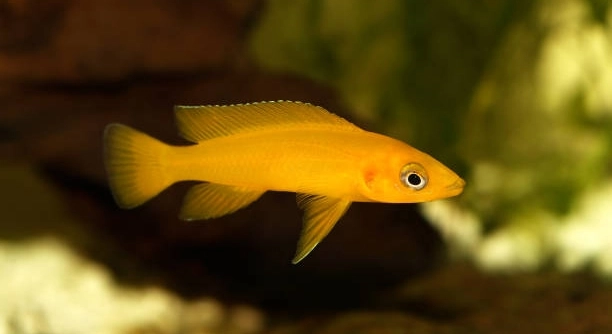
Do you ever notice your lemon tetra swimming frantically or hiding more than usual in its tank? Observing your fish’s behavior closely can reveal subtle signs that its environment may no longer be sufficient.
Lemon tetras require adequate space to thrive, and a small tank can lead to stress, stunted growth, and health problems. Ensuring proper tank size is essential for their physical well-being, natural behavior, and long-term survival in captivity.
Recognizing these signs early will help your fish live a healthier, more comfortable life in the right environment.
Restless Swimming Patterns
When my lemon tetra started darting back and forth quickly, I realized it might be trying to escape the confines of its tank. Restless swimming is a common sign of insufficient space. In a small tank, water quality can also decline faster, causing discomfort and stress. Fish need room to explore, swim freely, and maintain a healthy routine. Limited space can make them feel trapped, leading to unusual or frantic movements. Observing their behavior closely over a few days helps confirm whether this is a recurring issue. Tank size directly influences oxygen levels, water circulation, and territory, all of which affect swimming behavior. Fish that are stressed often show repetitive patterns, rapid movements, or constant hovering near the surface or corners. By giving lemon tetras a larger environment, you can encourage calmer swimming, more natural interaction with tank mates, and a healthier, less stressful life.
Restless swimming often signals a need for more space and improved water conditions to reduce stress.
Providing a bigger tank allows tetras to swim naturally, interact peacefully, and reduce aggressive tendencies. Larger space also improves oxygenation and water circulation, helping prevent disease. Regular monitoring ensures their health, allowing them to develop normally without the strain of confinement, creating a comfortable environment.
Hiding and Clinging to Corners
Hiding constantly is a clear sign your lemon tetra feels cramped.
Fish tend to retreat when they cannot escape stressors or find personal space. A small tank can make them feel exposed to perceived threats, even without other aggressive fish present. Lemon tetras are naturally active and social, so constant hiding suggests an unmet need for space or proper shelter. If a tetra spends most of its time in corners or behind decorations, it may be overwhelmed by the environment. Limited movement can also affect their feeding habits and growth, leading to slower development or weakened immunity. Observing where and how long your fish hides can help determine if the tank is too small. Adjusting tank size, adding plants or hiding spots, and maintaining water quality can reduce anxiety. Ensuring an environment that allows swimming, social interaction, and occasional retreat supports their overall health and makes daily behavior more predictable.
Loss of Color
Lemon tetras can lose their bright yellow hue when stressed or confined. Dull coloration often signals insufficient space or poor water quality, both of which affect their overall health.
When I noticed my tetra’s colors fading, I realized the small tank was limiting its ability to thrive. A cramped environment can increase stress hormones, directly impacting pigmentation. Stress also weakens the immune system, making fish more prone to disease. Bright colors indicate good health, proper diet, and comfortable surroundings. Providing a larger tank with stable water conditions, enough swimming space, and proper nutrition helps restore their natural vibrancy. Color changes are not always immediate but can improve gradually as stress is reduced. Observing your tetra daily allows you to notice subtle improvements or further signs of distress.
Color loss in lemon tetras often coincides with lethargy and reduced activity. Improving tank size and water quality can gradually bring their vibrancy back, enhancing health and overall mood.
Frequent Gasping at the Surface
Gasping at the water’s surface often indicates low oxygen levels or stress from a small tank.
I noticed my tetra spending more time at the top, which made me check the tank’s size and filtration. Small tanks can have poor oxygen circulation, especially when crowded or overstocked. Fish gasp when they cannot get enough oxygen from the water, signaling the environment is insufficient. Temperature fluctuations, high waste levels, and lack of movement can worsen the problem. Observing how often and when they gasp helps identify whether tank size, water flow, or cleanliness needs adjustment. Ensuring proper aeration, keeping fish numbers appropriate, and providing space to swim freely reduces this behavior. Proper maintenance and attention to environment are key to preventing stress-related issues in lemon tetras.
Clamped Fins
Clamped fins are a clear indication of stress in lemon tetras. They keep their fins tight against their body when feeling unsafe or confined.
I noticed my tetra’s fins always held close. Small tanks limit swimming room and increase tension. Allowing more space helps them spread their fins naturally and regain normal behavior.
Loss of Appetite
Lemon tetras may eat less when their tank is too small. Stress and poor water quality reduce their interest in food.
A cramped environment can cause anxiety, making fish avoid feeding. Over time, this affects growth and overall health. Providing enough space and stable conditions encourages normal feeding patterns, supporting vitality.
Aggressive Behavior
When confined, lemon tetras may act aggressively toward tank mates.
Limited space forces fish into constant proximity, leading to chasing, nipping, or territorial disputes. Increasing tank size and adding hiding spots reduces tension and promotes peaceful interactions.
What tank size do lemon tetras need?
Lemon tetras thrive in a minimum of 20 gallons for a small group. Smaller tanks limit swimming space, increase stress, and affect water quality. I learned that giving them room to move freely keeps them active and reduces aggressive or anxious behavior. A larger tank also allows for more plants and decorations, which provide hiding spots and territories, helping reduce tension among the fish. Proper filtration and regular water changes are easier to maintain in a bigger tank, keeping ammonia and nitrate levels low. Overcrowding in small tanks often leads to stunted growth and dull coloration, both signs of poor health.
How can I tell if my tetra is stressed?
Stress in lemon tetras shows through behavior and appearance. Restless swimming, hiding constantly, gasping at the surface, clamped fins, and loss of color are all common indicators. I noticed my fish often lingered in corners or behind decorations when the tank was too small. Stress can also reduce appetite, making them eat less or refuse food entirely. In some cases, tetras may act aggressively toward tank mates. Observing daily routines helps detect these signs early. Addressing tank size, water quality, and providing enough space significantly reduces stress and encourages normal activity, coloration, and feeding.
Can small tanks harm their health?
Yes, small tanks can negatively impact lemon tetras’ health. Limited space leads to poor water circulation, higher toxin buildup, and insufficient oxygen, causing gasping and lethargy. When I moved my tetras to a larger tank, they became more active, ate consistently, and regained their bright colors. Stress from confinement weakens their immune system, increasing susceptibility to diseases like ich or fin rot. Small tanks also limit natural behaviors, including schooling, exploration, and hiding, which are essential for mental and physical well-being. A proper-sized tank ensures balanced water chemistry, adequate oxygenation, and room for normal interactions, directly supporting long-term health.
Do tank mates affect stress levels?
Tank mates play a big role in lemon tetra behavior. Aggressive or territorial fish in a small tank can increase stress, causing hiding, clamped fins, or erratic swimming. I noticed my tetra’s behavior improved once they were moved to a larger tank with compatible species. Providing enough space reduces conflicts, and adding plants or decor gives each fish room to retreat when needed. Tetras are naturally social, so keeping them in groups of at least six in a spacious tank encourages natural schooling behavior and reduces aggression. The right combination of tank size and peaceful companions promotes a calmer, healthier environment.
How often should water be changed?
Frequent water changes are critical in small tanks because waste accumulates quickly. I started changing 25-30% of the water weekly, which noticeably improved my tetras’ behavior and color. In cramped tanks, ammonia and nitrate levels rise faster, causing stress and health problems. Larger tanks stabilize water quality more effectively, but regular maintenance is still essential. Monitoring water parameters like pH, nitrate, and ammonia helps detect issues early. Proper filtration combined with consistent water changes ensures oxygen levels remain adequate, reducing gasping and lethargy. Well-maintained water supports normal feeding, activity, and overall vitality for lemon tetras.
Can plants and decorations help?
Yes, adding plants and decorations reduces stress by providing hiding spots and territories. I placed live plants and small caves in my tank, and my tetras became more confident and less aggressive. Plants also improve water quality by absorbing nitrates and increasing oxygen. Decorations create vertical and horizontal space, allowing fish to explore naturally. In a small tank, even with decorations, space can still feel limited, so a larger environment is always better. Combining ample swimming room with thoughtfully placed hiding areas supports mental health, encourages schooling, and reduces conflicts among fish, resulting in happier, healthier lemon tetras.
How long does it take for tetras to adjust to a bigger tank?
Adjustment time varies, but most tetras settle within a few days to a week. When I transferred my group to a larger tank, I noticed calmer swimming, restored color, and more consistent feeding within five days. Stress signs like clamped fins and hiding decreased gradually. The new environment allows fish to establish territories, explore safely, and interact naturally. Monitoring their behavior during this period is important to ensure water parameters remain stable. Providing familiar decorations helps ease the transition. A properly sized tank accelerates adaptation and supports long-term health, making tetras more active, social, and vibrant.
Is diet affected by tank size?
Yes, stress from a small tank can reduce appetite. I observed my tetras refusing food until they had more space to swim comfortably. A well-sized tank improves feeding behavior, digestion, and overall vitality. Stress-free fish are more likely to eat regularly and absorb nutrients properly, supporting growth, color, and immune function. Consistent feeding schedules and high-quality food combined with a spacious environment ensure lemon tetras remain healthy and active.
Providing the right environment for lemon tetras is essential for their health and happiness. A small tank can limit their movement, cause stress, and lead to behavioral and physical issues. Observing their behavior closely can help identify when the tank may no longer be suitable. Signs like restless swimming, hiding in corners, clamped fins, or loss of color indicate that your fish may need more space. Addressing these issues early helps prevent long-term problems and ensures that your tetras remain active, vibrant, and healthy. Proper tank size allows them to swim naturally, interact peacefully, and exhibit behaviors that are typical of their species.
Water quality is closely linked to tank size, and smaller tanks often require more frequent monitoring and maintenance. In cramped conditions, ammonia and nitrate levels can rise quickly, reducing oxygen availability and causing stress. Larger tanks provide better circulation and stability, which helps maintain water parameters and supports the fish’s immune system. Regular water changes and proper filtration are still necessary regardless of tank size, but a spacious environment reduces the strain of keeping the water clean and balanced. When fish are not stressed by their surroundings, they eat more consistently, show brighter colors, and develop normally. Plants and decorations can enhance the habitat by providing hiding spots and territories, but they cannot replace the importance of adequate swimming space.
Watching lemon tetras adapt to a larger tank can be very rewarding. Over time, you will notice calmer swimming, restored colors, more consistent feeding, and reduced signs of stress. A properly sized tank allows them to school naturally, explore their environment, and interact with tank mates without aggression. It also supports their long-term health by preventing stunted growth and reducing susceptibility to disease. Ensuring that your lemon tetras have enough room to thrive demonstrates the importance of thoughtful care and attention to their needs. Providing a balanced diet, stable water conditions, and a spacious environment gives them the best chance to live active, healthy lives while displaying their natural beauty.

Hello,
If you enjoy the content that we create, please consider saying a "Thank You!" by leaving a tip.
Every little bit helps us continue crafting quality advice that supports the health, happiness, and well-being of pets around the world, for pets of all shapes, sizes, and species.
We really appreciate the kindness and support that you show us!