
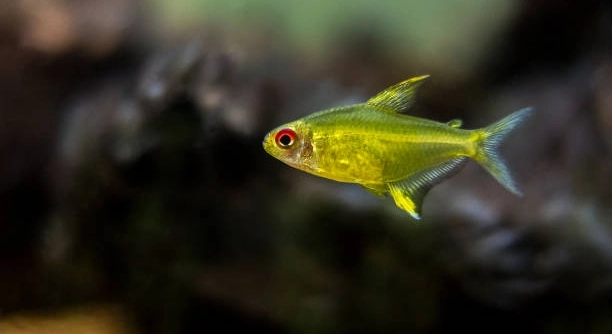
Do you enjoy keeping Arowanas but notice they sometimes act skittish or hide frequently in the tank? Observing their behavior can reveal subtle signs of discomfort. Understanding what makes them feel unsafe helps create a calmer environment.
Arowanas feel unsafe due to sudden changes in their surroundings, improper tank size, poor water quality, inadequate hiding spots, aggressive tank mates, bright lighting, and frequent disturbances. Addressing these factors ensures their wellbeing and reduces stress-related behaviors.
Identifying these stressors is essential for a healthy tank setup and for fostering a comfortable environment for your Arowana.
Sudden Changes in the Environment
Arowanas are highly sensitive to sudden changes in their environment. Moving decorations, changing the tank layout, or even shifting the tank’s location can trigger stress. These fish rely on consistency to feel secure, and abrupt alterations disrupt their sense of stability. They may hide, refuse food, or swim erratically when startled. Temperature fluctuations, changes in lighting schedules, or sudden loud noises outside the tank also add to their unease. Even cleaning routines performed too aggressively can make them feel threatened. Gradually introducing any adjustments and observing their reactions helps maintain a calm environment. This allows the Arowana to adapt without excessive stress. Maintaining a consistent routine is key, from feeding times to light cycles, and ensuring water conditions remain stable during transitions is essential. Arowanas thrive when they feel predictability and stability in their surroundings, which reduces their instinctive need to react defensively to minor disturbances.
Even small environmental shifts can trigger anxiety in Arowanas. Keeping changes gradual helps maintain their sense of safety.
Arowanas need a stable environment to thrive. Regularly monitor tank conditions and avoid sudden adjustments. Slowly introducing new decorations, lighting, or temperature changes allows them to acclimate without panic. Consistent feeding routines and gentle interactions reduce stress and encourage natural behaviors, keeping them healthy and secure in the tank.
Improper Tank Size
An Arowana’s tank must be spacious enough to accommodate its size and swimming needs. Crowded tanks restrict movement and make them feel trapped, which increases anxiety. They require a long, wide tank to allow full swimming motion and reduce territorial stress. Inadequate space can lead to aggression toward other fish or self-harm, as the fish may strike the tank walls repeatedly. It can also make it harder to maintain proper water quality, as smaller volumes of water are more prone to rapid changes in temperature and chemistry. Selecting a tank that matches their adult size ensures sufficient room for exercise and reduces stress behaviors. Additionally, a larger tank provides more areas to explore, which keeps Arowanas mentally stimulated and less prone to hiding or nervous behaviors. Proper filtration and regular water maintenance complement the tank size to create a safe, comfortable habitat.
A too-small tank restricts swimming and increases stress. Proper sizing is crucial for safety and wellbeing.
Arowanas grow quickly, so choosing a tank that supports their adult size is essential. Adequate space allows them to swim naturally, explore, and establish territory without feeling confined. Large tanks also help stabilize water conditions, reducing sudden fluctuations that can disturb them. Pairing the right tank size with clean water and gentle lighting creates a secure environment, encouraging natural behavior and promoting long-term health for your Arowana.
Poor Water Quality
Poor water quality directly impacts an Arowana’s health and sense of safety. High ammonia, nitrite, or nitrate levels can cause stress, illness, and erratic behavior. Maintaining clean water with proper filtration and regular testing is essential for their wellbeing.
Consistently monitoring water parameters helps prevent toxic buildup. Arowanas are sensitive to pH fluctuations, temperature changes, and contaminants, which can make them feel unsafe. Regular partial water changes, adequate filtration, and careful introduction of new water prevent sudden chemical shifts. Keeping the tank clean also reduces harmful bacteria and algae, which can compromise their immune system. Stressed Arowanas may hide, refuse food, or show abnormal swimming, signaling that water quality needs attention. Proper care ensures a stable environment where they feel secure and remain active.
Providing a safe environment requires more than feeding and decorations. Testing water weekly, adjusting chemicals gradually, and cleaning filters regularly ensures a stable habitat. Arowanas thrive when water is consistently clean, with stable temperature and pH levels. Observing their behavior for signs of stress helps catch water-related problems early, protecting their health and promoting a calm, secure tank environment.
Inadequate Hiding Spots
Arowanas feel exposed without places to retreat. Open tanks with no hiding areas increase anxiety, leading to nervous swimming and skittish behavior. Providing shelters or decorations helps them feel protected.
Adding plants, driftwood, or rock formations creates natural hiding spaces. Arowanas use these spots to rest, recover, or escape from perceived threats, which reduces stress. Without options to hide, they remain tense, constantly alert to changes, and more prone to injury or disease. Hiding spots should be strategically placed, not overcrowded, allowing the fish to explore freely while maintaining a sense of security. This balance ensures a calmer, more confident Arowana.
Proper placement of hiding areas enhances their comfort and reduces anxiety. Even minimal shelters provide significant psychological support, allowing them to feel in control of their environment. Combining hiding spots with open swimming areas encourages natural behavior and activity, promoting both mental and physical health. Thoughtful tank design ensures they can navigate freely while having secure retreats, which is key for long-term wellbeing and stress reduction.
Aggressive Tank Mates
Arowanas can become stressed when housed with aggressive or overly active fish. Conflicts over territory or food create constant tension, making them feel unsafe.
Even seemingly minor aggression from other fish can trigger hiding, erratic swimming, or loss of appetite. Choosing compatible tank mates minimizes stress and promotes a peaceful environment.
Bright Lighting
Excessively bright lighting can overwhelm Arowanas, making them skittish or withdrawn. Harsh light increases stress and reduces their comfort in the tank.
Adjusting light intensity or providing shaded areas allows Arowanas to regulate exposure. Gradual changes in lighting and periods of dimness help them feel secure and maintain natural behavior patterns.
Frequent Disturbances
Constant tapping, loud noises, or repeated interference near the tank unsettles Arowanas. They rely on a stable environment to feel safe and can become stressed by interruptions.
FAQ
How often should I check water quality for my Arowana?
Water quality should be tested at least once a week. Checking ammonia, nitrite, nitrate, and pH levels ensures the environment remains safe. Frequent testing helps detect problems early and prevents stress or illness caused by poor water conditions.
What is the ideal tank size for an adult Arowana?
An adult Arowana needs a tank that is at least 250 to 300 gallons, with a length of 6 to 8 feet. Adequate space allows natural swimming, reduces territorial stress, and supports overall health and activity levels.
How can I introduce new decorations without stressing my Arowana?
Introduce new decorations gradually. Place them in one section of the tank first and observe the fish’s behavior. Avoid sudden rearrangements, and allow your Arowana to explore new items at its own pace to reduce anxiety.
Are hiding spots necessary for every Arowana tank?
Yes, hiding spots are essential. Even confident Arowanas need areas to retreat when feeling threatened. Providing plants, driftwood, or rock formations reduces stress, encourages natural behavior, and gives them control over their surroundings.
What lighting setup is best for Arowanas?
Moderate lighting is best. Avoid overly bright lights that can cause stress. Adding shaded areas or dim periods mimics natural conditions, helping the Arowana feel secure and reducing nervous or erratic behavior.
Can aggressive tank mates harm my Arowana?
Aggressive or overly active tank mates increase stress and may provoke fights. Choose compatible species that are calm and similarly sized. Proper selection minimizes conflict, protects the Arowana, and ensures a peaceful tank environment.
How do I know if my Arowana is stressed?
Signs of stress include hiding frequently, refusing food, swimming erratically, or striking tank walls. Observing behavior daily helps identify stress early, so you can address water quality, tank layout, or other environmental factors promptly.
How often should I perform water changes?
Partial water changes of 20–30% every week help maintain stable water conditions. This prevents the buildup of harmful chemicals and keeps the tank clean, supporting the Arowana’s health and sense of security.
Is it normal for Arowanas to be shy at first?
Yes, new Arowanas often hide or stay still initially. Allow them time to adjust to their environment, gradually introducing changes while maintaining consistent conditions to build confidence and reduce stress.
What are common mistakes that make Arowanas feel unsafe?
Common mistakes include overcrowding, sudden tank changes, poor water quality, bright lighting, lack of hiding spots, and housing with aggressive fish. Avoiding these issues ensures a calmer and safer environment, encouraging natural behavior and long-term health.
How can I reduce disturbances near the tank?
Minimize tapping, loud noises, or frequent handling around the tank. Designate a quiet area for the tank and keep foot traffic low to maintain a stable and secure environment for your Arowana.
Are Arowanas sensitive to temperature changes?
Yes, sudden temperature fluctuations can stress Arowanas. Maintain a stable temperature within their preferred range, around 75–82°F, using reliable heaters and monitoring equipment to prevent discomfort or health problems.
Can diet impact my Arowana’s sense of safety?
A consistent and appropriate diet supports overall health, which indirectly reduces stress. Sudden changes in food or irregular feeding times may contribute to anxiety, so keeping a stable routine is important for their wellbeing.
How do I handle multiple stress factors at once?
Addressing multiple stressors requires assessing tank size, water quality, lighting, hiding spots, and tank mates simultaneously. Gradual improvements and consistent monitoring help the Arowana adjust and feel secure without overwhelming it.
What should I do if my Arowana continues to hide?
Persistent hiding may indicate stress or poor conditions. Check water quality, tank layout, lighting, and potential disturbances. Ensuring adequate hiding spots, proper space, and a calm environment encourages gradual confidence and natural activity.
Can Arowanas adapt to new environments?
Yes, with time and careful management. Introduce changes slowly, maintain stable water and lighting conditions, and provide hiding spots to help them adjust while minimizing stress. Patience is key for successful adaptation.
How important is tank maintenance for reducing stress?
Regular maintenance is crucial. Clean tanks, stable water parameters, and filtered systems prevent stress-related behaviors and support health. Consistent care ensures a secure, comfortable environment where the Arowana can thrive.
What role does observation play in ensuring Arowana safety?
Daily observation allows early detection of stress, illness, or environmental problems. Noticing changes in behavior or appetite lets you intervene promptly, maintaining a safe and stable habitat for your Arowana.
How can I make feeding time less stressful?
Feed at consistent times and avoid sudden interruptions. Use a predictable routine and appropriate food types to ensure the Arowana feels safe and confident during feeding, promoting natural eating behavior.
Is it necessary to quarantine new fish before introducing them?
Yes, quarantining new fish prevents disease and aggression. This protects your Arowana from stress and potential health risks, ensuring a safe and controlled integration into the main tank.
Can tank location affect Arowana stress levels?
Yes, tanks placed near heavy foot traffic, loud appliances, or fluctuating light can increase stress. Choose a quiet, stable location to provide a calm environment that supports their natural behavior.
How can I balance activity and hiding areas in the tank?
Provide both open swimming space and strategically placed hiding spots. This balance allows the Arowana to explore comfortably while having retreats available, supporting mental and physical wellbeing.
Are Arowanas prone to stress-related illness?
Yes, chronic stress weakens their immune system, making them more susceptible to infections and diseases. Reducing environmental stressors and maintaining proper care are essential to preventing health issues.
What is the best approach if multiple stressors are present?
Prioritize the most immediate threats, such as water quality or aggressive tank mates. Gradually address other factors like lighting, hiding spots, and feeding schedules to create a stable, secure environment.
How do I know if my tank setup is adequate?
An adequate setup provides enough space, stable water, hiding spots, proper lighting, and peaceful tank mates. Observing the Arowana’s behavior, appetite, and activity helps determine if the environment meets its needs.
What long-term practices reduce stress for Arowanas?
Consistent maintenance, gradual changes, compatible tank mates, clean water, balanced lighting, and proper feeding routines all contribute to long-term safety and comfort, helping the Arowana thrive in a secure environment.
How quickly do Arowanas react to unsafe conditions?
Arowanas may react immediately to sudden changes, poor water quality, or aggressive fish. Quick recognition of stress signs allows timely intervention to restore a secure and healthy habitat.
Can Arowanas coexist peacefully with smaller fish?
Smaller fish can be seen as prey, which increases stress for Arowanas. It is better to select tank mates that match size and temperament to maintain a safe, calm environment.
How can I prevent stress during tank cleaning?
Clean slowly and gently, avoiding sudden movements and excessive water disturbance. Performing maintenance consistently and calmly reduces anxiety while keeping the tank clean and safe.
Are all Arowanas equally sensitive to environmental changes?
Sensitivity varies by species and individual temperament. Observing each Arowana’s response helps tailor care to their needs, ensuring a secure and comfortable environment.
What is the impact of long-term stress on Arowanas?
Prolonged stress can lead to reduced appetite, disease susceptibility, abnormal swimming, and shorter lifespan. Minimizing stressors and providing a stable environment are crucial for their health.
How can I make the tank feel more natural for my Arowana?
Incorporate hiding spots, moderate lighting, natural substrate, and gentle water flow. Mimicking natural conditions helps the Arowana feel secure, reduces stress, and encourages natural behavior in the tank.
How do I address stress from multiple factors simultaneously?
Evaluate water quality, tank size, hiding spots, lighting, and tank mates. Gradually improve each aspect while monitoring behavior, allowing the Arowana to adapt without becoming overwhelmed.
Is it necessary to monitor behavior daily?
Yes, daily observation detects early stress or illness. Monitoring swimming patterns, appetite, and interaction with the environment ensures prompt adjustments to maintain a secure habitat.
How can I reduce stress during feeding and social interaction?
Feed on a consistent schedule, avoid sudden movements, and ensure tank mates do not compete aggressively. Predictable routines and calm interactions create a sense of security for your Arowana.
Are temperature fluctuations a major stress factor?
Yes, sudden or extreme temperature changes make Arowanas anxious. Maintaining a stable, appropriate temperature range is essential for comfort, reducing stress, and supporting overall health.
What is the role of consistency in maintaining Arowana wellbeing?
Consistency in water quality, feeding, lighting, and tank layout creates predictability. Predictable conditions help Arowanas feel safe, reducing stress and encouraging natural behavior and long-term health.
How can I manage multiple Arowanas in one tank safely?
Provide ample space, hiding spots, and compatible companions. Monitor interactions carefully to reduce aggression and ensure all fish feel secure, promoting a balanced, low-stress environment for each Arowana.
How can I tell if hiding spots are sufficient?
If your Arowana uses them comfortably without constant stress or erratic behavior, the hiding areas are adequate. Observe usage and adjust placement or quantity as needed.
What are the signs of stress caused by bright lighting?
Stress indicators include hiding, erratic swimming, and refusal to feed. Providing shaded areas or adjusting light intensity reduces discomfort and helps the Arowana feel secure.
How can I ensure my Arowana adapts to new tank mates?
Introduce new fish gradually and monitor behavior. Ensure sufficient space and hiding spots, minimizing aggression while allowing Arowanas to adjust to changes in their environment safely.
Can overhandling increase stress?
Yes, excessive handling or tapping on the tank increases anxiety. Limit physical interaction and maintain a calm presence to keep the Arowana comfortable and secure.
How important is tank location for reducing stress?
Tank location matters significantly. A quiet, low-traffic area with stable lighting reduces disturbances and contributes to a secure environment, helping the Arowana feel safe and confident.
What steps prevent stress during environmental changes?
Introduce changes slowly, maintain stable water quality, provide hiding spots, and monitor behavior. Gradual adjustments help the Arowana acclimate without panic or stress.
How do I maintain a balance between stimulation and safety?
Provide open swimming areas, hiding spots, and gentle enrichment. This allows exploration without exposing the Arowana to constant threats, promoting both mental stimulation and a sense of security.
Is it necessary to consider each Arowana’s temperament?
Yes, individual temperament affects sensitivity to changes, tank mates, and environmental conditions. Observing each fish helps tailor care to their needs and ensures a safe, comfortable habitat.
How can I detect stress before it affects health?
Watch for subtle behavior changes, reduced appetite, or abnormal swimming. Early detection allows intervention, preventing prolonged stress and maintaining long-term health and wellbeing.
What is the role of diet in stress reduction?
A consistent, appropriate diet supports health, indirectly reducing stress. Irregular feeding or poor nutrition can increase anxiety and vulnerability, so maintaining routine and proper food choices is important.
How does tank design influence Arowana safety?
Tank layout, hiding spots, lighting, and space all contribute to a secure environment. Thoughtful design allows natural behavior while minimizing stress, creating a habitat where Arowanas feel confident and protected.
How can I prevent stress-related illness long-term?
Maintain stable water quality, proper tank size, hiding spots, compatible companions, and consistent care routines. Reducing chronic stress supports immune function and overall health, preventing disease and promoting longevity.
Can frequent observation replace proper tank care?
No, observation helps detect problems but does not replace essential maintenance. Regular water changes, cleaning, and monitoring conditions are necessary to ensure a safe, stress-free environment.
How do I help an Arowana feel secure after moving tanks?
Gradually acclimate the fish to its new environment, maintain stable water parameters, provide hiding spots, and minimize disturbances. Patience and consistency allow the Arowana to adjust safely.
What is the best way to balance natural behavior and stress prevention?
Provide open swimming space, shaded areas, hiding spots, and compatible companions. This balance allows exploration while reducing anxiety, supporting both physical activity and mental comfort.
Are all stress factors equally harmful?
No, some factors like poor water quality or aggressive tank mates have immediate health impacts, while others like lighting or minor disturbances contribute to longer-term stress. Addressing major stressors first is most effective.
How do I maintain a calm environment consistently?
Regular maintenance, gradual changes, proper tank mates, balanced lighting, and consistent feeding create a predictable environment. Predictability reduces anxiety and helps Arowanas feel safe daily.
How can I reduce stress during water changes?
Perform partial water changes slowly, avoid sudden movements, and keep the fish calm. Consistent, gentle maintenance prevents panic and maintains a secure habitat.
What long-term care habits prevent Arowana stress?
Stable water parameters, proper tank size, hiding spots, compatible companions, predictable routines, and gentle handling all contribute to long-term safety, comfort, and overall health.
How important is patience in reducing stress?
Patience is crucial when introducing changes, new tank mates, or decorations. Gradual adjustments allow the Arowana to adapt comfortably without panic, supporting long-term wellbeing.
Can stress affect Arowana coloration or appearance?
Yes, chronic stress can dull coloration, reduce appetite, and lead to poor health. Maintaining a calm environment and proper care helps preserve vibrant colors and healthy behavior.
How do I know if all stress factors are addressed?
Observe consistent healthy behavior, normal appetite, confident swimming, and minimal hiding. When these are present, most environmental stressors have likely been managed effectively.
How can I maintain consistency with multiple tanks or Arowanas?
Use the same feeding schedules, lighting cycles, water maintenance routines, and care practices across tanks. Consistency reduces stress and ensures all Arowanas thrive under similar conditions.
What is the most common oversight that causes stress?
Ignoring water quality, overcrowding, and incompatible tank mates are frequent mistakes. Regular monitoring and careful planning prevent unnecessary stress and promote a secure, healthy environment.
Can environmental enrichment reduce stress?
Yes, gentle enrichment like driftwood, plants, and open swimming areas provides mental stimulation while maintaining safety. Balancing activity with security keeps Arowanas healthy and confident.
How do I balance observation with minimal disturbance?
Watch quietly from outside the tank, avoid tapping or sudden movements, and limit handling. Observing without interference maintains security while allowing assessment of behavior and health.
Is gradual adaptation always effective?
Yes, introducing changes slowly allows the Arowana to adjust without panic. Sudden alterations often trigger stress, so patience and gradual implementation are key to success.
How can I prepare for seasonal changes?
Monitor water temperature, lighting, and tank conditions as seasons shift. Adjust heaters, lighting schedules, and water changes gradually to maintain a stable, secure environment throughout the year.
Can multiple minor stressors accumulate into major stress?
Yes, several small stressors like light, tank disturbances, and minor water fluctuations can combine, affecting health and behavior. Addressing each factor carefully prevents cumulative stress and promotes wellbeing.
How do I prioritize stress management efforts?
Focus on the most impactful factors first, such as water quality, tank size, and tank mates. Gradually adjust other elements like lighting and decorations to create a safe, calm habitat.
How important is routine in feeding, cleaning, and observation?
Consistent routines establish predictability, reducing anxiety and stress. Arowanas feel safer with regular schedules, which encourages normal behavior, appetite, and long-term health.
Can stress influence growth rates?
Chronic stress can slow growth, reduce appetite, and weaken the immune system. Providing a stable environment with proper care supports normal development and overall health.
What is the best way to monitor behavior for stress signs?
Watch swimming patterns, hiding frequency, appetite, and interaction with tank mates or environment. Early detection allows intervention before stress impacts health significantly.
How can I ensure my Arowana remains confident in the tank?
Provide space, hiding spots, stable water, compatible companions, and consistent routines. Gradual introduction of changes and patient observation help the fish feel secure and thrive.
Does tank cleanliness directly affect stress levels?
Yes, dirty or poorly maintained tanks increase stress. Regular water changes, filtration maintenance, and cleaning reduce anxiety and promote a stable, safe environment for Arowanas.
How do I maintain balance between social interaction and solitude?
Provide enough space and hiding areas for retreat while allowing controlled interaction with other fish. This balance supports natural behavior and reduces stress.
Can frequent tapping or noise damage trust with the Arowana?
Yes, repeated disturbances create fear and nervous behavior. Minimizing tapping and loud sounds preserves confidence and maintains a calm, secure environment.
Are Arowanas more stressed when alone or with companions?
It depends on temperament and tank setup. Some prefer solitary conditions, while others benefit from compatible companions. Observation helps determine the optimal social environment.
How can I prevent stress during tank upgrades or renovations?
Introduce new features gradually, maintain water stability, provide hiding spots, and monitor behavior. Slow changes reduce anxiety and support adaptation to the improved environment.
Does water flow affect stress?
Strong or turbulent currents can increase anxiety. Moderate flow mimics natural conditions and allows the Arowana to swim comfortably without feeling threatened.
How do I manage lighting changes during seasonal shifts?
Gradually adjust light intensity and duration to match seasonal patterns. Avoid sudden bright or dim changes to prevent stress and maintain a secure environment.
How important is consistency in social hierarchy among tank mates?
Stable interactions reduce conflict and stress. Introducing fish gradually and ensuring compatible companions prevents dominance disputes, keeping the Arowana calm and confident.
Can improper feeding techniques cause stress?
Yes, irregular feeding, overcrowding during feeding, or sudden diet changes can increase anxiety. Consistent timing, portion control, and suitable food reduce stress and encourage natural eating behavior.
How do I know if my Arowana feels secure overall?
Indicators include relaxed swimming, normal appetite, confident exploration, and use of hiding spots. Consistent healthy behavior signals that environmental and social factors are balanced.
What is the best way to handle multiple environmental stressors at once?
Assess and address the most critical issues first, such as water quality or aggressive
Final Thoughts
Keeping an Arowana safe and comfortable requires careful attention to its environment and daily care. These fish are highly sensitive to changes, whether in water quality, tank layout, lighting, or the presence of other fish. Each factor plays a significant role in how secure an Arowana feels. By maintaining consistent conditions, including regular water testing, proper filtration, and stable temperatures, you can reduce stress and promote healthier behavior. Predictable routines, such as feeding at the same time each day and performing tank maintenance gently, help the fish feel more secure and less anxious. Small, consistent efforts often have the largest impact on their overall wellbeing, ensuring they thrive in a stable environment.
Tank size and layout are equally important for fostering a sense of safety. Arowanas need ample swimming space to move naturally and explore, and restricting their movement can increase stress. Hiding spots like driftwood, rocks, or plants provide areas for retreat when the fish feels threatened or needs rest. Bright or inconsistent lighting can also affect their sense of security, so it is important to provide moderate light with shaded areas or dim periods to reduce anxiety. Aggressive tank mates and frequent disturbances outside the tank can heighten nervous behavior, so careful selection of companions and placement of the tank in a quiet location are necessary. Creating a balanced environment that considers both activity and safety allows Arowanas to behave naturally while reducing the likelihood of stress-related illness.
Ultimately, understanding an Arowana’s needs is about observation, consistency, and patience. Paying attention to their behavior, such as hiding, refusal to eat, or unusual swimming patterns, gives insight into their comfort level. Changes should be introduced gradually, and any issues with water quality, space, or social interactions should be addressed promptly. Over time, a well-maintained tank that supports natural behavior and provides security will allow the fish to thrive physically and mentally. Following these practices ensures that the Arowana remains healthy, confident, and less prone to stress. Prioritizing stability, safety, and proper care not only enhances the fish’s quality of life but also makes caring for them more rewarding.

Hello,
If you enjoy the content that we create, please consider saying a "Thank You!" by leaving a tip.
Every little bit helps us continue crafting quality advice that supports the health, happiness, and well-being of pets around the world, for pets of all shapes, sizes, and species.
We really appreciate the kindness and support that you show us!