
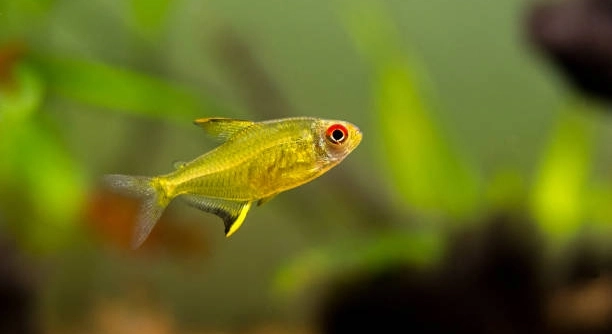
Have you ever wanted to add new lemon tetras to your aquarium but worried about upsetting your current fish? Introducing new fish can be tricky, and taking careful steps helps maintain a peaceful, healthy environment for everyone.
The safest method to introduce new lemon tetras is by quarantining them for at least two weeks before adding them to your main tank. Gradual acclimation, monitoring water conditions, and observing behavior reduces stress and prevents disease transmission.
Following these steps ensures your aquarium remains calm and healthy, making it easier for all your fish to adjust and thrive together.
Preparing Your Tank for New Lemon Tetras
Before adding new lemon tetras, it is important to ensure your tank is ready. Clean the tank thoroughly and perform a partial water change to keep water parameters stable. Check the temperature, pH, and hardness to match the needs of your tetras. Arrange hiding spots such as plants, rocks, or decorations, which help reduce stress for both new and existing fish. Avoid overfeeding for a few days before introduction to keep water quality high. Turn off bright lights temporarily, as dimmer lighting makes fish feel safer while adjusting. Observe the existing fish for any signs of aggression, as some may need time to get used to newcomers. Remove any sick or weak fish from the main tank to prevent health risks. Slowly introduce the new lemon tetras after the tank conditions are stable, ensuring a smoother adjustment.
Gradual acclimation reduces stress for all fish and helps prevent sudden health problems.
Keeping a calm environment and stable water conditions is key. By adding hiding spaces and matching water parameters, you allow new lemon tetras to adjust naturally. Watching the fish closely for the first few days helps you spot early signs of stress or aggression, letting you act before problems escalate. Feeding smaller meals during this time keeps water clean and provides a sense of routine. Avoid moving decorations too often, as stability helps reduce tension among fish. With patience, the tetras will start exploring, interact with tank mates, and establish their place, resulting in a healthy and balanced aquarium.
Acclimating New Lemon Tetras
Place the new tetras in a separate container with tank water for about 15-20 minutes to adjust to temperature differences.
Add small amounts of your tank water into the container every 5 minutes. Over an hour, gradually mix tank water with the water the tetras arrived in. This method helps them adjust to pH, temperature, and other water conditions. Avoid pouring the tetras directly into the tank, as sudden changes can shock them. After acclimation, gently release the fish into the main tank, keeping handling minimal. Observe their behavior closely during the first day to ensure they swim normally and do not show signs of stress. Make sure the lights are soft, and offer food in small portions to help them settle. Continue monitoring water quality and fish interactions for the next few days. By following these steps, the lemon tetras are more likely to thrive and integrate smoothly with existing tank mates.
Monitoring Behavior After Introduction
Watch the new lemon tetras closely for the first week. Look for signs of aggression, hiding, or unusual swimming patterns. Early observation helps address problems before they escalate and ensures all fish remain healthy.
During the first few days, some fish may stay near hiding spots or swim cautiously. Gradually, they start exploring the tank and interacting with other tetras. Keep an eye on how they eat, as reduced appetite can indicate stress. If any fish appear aggressive, consider rearranging decorations or temporarily separating individuals. Consistent feeding schedules and maintaining water quality also help fish feel secure and adjust faster.
Pay attention to group behavior. Lemon tetras are social, and observing them helps ensure they form a cohesive school. Intervening early when needed reduces stress and prevents injuries. Healthy, confident fish are more likely to thrive and settle smoothly into the aquarium community.
Maintaining Water Quality
Test the water regularly for ammonia, nitrite, and nitrate levels to ensure it stays safe for all fish.
Stable water parameters are crucial when introducing new fish. Even small changes in pH or temperature can stress tetras. Perform regular partial water changes to remove waste and maintain clarity. Use a reliable filter, but avoid over-cleaning it, as beneficial bacteria are essential for a balanced environment. Removing uneaten food promptly prevents spikes in toxins, and monitoring temperature ensures the tank stays within the ideal range. Keeping plants and decorations clean also contributes to water stability.
Consistent water maintenance prevents health issues and promotes a calmer tank. By monitoring levels and making gradual adjustments, you create a stable environment where lemon tetras can thrive. Regular checks help catch problems early, minimizing stress and ensuring both new and existing fish remain active, healthy, and comfortable in their shared space.
Feeding New Lemon Tetras
Feed small amounts twice a day to avoid overfeeding. Use high-quality flake or micro-pellet food suitable for tetras.
Observe how the new tetras eat. Adjust portion sizes if uneaten food remains, keeping the tank clean and reducing stress for both new and existing fish.
Gradual Integration with Tank Mates
Allow new lemon tetras to mingle slowly with existing fish. Avoid sudden interactions and watch for signs of aggression. Small groups adjust better than introducing many at once.
Recognizing Signs of Stress
Look for clamped fins, hiding, or erratic swimming. These behaviors indicate the tetras are stressed and may need more time to acclimate.
Creating Comfortable Hiding Spots
Provide plants, rocks, or decorations for new tetras to retreat to. Hiding spots help reduce stress, encourage natural behavior, and improve overall tank harmony.
FAQ
How long should I quarantine new lemon tetras?
New lemon tetras should be quarantined for at least two weeks before adding them to your main tank. This period allows you to monitor for signs of illness and prevent the spread of disease to existing fish. Keep the quarantine tank clean and maintain stable water parameters.
Can I add more than one lemon tetra at a time?
Yes, adding a small group of two to four tetras at once is better than introducing them individually. Lemon tetras are social fish, and being in a group reduces stress and helps them feel secure in the new environment.
What is the best way to acclimate them to my tank?
Use the drip or floating acclimation method. Place the bag or container in the tank and gradually add tank water over an hour. Avoid pouring them directly into the tank to prevent shock from sudden changes in temperature or pH.
How can I tell if they are stressed?
Signs of stress include clamped fins, hiding excessively, loss of appetite, or erratic swimming. Observing these behaviors early allows you to adjust water conditions or provide more hiding spaces to help the tetras settle.
What should I feed lemon tetras during their first days?
Offer small portions of high-quality flake or micro-pellet food. Feed two times a day and remove any uneaten food promptly. This reduces water contamination and encourages the new fish to eat without competing too much with established tank mates.
How do I prevent aggression from existing fish?
Introduce new tetras slowly and ensure the tank has plenty of hiding spots. Rearranging decorations can break up established territories. Monitor interactions closely during the first week, separating fish temporarily if aggression becomes a problem.
How often should I test water parameters?
During the first few weeks after introducing new tetras, test water at least twice a week. Check for ammonia, nitrite, nitrate, pH, and temperature to ensure the environment remains stable. Once fish are settled, testing can be reduced to weekly or biweekly.
Can lemon tetras live with other fish species?
Yes, they are generally peaceful and compatible with other small, non-aggressive fish. Avoid larger or territorial species that may stress or attack them. Always research the compatibility of new tank mates before making additions.
What is the ideal tank size for new lemon tetras?
A minimum 20-gallon tank is recommended for a small group. Larger tanks provide more swimming space, reduce territorial disputes, and help maintain stable water conditions, which is essential for their health and comfort.
How long does it take for lemon tetras to fully adjust?
Adjustment usually takes one to two weeks. During this time, they may hide or swim cautiously. Gradual acclimation, stable water, and careful observation ensure they settle safely and begin displaying normal, active behavior.
What are common health issues in new tetras?
Ich, fin rot, and stress-related illnesses are the most common. Quarantining, monitoring behavior, maintaining water quality, and providing proper nutrition help prevent these issues and support long-term health.
Is it necessary to rearrange the tank for new tetras?
Rearranging decorations slightly can reduce aggression from established fish. It disrupts territories, allowing new tetras to explore and settle without immediate conflict. Avoid major changes that may overly stress all fish in the tank.
How can I encourage schooling behavior?
Keep at least four to six lemon tetras together. Open swimming areas and gentle water flow help them swim as a group naturally. Observing their interactions ensures they are comfortable and reduces stress in the tank.
How do I handle emergencies during introduction?
Keep a spare container ready in case a fish becomes sick or aggressive. Promptly remove affected fish and treat water if needed. Quick action prevents problems from spreading and ensures the safety of both new and existing fish.
How important is lighting during the acclimation period?
Dim lighting is helpful at first. Bright lights can stress new tetras, causing them to hide excessively. Gradually returning to normal lighting allows them to explore comfortably while adjusting to the main tank environment.
Introducing new lemon tetras to an aquarium can feel challenging at first, but careful planning makes the process smoother. Preparing the tank is an important step. Ensuring clean water, stable temperature, and appropriate pH levels helps create a safe environment for both new and existing fish. Adding hiding spots with plants or decorations gives the tetras places to retreat when they feel nervous. Observing your current fish for signs of aggression before introducing newcomers also helps prevent problems. A calm, well-prepared tank supports a smoother adjustment and reduces stress for all fish involved.
Acclimation is equally essential. Gradually introducing the new tetras to the tank water allows them to adjust to differences in temperature, pH, and other water conditions. Using a floating or drip method keeps the process slow and controlled. During the first days, small, frequent feedings encourage them to eat while preventing water contamination. Monitoring behavior closely helps identify stress or aggression early. By keeping an eye on swimming patterns, appetite, and social interactions, you can make small adjustments to improve comfort. Patience during this period is key, as lemon tetras may need time to explore their new environment and settle in as part of a group.
Maintaining water quality and observing the fish after introduction is critical for long-term health. Regular testing for ammonia, nitrite, nitrate, and temperature ensures the environment stays stable. Partial water changes help maintain clarity and remove waste, while a proper feeding routine supports overall health. Watching for early signs of illness, such as clamped fins or erratic swimming, allows you to act quickly and prevent bigger problems. Providing social opportunities through small groups and adequate swimming space encourages natural schooling behavior. Following these steps carefully results in a balanced, healthy tank where both new and existing lemon tetras can thrive comfortably.

Hello,
If you enjoy the content that we create, please consider saying a "Thank You!" by leaving a tip.
Every little bit helps us continue crafting quality advice that supports the health, happiness, and well-being of pets around the world, for pets of all shapes, sizes, and species.
We really appreciate the kindness and support that you show us!