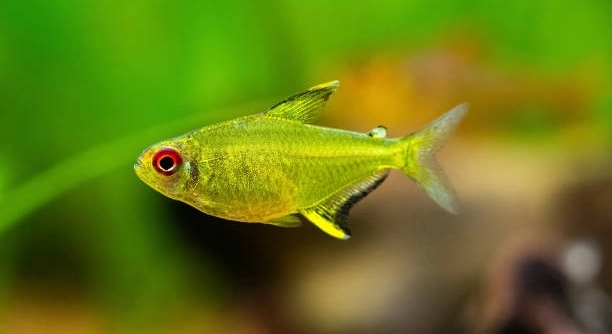
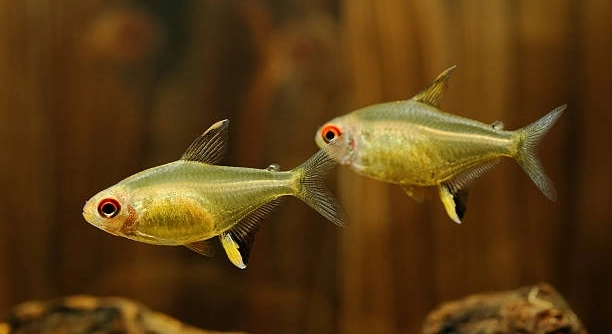
How to Tell If Lemon Tetra Are Sleeping
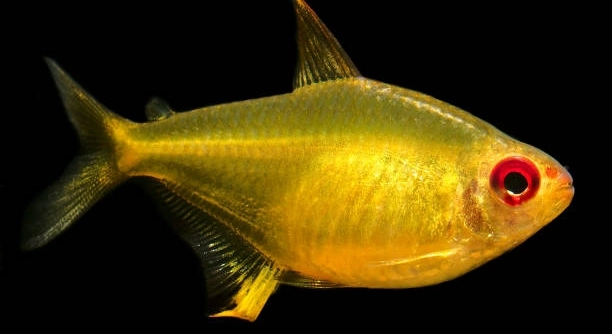
Have you ever watched your lemon tetra settle down in the tank and wondered if they might be resting for the night, even when their tiny bodies still seem active in the gentle aquarium light. Lemon tetra typically show sleep behavior through reduced movement, dimmed coloration, and a calm hovering posture near plants. These subtle … Read more
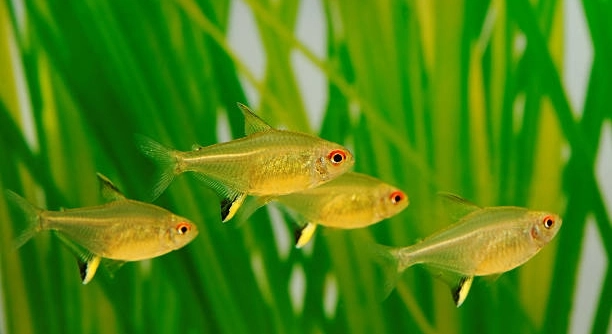
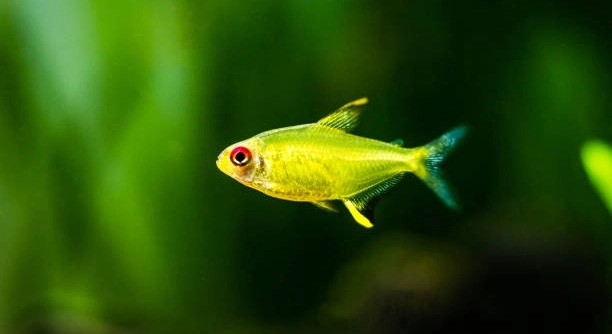
Why Are Lemon Tetra Flaring Their Fins?

Lemon tetras are small, bright fish that often display sudden movements in the tank. Observing their behavior can reveal much about their mood, health, and interaction with other fish in their environment. Their fins may appear strikingly extended. Lemon tetras flare their fins primarily as a form of communication and territorial display. This behavior indicates … Read more

Why Do Lemon Tetra Suddenly Stop Schooling?

Lemon tetras are small, vibrant fish known for their graceful schooling behavior. Watching them move together in harmony adds life and color to any aquarium. Sudden changes in their schooling patterns can be unsettling for aquarium owners. Lemon tetras may stop schooling due to stress, illness, water quality issues, or changes in their environment. Factors … Read more

7 Mistakes New Lemon Tetra Owners Always Make

Lemon tetras are bright, active fish that bring life to any aquarium. Many new owners get excited, but without proper knowledge, small mistakes can quickly affect the health and happiness of these delicate fish. The most common mistakes new lemon tetra owners make include overfeeding, overcrowding, ignoring water quality, inconsistent temperature, lack of hiding spots, … Read more

Why Is My Lemon Tetra Swimming Weird? (+7 Fixes)

Is your lemon tetra swimming in unusual patterns, struggling to maintain balance, or appearing lethargic in the tank? Observing your fish closely is important, as even small changes in swimming behavior can indicate underlying health or environmental issues. Abnormal swimming in lemon tetras is commonly caused by water quality problems, internal parasites, or stress from … Read more

Why Do Lemon Tetra Flick Their Bodies?

Lemon tetras are small, lively fish that brighten up any aquarium. Watching them swim in groups is calming, yet you may notice them flicking their bodies unexpectedly. This behavior often catches the eye of new fish owners. Lemon tetras flick their bodies primarily as a response to stress, irritation, or communication within their group. This … Read more

7 Lighting Mistakes That Upset Lemon Tetra

Do you ever find yourself adjusting the lights in your aquarium but noticing your Lemon Tetra seems uneasy? Proper lighting is more important than many think, and even small mistakes can affect their comfort and behavior. Lemon Tetra are sensitive to lighting conditions, and common mistakes include excessive brightness, uneven illumination, improper photoperiods, and incorrect … Read more

7 Ways to Encourage Natural Lemon Tetra Behavior

Have you ever watched your lemon tetras and hoped to see more of their natural activity and charm in your aquarium setting as they move through plants and gentle currents with their bright energy day. Encouraging natural lemon tetra behavior relies on creating stable water conditions, gentle filtration, varied feeding, shaded planting, and calm surroundings … Read more

7 Ways to Tell Lemon Tetra Apart from Similar Species

Lemon tetras are small, bright fish that brighten up any freshwater aquarium. Many hobbyists enjoy keeping them, but these fish can easily be confused with similar-looking species due to their vibrant colors and active behavior. The key ways to distinguish lemon tetras from similar species involve examining body shape, fin size, coloration patterns, and behavioral … Read more

7 Reasons Your Lemon Tetra Isn’t Eating Lately

Lemon tetras are small, vibrant fish that bring life to any aquarium. Observing them not eat can be worrying, especially when they usually display lively behavior. Appetite changes may signal something important in their care routine. A lack of eating in lemon tetras is commonly caused by water quality issues, stress from overcrowding, sudden diet … Read more