
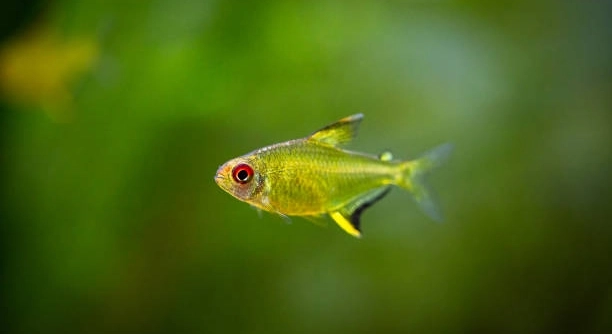
Lemon tetras are bright, active fish that bring life to any aquarium. Many new owners get excited, but without proper knowledge, small mistakes can quickly affect the health and happiness of these delicate fish.
The most common mistakes new lemon tetra owners make include overfeeding, overcrowding, ignoring water quality, inconsistent temperature, lack of hiding spots, improper tank mates, and insufficient acclimation. Each of these errors can cause stress, illness, or shortened lifespan in these sensitive tropical fish.
Learning how to avoid these pitfalls ensures your lemon tetras thrive. A few adjustments can create a balanced, healthy environment for these lively companions.
Overfeeding Your Lemon Tetras
Many new lemon tetra owners want to give their fish plenty of food, thinking it will make them healthier or more active. Overfeeding is one of the easiest mistakes to make because these fish are small and can eat quickly. Too much food can pollute the water, causing ammonia and nitrate levels to rise. This can lead to stress, disease, and even death. Uneaten food also sinks to the bottom, creating bacteria growth that can harm the fish. Feeding small amounts once or twice a day is usually enough. Observing how much they consume in a few minutes helps prevent overfeeding. Remember, a little goes a long way, and maintaining clean water is more important than giving them extra food. Healthy feeding habits promote long-term vitality, better color, and more consistent behavior.
Even small adjustments to portion size can make a significant difference in water quality and fish health.
By carefully monitoring feeding habits, you can avoid overfeeding issues. Using a pinch-sized portion ensures each fish gets enough without leaving leftovers. Rotating foods, like flakes and occasional frozen treats, adds variety while keeping portions manageable. Consistency in timing and amount reduces stress and helps maintain stable water conditions. Observing their behavior after feeding gives insight into how much they need. Overfeeding is preventable, and simple control measures make your tank safer, cleaner, and more enjoyable.
Ignoring Water Quality
Poor water quality can quickly harm lemon tetras. Even minor fluctuations in ammonia, nitrite, or pH levels can cause stress and illness. Maintaining clean, stable water is essential for their survival.
Monitoring water parameters regularly prevents sudden problems.
Lemon tetras thrive in well-maintained tanks with stable conditions. Regular partial water changes, proper filtration, and testing for ammonia, nitrite, nitrate, and pH levels are crucial. Neglecting these steps can lead to fin rot, weakened immunity, or sudden death. Even if the tank looks clean, invisible toxins can accumulate and affect the fish. Avoid overstocking to reduce waste buildup, and always treat new water to remove chlorine or chloramines. Keeping a consistent schedule for maintenance and observing your fish for signs of stress helps ensure long-term health. Clean water not only supports physical health but also enhances their color and activity, creating a vibrant, balanced aquarium environment.
Overcrowding the Tank
Too many lemon tetras in a small tank increases stress and competition for food. Overcrowding reduces oxygen levels and makes waste management harder, leading to poor water quality and increased risk of disease.
Maintaining a proper fish-to-gallon ratio is essential. Lemon tetras need space to swim freely and display natural behavior. Overcrowding can cause aggressive interactions, fin damage, and weaker immune systems. A general guideline is one inch of fish per gallon, but considering swimming needs and filtration capacity is important. Providing hiding spots and plants helps reduce tension, but it cannot fully compensate for too many fish in a limited space.
Careful planning of tank size and population ensures each tetra has room to thrive. Gradually introducing new fish and monitoring their behavior can prevent overcrowding issues. A balanced stocking strategy improves water stability and reduces stress. Regular observation of activity, color, and feeding patterns helps identify early signs of crowding. Ensuring ample swimming space and well-maintained filtration supports overall health, allowing lemon tetras to grow, socialize, and remain vibrant.
Ignoring Tank Acclimation
Lemon tetras are sensitive to sudden changes in temperature or water chemistry. Skipping proper acclimation can shock their system and cause illness or death.
A gradual adjustment period is necessary. Floating the sealed bag in the tank for temperature equalization, then slowly mixing tank water over 30-60 minutes, allows fish to adapt safely. This reduces stress and improves survival rates.
Introducing fish too quickly exposes them to sudden pH shifts, chlorine, or temperature differences, which can lead to lethargy, loss of appetite, or susceptibility to disease. Even minor acclimation steps make a significant difference. Using a drip method or slowly adding small amounts of tank water to the bag over time helps them adjust naturally. Observing behavior during this period ensures they are adapting properly. Proper acclimation promotes a smooth transition, encourages healthy feeding, and supports long-term well-being in their new environment.
Inconsistent Temperature
Lemon tetras are tropical fish that need stable water temperatures. Sudden fluctuations can cause stress, weaken their immune system, and make them more prone to disease. Maintaining a consistent range of 72-78°F is essential for their health.
Using a reliable heater and thermometer helps prevent swings. Avoid placing the tank near drafts or direct sunlight, which can cause rapid temperature changes. Regular monitoring ensures stability, supporting normal activity, feeding, and coloration. Even minor fluctuations over time can have cumulative effects, so consistency is key to keeping your tetras thriving.
Lack of Hiding Spots
Without places to hide, lemon tetras feel exposed and stressed. Plants, rocks, and decorations create a sense of security.
Providing shaded areas and cover reduces stress, encourages natural behavior, and helps fish feel comfortable.
Choosing Incompatible Tank Mates
Lemon tetras do best with peaceful, similarly sized fish. Aggressive or much larger species can bully or eat them, causing stress and injury.
Selecting compatible companions ensures harmony in the tank. Avoid large cichlids or fin-nipping species. Opt for small, calm fish like other tetras, rasboras, or Corydoras. A peaceful environment supports feeding, swimming freely, and maintaining color. Careful observation of interactions during introductions helps prevent conflicts and keeps stress levels low. Proper planning of tank mates fosters a balanced, healthy community where lemon tetras can flourish.
Skipping Regular Maintenance
Neglecting water changes and filter cleaning leads to toxin buildup and poor water conditions. Regular maintenance keeps the tank safe and fish healthy.
FAQ
How often should I feed my lemon tetras?
Feeding small amounts once or twice a day is ideal. Only provide what they can consume in about two minutes to prevent leftover food from polluting the water. Overfeeding leads to waste buildup, stress, and health problems. A mix of high-quality flakes, micro-pellets, and occasional frozen foods works best.
What is the best water temperature for lemon tetras?
Lemon tetras thrive in temperatures between 72°F and 78°F. Sudden changes in temperature can stress the fish, weaken their immune system, and make them more vulnerable to illness. Using a reliable heater and thermometer helps maintain stable conditions. Avoid placing the tank near windows, vents, or drafts.
How large should my tank be for lemon tetras?
A minimum of 20 gallons is recommended for a small school. Lemon tetras are active swimmers and need space to move freely. Overcrowding increases stress, aggression, and waste levels, which can lead to poor water quality and illness.
How many lemon tetras should I keep together?
They are schooling fish and do best in groups of at least six. Small numbers can cause stress and shy behavior. A larger group encourages natural swimming patterns, reduces aggression, and provides a more visually appealing display.
What water parameters are ideal for lemon tetras?
Lemon tetras prefer slightly acidic to neutral water with a pH of 6.5 to 7.5. Ammonia and nitrite levels must remain at zero, while nitrate should stay below 20 ppm. Regular testing and partial water changes help maintain stability. Consistent water quality is key to health and coloration.
Do lemon tetras need hiding spots?
Yes, plants, rocks, and decorations give them a sense of security. Hiding spots reduce stress, encourage natural behaviors, and protect weaker or sick fish from bullying. Both live and artificial plants work, but live plants also improve water quality by absorbing nitrates.
What tank mates are compatible with lemon tetras?
Peaceful, similarly sized fish are ideal. Avoid aggressive or larger species that may nip fins or bully tetras. Suitable companions include other small tetras, rasboras, and Corydoras catfish. Proper planning and observation during introductions prevent conflicts and support a harmonious tank environment.
How do I prevent overfeeding?
Feed only what the fish can eat in a few minutes. Measure portions if necessary. Rotate foods to provide variety while controlling quantities. Observing their behavior after feeding ensures they are eating well without leaving excess food in the tank.
How important is regular maintenance?
Regular water changes, filter cleaning, and substrate vacuuming prevent toxic buildup. Neglecting maintenance can lead to poor water quality, stress, disease, and shorter lifespans. Maintaining a consistent schedule supports overall health, water clarity, and vibrant colors.
Can lemon tetras live in a planted tank?
Yes, planted tanks mimic their natural habitat. Live plants provide hiding spots, improve water quality, and reduce stress. They also enhance visual appeal and support healthier behavior. Choose plants suited to tropical conditions, and maintain proper lighting and nutrients for optimal growth.
How do I acclimate new lemon tetras?
Float the sealed bag in the tank to match temperature. Slowly mix small amounts of tank water into the bag over 30–60 minutes. This reduces stress from sudden changes in water chemistry and temperature, ensuring a safer transition. Observing behavior during acclimation helps detect any early signs of stress or illness.
Why do my lemon tetras lose color?
Fading color often indicates stress, poor water quality, or inadequate diet. Ensure stable water parameters, proper nutrition, and compatible tank mates. Healthy water conditions, balanced feeding, and minimal stress help maintain bright coloration and active behavior over time.
How long do lemon tetras live?
With proper care, lemon tetras can live 3 to 5 years. Consistent feeding, stable water conditions, compatible tank mates, and regular maintenance all contribute to longevity and a thriving, active school.
What should I do if a fish gets sick?
Isolate the affected fish in a quarantine tank. Check water quality and adjust as needed. Treat with appropriate medication based on the specific illness. Early detection and prompt action improve recovery chances and prevent disease from spreading.
Final Thoughts
Caring for lemon tetras can be very rewarding, but it requires attention to detail and consistent effort. These small, lively fish thrive in stable conditions with proper nutrition, clean water, and an environment that allows them to swim freely. Many issues new owners face stem from minor mistakes that can easily be avoided with careful planning. Overfeeding, overcrowding, ignoring water quality, skipping acclimation, and choosing incompatible tank mates are common challenges. Each of these factors directly affects the health and longevity of the fish. Taking the time to understand their needs and following a structured care routine can make a significant difference. Observing their behavior regularly and adjusting care based on their response ensures they remain active and colorful. Lemon tetras are sensitive, and small changes in the tank environment can have big effects, so proactive maintenance is essential.
Providing the right tank setup is crucial for their well-being. A stable temperature between 72°F and 78°F, a properly filtered tank, and consistent water testing create a safe habitat. Incorporating plants, hiding spots, and open swimming areas supports their natural behavior and reduces stress. A balanced diet with high-quality flakes, micro-pellets, and occasional frozen foods keeps them healthy and vibrant. Limiting feeding to only what they can eat in a few minutes prevents water pollution and related health problems. Regular water changes, partial substrate cleaning, and careful monitoring of water parameters are important steps that keep the tank stable. Even minor adjustments in daily care can have a positive impact on the overall environment, helping your tetras thrive over the long term.
Understanding the nature of lemon tetras and their specific needs makes ownership more manageable and enjoyable. They are peaceful, schooling fish that show their best colors and behavior when kept in proper conditions. Avoiding common mistakes such as overfeeding, overcrowding, ignoring tank maintenance, and skipping acclimation improves their health and lifespan. Choosing compatible tank mates and providing adequate hiding spaces reduces stress and supports natural social interactions. By being attentive to water quality, temperature stability, and daily care routines, you can create a harmonious environment that promotes their well-being. Consistency in care, combined with careful observation, allows lemon tetras to flourish. With patience and dedication, these vibrant fish can become a lively and rewarding addition to your aquarium, offering both beauty and activity for years to come.

Hello,
If you enjoy the content that we create, please consider saying a "Thank You!" by leaving a tip.
Every little bit helps us continue crafting quality advice that supports the health, happiness, and well-being of pets around the world, for pets of all shapes, sizes, and species.
We really appreciate the kindness and support that you show us!