
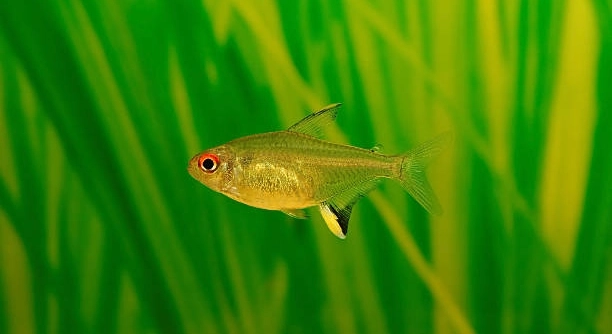
Is your lemon tetra swimming in unusual patterns, struggling to maintain balance, or appearing lethargic in the tank? Observing your fish closely is important, as even small changes in swimming behavior can indicate underlying health or environmental issues.
Abnormal swimming in lemon tetras is commonly caused by water quality problems, internal parasites, or stress from tank conditions. Ensuring proper water parameters, regular maintenance, and a stable environment can effectively prevent and correct irregular swimming behaviors in this species.
Addressing these issues early can restore your fish’s normal movement and improve overall health, creating a calmer and more balanced aquarium environment.
Common Causes of Weird Swimming in Lemon Tetras
Lemon tetras often swim strangely due to stress, illness, or poor water conditions. Sudden changes in temperature or pH can disrupt their normal behavior. Overcrowding and aggressive tankmates can also cause anxiety, making them dart or hover unnaturally. Parasites or bacterial infections are other common reasons, sometimes causing twisting, spinning, or upside-down swimming. Nutrition plays a role as well; a diet lacking in variety or essential nutrients can weaken their body, affecting balance and coordination. Observing patterns in their behavior and checking the tank environment carefully can help identify what might be wrong. Ensuring consistent conditions, such as stable temperature, proper filtration, and a clean tank, usually reduces abnormal swimming. Regular monitoring and early intervention are key to preventing minor issues from becoming serious health problems. Understanding these factors makes it easier to create a calm and healthy environment for lemon tetras, supporting their natural behavior.
Proper tank maintenance is essential to avoid stress and illness, keeping your fish healthy and active.
Maintaining water quality includes checking ammonia, nitrite, and nitrate levels weekly. Regular partial water changes of twenty to thirty percent prevent toxins from building up. Adding live plants can help stabilize the environment and provide hiding spots. Feeding a varied diet with high-quality flakes or frozen foods supports overall health. Avoid sudden temperature shifts and keep compatible tankmates to reduce stress. Observing your lemon tetras daily allows you to catch early signs of illness or behavioral issues, which is crucial for timely intervention and recovery. Small adjustments in tank care often lead to noticeable improvements in swimming behavior.
Water Parameters and Their Effect on Swimming
Water conditions directly impact a lemon tetra’s swimming behavior. Unstable pH, high ammonia, or sudden temperature changes can make them swim erratically or hang near the surface. Proper monitoring helps maintain a calm tank environment.
Testing water weekly and adjusting as needed keeps conditions stable. Tetras thrive in slightly acidic, soft water with temperatures between 74°F and 80°F. Use a reliable heater and thermometer to avoid fluctuations. Filtration is essential, but avoid strong currents that can exhaust your fish. Cleaning the tank regularly and replacing part of the water helps remove waste and prevent bacterial growth. Observing fish after changes in water conditions allows you to see if behavior improves. Balanced water parameters support natural swimming patterns, reduce stress, and prevent common illnesses. This careful attention ensures your lemon tetras remain active, healthy, and show off their vibrant colors consistently. Proper water management is one of the simplest ways to maintain a stable and happy aquarium.
Diet and Nutrition
A poor diet can affect a lemon tetra’s swimming. Lack of essential nutrients may lead to weakness, slower movements, or unusual patterns. Providing a balanced diet helps maintain energy and coordination.
Feeding high-quality flake food enriched with vitamins and minerals supports overall health. Including frozen or live foods, such as brine shrimp or daphnia, adds protein and variety, which can improve muscle strength and activity levels. Avoid overfeeding, as excess food can pollute the tank and stress the fish. Observing how your tetras react to different foods helps identify preferences and ensures they receive proper nutrition. A consistent feeding schedule also promotes predictable behavior and energy levels.
Vitamins like A, C, and D are crucial for immune system function and cellular repair. Insufficient nutrients can make fish more susceptible to infections, which in turn affect swimming. Proper portion sizes prevent obesity and digestive issues that can cause floating or sinking problems. Variety in diet also stimulates natural foraging behavior, keeping tetras engaged and active. Ensuring they get the right nutrition reduces erratic swimming and supports long-term health.
Tankmates and Environment
Aggressive or incompatible tankmates can stress lemon tetras, affecting their swimming patterns. Crowded or unstructured tanks increase anxiety and irregular movements.
Providing enough space with hiding spots reduces stress and encourages normal behavior. Tetras do well in groups of at least six, which helps them feel secure. Avoid mixing with large, aggressive fish that may chase or nip them. Decorations, plants, and driftwood offer shelter, helping shy fish navigate the tank confidently. Maintaining a calm environment with moderate lighting supports natural swimming and social interactions.
Stress from tankmates can suppress appetite and energy, leading to erratic movements or lethargy. Establishing clear territory zones prevents constant chasing and ensures each fish feels safe. Observing interactions during feeding and general swimming highlights any conflicts. Adjusting the number or type of tankmates, rearranging decorations, or adding plants can significantly reduce tension. A well-organized tank promotes stable swimming patterns, encourages social cohesion, and minimizes stress-related behaviors that compromise the health and happiness of your lemon tetras.
Illness and Parasites
Illnesses or parasites can make lemon tetras swim erratically or struggle to maintain balance. Symptoms often include clamped fins, faded color, or rubbing against objects. Early detection helps prevent serious health problems and restores normal behavior quickly.
Quarantining new fish and observing them for signs of disease protects your main tank. Treatments like antiparasitic or antibacterial medications may be necessary depending on the condition. Maintaining clean water and a balanced diet supports the immune system, helping prevent recurring infections. Regular observation allows you to catch issues before they escalate, keeping your tetras healthy and active.
Water Temperature
Stable water temperature is essential for lemon tetras. Sudden changes can shock them, leading to erratic swimming and stress. Consistent heating helps maintain energy and normal behavior.
Stress Factors
Stress from sudden changes, loud noises, or aggressive tankmates can impact swimming. Reducing stress improves movement and overall health. Regular monitoring and maintaining a calm environment ensures tetras swim naturally.
FAQ
Why is my lemon tetra swimming upside down?
Upside-down swimming usually indicates swim bladder issues, which can result from overfeeding, constipation, or infection. Feeding smaller portions and adding fiber-rich foods like blanched peas often helps. Maintaining clean water and proper tank conditions also reduces the risk of swim bladder problems.
Why does my lemon tetra dart around the tank?
Rapid darting is often caused by stress. Common triggers include aggressive tankmates, sudden water changes, or strong currents. Ensuring a stable environment with hiding spots and compatible tankmates can calm your fish. Regular monitoring and gentle adjustments in tank conditions reduce erratic movements over time.
Why is my lemon tetra hovering near the surface?
Hovering near the surface often signals low oxygen levels or poor water quality. Check the filter, increase aeration, and ensure water parameters are within safe ranges. Correcting these issues usually helps fish return to normal swimming patterns.
Why is my lemon tetra swimming in circles?
Circling can be caused by parasites, infections, or neurological issues. Inspect your fish for visible signs like spots, swelling, or fin damage. Treating infections promptly with appropriate medication and maintaining clean water often restores normal swimming.
Can poor diet affect swimming behavior?
Yes. A diet lacking in essential nutrients can weaken muscles and impair coordination. Feed a variety of high-quality flake, frozen, or live foods. Providing proper portions and a balanced diet supports energy, muscle strength, and natural swimming patterns.
How do tankmates influence swimming?
Aggressive or incompatible fish can stress lemon tetras, causing erratic swimming or hiding. Keeping tetras in groups of six or more, providing sufficient space, and choosing calm tankmates encourages natural behavior and reduces stress-related issues.
What water parameters are ideal for lemon tetras?
Lemon tetras prefer slightly acidic, soft water with a temperature between 74°F and 80°F. Ammonia and nitrite should be at zero, and nitrates kept low. Stable conditions prevent stress and abnormal swimming, promoting overall health and activity.
How can I prevent swim bladder issues?
Feed smaller meals, soak dry food, and include fiber-rich foods. Maintain clean water and avoid sudden changes in temperature or water quality. Observing your fish regularly helps catch early signs of swim bladder problems before they worsen.
Can stress from decorations or tank setup affect swimming?
Yes. Crowded tanks, sudden rearrangements, or insufficient hiding spots increase anxiety, leading to unusual movements. Providing plants, driftwood, and adequate swimming space helps tetras feel secure and swim normally.
When should I use medication for swimming issues?
Medication is necessary if signs of infection, parasites, or bacterial disease appear, such as faded color, spots, or lethargy. Always follow instructions carefully and continue regular water maintenance to support recovery.
Why does my lemon tetra swim along the glass?
Swimming along the glass can indicate stress, boredom, or searching for food. Ensuring proper tank enrichment, consistent feeding, and compatible tankmates reduces this behavior. Monitoring water quality and health also helps prevent underlying issues.
How quickly should swimming behavior improve after adjustments?
Improvement depends on the cause. Minor stress or water issues may resolve within hours or days, while illness or parasites may take longer with proper treatment. Regular observation ensures timely intervention if behavior does not improve.
Can temperature fluctuations cause erratic swimming?
Yes. Lemon tetras are sensitive to sudden temperature changes, which can shock them and affect movement. Use a reliable heater and monitor water temperature consistently to maintain a stable environment.
Is it normal for lemon tetras to swim near the bottom?
Occasional bottom swimming is normal, especially during feeding or resting. Persistent bottom-dwelling can indicate stress, illness, or poor water conditions. Observing patterns and maintaining a healthy tank ensures normal swimming behavior.
Do lemon tetras need a specific group size for stable swimming?
Yes. Lemon tetras are schooling fish and feel secure in groups of six or more. Smaller groups may display anxiety, resulting in erratic or unusual swimming patterns. Proper group size promotes natural movement and reduces stress.
How does lighting affect swimming behavior?
Harsh or inconsistent lighting can stress fish and impact swimming. Soft, consistent lighting helps maintain regular activity, supports natural rhythms, and reduces erratic or hiding behaviors. Adjusting light duration and intensity can improve overall tank dynamics.
Can water changes trigger swimming problems?
Rapid or large water changes can shock fish, causing abnormal swimming. Partial, gradual water changes of twenty to thirty percent are safer and maintain water stability, minimizing stress and supporting healthy behavior.
What signs indicate serious health issues affecting swimming?
Persistent upside-down swimming, spiraling, faded color, clamped fins, or lethargy can indicate serious illness. Prompt treatment, water maintenance, and sometimes professional advice are necessary to prevent mortality.
How often should I observe my lemon tetras?
Daily observation helps detect changes in swimming patterns early. Watching behavior, feeding response, and interaction with tankmates ensures timely adjustments, maintaining a healthy and active aquarium environment.
Can overfeeding cause swimming problems?
Yes. Overfeeding can lead to bloating, constipation, or swim bladder issues, affecting balance. Feed small, controlled portions and remove uneaten food promptly to maintain both water quality and healthy swimming behavior.
How do I differentiate between stress and illness in swimming behavior?
Stress-related swimming is often temporary, triggered by environmental changes or aggressive tankmates, and improves with adjustments. Illness may include physical symptoms like spots, swelling, or color changes and usually requires treatment alongside environmental care.
Are some lemon tetras more prone to swimming issues?
Young, weak, or recently transported fish are more vulnerable to stress, illness, or water changes. Providing stable conditions, proper nutrition, and observation during acclimation reduces the risk of swimming abnormalities.
Can tank size impact swimming patterns?
Yes. Small tanks limit space and can cause stress, leading to erratic movements. Providing sufficient room, hiding spots, and vertical swimming areas encourages natural behavior and reduces anxiety-related swimming problems.
Is it necessary to separate affected fish?
If illness or parasites are suspected, quarantining affected fish prevents spread and allows focused treatment. A separate tank helps recovery and protects healthy tankmates while maintaining normal swimming in the main aquarium.
How long does it take for tetras to recover normal swimming?
Recovery depends on the cause. Minor stress or water corrections may take hours or days. Illness or swim bladder issues may require one to two weeks of treatment and monitoring before swimming fully normalizes.
Can decorations or plants improve swimming behavior?
Yes. Plants, driftwood, and hiding spots provide security, reduce stress, and encourage natural exploration. Properly arranged decorations prevent overcrowding while allowing free movement and calm, predictable swimming patterns.
What routine care supports healthy swimming?
Consistent water testing, partial water changes, balanced feeding, and observing behavior daily ensure tetras maintain natural swimming. Adjusting tankmates and environment when necessary prevents stress and supports overall health and activity.
Are there signs that indicate immediate intervention is needed?
Severe lethargy, upside-down swimming, spiraling, clamped fins, or sudden color changes require prompt attention. Early action prevents deterioration and improves chances of full recovery.
Can stress from loud noises or vibrations affect swimming?
Yes. Frequent disturbances like loud noises, tapping on the glass, or strong vibrations can make lemon tetras swim erratically. Placing the tank in a quiet, stable location helps maintain calm behavior.
How do I balance all factors to improve swimming?
Maintaining clean water, stable temperature, proper nutrition, suitable tankmates, and enriched environment ensures lemon tetras swim naturally. Observing daily and adjusting care routines as needed promotes overall health, reduces stress, and prevents abnormal swimming patterns.
Do all lemon tetras react the same to changes?
Individual fish may vary in sensitivity. Some adapt quickly, while others display stress or swimming problems. Monitoring each fish ensures timely intervention and tailored care for the whole group.
Can swimming issues recur?
Yes. If water quality, diet, or tank conditions decline, swimming problems may return. Regular maintenance, monitoring, and proactive care prevent recurring issues and support long-term fish health.
How do I know if my interventions are working?
Improved swimming patterns, normal schooling behavior, and increased activity indicate successful intervention. Regular observation allows adjustments to diet, tank conditions, or treatment until behavior stabilizes.
Are some swimming issues permanent?
Severe injury, chronic illness, or genetic defects can cause permanent abnormalities. While many issues are reversible, ongoing observation and care help maintain the best possible quality of life for affected fish.
Can I prevent most swimming problems?
Yes. Stable water parameters, proper nutrition, compatible tankmates, and a stress-free environment prevent most swimming problems. Consistent care and monitoring reduce health risks and support natural, active behavior.
What is the most important factor for healthy swimming?
Stable water quality, proper diet, and minimal stress are the most important factors. Maintaining these consistently ensures lemon tetras remain active, coordinated, and display normal swimming patterns.
How does age affect swimming behavior?
Young tetras may be more sensitive to stress and water changes, while older fish may develop slower movements. Adjusting care to life stage supports proper swimming and overall health.
Can adding more tetras improve swimming behavior?
Yes. Lemon tetras are schooling fish. Increasing group size to at least six promotes security, reduces stress, and encourages natural synchronized swimming, improving overall behavior in the tank.
How do I monitor swimming without stressing fish?
Observe from a distance during feeding or normal activity. Avoid tapping or sudden movements. Calm observation allows you to detect abnormalities while maintaining a stress-free environment.
Does tank cleanliness directly affect swimming?
Yes. Accumulated waste, uneaten food, and poor filtration increase toxins, causing stress and erratic swimming. Regular cleaning and partial water changes maintain safe conditions and promote natural movement.
Can medication affect swimming temporarily?
Some treatments may cause mild changes in activity. Observing behavior and following proper dosage ensures recovery without additional stress. Balancing treatment with environmental care supports a return to normal swimming.
How do I know if behavior is temporary or chronic?
Temporary changes usually resolve after correcting water, diet, or stress factors. Chronic issues persist despite adjustments, indicating illness, injury, or genetic factors requiring targeted care.
What role does aquarium layout play in swimming?
Open swimming space, hiding spots, and proper flow reduce stress and encourage natural patterns. Poor layout can lead to collisions, fear, and erratic swimming, impacting health.
Are there signs of overfeeding affecting swimming?
Bloating, sluggish movement, or floating problems indicate overfeeding. Feeding smaller portions, removing excess food, and maintaining water quality prevents these swimming issues.
Can sudden light changes impact swimming?
Yes. Bright or sudden light can stress tetras, causing erratic or hiding behavior. Soft, consistent lighting supports calm, natural swimming patterns.
How long should I observe after making changes?
Observe for several days to weeks, depending on the issue. Monitoring allows you to evaluate improvements, adjust care, and ensure tetras regain stable swimming patterns.
Is quarantine necessary for all new fish?
Yes. Quarantining prevents the spread of disease and parasites, protecting the main tank and maintaining normal swimming for established fish.
Can illness spread quickly in a tetra tank?
Yes. High density, poor water quality, and lack of quarantine increase transmission risk. Early detection and treatment minimize spread and swimming disturbances.
Do all lemon tetras recover fully from swimming issues?
Most recover if treated promptly and conditions are improved. Severe illness, injury, or chronic issues may result in partial recovery, but proper care maximizes their health and activity.
How important is observation compared to medication?
Observation is equally important. Catching problems early through monitoring ensures medication or environmental adjustments are applied effectively, leading to faster recovery and restored swimming patterns.
Can tank temperature differences between day and night cause problems?
Yes. Large fluctuations can stress tetras, affecting swimming and feeding. Using a reliable heater and maintaining gradual changes prevents abnormal movements.
How can I tell if swimming issues are diet-related or health-related?
Diet-related issues improve after feeding changes or portion adjustments. Health-related issues persist despite proper nutrition and may require treatment or environmental changes.
Do decorations need to be adjusted for stressed fish?
Yes. Adding or rearranging plants, hiding spots, and open swimming areas reduces stress, improves movement, and encourages natural behavior.
How do I balance feeding and water quality?
Feed small portions, remove uneaten food, and perform regular water changes. This prevents pollution while ensuring proper nutrition for healthy swimming.
Are there signs of stress that precede swimming problems?
Hiding, clamped fins, color fading, and reduced feeding often appear before erratic swimming. Observing these signs allows early intervention to prevent further issues.
How do I prioritize interventions for multiple causes?
Address water quality first, followed by diet, tankmates, and environmental enrichment. Observing responses helps determine if further steps are needed for recovery and healthy swimming.
Can stress from handling affect swimming?
Yes. Frequent or rough handling shocks fish, causing temporary swimming issues. Minimize handling and maintain gentle care routines to reduce stress.
What is the role of schooling in swimming behavior?
Schooling provides security, encourages coordinated swimming, and reduces stress. Inadequate group size can lead to erratic movements and anxiety-related behavior.
Are there environmental signs that predict swimming issues?
High ammonia, nitrite, nitrate, fluctuating temperature, and strong currents often precede abnormal swimming. Monitoring these factors prevents issues before they manifest.
Do lemon tetras need enrichment for proper swimming?
Yes. Plants, driftwood, and open areas promote natural movement, reduce stress, and encourage exploration, improving swimming patterns.
Can sudden changes in tankmates trigger swimming problems?
Yes. Adding aggressive or incompatible fish can stress tetras, causing hiding, darting, or unusual swimming. Proper planning and gradual introductions prevent issues.
How do I know if medication is working?
Behavior improvement, return to normal swimming, and restored appetite indicate effective treatment. Continued monitoring ensures full recovery.
Is it normal for tetras to swim alone sometimes?
Occasional separation can happen, but prolonged isolation may indicate stress or illness. Ensuring schooling and a secure environment supports normal swimming.
What long-term habits prevent swimming issues?
Consistent water maintenance, proper feeding, compatible tankmates, and enriched environment prevent most problems. Regular observation and early intervention keep tetras healthy and active.
Can temperature, diet, and stress combine to affect swimming?
Yes. Multiple stressors amplify effects on swimming. Addressing all factors together provides the best chance for recovery and stable behavior.
How do I track improvements effectively?
Keep notes on behavior, feeding, and water conditions. Comparing daily observations highlights progress, helping identify effective interventions.
Can some swimming problems be seasonal?
Temperature fluctuations and lighting changes may temporarily affect behavior. Maintaining stability reduces seasonal impacts.
Are all abnormal swimming behaviors reversible?
Many are reversible with proper care, but chronic illness or injury may cause permanent changes. Early intervention maximizes recovery.
What is the first step when noticing swimming issues?
Check water parameters, observe behavior, and identify potential stressors. Correcting environmental issues often resolves minor problems before they escalate.
How do I prevent recurring swimming issues?
Maintain stable water, proper diet, compatible tankmates, and low-stress environment. Regular observation ensures early detection and long-term health.
Can I rely on observation alone?
Observation is critical but should be paired with water testing, proper feeding, and environmental adjustments. Combined care ensures healthy swimming and overall well-being.
Are some lemon tetras more sensitive than others?
Yes. Newly acquired, young, or previously stressed fish are more prone to swimming problems. Extra care during acclimation helps prevent issues.
How long should a quarantine last for new fish?
Two to four weeks is standard. Observing behavior and health during this period ensures safe introduction without spreading disease.
Can swimming problems indicate tank-wide issues?
Yes. If multiple fish show abnormal swimming, water quality or tank conditions are likely affecting the group. Correcting the environment benefits all inhabitants.
What daily routines support stable swimming behavior?
Observe fish, check water, maintain feeding schedule, and monitor interactions. Consistent routines help identify issues early and prevent stress-related swimming problems.
How do I know if a fish is permanently affected?
Persistent abnormal swimming despite proper care, treatment, and environmental adjustments may indicate permanent damage or chronic illness. Professional advice may be needed.
Can stress from moving or transport affect swimming?
Yes. Sudden transport, handling, or relocation can shock fish. Gradual acclimation and minimal handling support faster recovery and stable swimming.
How important is group cohesion for swimming?
Strong schooling behavior improves confidence, reduces stress, and encourages natural movement. Weak or fragmented groups may swim erratically or hide frequently.
Are there signs that indicate the tank setup needs change?
Erratic swimming, frequent hiding, or aggression often signal adjustments are needed. Rearranging decorations or increasing space can improve behavior.
Can diet alone fix swimming problems?
Diet helps, but most issues require combined care: water quality, stress reduction, and compatible tankmates alongside proper nutrition for lasting improvement.
How do I adjust care for older tetras?
Older fish may move slower and be more sensitive to water changes. Provide stable conditions, gentle care, and observe feeding and swimming closely.
Can minor swimming irregularities resolve without intervention?
Yes, temporary stress or mild water changes can cause brief irregular swimming. Observing fish for a few hours or days usually shows if intervention is needed.
How do I balance multiple factors affecting swimming?
Check water, diet, tankmates, and environment systematically. Address the most critical issues first, then monitor improvements. A balanced approach ensures recovery and long-term stability.
Are there signs that indicate successful recovery?
Normal schooling, steady swimming, bright colors, and consistent feeding show recovery. Continued observation ensures lasting health and proper behavior.
Can environmental enrichment prevent swimming problems?
Yes. Plants, hiding spots, and open swimming space reduce stress, encourage exploration, and support coordinated swimming in lemon tetras.
How often should I test water to prevent swimming issues?
Weekly testing of ammonia, nitrite, nitrate, and pH ensures stable conditions. Regular checks prevent stress and abnormal swimming behaviors.
Is overstocking a common cause of swimming problems?
Yes. Overcrowding causes stress, aggression, and limited space, leading to erratic swimming. Proper stocking density supports natural movement and reduces conflict.
Can changing tank decor affect swimming immediately?
Yes. Sudden rearrangement can stress fish. Gradual changes and providing hiding spots allow adaptation and maintain normal swimming behavior.
**Are there behavioral signs that indicate diet
Final Thoughts
Lemon tetras are delicate, small fish that thrive in stable, well-maintained environments. Their swimming behavior often reflects the overall health of the tank, making observation an important part of care. Abnormal movements, such as swimming upside down, darting, or circling, are usually signs of stress, illness, or environmental issues. Water quality, diet, temperature, and tankmates all play significant roles in how your tetras behave. Even minor changes in pH, temperature fluctuations, or ammonia levels can lead to erratic swimming. Maintaining clean, filtered water and monitoring levels regularly helps prevent many common problems. Consistent care and attention allow you to identify issues early, improving the chances of quick recovery and long-term health.
Nutrition is a key factor in supporting healthy swimming patterns. A balanced diet that includes high-quality flake food, frozen or live protein sources, and occasional fiber-rich treats strengthens muscles and improves coordination. Overfeeding or an unbalanced diet can lead to swim bladder issues, bloating, or lethargy, affecting normal movement. Feeding smaller portions several times a day, removing uneaten food, and observing how your tetras respond to different foods ensures they receive proper nutrition without compromising water quality. Variety in diet also encourages natural foraging behavior, keeps fish active, and supports their immune system. Strong, healthy fish are less likely to show signs of stress and more likely to swim naturally and confidently throughout the tank.
Tank environment and social dynamics also significantly influence swimming behavior. Lemon tetras are schooling fish and feel most secure in groups of six or more. Overcrowding, aggressive tankmates, or insufficient hiding spaces can cause anxiety, leading to unusual swimming patterns. Providing plants, driftwood, and open swimming areas helps fish feel safe and encourages natural movement. Temperature stability is equally important, as sudden changes can shock tetras and lead to abnormal swimming. Stress reduction, consistent lighting, and a calm, stable tank setup all contribute to a comfortable environment. By focusing on water quality, nutrition, and environmental factors, you can create a space where lemon tetras swim naturally, display vibrant colors, and enjoy a long, healthy life. Careful observation, patience, and attention to detail make all the difference in maintaining a thriving, active aquarium.

Hello,
If you enjoy the content that we create, please consider saying a "Thank You!" by leaving a tip.
Every little bit helps us continue crafting quality advice that supports the health, happiness, and well-being of pets around the world, for pets of all shapes, sizes, and species.
We really appreciate the kindness and support that you show us!