
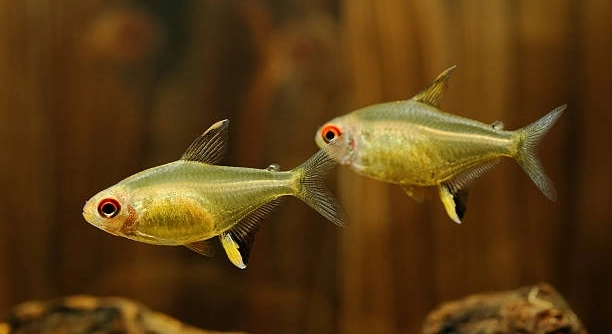
Lemon tetras are small, bright fish that brighten up any freshwater aquarium. Many hobbyists enjoy keeping them, but these fish can easily be confused with similar-looking species due to their vibrant colors and active behavior.
The key ways to distinguish lemon tetras from similar species involve examining body shape, fin size, coloration patterns, and behavioral traits. Careful observation of these characteristics allows aquarists to accurately identify lemon tetras and avoid misidentification in their aquariums.
Recognizing these differences ensures your tank remains healthy and visually appealing, making fishkeeping more rewarding and manageable for enthusiasts.
Body Shape and Size
Lemon tetras are small, slender fish, typically growing to about 1.5 inches in length. Their bodies are slightly compressed laterally, giving them a sleek, streamlined appearance. When compared with similar species like the glowlight tetra, lemon tetras have a slightly more rounded head and a less elongated body. Observing the body proportions carefully helps to differentiate them. Young lemon tetras may appear less vivid in color, but their body shape is consistent, making it a reliable feature for identification. The size of the dorsal and anal fins also contributes to their distinct profile. While many tetras share a similar general silhouette, minor differences in length, depth, and fin placement are key for accurate recognition. Even minor observations like the tapering of the body toward the tail can make a difference. Paying attention to these details allows for confident identification without relying on color alone.
Body shape, size, and fin proportions remain primary identifiers for distinguishing lemon tetras. Accurate measurement and comparison with reference species aid in proper recognition.
Recognizing these features early can prevent accidental mixing with other small tetras. Consistent observation over time improves accuracy and helps maintain a harmonious tank environment.
Coloration Patterns
Lemon tetras have a distinct yellow hue along their bodies, which can vary in intensity depending on lighting and diet.
The yellow body is complemented by a subtle silver shimmer and transparent fins. Some similar species may have brighter or more orange tones, but lemon tetras maintain a consistent pale yellow. Their lateral line is faint but visible, running along the length of the body. Under aquarium lighting, their color can appear more vibrant, making the yellow tone a reliable identification feature. Unlike species with bright red or neon streaks, lemon tetras rely on soft coloration rather than dramatic highlights. The subtle contrast between the yellow body and transparent fins helps distinguish them from glowlight or ember tetras. Additionally, stress or water conditions may slightly dull their colors, so observing healthy individuals provides the best reference. For hobbyists keeping multiple tetra species, focusing on this gentle yellow tone is an effective strategy. The combination of pale yellow and slight silver shimmer provides a balance that is unique to lemon tetras.
Proper understanding of their coloration helps maintain visual harmony in mixed-species tanks while ensuring accurate species recognition.
Fin Shape and Placement
Lemon tetras have small, triangular dorsal fins and slightly forked tails. Their fins are mostly transparent with faint yellow highlights. The placement of the fins is even along the body, with the dorsal fin positioned near the middle, helping distinguish them from similar species.
The dorsal fin of lemon tetras is proportionate to their body size and usually has a subtle curve at the tip. Pectoral fins are small and almost invisible when the fish is swimming calmly. Anal fins are elongated and run parallel to the body’s underside. The caudal fin is slightly forked, giving the fish smooth movement. In comparison, other tetras like ember tetras may have shorter dorsal fins or more rounded tails, making fin shape a practical way to identify species in mixed tanks. Observing fin positioning while the fish is active provides the clearest view of these characteristics.
Careful attention to the fin shape, size, and placement ensures proper identification. Differences that may seem minor can prevent accidental misclassification. Fin condition also reflects overall health, which helps monitor tank well-being.
Behavioral Traits
Lemon tetras are peaceful, schooling fish that move in synchronized groups of six or more. Their calm swimming style is less erratic than that of some similar species.
They tend to hover mid-water, exploring the aquarium slowly and avoiding sudden bursts of speed unless startled. Unlike more active or aggressive tetras, lemon tetras rarely chase other fish or display dominance behaviors. Their schooling pattern is tight but not overly compact, which makes them easy to observe in a community tank. When kept with more energetic tetras, lemon tetras may momentarily follow the group but typically return to a steady rhythm. Observing how they interact with tankmates and respond to feeding provides additional clues for identification. Their temperament and group movement are as consistent as physical traits, making behavior a useful factor. Monitoring these traits over time allows aquarists to distinguish lemon tetras from look-alikes effectively.
Eye Color and Markings
Lemon tetras have small, round eyes with a dark pupil and a subtle golden ring around the iris. This feature is consistent and can help differentiate them from similar species with more prominent or reddish eyes.
The area around the eyes is smooth and blends seamlessly into the yellow body. Unlike other tetras that may have bright red or orange eyes, the lemon tetra’s eye coloration remains soft and muted. Observing this subtle golden hue can be an easy way to spot them in a mixed tank without relying on body color alone.
Tail and Caudal Fin
The caudal fin of lemon tetras is slightly forked and mostly transparent with faint yellow shading. The forked shape aids in smooth swimming and distinguishes them from species with rounded or squared tails.
Lateral Line Visibility
Lemon tetras have a faint lateral line that runs along the body’s midsection. It is subtle but noticeable under good lighting, providing another identifying characteristic for the species.
FAQ
How can I tell a lemon tetra from an ember tetra?
Lemon tetras are slightly larger, usually around 1.5 inches, while ember tetras stay closer to 1 inch. The lemon tetra has a pale yellow body with a subtle silver shimmer, whereas ember tetras are bright orange-red overall. Fin shapes also differ: lemon tetras have a slightly forked tail and proportionate dorsal fin, while ember tetras have shorter, rounder fins. Observing their schooling patterns helps as well; lemon tetras swim calmly in loose groups, while ember tetras are more energetic and move quickly in tighter schools.
Do lemon tetras change color over time?
Yes, their coloration can shift slightly depending on diet, lighting, and stress. In ideal conditions, the yellow hue is soft and consistent. Poor water quality or stress may dull their colors temporarily. However, their body shape and fin placement remain reliable indicators for identification.
Can lemon tetras live with other small tetras?
Lemon tetras are peaceful and adapt well to community tanks. They do best with other small, non-aggressive tetras like glowlight or neon tetras. Avoid keeping them with larger, aggressive species, as this can stress them and affect their health. Maintaining at least six lemon tetras encourages natural schooling behavior.
What are the common mistakes when identifying lemon tetras?
A common mistake is relying solely on color. Many tetras share yellowish or orange tones, so comparing body shape, fin size, and behavior is crucial. Another mistake is observing them under poor lighting, which can distort subtle color differences. Lastly, juvenile fish may lack full coloration, so patience is important.
Do lemon tetras need a specific tank setup?
They thrive in a well-planted tank with moderate lighting. Providing hiding spots and open swimming areas helps them feel secure. A temperature between 72-79°F and slightly acidic to neutral pH is ideal. Regular water changes and good filtration maintain their health and support vibrant coloration.
How do I tell males from females?
Males tend to be slightly slimmer with more vibrant yellow coloration. Females are rounder, especially when carrying eggs, and may appear paler. Observing schooling behavior can help: males often display subtle dominance in feeding or positioning within the group, while females maintain steady movement.
Can stress affect identification?
Yes, stressed fish may lose color or display clamped fins, making it harder to see distinguishing features. Ensure water parameters are stable and provide adequate hiding places. Observing fish in calm conditions gives a more accurate sense of their true shape, coloration, and fin structure.
Are lemon tetras sensitive to diet?
They respond well to high-quality flakes, micro-pellets, and occasional live or frozen foods. Diet affects not just health but coloration. A balanced diet helps maintain their soft yellow hue and overall vitality. Avoid overfeeding, as this can lead to water quality issues and dull coloration.
How long do lemon tetras typically live?
In well-maintained aquariums, lemon tetras can live 3 to 5 years. Longevity depends on stable water conditions, proper diet, and minimal stress. Observing their behavior and maintaining consistent care ensures they stay active and healthy throughout their lifespan.
Is it necessary to quarantine new tetras?
Quarantining new fish is always recommended. It prevents introducing diseases to established tanks. A 2-3 week quarantine allows observation for illness and ensures new fish are healthy before mixing them with existing lemon tetras.
What other species are often confused with lemon tetras?
Glowlight tetras, ember tetras, and some juvenile serpae tetras can look similar. Body size, fin shape, eye color, and behavior help differentiate lemon tetras. Paying attention to multiple traits rather than just one ensures accurate identification in mixed-species aquariums.
How does water clarity affect observation?
Clear water and proper lighting make subtle features like fin transparency, lateral lines, and body shimmer more visible. Murky or dimly lit tanks make it harder to distinguish lemon tetras from similar species, which can lead to misidentification and stress if incorrect tankmates are chosen.
Can breeding affect appearance?
Yes, breeding lemon tetras can temporarily change their coloration. Females may appear paler after laying eggs, and males may show brighter colors during courtship. Observing their natural state outside of breeding conditions provides the clearest identification cues.
How many lemon tetras should be kept together?
A group of at least six is ideal to encourage natural schooling behavior. Smaller groups may become stressed or shy. Larger groups help maintain visibility of key traits and make it easier to monitor health and behavior, aiding identification of the species over time.
What is the easiest way to confirm identification?
Combining multiple factors—body shape, coloration, fin structure, eye markings, and behavior—offers the most reliable identification. Observing fish over time rather than making snap judgments prevents mistakes and ensures the correct species is recognized, supporting both tank harmony and fish well-being.
Final Thoughts
Lemon tetras are small, peaceful fish that bring color and movement to a freshwater tank. Their pale yellow bodies, subtle silver shimmer, and transparent fins make them stand out among similar species, but they can easily be confused with ember tetras, glowlight tetras, or juvenile serpae tetras. Observing the details of their body shape, fin placement, eye markings, and schooling behavior helps differentiate them. Paying attention to these characteristics ensures accurate identification and prevents accidental mixing with other species, which could lead to stress or competition in the aquarium. While their color is often the first thing people notice, relying solely on hue can lead to mistakes. For example, water quality, lighting, and diet can slightly change their coloration, making fin shape and body proportions more reliable indicators.
Maintaining lemon tetras requires consistent care, including proper water conditions, a balanced diet, and a well-planted tank with areas for hiding and open swimming. Stable water parameters, such as a temperature between 72 and 79°F and slightly acidic to neutral pH, help these fish remain healthy and retain their natural coloration. Providing a diet that includes quality flakes, micro-pellets, and occasional live or frozen foods contributes to both their health and vibrancy. Observing their behavior is just as important as monitoring physical features. Lemon tetras are calm and move in coordinated schools, which is different from the more rapid, erratic movements of some similar species. Watching their interaction with tankmates and swimming patterns over time adds another layer of certainty when identifying them. Regular water changes and proper filtration are also essential for reducing stress and maintaining a visually appealing tank environment.
Ultimately, distinguishing lemon tetras from similar species comes down to careful observation and patience. Checking multiple traits—body shape, fin structure, eye color, lateral lines, and behavior—offers the most reliable results. Stress, poor water conditions, and diet changes can temporarily alter their appearance, so it is best to observe healthy, calm individuals under proper lighting. Keeping them in groups of six or more encourages natural schooling behavior and helps maintain visible traits for easier identification. By focusing on these aspects, you can confidently recognize lemon tetras and ensure they thrive in a harmonious community tank. Proper identification not only supports the health of your fish but also helps maintain a balanced aquarium where all species can coexist without conflict. These small, vibrant tetras can be a long-term, rewarding addition to any freshwater setup when given the attention and care they need.

Hello,
If you enjoy the content that we create, please consider saying a "Thank You!" by leaving a tip.
Every little bit helps us continue crafting quality advice that supports the health, happiness, and well-being of pets around the world, for pets of all shapes, sizes, and species.
We really appreciate the kindness and support that you show us!