
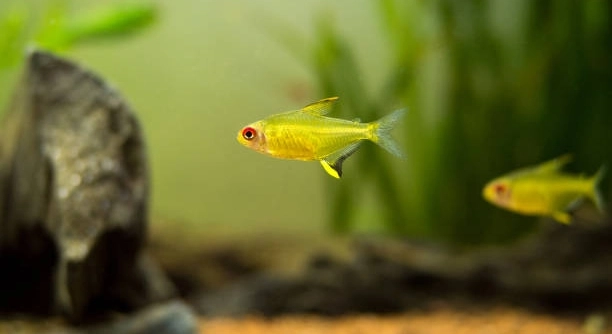
Lemon tetras are small, vibrant fish that bring life to any aquarium. Observing them not eat can be worrying, especially when they usually display lively behavior. Appetite changes may signal something important in their care routine.
A lack of eating in lemon tetras is commonly caused by water quality issues, stress from overcrowding, sudden diet changes, illness, or environmental factors. Identifying the underlying cause is crucial to restore their health and ensure proper growth and well-being.
Understanding these causes will help you take the right steps to improve your fish’s health and daily routine in the aquarium.
Water Quality Issues
Poor water conditions are one of the main reasons lemon tetras stop eating. High ammonia, nitrite, or nitrate levels can stress fish, causing them to lose interest in food. Even small changes in pH, temperature, or hardness can affect their appetite. Regular water testing is essential to maintain a stable environment. Overfeeding and decaying plant matter can also contribute to water pollution, making fish less active and less likely to feed. Frequent partial water changes and proper filtration help keep water clean and balanced. Observing your fish’s behavior alongside water parameters gives a clear picture of their overall health. Sudden changes in water, like adding new fish or decorations, may also cause stress and reduce feeding. Keeping a consistent schedule for maintenance helps prevent problems. Healthy water encourages normal activity, growth, and eating habits.
Monitoring water quality closely ensures your lemon tetras remain healthy and engaged with their environment.
Clean, stable water fosters better appetite and overall health, preventing long-term stress and illness in your aquarium.
Stress and Overcrowding
Overcrowding or sudden changes in the tank can make lemon tetras stressed. Stress often reduces their willingness to eat.
Stress in lemon tetras can arise from too many fish in one tank, aggressive tank mates, or rapid changes in lighting and decorations. Tetras are sensitive to their environment, and overcrowding can lead to competition for food, hiding behavior, or aggression. Maintaining an appropriate fish-to-tank ratio allows each tetra enough space to swim freely and reduces tension. Stress can also be caused by sudden movements outside the tank, loud noises, or frequent handling. Providing hiding spots and plants gives them a sense of security. Feeding small amounts several times a day can encourage eating when stress is reduced. Observing behavior helps identify signs of stress early, allowing adjustments before appetite loss becomes severe. A calm, well-structured tank promotes natural feeding habits and overall well-being.
Creating a peaceful, balanced tank environment ensures tetras remain healthy, active, and ready to eat consistently.
Diet and Feeding Habits
Lemon tetras may refuse food if their diet is inconsistent or inappropriate. They need a mix of flakes, micro-pellets, and occasional live or frozen foods to stay healthy and interested in eating.
Providing a balanced diet is key to maintaining appetite and vitality in lemon tetras. Flakes alone may lack nutrients, while live or frozen foods offer protein that encourages feeding. Rotating between types of food can prevent boredom and stimulate natural hunting instincts. Overfeeding can also reduce appetite, as leftover food pollutes the water and creates stress. Feeding small amounts multiple times a day helps ensure all fish get food without overwhelming the tank. Observing how quickly they eat each type gives insight into preferences and health.
Timing and portion control also impact feeding behavior. Feeding at consistent times helps establish routine, and adjusting portions to match the tank population prevents uneaten food. Removing uneaten bits quickly maintains water quality, while occasional treats like daphnia or brine shrimp can rekindle interest in eating. A balanced and thoughtful feeding plan supports healthy growth and reduces feeding refusal.
Illness and Disease
Internal or external health issues can directly affect a lemon tetra’s appetite, making them eat less or stop eating entirely.
Signs of illness may include clamped fins, unusual swimming patterns, pale coloration, or visible spots. Parasites, bacterial infections, or fungal growth can all reduce appetite. Early detection is important to prevent worsening conditions. Quarantining sick fish and treating with appropriate medications helps protect the rest of the tank. Observing subtle behavior changes, like hiding more than usual or slight lethargy, can indicate health problems before severe symptoms appear. Maintaining cleanliness, stable water conditions, and a proper diet reduces the risk of disease.
Prevention is the best approach. Regular monitoring and prompt action at the first sign of illness allow recovery without long-term effects. Keeping a small first-aid kit for fish medications and maintaining a quarantine tank ensures rapid response, minimizing stress on both sick and healthy tetras. Following these steps helps sustain appetite and overall health, giving lemon tetras the environment they need to thrive consistently.
Temperature Fluctuations
Lemon tetras are sensitive to sudden changes in water temperature. Even small fluctuations can stress them, causing appetite loss and lethargy.
Maintaining a stable temperature between 72°F and 78°F supports normal behavior and feeding. Using a reliable heater and thermometer helps prevent unexpected shifts.
Lighting and Day-Night Cycle
Inconsistent lighting or sudden changes can confuse lemon tetras. They need a regular day-night cycle to stay healthy and maintain appetite.
Proper aquarium lighting supports natural rhythms and reduces stress. Keeping lights on for about 8–10 hours daily ensures tetras remain active and ready to eat, while dimming or abrupt changes can disrupt their feeding patterns.
New Tank or Recent Changes
Adding new fish or rearranging the tank can unsettle lemon tetras. They may hide or refuse food while adjusting to the changes.
Allowing time to acclimate and keeping a calm environment encourages them to return to regular eating habits. Sudden additions of decorations, plants, or equipment should be introduced gradually to minimize stress.
Age and Life Stage
Older or very young tetras may eat less due to their developmental stage.
Young tetras need frequent small feedings, while older fish may slow down naturally. Adjusting food type and portion size helps support their health.
FAQ
Why is my lemon tetra not eating even though the water looks clean?
Even if the water appears clear, chemical imbalances may exist. Ammonia, nitrites, or nitrates can reach levels invisible to the eye, causing stress and appetite loss. Regular testing with aquarium kits ensures parameters remain safe. Maintaining a consistent filtration system and performing partial water changes prevents hidden buildup and keeps fish active.
Can stress from tank mates cause feeding issues?
Yes. Aggressive or larger fish can intimidate lemon tetras, leading them to hide or avoid food. Providing enough space and adding plants or decorations for cover reduces stress. Observing interactions allows you to identify problem fish and separate them if necessary to protect timid tetras.
Could sudden diet changes affect their appetite?
Lemon tetras are sensitive to new foods. Abruptly switching from flakes to live or frozen options may cause refusal. Gradually mixing new foods with familiar options encourages acceptance. Feeding a variety of foods prevents nutritional deficiencies and keeps interest high. Rotating proteins like daphnia, brine shrimp, and micro-pellets works well.
Does lighting impact feeding habits?
Lighting influences their internal clock. Sudden bright light or inconsistent schedules can make tetras shy away from food. Maintain 8–10 hours of consistent lighting daily and dim gradually when turning lights off. A natural day-night cycle reduces stress and encourages regular feeding patterns.
Can water temperature affect appetite?
Temperature is critical. Sudden drops or rises can slow metabolism, making fish eat less. Keeping water between 72°F and 78°F supports healthy digestion and energy levels. Use a reliable heater and monitor with a thermometer to prevent fluctuations, especially during seasonal changes.
Is illness a common reason for appetite loss?
Yes. Parasites, bacterial infections, and fungal growth often reduce appetite. Symptoms include clamped fins, pale coloration, or abnormal swimming. Early detection and treatment are essential. Quarantine affected fish, clean the tank, and apply appropriate medications to protect healthy tetras.
Could their age influence eating behavior?
Young tetras require frequent, smaller meals to support growth, while older fish may naturally slow down. Adjusting portion sizes and feeding schedules according to life stage maintains health. Observing activity levels helps determine if appetite loss is age-related or a sign of illness.
Does overcrowding matter?
Overcrowding creates stress and competition for food. Lemon tetras need enough swimming space and proper fish-to-tank ratios. Overpopulated tanks may lead to hiding, aggression, and reduced feeding. Spreading out decorations and providing multiple feeding points encourages access for all fish.
How long should I wait before worrying about a non-eating tetra?
A healthy tetra can skip a meal or two without concern. If appetite loss persists beyond two or three days, investigate water quality, stress, diet, and health. Early action prevents serious complications and supports recovery.
Are there ways to encourage reluctant eaters?
Yes. Offer high-quality live or frozen foods, feed smaller portions multiple times a day, and reduce stressors. Providing hiding spots or gentle lighting may help timid fish. Gradual introduction of new foods and maintaining stable tank conditions restores appetite.
Can seasonal changes affect feeding?
Temperature fluctuations, daylight changes, and tank location can subtly influence eating habits. Monitoring environmental consistency during seasonal shifts helps maintain regular feeding behavior. Adjust heaters and lighting as needed to reduce stress.
Do lemon tetras need variety in their diet?
Yes. A mix of flakes, pellets, and occasional live or frozen foods supports nutrition and prevents boredom. Rotating proteins like daphnia, brine shrimp, and micro-pellets ensures balanced growth and encourages consistent eating.
How do I know if appetite loss is serious?
Look for persistent behavior changes, unusual swimming, pale colors, or visible spots. Combining observation with water testing helps determine if the issue is environmental, dietary, or medical. Prompt action reduces the risk of long-term health problems.
Can tank rearrangements cause feeding refusal?
Yes. Sudden changes in decorations, plants, or equipment can stress tetras, leading them to hide and avoid food. Introduce changes gradually and allow time to acclimate. This reduces stress and restores normal feeding behavior.
Is it necessary to quarantine new fish to protect appetite?
Quarantining new fish prevents disease introduction and reduces stress in established tetras. Sick or stressed newcomers can spread illness, causing appetite loss. Using a separate tank for observation ensures the main tank remains stable and safe.
How often should I feed my lemon tetras?
Feed small portions two to three times daily, adjusting amounts so all food is consumed quickly. Overfeeding can pollute water and reduce appetite. Consistency helps maintain routine and supports healthy growth.
Do hiding places affect feeding?
Yes. Lemon tetras feel secure with plants or decorations to retreat into. Hiding reduces stress and encourages normal eating. Sparse or open tanks may make shy fish avoid food, especially if other fish dominate the space.
Can temperature and lighting combined impact appetite?
Both factors influence metabolism and stress. Stable temperature and consistent lighting promote activity and hunger. Sudden shifts in either can reduce feeding, so monitoring both ensures a healthy and predictable routine.
What is the best way to restore appetite in a picky tetra?
Start with gradual diet changes, provide hiding spots, maintain stable water conditions, and monitor temperature and lighting. Small, frequent meals with high-protein options often succeed in reigniting interest in eating. Observing behavior helps identify the specific factor affecting appetite.
How long does it take for lemon tetras to recover appetite?
Recovery varies with cause. Environmental adjustments may show results in one to two days. Illness-related issues could take longer, depending on treatment effectiveness. Consistent care, stress reduction, and proper feeding support faster return to normal eating habits.
Are there any signs that appetite loss is not serious?
Short-term refusal after minor water changes, mild temperature shifts, or occasional disturbances is usually harmless. Quick return to eating, normal swimming, and bright coloration indicate temporary stress rather than serious health issues.
Can seasonal feeding adjustments improve appetite?
Yes. Slightly increasing high-protein foods during cooler periods supports metabolism. Monitoring behavior and activity levels guides feeding adjustments to maintain consistent appetite throughout seasonal changes.
Does tank size influence feeding behavior?
A small or overcrowded tank increases stress, reduces swimming space, and creates competition for food. Providing adequate space for each tetra ensures better access to food and reduces feeding avoidance. Proper tank setup directly affects appetite and overall health.
What are signs of recovery in a previously non-eating tetra?
Returning to normal swimming, bright coloration, exploring the tank, and eating regular portions are positive indicators. Gradual improvement in activity and willingness to eat confirms that environmental or dietary adjustments are effective.
Final Thoughts
Monitoring the health and behavior of lemon tetras is an important part of keeping a successful aquarium. These small fish are sensitive to changes in their environment, and a lack of appetite is often the first visible sign that something is off. Water quality, temperature, and tank conditions all play a role in maintaining their health. Ensuring that ammonia, nitrites, and nitrates remain at safe levels is essential. Regular water testing and partial water changes help keep the environment stable. A well-maintained tank reduces stress and encourages natural feeding behavior. Overfeeding or letting uneaten food accumulate can quickly affect water conditions, so it is important to remove leftover food promptly. Observing the fish during feeding times provides insight into their appetite and overall condition. If a fish appears lethargic or avoids food consistently, it may indicate a deeper problem that requires attention.
Feeding practices have a strong influence on the appetite of lemon tetras. They require a varied diet that includes high-quality flakes, micro-pellets, and occasional live or frozen foods like daphnia or brine shrimp. Sudden changes in diet can cause them to refuse food temporarily, so gradual introductions are recommended. Feeding small portions multiple times a day ensures that all fish receive adequate nutrition without overloading the tank. Young tetras need smaller, more frequent meals to support growth, while older fish may eat less naturally. Maintaining consistency in feeding times helps establish a routine, making them more likely to eat reliably. It is also important to provide adequate space and hiding spots in the tank, as lemon tetras are sensitive to stress from tank mates or overcrowding. Stress can reduce interest in food, even if water quality and diet are appropriate.
Health concerns and disease also affect feeding behavior. Lemon tetras may lose appetite if they are experiencing parasites, bacterial infections, or fungal growth. Early recognition of symptoms such as clamped fins, pale coloration, or unusual swimming patterns allows timely treatment. Quarantining new or sick fish protects the rest of the tank. Stable temperature, consistent lighting, and gradual introduction of environmental changes also support recovery and prevent further stress. Paying close attention to all aspects of care—including diet, water quality, tank conditions, and health—ensures that lemon tetras maintain a healthy appetite. With consistent care and observation, appetite loss can usually be addressed successfully, allowing these fish to thrive and remain active members of the aquarium.

Hello,
If you enjoy the content that we create, please consider saying a "Thank You!" by leaving a tip.
Every little bit helps us continue crafting quality advice that supports the health, happiness, and well-being of pets around the world, for pets of all shapes, sizes, and species.
We really appreciate the kindness and support that you show us!