
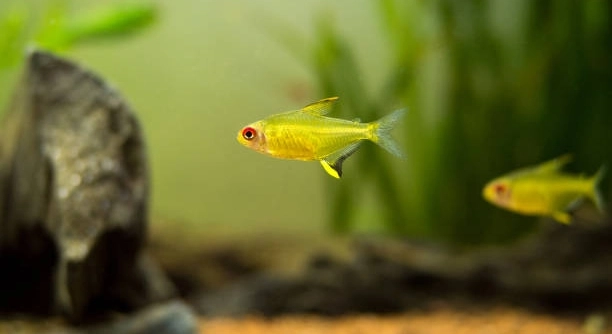
Lemon tetras are small, lively fish that brighten up any aquarium. Watching them swim in groups is calming, yet you may notice them flicking their bodies unexpectedly. This behavior often catches the eye of new fish owners.
Lemon tetras flick their bodies primarily as a response to stress, irritation, or communication within their group. This movement can indicate environmental discomfort, such as poor water quality, sudden changes, or interactions with other fish, serving as a natural signaling mechanism.
Observing this behavior closely can help maintain a healthy and comfortable environment for your tetras. Knowing what triggers it ensures your fish remain happy and active in their tank.
Common Reasons Lemon Tetras Flick Their Bodies
Lemon tetras often flick their bodies for several practical reasons. One common factor is stress, which can be caused by sudden changes in their tank environment, including water temperature, pH levels, or new decorations. Overcrowding can also make them feel uneasy, leading to more frequent body flicking. Sometimes flicking happens as a natural response to minor irritations, such as small parasites on their scales or algae that brush against their bodies while swimming. Additionally, flicking can be a social signal among tetras, helping them communicate with other members of the school. In many cases, observing flicking can alert you to underlying issues before they become serious. By paying attention to the frequency and intensity of these movements, you can make adjustments to the tank setup, ensure proper water quality, and keep the fish healthier and more comfortable in their habitat.
Body flicking is often harmless but can indicate subtle stress or environmental discomfort in your aquarium.
Monitoring tank conditions closely and providing stable, clean water helps reduce unnecessary flicking and supports healthy behavior in your tetras. Observing interactions between fish can also reveal whether flicking is social or stress-related, allowing you to take timely action to improve their environment.
How to Minimize Flicking Behavior
Maintaining proper water conditions is key to keeping lemon tetras calm and healthy.
Stable water temperature, appropriate pH, and regular water changes are essential. Avoid sudden additions of new fish or decorations, and ensure the tank is not overcrowded. Adequate hiding spots and gentle filtration can reduce stress, while monitoring for parasites ensures that flicking is not caused by irritation.
Introducing subtle changes gradually allows tetras to adjust without panic. Keep a consistent feeding routine and avoid overfeeding, which can impact water quality and cause agitation. Observing fish for abnormal behavior or signs of illness can help you intervene early. Grouping tetras in appropriate numbers also supports natural schooling behavior, reducing tension. Simple adjustments, like adding plants or dimming lights slightly, create a more comfortable environment. Understanding how your fish respond to these factors helps maintain a peaceful tank, minimizes flicking, and promotes overall health. Consistent care and attention prevent common stress triggers and allow tetras to exhibit normal, calm movements.
Signs of Stress in Lemon Tetras
Flicking is just one sign of stress in lemon tetras. Other indicators include hiding more than usual, loss of appetite, clamped fins, or erratic swimming patterns. Recognizing these behaviors early can prevent serious health issues and improve the overall well-being of your fish.
Stress in lemon tetras often results from environmental changes, poor water quality, or aggressive tank mates. When water parameters like temperature, ammonia, or nitrite levels fluctuate, tetras may react by flicking their bodies more often. Overcrowding also contributes to tension, making them more likely to display nervous behaviors. Even subtle changes, like sudden light shifts or frequent tapping on the glass, can create stress, signaling the need for a more stable environment.
Behavioral stress signs often overlap with minor illnesses, making careful observation essential. Parasites or skin irritations can cause flicking similar to stress responses. Maintaining clean water, avoiding overcrowding, and monitoring interactions among tank mates helps distinguish stress from health issues. Regular checks and small adjustments reduce tension, allowing tetras to return to calm swimming patterns and display normal, relaxed behaviors within their school.
Environmental Adjustments for Calmer Fish
Providing the right environment significantly reduces flicking behavior in lemon tetras.
Stable water conditions, proper tank size, and adequate hiding spots keep tetras comfortable. Gentle filtration prevents strong currents that can startle them. Adjusting lighting and incorporating plants create natural cover, helping fish feel secure. Regular maintenance supports consistent conditions and reduces stress.
Small environmental changes can have a big impact on lemon tetras’ behavior. Avoid sudden water parameter shifts by testing frequently and making gradual adjustments. Ensure enough space for all tank mates to swim freely without competition. Including dense vegetation or decorations allows tetras to retreat when needed, which helps lower stress levels. Light intensity should mimic natural day cycles to prevent startling movements, and a steady feeding schedule keeps them calm and active. Creating a stable and enriched environment supports healthy schooling behavior and minimizes unnecessary flicking. Consistency is key to maintaining their comfort and natural rhythm.
Diet and Nutrition Impact
Lemon tetras may flick their bodies when their diet lacks variety or proper nutrients. Feeding only one type of food can cause discomfort or minor digestive issues, leading to restless swimming and flicking behavior.
Providing a balanced diet reduces unnecessary stress. Mixing flake foods with frozen or live options ensures tetras get essential vitamins and minerals, supporting overall health and normal behavior.
Observing Tank Mates
Flicking can also result from interactions with other fish. Aggressive or overly active tank mates may startle lemon tetras, triggering body flicking as a defensive or evasive response.
Parasites and Skin Irritations
External parasites or irritants can cause frequent flicking. Check for small spots, unusual slime, or frayed fins that may indicate a problem requiring treatment.
Light and Noise Sensitivity
Bright lights or sudden loud noises can make tetras nervous. Adjusting lighting intensity and minimizing vibrations helps reduce flicking and keeps fish calmer.
FAQ
Why do lemon tetras flick their bodies so often?
Flicking is often a natural response to stress, irritation, or social signaling. Stress may come from sudden water changes, overcrowding, or aggressive tank mates. Irritation can result from parasites, skin issues, or rough surfaces in the tank. Socially, flicking can communicate position or alert others in the school. Observing patterns helps determine whether the behavior is harmless or a sign of environmental issues.
Is flicking a sign of illness in lemon tetras?
Flicking alone does not always mean illness, but it can indicate discomfort caused by external parasites, fungal infections, or minor injuries. Look for additional signs such as clamped fins, faded coloration, lethargy, or loss of appetite. Combining these observations with water testing can help you detect health problems early.
How can I reduce flicking in my aquarium?
Maintaining stable water conditions is the most effective method. Keep temperature, pH, ammonia, and nitrite levels within recommended ranges. Avoid overcrowding and provide plenty of hiding spots with plants or decorations. Gentle filtration and consistent feeding schedules also help tetras feel secure. Gradual changes and attentive care minimize stress, which reduces flicking frequency.
Can flicking be caused by diet?
Yes, poor nutrition or sudden diet changes may cause discomfort, resulting in flicking. A balanced mix of flake, frozen, and live foods ensures proper vitamins and minerals. Avoid overfeeding, as leftover food can degrade water quality and indirectly cause stress, increasing flicking behavior.
Do lemon tetras flick more in groups or alone?
Flicking tends to increase in groups when tetras communicate or react to each other. In a well-sized school, occasional flicking is normal as part of schooling behavior. Alone, tetras may flick less, but isolation can cause stress, so keeping them in small schools of at least six is recommended.
Is flicking dangerous to lemon tetras?
Occasional flicking is harmless and part of normal behavior. Excessive or violent flicking may indicate stress, illness, or environmental problems. Addressing water quality, tank mates, and diet helps ensure flicking does not escalate into injury or long-term stress. Monitoring frequency is key to maintaining health.
Can flicking be a reaction to light or noise?
Yes, lemon tetras are sensitive to bright lights and sudden loud noises. Rapid flicking often occurs after abrupt disturbances. Adjusting lighting, dimming tanks slightly, and minimizing vibrations or loud sounds helps tetras feel secure, reducing stress-induced flicking.
Should I treat flicking with medication?
Medication is only necessary if flicking is caused by parasites or infection. For stress or social signaling, environmental adjustments are sufficient. Overmedicating can harm water quality and fish health, so first identify the cause before considering treatment. Observation and preventive care are safer solutions.
How long does flicking usually last?
Short, occasional flicking may last a few seconds and is normal. Persistent flicking lasting minutes or recurring frequently suggests stress, irritation, or illness. Tracking patterns and correlating them with tank conditions or behavior helps determine whether intervention is needed.
Can flicking indicate breeding behavior?
In some cases, flicking may occur during mating or territorial displays. However, in lemon tetras, this is usually subtle and part of normal social interaction. Look for accompanying behaviors, like chasing or pairing, to distinguish breeding flicks from stress responses.
What should I do if flicking persists despite stable conditions?
Check for hidden stressors, such as aggressive tank mates, parasites, or improper water chemistry. Adjusting diet, adding plants, or changing light intensity may help. Persistent flicking warrants close observation to catch early signs of health issues. Consulting a knowledgeable aquarium specialist can provide tailored solutions.
Is flicking more common in certain ages of lemon tetras?
Younger tetras may flick more due to higher activity levels and adaptation to the environment. Older fish may flick less unless stressed or irritated. Observing age-related patterns helps differentiate normal behavior from potential problems.
Can flicking be prevented entirely?
Flicking cannot be completely prevented, as it is part of normal fish behavior. Minimizing stressors, maintaining good water quality, and monitoring interactions reduce excessive flicking, allowing fish to exhibit natural and calm movements.
How often should I observe my tetras for flicking?
Daily observation is best. Watching swimming patterns, behavior changes, and interactions helps catch early signs of stress or illness. Consistent monitoring ensures quick action when needed, keeping fish healthy and behavior normal.
Does tank size affect flicking behavior?
Yes, small or overcrowded tanks increase flicking due to stress and limited swimming space. Providing sufficient room for the school to move freely and avoiding excessive decorations or tank mates reduces tension and unnecessary flicking.
Can flicking indicate water parameter problems?
Flicking often reflects water issues such as improper pH, temperature swings, or ammonia spikes. Regular testing and adjustments are critical. Even minor fluctuations can make tetras uncomfortable, so consistent water maintenance is essential to prevent stress-induced flicking.
Are some tetras more prone to flicking than others?
Individual temperament plays a role. Some lemon tetras are naturally more active or sensitive, flicking more in response to minor disturbances. Understanding personality differences helps interpret behavior correctly and prevents unnecessary concern over normal activity.
Do tetras flick at night or during feeding?
Flicking can increase during feeding as fish compete or react to sudden movements. Nighttime flicking is less common but may occur if lights or vibrations disturb the tank. Maintaining routine feeding and gentle lighting helps regulate behavior.
Can flicking harm tank mates?
Normal flicking rarely harms others. Aggressive or frantic flicking, however, can startle smaller or weaker fish, causing stress. Ensuring proper tank size and compatible species reduces conflict and keeps all fish safe.
How do I know if flicking is severe?
Severe flicking is frequent, intense, or accompanied by signs like clamped fins, loss of appetite, or erratic swimming. Immediate evaluation of water quality, tank mates, and health is necessary. Quick action prevents stress from becoming a long-term problem.
What equipment helps reduce flicking?
Proper filtration, gentle flow, dimmable lights, and plants for cover help create a calming environment. Avoid strong currents, sudden water changes, and frequent disturbances. Stable equipment supports normal behavior and reduces unnecessary flicking.
Can flicking indicate aggression?
Occasional flicking may accompany minor territorial displays, but constant aggressive flicking often points to incompatible tank mates. Monitoring interactions helps determine whether behavior is social, defensive, or stress-related. Proper school size and compatible species prevent aggression-induced flicking.
Is flicking normal after introducing new fish?
Yes, tetras may flick when adjusting to new tank mates or environment. This is usually temporary. Gradual introductions, hiding spots, and observation help fish settle quickly and reduce prolonged stress-related flicking.
Does water hardness influence flicking?
Extreme water hardness can irritate tetras and increase flicking. Maintaining moderate hardness appropriate for lemon tetras ensures comfort. Gradual acclimation prevents sudden stress from changes in water chemistry.
Can flicking indicate breeding readiness?
While sometimes flicking appears during mating displays, in lemon tetras it is subtle. Pairing behaviors, chasing, or frequent nudging provide clearer signs than flicking alone. Observation of patterns over time confirms breeding activity.
How long does it take for flicking to decrease after stress is removed?
Once stressors like poor water quality or aggressive tank mates are addressed, flicking usually decreases within hours to days. Monitoring fish closely helps confirm recovery and ensures conditions remain stable.
Are there visual cues to distinguish flicking types?
Yes, stress flicks are rapid and frequent, often with other anxiety signs. Social or breeding flicks are smoother and purposeful, usually accompanied by coordinated movement or pairing. Paying attention to context helps differentiate causes.
Do flicking patterns vary by time of day?
Flicking often increases during feeding, light changes, or disturbances. Calm periods usually occur in the middle of the day or during quiet nighttime hours. Recognizing daily patterns helps identify normal versus stress-induced flicking.
Is flicking more common in community tanks?
Yes, community tanks with multiple species may trigger flicking due to interactions, differences in activity levels, or unexpected behavior. Proper species selection and observation reduce unnecessary stress and flicking in mixed environments.
How can I track flicking behavior effectively?
Keep a simple journal noting frequency, duration, time of day, and triggers. Record tank conditions and interactions to identify patterns. This helps distinguish normal behavior from stress or health issues and guides necessary adjustments.
What long-term effects can frequent flicking have?
Persistent flicking may indicate ongoing stress or irritation, potentially weakening the immune system. Consistently addressing environmental and social factors prevents chronic stress, allowing tetras to maintain normal activity and overall health.
Does tank decor influence flicking?
Sharp or rough decorations may cause irritation and flicking. Soft plants, smooth surfaces, and ample hiding spots reduce physical discomfort and create a safe environment for natural swimming patterns.
Can flicking indicate water flow issues?
Yes, strong currents or turbulence can trigger flicking as fish try to stabilize themselves. Adjusting filter output or adding plants to break currents helps tetras swim comfortably without excessive movement.
Are certain colors or patterns more prone to flicking?
There is no evidence that coloration affects flicking. Behavioral differences are linked to temperament, health, and environment rather than color or pattern. Observing each fish individually provides accurate insight into causes.
Do flicking habits change with seasons?
Seasonal changes in temperature or light cycles can affect activity levels and flicking. Maintaining stable indoor conditions helps mitigate seasonal stress and keeps behavior consistent throughout the year.
Can flicking indicate oxygen levels?
Rapid or frantic flicking near the surface may signal low oxygen. Proper aeration, plants, and water movement ensure sufficient oxygenation, reducing stress-induced flicking and supporting overall health.
How do I know if flicking is temporary or persistent?
Short bursts following minor disturbances are temporary. Persistent flicking, especially over multiple days, signals stress, irritation, or health problems. Documenting frequency and context helps identify ongoing issues that require intervention.
Should I isolate a flicking tetra?
Isolation is only necessary if aggressive tank mates are causing stress or if the fish shows signs of illness. Otherwise, maintaining the school helps reduce loneliness and supports natural behavior, allowing flicking to subside naturally.
Do tetras flick when acclimating to a new tank?
Yes, flicking is common during acclimation. Gradual introduction, gentle water mixing, and careful observation minimize stress. Once they adjust to temperature, water chemistry, and tank mates, flicking typically decreases.
Can flicking indicate overpopulation?
Overcrowded tanks increase stress and competition, leading to more flicking. Ensuring proper tank size and appropriate fish numbers reduces tension, promotes normal schooling behavior, and minimizes unnecessary flicking.
Does tank cleaning affect flicking?
Disturbing substrate or decorations during cleaning may trigger temporary flicking. Gentle, gradual maintenance reduces stress. Frequent observation post-cleaning helps determine if flicking is short-lived or related to other issues.
Is flicking linked to tank temperature fluctuations?
Yes, rapid temperature changes can stress tetras, causing flicking. Using a stable heater, monitoring temperature regularly, and making gradual adjustments helps maintain comfort and reduces stress-induced movements.
Can flicking indicate boredom?
While flicking is rarely caused solely by boredom, a lack of stimulation or insufficient tank enrichment may lead to restless behavior. Plants, decorations, and moderate activity levels help keep fish engaged and calmer.
Do tetras flick more in new tanks?
New tanks often provoke more flicking due to unfamiliar surroundings and water conditions. Consistent monitoring, gradual introductions, and a stable environment help fish adjust and reduce unnecessary flicking.
How do I differentiate flicking from twitching or jerking?
Flicking is usually smooth and repeated, while twitching or jerking may indicate illness, parasites, or neurological issues. Observation of movement patterns and accompanying symptoms helps identify the cause accurately.
Can flicking indicate aggression toward humans tapping the tank?
Yes, sudden tapping or vibrations often trigger flicking as a defensive response. Avoid disturbing the tank and maintain gentle handling to minimize stress-induced behavior.
Are younger fish more sensitive to flicking triggers?
Juvenile tetras are more active and reactive, making them prone to flicking from minor disturbances. Providing calm conditions, gradual introductions, and proper schooling helps reduce excessive flicking in young fish.
Does flicking affect feeding behavior?
Frequent flicking may disrupt feeding, as stressed or irritated fish eat less. Stabilizing tank conditions, maintaining calm during feeding, and ensuring sufficient space for all fish promotes normal feeding patterns and reduces flicking.
Can flicking indicate fin damage or injury?
Flicking may increase if fins are torn or irritated. Look for frayed edges, redness, or bleeding. Addressing injuries promptly prevents further stress and helps fish return to normal movement patterns.
How do I prevent flicking in the long term?
Maintain stable water conditions, proper tank size, compatible tank mates, and balanced nutrition. Minimize disturbances and provide hiding spots. Regular observation allows early detection of stress or irritation, ensuring flicking remains minimal and natural over time.
Can flicking indicate overfeeding?
Excess food can decay and lower water quality, indirectly causing flicking. Feed moderate portions, remove leftovers, and monitor water parameters to prevent stress-related behavior caused by overfeeding.
Does flicking indicate sudden water chemistry changes?
Yes, spikes in ammonia, nitrite, or pH changes can cause discomfort, leading to flicking. Testing water regularly and making gradual adjustments ensures stability and minimizes stress.
Can flicking be hereditary?
Behavioral tendencies like sensitivity to disturbances may vary individually but are not directly hereditary. Environmental factors primarily determine flicking patterns in lemon tetras.
Is flicking more common during feeding times?
Yes, excitement or competition during feeding often triggers flicking. Spacing food evenly, feeding calmly, and ensuring all fish have access reduces stress-related flicking.
Do flicking patterns differ between male and female tetras?
Differences are subtle and mostly linked to activity levels or mating behaviors. Observation is necessary to distinguish stress-induced flicking from natural social or reproductive movements.
Can flicking indicate lack of oxygen at night?
Occasionally, low oxygen can cause flicking near the surface at night. Proper aeration and plant management help maintain oxygen levels and reduce stress behaviors.
Does water current influence flicking frequency?
Strong currents increase flicking as tetras struggle to stabilize themselves. Adjusting filter output and using plants to break flow reduces unnecessary movement and supports calmer swimming.
Can flicking indicate parasite infestations?
Yes, external parasites often irritate the skin and gills, causing frequent flicking. Observation, quarantine, and treatment are necessary to address infestations promptly.
Do flicking behaviors change as fish mature?
Juveniles flick more due to higher activity, while adults may flick mainly in response to stress or irritation. Understanding age-related behavior helps differentiate normal flicking from concerning patterns.
Can flicking indicate overcrowding stress in community tanks?
Yes, too many fish in limited space create competition and stress, resulting in flicking. Proper tank management and compatible species selection help maintain calm and reduce tension.
Does tank decoration arrangement affect flicking?
Rough, sharp, or sparse decorations may cause irritation or stress. Providing soft plants, smooth surfaces, and ample hiding spots helps reduce flicking and allows natural swimming.
Can flicking indicate incompatible water parameters?
Yes, tetras are sensitive to temperature, pH, and hardness changes. Unstable water chemistry can lead to flicking. Maintaining consistent conditions supports comfort and reduces stress behaviors.
Do flicking patterns vary by tank location?
Flicking may occur more in areas with strong currents, bright lights, or high traffic near the tank. Adjusting these factors creates calmer zones, encouraging normal swimming behavior.
Is flicking more noticeable in smaller tanks?
Smaller tanks limit movement and increase stress, making flicking more visible. Providing enough space and proper group sizes reduces stress-induced flicking and supports healthier behavior.
Can flicking be reduced by adding plants?
Yes, plants provide hiding spots and buffer currents, reducing stress. Dense foliage helps tetras feel secure, minimizing unnecessary flicking while allowing natural schooling behavior.
Does flicking indicate sensitivity to sudden movements outside the tank?
Yes, tapping, shadows, or quick movements can startle tetras. Minimizing disturbances and maintaining calm surroundings helps reduce flicking triggered by external stimuli.
Can flicking indicate poor water circulation?
Insufficient or uneven water flow may frustrate tetras, causing flicking as they adjust. Ensuring gentle, consistent circulation improves comfort and reduces unnecessary movement.
Do flicking habits change after cleaning or maintenance?
Temporary flicking is normal after substrate or decoration disturbance. Gentle cleaning and gradual water changes minimize stress, helping tetras return to normal behavior quickly.
Can flicking indicate sensitivity to tank mates’ behavior?
Yes, overly aggressive or hyperactive fish may provoke flicking. Observing interactions and adjusting tank composition or school size helps reduce stress-induced flicking.
Are some tetras naturally more active and prone to flicking?
Individual temperament varies. Some lemon tetras are more reactive or energetic, showing flicking more often. Recognizing personality differences helps interpret behavior accurately.
Does flicking indicate poor acclimation to a new tank?
Yes, newly introduced tetras often flick as they adjust to temperature, water chemistry, and surroundings. Gradual acclimation reduces stress and helps behavior stabilize.
Can flicking indicate light sensitivity?
Bright or sudden lighting changes trigger flicking. Adjusting intensity and using a natural day-night cycle supports comfort and reduces stress movements.
Is flicking more common during water parameter testing?
Yes, disturbances during testing may startle tetras. Handling equipment gently and performing gradual measurements minimizes stress-induced flicking.
Do tetras flick more during temperature fluctuations?
Sudden increases or drops in water temperature can trigger flicking as fish adjust. Consistent heating and careful monitoring prevent stress and maintain stable behavior.
Can flicking indicate inadequate hiding spots?
Yes, limited cover forces tetras into exposed areas, increasing stress and flicking. Adding plants or decorations gives fish safe spaces and reduces unnecessary movement.
Does flicking indicate social hierarchy issues?
Minor flicking may occur when establishing school hierarchy. Persistent aggressive interactions indicate stress or incompatible fish, requiring observation and adjustment to prevent long-term tension.
Can flicking indicate parasite treatment reactions?
During treatment, tetras may flick more due to irritation or medication effects. Monitor water quality and behavior closely to ensure recovery after treatment.
Is flicking more frequent in newly formed schools?
Yes
Lemon tetras are lively, small fish that often attract attention because of their bright colors and active behavior. Flicking their bodies is a natural part of how they react to their environment. While it may seem concerning at first, this behavior is not always a sign of illness. Many times, it simply reflects the way tetras respond to minor stress, interactions with tank mates, or adjustments to their surroundings. Observing flicking alongside other behaviors can help determine whether it is normal activity or a signal that something in the tank needs attention. Paying close attention to water quality, tank size, and the overall setup plays a big role in maintaining a calm and healthy school of fish.
Flicking can sometimes indicate stress, especially when it happens frequently or in combination with other signs like hiding, clamped fins, or loss of appetite. Stress may come from sudden changes in water conditions, overcrowding, bright lighting, or aggressive tank mates. Even small disturbances, like tapping on the glass or rearranging decorations, can cause temporary flicking. Ensuring a stable environment with clean water, gentle filtration, and proper hiding spaces helps reduce stress. Feeding a balanced diet and avoiding overfeeding also supports health and comfort, preventing unnecessary flicking. By making these adjustments, tetras are more likely to display calm, natural behavior, allowing you to enjoy watching their schooling and swimming without concern.
While flicking is normal in many situations, it is important to monitor it consistently. Persistent or intense flicking could indicate irritation from parasites, minor injuries, or poor water conditions. Regular observation and attention to daily patterns help detect early signs of stress or health issues before they become serious. Creating a stable and enriched tank environment, with plants, decorations, and proper lighting, allows lemon tetras to thrive. Understanding their behavior and providing appropriate care ensures the fish remain active, healthy, and comfortable. Flicking, when understood correctly, becomes a simple indicator of how your tetras are feeling, helping you maintain a peaceful and well-balanced aquarium.

Hello,
If you enjoy the content that we create, please consider saying a "Thank You!" by leaving a tip.
Every little bit helps us continue crafting quality advice that supports the health, happiness, and well-being of pets around the world, for pets of all shapes, sizes, and species.
We really appreciate the kindness and support that you show us!