
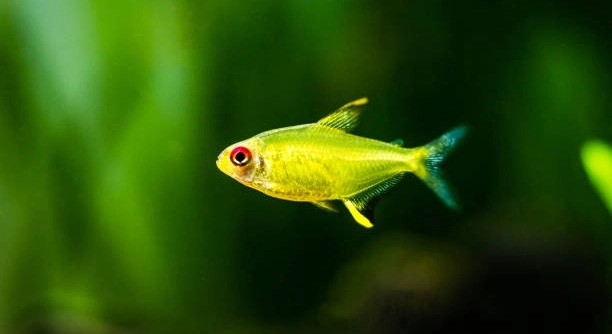
Lemon tetras are small, vibrant fish known for their graceful schooling behavior. Watching them move together in harmony adds life and color to any aquarium. Sudden changes in their schooling patterns can be unsettling for aquarium owners.
Lemon tetras may stop schooling due to stress, illness, water quality issues, or changes in their environment. Factors such as overcrowding, aggressive tank mates, fluctuating temperature, or poor nutrition can disrupt their natural group behavior and overall well-being.
Recognizing these signs early can help restore balance in the tank and maintain the health of your lemon tetras. Proper care ensures their schooling behavior returns naturally.
Common Causes of Lemon Tetras Stopping Schooling
Lemon tetras are sensitive fish, and any sudden change in their environment can affect their schooling behavior. Stress is one of the main triggers, often caused by overcrowding or aggressive tank mates. Water quality is another factor; high ammonia, nitrite, or nitrate levels can make them uncomfortable, leading them to scatter or hide. Temperature fluctuations, even small ones, can disrupt their natural rhythm, as these fish thrive in stable, tropical conditions. Nutrition also plays a role—poor diet or irregular feeding can weaken their energy levels, making them less likely to school. Sometimes, illness or parasites can be the reason they stop swimming together. Observing their behavior closely helps identify the issue before it worsens. Creating a calm, stable environment with proper water parameters and suitable companions encourages them to resume their natural schooling patterns. Consistency is key for maintaining their health and group dynamics.
Monitoring water and tank conditions regularly ensures the tetras remain comfortable and stress-free.
Keeping a stable, clean environment with proper feeding routines can prevent most schooling disruptions and support overall fish health.
Signs of Stress in Lemon Tetras
Stress in lemon tetras can be subtle at first, including erratic swimming or hiding more than usual.
Signs like faded colors, clamped fins, or reduced appetite indicate stress or poor health. Early detection allows for corrective measures, such as improving water quality, adjusting tank mates, or correcting diet. Observing their behavior daily can prevent prolonged issues and restore normal schooling. Proper maintenance and care can significantly reduce stress-related disruptions in their behavior.
Maintaining a calm and suitable environment is crucial for lemon tetras’ well-being. Tank size, decorations, and water conditions all play a role. Overcrowded tanks increase competition and stress, while aggressive fish can intimidate tetras, breaking up their group. Regular water changes, balanced nutrition, and stable temperatures support schooling behavior. Monitoring their interactions helps identify problems early. Even small adjustments, like repositioning hiding spots or adding floating plants, can reduce stress. Avoid sudden changes in lighting or feeding routines, as tetras are sensitive to abrupt shifts. Healthy fish are more likely to exhibit natural behavior, including synchronized swimming. Keeping track of water parameters and observing subtle changes ensures their comfort. Addressing stress proactively promotes long-term health and prevents schooling interruptions. Consistent care fosters a stable and peaceful aquarium environment for lemon tetras to thrive.
Water Quality and Its Impact
Poor water quality directly affects lemon tetras’ behavior. High ammonia or nitrite levels can make them lethargic and cause them to break their schooling pattern. Clean, stable water helps them feel safe and encourages normal swimming behavior, keeping the group cohesive.
Maintaining proper water parameters is essential. Regular testing of ammonia, nitrite, nitrate, and pH levels ensures the environment is healthy. Partial water changes help remove toxins and refresh the tank. Lemon tetras prefer slightly acidic to neutral water and consistent temperatures. Even small fluctuations can cause stress, prompting them to scatter or hide. A well-maintained filter and careful monitoring prevent sudden water quality issues that can disrupt schooling.
Adding plants and hiding spots supports water quality and reduces stress. Plants absorb some toxins and provide cover, making fish feel secure. Avoid overcrowding, as too many fish increase waste, raising toxin levels. Ensuring a proper diet and removing uneaten food further maintains water quality. These steps create a stable environment that promotes synchronized swimming, healthy interactions, and long-term well-being for lemon tetras.
Tank Setup and Environment
Tank size and layout directly affect lemon tetras’ schooling behavior. Small or cluttered tanks restrict movement and increase stress, causing them to scatter or hide more often.
A proper tank should allow enough swimming space for the group. Decorations like plants, driftwood, and rocks provide hiding spots and break lines of sight for shy fish. Open swimming areas encourage schooling while safe zones reduce stress. The ideal tank is at least 20 gallons for a small group, with gentle filtration to avoid strong currents. Floating plants can soften lighting, providing a sense of security and reducing sudden stress triggers.
Temperature consistency and lighting also play a role. Lemon tetras thrive in stable, tropical temperatures and prefer gradual light changes. Sudden shifts can disrupt their natural rhythm. Organizing the tank to balance open spaces and cover areas helps fish feel secure and promotes schooling behavior. Monitoring the environment closely ensures adjustments can be made quickly if issues arise. A well-planned setup creates a peaceful and healthy habitat where lemon tetras can swim together naturally.
Diet and Nutrition
Lemon tetras need a balanced diet to maintain energy and health. Poor nutrition can make them lethargic and less likely to school. Providing a mix of high-quality flakes, pellets, and occasional live or frozen foods supports their overall well-being and natural behavior.
Regular feeding at consistent times helps maintain their rhythm. Avoid overfeeding, as leftover food can harm water quality. Proper nutrition strengthens their immune system and supports vibrant colors, making them more active and cohesive in their schooling.
Signs of Illness
Illness can cause lemon tetras to stop schooling. Look for faded colors, clamped fins, or unusual swimming patterns. Early detection helps prevent further health issues and keeps the group behavior stable.
Tank Mates
Aggressive or overly active tank mates can disrupt schooling. Peaceful companions encourage normal group behavior and reduce stress for lemon tetras.
FAQ
Why did my lemon tetras suddenly stop schooling?
Lemon tetras stop schooling mainly due to stress, illness, or environmental changes. Sudden temperature shifts, poor water quality, overcrowding, or aggressive tank mates can make them scatter. Observing the tank closely and checking water parameters can help identify the cause and restore normal behavior.
How can I reduce stress in my lemon tetras?
Stress can be minimized by maintaining stable water parameters, providing sufficient swimming space, and including hiding spots. Avoid overcrowding and keep aggressive fish separate. Consistent feeding routines and gradual lighting changes also help them feel secure and encourage normal schooling.
What water parameters are ideal for lemon tetras?
Lemon tetras prefer slightly acidic to neutral water with a pH between 6.0 and 7.0. Temperature should remain stable around 74–80°F (23–27°C). Ammonia and nitrite should be at 0 ppm, while nitrate should stay below 20 ppm. Consistent monitoring prevents stress and maintains schooling behavior.
Can diet affect schooling behavior?
Yes. A poor diet can weaken lemon tetras, making them less active and less likely to school. A balanced mix of high-quality flakes or pellets, supplemented with live or frozen foods, supports energy, immune health, and natural schooling patterns. Avoid overfeeding to maintain water quality.
How do I know if my fish are sick?
Illness signs include faded colors, clamped fins, labored or erratic swimming, loss of appetite, and isolated behavior. Early detection allows prompt treatment and prevents further stress, which can disrupt schooling. Quarantining sick fish may protect the rest of the group.
Do tank mates influence schooling behavior?
Yes. Aggressive or overly active tank mates can intimidate lemon tetras, causing them to hide or scatter. Peaceful companions allow them to swim together naturally. Ensure compatible species and avoid overcrowding to maintain group cohesion.
How many lemon tetras should I keep together?
A minimum of six is recommended to encourage natural schooling behavior. Larger groups feel more secure and are less likely to scatter when stressed. Small groups may appear disorganized and more vulnerable to environmental changes or aggressive tank mates.
What role do plants and decorations play?
Plants and decorations provide hiding spots and help reduce stress. They also break lines of sight for shy fish, making the tank feel safe. Open swimming areas combined with secure zones allow lemon tetras to maintain schooling behavior while having refuge from perceived threats.
How often should I check water quality?
Water should be tested at least weekly for ammonia, nitrite, nitrate, and pH. Regular checks help detect changes early, allowing corrective action before stress or illness affects schooling. Partial water changes and proper filtration maintain stable conditions.
Can temperature fluctuations cause schooling issues?
Yes. Lemon tetras are sensitive to sudden temperature changes. Maintaining a stable tropical temperature range is essential. Even small fluctuations can stress fish, causing them to stop schooling, hide, or become more vulnerable to illness.
What should I do if one fish stops schooling?
Observe the fish for signs of illness, stress, or bullying by other fish. Test water parameters and ensure proper feeding. Adjust tank conditions gradually and provide hiding spots. Early intervention often restores schooling without long-term disruption.
How long does it take for lemon tetras to return to normal schooling?
Recovery time varies depending on the cause. Stress relief from improved water conditions or tank adjustments may show results in a few days. Illness may take longer, depending on treatment. Patience and consistent care usually restore normal schooling behavior.
Are there behavioral differences between male and female lemon tetras?
Males are often more colorful and may display subtle chasing behavior during mating periods. Females are slightly rounder. Both sexes school together naturally, but slight differences in activity are normal and usually do not disrupt the group.
Can lighting affect schooling behavior?
Yes. Sudden changes in lighting can stress lemon tetras. Gradual transitions, dim lighting, or floating plants help them feel secure and maintain cohesive swimming patterns. Consistent lighting routines support normal behavior.
Is it normal for lemon tetras to scatter occasionally?
Occasional scattering can happen due to minor disturbances like sudden movement or water changes. Temporary separation is normal if they quickly regroup. Persistent or frequent scattering usually indicates stress, illness, or poor environmental conditions.
How do I prevent future schooling disruptions?
Maintain consistent water parameters, provide adequate space and hiding spots, avoid aggressive tank mates, and feed a balanced diet. Monitor fish behavior regularly and address small issues promptly. A stable, healthy environment supports continuous, natural schooling.
Can quarantine help prevent schooling problems?
Yes. Quarantining new or sick fish prevents the introduction of disease or stress to established groups. A short quarantine period allows observation and treatment if necessary, reducing the risk of disrupting the existing school.
Are there signs of long-term stress in lemon tetras?
Long-term stress may manifest as faded colors, chronic hiding, reduced appetite, and weakened immune systems. Continuous monitoring, proper tank conditions, and a consistent routine are necessary to maintain health and normal schooling behavior.
How important is tank size for schooling?
Adequate tank size ensures enough swimming space for the group to move together naturally. Small tanks restrict movement, increase stress, and make schooling irregular. Larger tanks provide room for exploration, reduce competition, and support cohesive group behavior.
Can water changes improve schooling behavior?
Yes. Regular partial water changes remove toxins and refresh the environment, reducing stress and promoting natural activity. Clean water supports health, energy levels, and group cohesion, helping lemon tetras resume synchronized swimming.
How do I handle aggressive fish in the same tank?
Separate aggressive fish or provide visual barriers to reduce harassment. Rearranging decorations or adding hiding spots allows lemon tetras to feel secure and maintain schooling without interference. Observing interactions closely helps prevent long-term stress and injury.
Does overcrowding affect schooling?
Overcrowding increases stress, waste production, and competition for food and space. It often causes lemon tetras to scatter or hide. Maintaining appropriate stocking levels supports group cohesion and promotes natural swimming patterns, keeping the school healthy and active.
Are there signs that schooling is returning to normal?
Signs include synchronized swimming, reduced hiding, bright colors, and active feeding. Fish will group together consistently, showing calm, natural behavior. Restoring water quality, diet, and tank conditions usually leads to full recovery of normal schooling behavior within days to weeks.
What is the best way to observe schooling behavior?
Watch fish during feeding or regular activity periods. Calmly observing without sudden movements or tapping glass helps you identify stress, illness, or environmental issues affecting schooling. Take notes on behavior changes to track improvements or recurring problems.
How does age affect schooling?
Young lemon tetras may be less coordinated but still prefer to swim in groups. Older fish may slow down or become less active but typically maintain schooling if healthy and stress-free. Age alone rarely causes sudden disruption.
Can sudden tank rearrangements cause schooling issues?
Yes. Moving decorations, plants, or equipment abruptly can stress lemon tetras, making them scatter. Gradual adjustments and providing familiar landmarks reduce disruption and help the school regain cohesion quickly.
Are there any supplements that help maintain schooling behavior?
High-quality diet and occasional vitamin-rich foods support immune health and activity levels. Healthy, energetic fish are more likely to swim together naturally. Avoid unnecessary supplements unless recommended by an aquatic specialist.
How often should I monitor lemon tetras’ behavior?
Daily observation is ideal to detect early signs of stress, illness, or disruption in schooling. Noticing small changes early allows prompt corrective action, preventing prolonged problems and maintaining group cohesion.
Can seasonal changes affect schooling?
Seasonal temperature or light fluctuations can stress fish if the tank is not well-regulated. Consistent indoor conditions help maintain normal schooling behavior despite external seasonal changes.
What immediate actions can restore schooling?
Check water parameters, remove aggressive tank mates, provide hiding spots, and maintain a stable diet. Gradual environmental adjustments and monitoring usually restore group cohesion within a few days.
How do I balance hiding spaces and open swimming areas?
Include sufficient cover for security while leaving open areas for group movement. This balance reduces stress while encouraging natural schooling behavior. Rearrange as needed to maintain both safety and freedom for swimming.
Can water hardness impact lemon tetras?
Yes. Lemon tetras prefer soft to moderately hard water. Hard water can cause stress and disrupt schooling behavior. Regular testing and adjustments ensure water conditions remain suitable for health and activity.
How long can lemon tetras go without schooling before it becomes a concern?
Temporary scattering is normal, but persistent lack of schooling for more than a few days often indicates stress, illness, or environmental issues. Prompt intervention is important to prevent long-term health problems.
Do all lemon tetras react the same to stress?
Individual fish may show slight differences in behavior, but the group usually responds collectively. Some may hide more or become inactive, but overall schooling patterns are disrupted until the underlying issue is addressed.
What role does oxygenation play in schooling behavior?
Adequate oxygen levels are essential. Poor aeration or stagnant water can reduce activity and cause fish to scatter. Proper filtration, surface agitation, and live plants help maintain oxygen levels and promote normal schooling.
How can I slowly introduce new fish without disrupting schooling?
Quarantine new fish first, then introduce them gradually using a divider or acclimation period. Monitor interactions closely and provide hiding spots. This method reduces stress and prevents disruption of established schooling behavior.
Are there common mistakes that break schooling?
Frequent tank rearrangements, aggressive tank mates, inconsistent feeding, overcrowding, and poor water quality are common mistakes. Consistency, careful observation, and preventive measures maintain healthy, cohesive schooling behavior in lemon tetras.
How do I know if the schooling issue is temporary?
Temporary disruption often resolves quickly after minor stressors are removed. Observe behavior for a few days; if fish regroup and swim normally, the issue was likely short-term and environmental rather than illness-related.
Can tank decorations be too dense?
Yes. Overcrowded tanks limit swimming space, making it difficult for tetras to school naturally. Maintain open areas for movement while keeping sufficient hiding spots for security and stress reduction.
Do lemon tetras require companions of the same species?
Yes. Lemon tetras feel safest in groups of their own species. Mixed-species groups may still interact, but natural schooling behavior is strongest with a cohesive group of tetras.
How do I prevent disease from affecting schooling?
Quarantine new fish, maintain water quality, feed properly, and monitor behavior. Prompt treatment of sick fish prevents illness from spreading and disrupting the group’s natural swimming patterns.
Can seasonal feeding changes affect schooling?
Drastic changes in feeding routines can stress fish. Maintaining a consistent diet and schedule supports energy levels, health, and natural schooling behavior regardless of the season.
Is tank lighting alone enough to influence schooling?
Lighting affects comfort and stress levels. Gradual transitions and balanced illumination help fish feel secure, but water quality, diet, and tank mates also play essential roles in maintaining schooling behavior.
How long does it take to correct schooling after stress?
Recovery depends on the cause. Minor stressors may resolve in days, while illness or environmental issues could take weeks. Consistent care, stable water conditions, and proper diet accelerate restoration of normal schooling behavior.
Are there visual cues that tetras use to stay in school?
Yes. Lemon tetras rely on movement and color cues to coordinate swimming. Stress or illness can reduce responsiveness, causing temporary scattering until health and environment improve.
Can floating plants alone restore schooling?
Floating plants reduce light intensity and provide cover, helping fish feel secure. They contribute to restoring schooling but are most effective combined with proper water quality, diet, and tank mate management.
Do juvenile and adult schooling behaviors differ?
Juveniles may be less coordinated but still prefer group swimming. Adults show stronger cohesion. Healthy juveniles gradually learn synchronized swimming, and adults maintain stable schooling if stress and environment are managed.
Can overfeeding impact schooling?
Yes. Uneaten food increases waste, harming water quality and stressing fish. Poor water conditions can cause tetras to scatter. Controlled feeding supports energy without compromising tank stability.
How often should I rearrange the tank?
Minimize frequent rearrangements. Sudden changes stress lemon tetras and disrupt schooling. Small, gradual adjustments are acceptable if necessary, but consistency is best for maintaining group cohesion.
Are there behavioral signs before schooling breaks down?
Subtle signs include hesitating, swimming slowly, hiding more, or reduced interaction. Early recognition allows prompt intervention before the group scatters or health declines.
Do water additives affect schooling?
Additives that alter pH, hardness, or introduce chemicals can stress fish. Only use tested, necessary additives in appropriate doses to prevent disruptions in schooling behavior.
Can stress from human activity affect tetras?
Yes. Frequent tapping, sudden movements, or loud noise near the tank can make tetras scatter. Calm observation helps them remain comfortable and maintain natural schooling patterns.
How do I track long-term schooling health?
Observe daily, note behavior changes, and maintain water quality logs. Regular monitoring allows early detection of stress, illness, or environmental issues, supporting consistent, healthy schooling behavior.
Can isolated tetras be reintroduced to a school?
Yes, if they are healthy and stress-free. Gradual reintroduction with visual barriers and monitoring helps them reintegrate without disrupting the established group.
Does tank color or background affect schooling?
Soft, neutral backgrounds reduce stress. Bright or reflective surfaces can make fish uneasy, causing temporary scattering. A calm visual environment supports cohesive group behavior.
Can disease in one fish affect the entire school?
Yes. Sick fish can spread illness or stress the group, causing disruption. Prompt quarantine, treatment, and monitoring prevent widespread schooling issues.
How do I encourage shy tetras to join schooling again?
Provide hiding spots, stable water, and gentle feeding routines. Over time, shy fish regain confidence and reintegrate naturally with the group, restoring normal schooling patterns.
Are there seasonal water parameter adjustments needed?
Maintain stable tropical conditions regardless of season. External temperature or light changes should not disrupt tank parameters, as stability is key for schooling behavior.
Can introducing new plants affect schooling?
New plants are fine if introduced gradually. Rinsing and placing them carefully prevents sudden environmental changes that might stress lemon tetras and temporarily break schooling.
Is schooling behavior a reliable health indicator?
Yes. Active, cohesive schooling usually indicates good health, stable water, and low stress. Disruption often signals underlying issues requiring attention.
How can I tell if schooling issues are behavioral or environmental?
Behavioral problems persist despite stable water, diet, and tank setup. Environmental issues usually resolve when conditions are corrected. Observing multiple factors helps determine the root cause.
Do tetras communicate while schooling?
Yes. Visual and movement cues coordinate group swimming. Stress, illness, or poor water conditions can disrupt communication, leading to temporary scattering.
What is the best way to acclimate new tetras?
Float the bag for temperature equalization, slowly mix tank water, and monitor behavior during introduction. Gradual acclimation reduces stress and supports smooth integration into the school.
Can tank vibrations affect schooling?
Yes. Vibrations from nearby equipment or human activity can stress fish, causing temporary scattering. Stable placement of equipment minimizes disturbances and maintains group cohesion.
How often should I observe feeding behavior?
Daily observation during feeding helps track energy levels, appetite, and schooling activity. Reduced participation can indicate stress, illness, or environmental issues requiring attention.
Do water flow patterns matter?
Yes. Strong currents can separate fish and prevent cohesive schooling. Gentle, even flow allows natural swimming and reduces stress while encouraging synchronized movement.
Can tank shape influence schooling?
Tanks with sufficient length and open areas support natural group swimming. Narrow or heavily obstructed tanks restrict movement, causing tetras to break formation. A balanced layout promotes cohesion.
Are there temporary fixes for schooling issues?
Partial water changes, adjusting tank mates, adding hiding spots, and feeding a high-quality diet can temporarily restore schooling. Long-term solutions involve consistent care and stable conditions.
Do tetras need seasonal diet adjustments?
Consistency is more important than seasonal changes. Stable feeding routines maintain energy, health, and schooling behavior. Occasional live or frozen foods supplement nutrition but should not disrupt regular patterns.
How do I know if schooling issues are resolved?
Normal swimming patterns, active feeding, bright colors, and cohesive group movement indicate recovery. Continued observation ensures the issue does not recur.
Can adding more tetras fix schooling disruptions?
Adding new tetras may help if the group is too small, but ensure proper quarantine and gradual introduction. Overcrowding or aggressive additions can worsen the problem.
Are water changes the only way to fix schooling issues?
No. Water changes improve quality but addressing stress, diet, tank mates, and hiding spaces is also essential. A combination of factors restores schooling effectively.
Can seasonal lighting changes impact schooling?
Yes. Gradual transitions in lighting intensity prevent stress, supporting natural swimming patterns and cohesive group behavior.
How do I balance multiple factors affecting schooling?
Monitor water quality, diet, tank mates, and environment together. Small, consistent improvements across all areas promote healthy, synchronized schooling and long-term well-being.
Is schooling behavior affected by breeding activity?
During breeding, males may chase females, temporarily breaking cohesion. This is normal and usually resolves after spawning activity ends.
How do I prevent long-term schooling disruption?
Maintain consistent water quality, proper diet, sufficient space, peaceful tank mates, and daily observation. Address stress or illness promptly to support lasting group cohesion.
Can seasonal water temperature swings be mitigated?
Yes. Using heaters and stable indoor temperatures ensures water remains within ideal tropical range, preventing stress and schooling disruption.
Are there signs that schooling issues are permanent?
Permanent disruption is rare and usually linked to chronic illness or poor environmental conditions. Most issues resolve with proper care, stable water, and stress reduction.
Can stress from transport affect schooling?
Yes. Newly acquired tetras may scatter temporarily. Proper acclimation and quarantine help them regain normal schooling behavior after transport-related stress.
How do I reintroduce a recovered sick fish?
Gradually acclimate in a separate container or use a divider. Monitor interactions and provide hiding spots. Slowly integrating the fish helps restore schooling without causing stress to the established group.
Does tank decoration complexity affect schooling?
Balanced decoration is beneficial. Too many obstacles restrict swimming, while too few may increase stress. Open swimming areas with secure zones encourage natural group behavior.
How do I manage water hardness for schooling?
Test hardness regularly and adjust gradually if needed. Stable water conditions reduce stress, supporting active, cohesive schooling behavior in lemon tetras.
Can pH swings break schooling?
Yes. Sudden pH changes
Final Thoughts
Lemon tetras are delicate fish that rely on a stable environment to maintain their natural schooling behavior. Sudden changes in water quality, temperature, or tank conditions can disrupt this behavior, causing them to scatter or hide. Regular monitoring of water parameters, such as pH, ammonia, nitrite, and nitrate levels, is essential for their well-being. Keeping the tank clean and performing partial water changes on a consistent schedule helps prevent stress and supports healthy group dynamics. Even small adjustments, like adding floating plants or rearranging hiding spots, can create a sense of security and encourage the fish to school together naturally. Overcrowding should be avoided, as it increases competition for space and food, raising stress levels and disrupting the cohesion of the group.
Diet also plays a significant role in maintaining energy and promoting normal behavior. Providing a balanced mix of high-quality flakes or pellets, supplemented with live or frozen foods, ensures lemon tetras receive proper nutrition. Avoid overfeeding, as uneaten food can degrade water quality and cause additional stress. Consistent feeding routines help the fish establish a rhythm, making them more active and cohesive in their swimming patterns. Tank mates should be selected carefully, as aggressive or overly active species can intimidate lemon tetras, leading to disruption in schooling. Peaceful companions and sufficient space for all fish allow the school to move together naturally, reducing stress and supporting overall health.
Observing the behavior of lemon tetras regularly is key to maintaining a healthy group. Signs of stress or illness, such as clamped fins, faded colors, or unusual swimming patterns, should be addressed promptly. Quarantining new or sick fish before introducing them to the main tank helps prevent the spread of disease and reduces disruption to the established school. Patience and attention to detail are important when restoring schooling behavior, as recovery may take several days or weeks depending on the cause. By maintaining stable water conditions, a balanced diet, suitable tank mates, and an appropriate environment, lemon tetras are more likely to thrive. Consistent care and observation ensure their natural schooling behavior is preserved, keeping the group healthy, active, and visually striking in any aquarium setup.

Hello,
If you enjoy the content that we create, please consider saying a "Thank You!" by leaving a tip.
Every little bit helps us continue crafting quality advice that supports the health, happiness, and well-being of pets around the world, for pets of all shapes, sizes, and species.
We really appreciate the kindness and support that you show us!