How to Help a Cherry Barb with Fin Damage
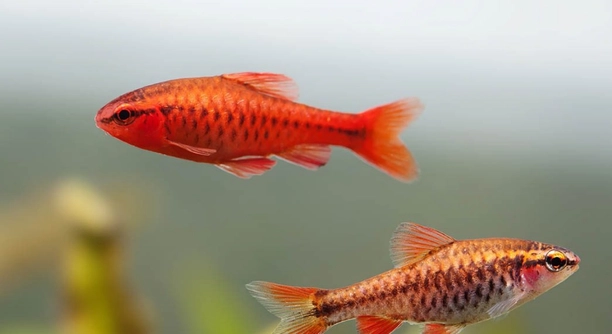
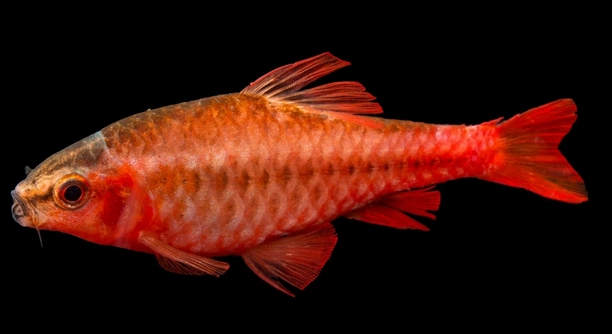
Cherry Barbs are beautiful and active fish that can sometimes experience fin damage. It is important to address this issue promptly to ensure they remain healthy. Understanding how to support their recovery is essential for their well-being. To help a Cherry Barb with fin damage, ensure a clean and stable environment. Monitor water parameters such … Read more
7 Subtle Clues Cherry Barbs Use to Communicate

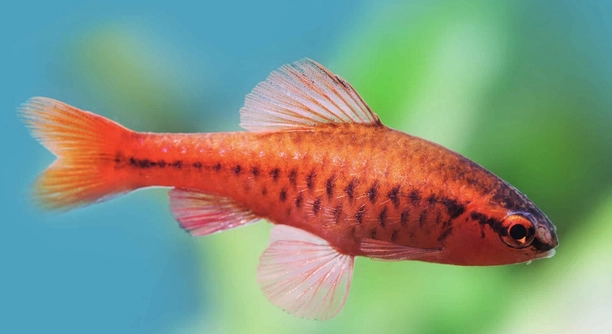
Cherry barbs are fascinating creatures that communicate through subtle behaviors. These small fish rely on various signals to interact with each other, revealing their moods and intentions in ways that may not be immediately obvious. Cherry barbs utilize a range of visual and behavioral cues to communicate, including body movements, fin displays, and changes in … Read more

What Happens If You Keep a Lone Cherry Barb?

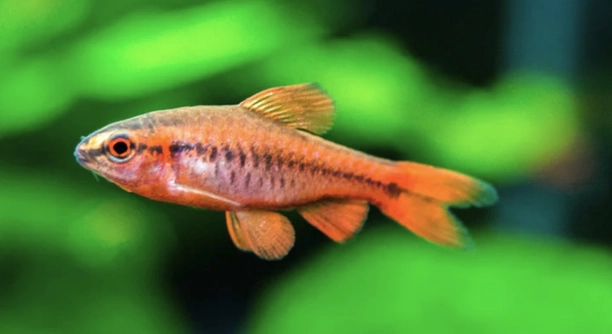
Have you ever brought home a cherry barb and wondered how it would do on its own in your aquarium? These small, colorful fish are popular among beginners and often chosen for their vibrant appearance and peaceful behavior. Keeping a lone cherry barb can lead to stress, reduced activity, and a weakened immune system. These … Read more

Are Cherry Barbs OK in Bare-Bottom Tanks?

Cherry barbs are a popular and colorful fish that can thrive in various aquarium setups. Their peaceful nature makes them an appealing choice for many hobbyists, but proper tank conditions are important for their well-being. Cherry barbs can live in bare-bottom tanks as long as the water quality is well-maintained. These tanks require consistent cleaning … Read more

7 Tricks to Condition Cherry Barbs for Spawning

Cherry barbs are vibrant fish, often chosen for their stunning colors and playful nature. However, conditioning them for spawning can be a bit tricky. Understanding the right approach can make a big difference in their breeding success. Conditioning cherry barbs for spawning requires the right environment, diet, and water conditions. Ensuring proper water temperature, a … Read more

Why Are Cherry Barbs Rubbing Against Decor?

Cherry barbs are popular freshwater fish, often kept in home aquariums for their vibrant colors and active nature. However, you might notice them rubbing against the decor in your tank. This behavior can be puzzling for new fish owners. The behavior of cherry barbs rubbing against tank decorations is typically due to irritation caused by … Read more

7 Things to Add for a Cherry Barb Spa-Like Tank

Creating a comfortable, healthy environment for your Cherry Barbs is essential to their well-being. A well-maintained tank that mimics their natural habitat will enhance their color and activity. Several key additions can help achieve this spa-like atmosphere. To create a serene, spa-like tank for your Cherry Barbs, consider adding soft plants, a gentle filter, hiding … Read more

Are Cherry Barbs Safe with Nerite Snails?

Cherry Barbs and Nerite Snails are popular aquarium choices. Both species add beauty and function to your tank, but it’s important to consider their compatibility for a peaceful environment. Knowing how they interact can help prevent conflicts. Cherry Barbs are generally peaceful and non-aggressive, making them safe to house with Nerite Snails. However, monitoring the … Read more

Why Is My Cherry Barb Swimming Weird? (+7 Causes)

If your cherry barb is swimming in a way that seems unusual, it can be concerning. Various factors could contribute to this behavior, and understanding them is crucial to ensure your fish’s well-being. The primary reason for abnormal swimming in cherry barbs is stress, often caused by poor water quality, incorrect tank conditions, or even … Read more

Why Are Cherry Barbs So Popular with Aquascapers?

Cherry barbs are becoming a favorite among aquascapers, known for their small size, striking colors, and peaceful nature. They fit well in both beginner and advanced aquascapes, making them a popular choice for various aquatic environments. The popularity of cherry barbs in aquascaping stems from their vibrant color and adaptability. They thrive in well-planted tanks … Read more