
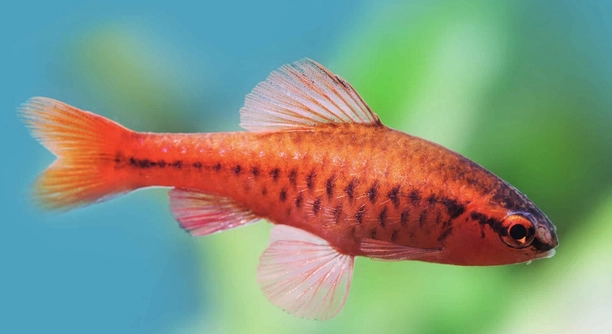
Have you ever walked past a tank of bright red fish and thought about bringing some home for your own aquarium?
Cherry barbs are small, peaceful freshwater fish that thrive in well-maintained community tanks. They require stable water conditions, a balanced diet, and group companionship to remain healthy and active. Proper care is key to long-term success.
Before adding them to your tank, it helps to understand their behavior, space needs, and preferred environment.
Cherry Barbs Like to Be in Groups
Cherry barbs are schooling fish and feel most secure when kept in groups of at least six. When alone or in small numbers, they can become shy or stressed, often hiding more and displaying duller colors. In a group, their behavior changes noticeably—they swim actively, show off their rich red hues, and interact more freely. This social structure also helps reduce aggressive behavior and gives each fish a better chance to establish its space. If you plan to add cherry barbs to your tank, consider the size of your aquarium to accommodate a small school comfortably. A minimum 20-gallon tank is ideal for a group of six, allowing enough room for swimming and hiding spots. The more space and companions they have, the more confident and vibrant they become. Their natural tendencies are best supported by replicating their social needs in a safe, well-planted environment.
Cherry barbs rely on group interaction to feel safe. When kept in the right numbers, they become more confident and show brighter colors.
To see their true personalities, it’s best to provide them with a comfortable group size. This also helps them feel secure, reducing stress and boosting overall health.
They Prefer a Calm Environment
Cherry barbs thrive in calm waters with steady conditions. Loud filtration systems or constant disruptions can make them nervous or cause them to hide. Aim for a low-flow setup, soft lighting, and lots of live plants.
Setting up the right environment for cherry barbs involves more than just water quality. These fish originate from slow-moving streams and shaded waters, so replicating that helps reduce stress. Use gentle filters to keep the current low and choose soft or neutral lighting to mimic their natural surroundings. Adding live plants not only gives them places to hide but also improves oxygen and water quality. Driftwood and smooth rocks provide great cover without sharp edges that might hurt them. A peaceful tank also means choosing compatible tank mates—fish that don’t chase or nip at them. Think small, peaceful species that won’t compete aggressively for space or food. This calm setup keeps your cherry barbs active, healthy, and beautifully colored, while helping to avoid unwanted stress-related issues.
They Need Clean, Stable Water
Cherry barbs do best in water that stays between 74°F and 80°F with a pH of 6.0 to 7.5. Stable conditions help prevent stress, illness, and poor coloring, so regular maintenance and monitoring are essential for keeping them healthy.
Consistent water quality makes a noticeable difference in the way cherry barbs behave and look. Weekly partial water changes help reduce waste buildup, and using a reliable water test kit allows you to keep an eye on ammonia, nitrites, and nitrates. Avoid sudden changes in temperature or pH, as this can lead to stress-related issues. A heater and a sponge filter or other gentle filtration system will keep things steady without creating strong currents. Also, avoid overfeeding, since leftover food can quickly foul the water. Clean substrate and regular filter maintenance are key. Clear, balanced water helps your fish thrive and brings out their full color and active personalities.
Good water conditions don’t need to be complicated, but they do require consistency. Even a few missed cleanings can affect your fish more than you might expect. Clean water supports strong immunity and encourages natural behaviors. With steady upkeep, cherry barbs will remain active, colorful, and easy to observe every day.
They Can Be Shy Around Aggressive Tank Mates
Cherry barbs are peaceful and do not do well with aggressive or fin-nipping species. Fast, territorial fish may stress them out or prevent them from feeding. This can lead to hiding, weight loss, or dull coloring.
It’s important to choose tank mates carefully when keeping cherry barbs. Good companions include peaceful fish like neon tetras, cory catfish, or rasboras—species that won’t compete aggressively for food or space. Avoid pairing them with large or fast fish that may chase or harass them. Cherry barbs feel more confident when they are not constantly defending their space or being startled. If housed with the wrong types of fish, they might stay hidden or show less interest in their environment. A community tank should feel relaxed and well-balanced. Observing how different species interact will also help you make changes if needed. Providing plenty of hiding spaces and plants gives barbs the option to retreat when necessary.
They Enjoy a Varied Diet
Cherry barbs are not picky eaters, but variety is important. Offer a mix of high-quality flakes, pellets, and occasional treats like frozen or live foods to keep them healthy and active.
Supplementing with brine shrimp, daphnia, or bloodworms once or twice a week can improve color and boost energy.
They May Breed Easily in the Right Conditions
Cherry barbs are egg-scattering fish and will breed if the conditions are right. To encourage breeding, provide a separate tank with soft, slightly acidic water and fine-leaved plants for the eggs to stick to. Feed the adults high-protein food before breeding, and remove them once eggs are laid to prevent them from eating the eggs. The eggs usually hatch within two days, and fry should be fed infusoria or powdered fry food until they are large enough for crushed flakes. With patience and a little planning, you can successfully raise a small group of young cherry barbs at home.
They Like a Planted Tank
A planted tank gives cherry barbs places to hide and rest. It also helps keep them calm and brings out their natural behaviors.
FAQ
How many cherry barbs should I keep together?
Cherry barbs are social fish and should be kept in groups of at least six. In smaller groups, they may feel stressed and hide more often. A group allows them to interact with each other, boosting their confidence and helping them thrive. The more space and companions they have, the more vibrant and active they become.
Can cherry barbs live with other fish?
Yes, cherry barbs are peaceful and do well with other non-aggressive species. Tankmates like neon tetras, rasboras, and small catfish are ideal. Avoid keeping them with larger, more aggressive fish, as cherry barbs can become stressed or even injured. The key is choosing peaceful species that don’t compete too aggressively for food or space.
Do cherry barbs need a heater?
Yes, cherry barbs are tropical fish and require a consistent water temperature between 74°F and 80°F. Using a heater helps maintain stable conditions, especially in colder climates or during temperature fluctuations. Keeping the water temperature within this range promotes optimal health and active behavior.
What size tank do cherry barbs need?
A minimum of a 20-gallon tank is recommended for a group of six cherry barbs. This size provides enough swimming space and allows for proper water filtration. A larger tank can help maintain stable water conditions and give your fish room to explore. Proper tank size is important for their overall well-being.
Can cherry barbs breed in my tank?
Yes, cherry barbs can breed in a well-maintained tank with proper conditions. To encourage breeding, you’ll need to provide soft, slightly acidic water and plenty of fine-leaved plants where the female can lay her eggs. It’s important to separate the adults from the eggs after spawning, as they may eat them. The fry should be fed powdered food or infusoria until they’re large enough for regular food.
What do cherry barbs eat?
Cherry barbs are omnivores and will eat a variety of foods, including high-quality flakes, pellets, and occasional live or frozen food like brine shrimp, daphnia, or bloodworms. A varied diet helps maintain their health and bright color. Avoid overfeeding, as leftover food can foul the water.
Are cherry barbs easy to care for?
Yes, cherry barbs are relatively low-maintenance fish. They don’t require complicated care routines, but they do need stable water conditions, a balanced diet, and a group of companions to thrive. Regular water changes and monitoring of water parameters will help ensure their long-term health.
Do cherry barbs get along with other fish?
Generally, yes. Cherry barbs are peaceful and can coexist with many community fish, provided their tankmates are also non-aggressive. They do best with other calm species. Avoid pairing them with large, territorial fish or those that might nip at their fins. It’s important to create a harmonious tank environment.
Why are my cherry barbs not eating?
If your cherry barbs are not eating, it could be due to stress, poor water conditions, or an improper diet. Check the water parameters to ensure they are within the right range. Make sure the food is fresh and appropriate for their diet. Stress from tank mates or environment changes can also cause them to lose appetite.
Can cherry barbs live in cold water?
Cherry barbs are tropical fish and cannot live in cold water. Their ideal temperature range is between 74°F and 80°F. If kept in colder water, they may become sluggish, stressed, or even die. Ensure that your tank has a reliable heater to maintain the proper temperature for their health.
How do I know if my cherry barbs are happy?
Healthy and happy cherry barbs are active and social. They swim freely throughout the tank, show bright colors, and interact with their tankmates. If your fish are hiding for extended periods, have dull colors, or seem lethargic, this may indicate stress or poor water conditions that need addressing.
What type of water is best for cherry barbs?
Cherry barbs prefer soft to moderately hard water with a pH between 6.0 and 7.5. They thrive in slightly acidic to neutral water conditions. Regularly test your water parameters to ensure they’re within the recommended range. Consistency in water quality is crucial for keeping your cherry barbs healthy and active.
Can I keep cherry barbs in a nano tank?
Cherry barbs can be kept in a small tank, but a nano tank may not provide enough space for them to feel comfortable. A 10-gallon tank might work for a small group, but a 20-gallon tank is ideal for their long-term well-being. Ensure the tank is well-filtered and offers enough hiding spots.
Why are my cherry barbs turning pale?
Paleness in cherry barbs is often a sign of stress, illness, or poor water quality. Check your tank’s water parameters and ensure the temperature and pH are within the recommended range. Stress from incompatible tank mates, overcrowding, or inadequate diet can also lead to dull colors.
Do cherry barbs need special lighting?
Cherry barbs don’t require special lighting, but they do benefit from a natural day-night cycle. A gentle, low to moderate lighting setup works best for them. Bright or harsh lighting may cause them to hide or become stressed. A dimmer light with some shading can help them feel more comfortable.
Can cherry barbs live with shrimp?
Yes, cherry barbs can live with shrimp, especially peaceful species like ghost shrimp or Amano shrimp. However, larger shrimp species might be at risk of being eaten by the barbs. It’s best to monitor interactions to ensure both the shrimp and the fish are comfortable and safe.
Are cherry barbs susceptible to diseases?
Like all fish, cherry barbs are susceptible to various diseases if not properly cared for. Poor water quality, stress, and incompatible tank mates can weaken their immune system, making them more vulnerable to infections. Regular water changes, monitoring water parameters, and feeding a balanced diet will help keep them healthy.
Final Thoughts
Cherry barbs are a great choice for any community tank. They are peaceful, active, and relatively easy to care for. With their bright colors and social nature, they make a vibrant addition to your aquarium. Their small size also means they don’t require a large tank, making them suitable for beginners or those with limited space. However, like all fish, they need the right environment to thrive. Maintaining stable water conditions, providing a varied diet, and ensuring they have enough tank mates to interact with will help keep your cherry barbs happy and healthy.
Their peaceful nature allows them to live well with many other fish species. However, it’s important to choose tank mates that are also calm and non-aggressive. Cherry barbs do best in groups of six or more, so consider the size of your tank when planning to add them. A 20-gallon tank is usually ideal for a small group, providing enough space for them to swim and interact. By keeping them with other non-aggressive species like tetras or rasboras, you can create a harmonious aquarium environment where your fish feel safe and stress-free.
If you’re considering breeding cherry barbs, you’ll find that they can easily reproduce in the right conditions. With soft, slightly acidic water and plenty of hiding spots for eggs, you may see your barbs breeding naturally. However, be prepared to separate the adults from the eggs to prevent them from eating them. Cherry barbs are resilient fish and will generally adapt well to their environment as long as it’s well-maintained. Keeping a close eye on water quality and making sure they’re fed a balanced diet will help ensure that they live long, healthy lives.

Hello,
If you enjoy the content that we create, please consider saying a "Thank You!" by leaving a tip.
Every little bit helps us continue crafting quality advice that supports the health, happiness, and well-being of pets around the world, for pets of all shapes, sizes, and species.
We really appreciate the kindness and support that you show us!