
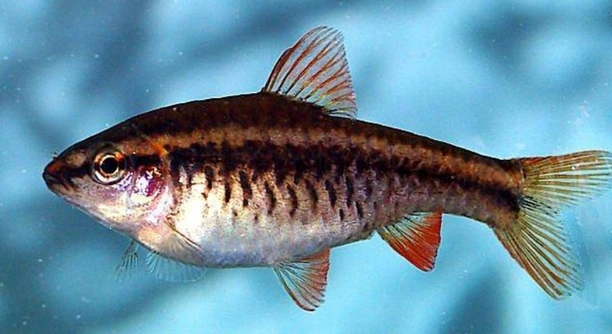
Cherry barbs are known for their energetic personalities. When these small, colorful fish get excited, they exhibit unique behaviors that make them stand out in aquariums. Understanding these actions can enhance your appreciation for their lively nature.
Cherry barbs display excitement through behaviors like rapid swimming, color intensification, fin displays, chasing, jumping, and increased interaction with tank mates. These signs are often seen during feeding, territorial moments, or when they sense changes in their environment.
Observing these activities can help you better understand your cherry barb’s excitement and enhance their care.
Rapid Swimming and Increased Activity
One of the most noticeable signs of excitement in cherry barbs is their rapid swimming. When they’re excited, you’ll often see them dart around the tank, moving quickly from one spot to another. This sudden burst of energy is often seen during feeding time, when they eagerly swim towards food or react to changes in the tank environment. Their quick movements may also happen when they’re interacting with tank mates or sensing a new presence in the water. Cherry barbs are naturally curious and will explore their surroundings more energetically when they’re feeling excited.
They often swim in a zig-zag or erratic pattern, especially when they feel a sudden shift in their environment. The speed at which they move can indicate their level of excitement or alertness. This behavior may also serve as a way to claim territory or show dominance within a group.
These energetic bursts are typically harmless and part of their natural instincts. However, if you notice excessive swimming or stress-related behavior, it’s important to check if the tank environment is comfortable. A consistent environment with minimal disturbances can help prevent overstimulation and maintain a healthy balance.
Color Enhancement and Vibrant Displays
Cherry barbs often exhibit vibrant color changes when excited. Their red and orange hues become more intense, especially during moments of activity or interaction with others. This color enhancement is a clear visual sign of their heightened emotional state.
Color changes in cherry barbs are influenced by several factors, including excitement and mating behavior. When the fish are in their natural state of excitement, their colors become more vivid, making them even more visually striking in the aquarium. This is a natural display of their energy and emotional response to their surroundings. The brightness of their coloration can also serve as a signal to other fish or potential mates. A more intense red color is often associated with mating readiness and territorial behavior.
Understanding these subtle color cues can help you gauge the excitement levels of your cherry barbs and make adjustments to their environment if necessary. If your cherry barbs are consistently showing bright colors, it could be an indication they are feeling comfortable and secure. However, if they appear pale or dull, it might be worth assessing the tank conditions to ensure their well-being.
Fin Displays and Flared Fins
When cherry barbs get excited, they often display their fins more prominently. The usually subtle fin displays become more pronounced, especially the pectoral and dorsal fins. This behavior is often seen when they are communicating with other fish or showing territoriality.
Flared fins can indicate that your cherry barb is trying to assert dominance or attract attention from a mate. This behavior is not only visually striking but also a sign of their active engagement with their surroundings. In some cases, it can also indicate a display of aggression towards other tank mates. Cherry barbs use these displays to establish their position within the tank’s social hierarchy.
In some situations, however, overly aggressive fin displays can result in stress or injury. It’s important to ensure that your tank is adequately sized and that there are enough hiding spots for each fish to reduce the likelihood of territorial disputes. Monitoring their behavior closely can help prevent conflicts from escalating.
Chasing and Playful Interactions
Cherry barbs often engage in playful chasing when they’re excited. These playful pursuits typically occur among tank mates, especially if there’s an element of competition or curiosity. They might chase each other through the tank, weaving in and out of plants or other decorations.
Chasing is part of their social interaction and may not always be an aggressive behavior. Instead, it can be a way for them to establish dominance or just a form of play. This behavior is especially common when they feel safe and secure in their environment, and they have plenty of space to move around. If they feel crowded or stressed, chasing can escalate into aggressive behavior, which may result in injury.
It’s important to observe how your cherry barbs interact with each other. If the chasing appears excessive or aggressive, it may indicate that the tank is overcrowded or that there’s not enough stimulation to keep them engaged. Providing ample space and hiding spots can help maintain a healthy environment.
Jumping and Escaping Attempts
Cherry barbs may jump when excited, especially if they are startled or stressed. This behavior is often seen when they sense a sudden movement outside the tank or during water changes. It’s their way of responding to a perceived threat or disturbance.
Jumping can be dangerous for your cherry barbs. If they’re not in a secure tank environment, they may escape and fall, which could lead to injury or stress. Ensuring your tank has a lid or cover can help prevent this. The lid also maintains a stable environment, minimizing unnecessary stress.
Increased Interaction with Tank Mates
Cherry barbs become more interactive with their tank mates when they are excited. During these moments, they might swim closer to each other, display active body movements, and even engage in brief social interactions. This behavior is often linked to their natural instinct to socialize with other fish.
When excited, these interactions can be either playful or aggressive, depending on the tank environment. If there are enough hiding spots, the more reserved barbs will feel comfortable joining in, and interactions will remain peaceful. However, overcrowding can lead to territorial disputes. Maintaining the right tank balance is key.
Territorial Behavior and Marking Areas
Cherry barbs show territorial tendencies when they’re excited, often marking areas of the tank as their own. They do this by chasing other fish away from their preferred spots or by displaying more dominant postures. This behavior helps establish hierarchy among the fish.
It’s essential to provide your cherry barbs with ample space and hiding spots to prevent constant territorial disputes. When multiple males are present, they may compete for territory, which can lead to stress or injury. Regularly monitoring interactions helps maintain a peaceful environment.
FAQ
How can I tell if my cherry barb is excited?
Cherry barbs exhibit several signs when excited, such as rapid swimming, enhanced coloration, and increased interaction with tank mates. They may also display flared fins or engage in chasing behaviors. Observing their behavior during feeding times or when the tank environment changes can provide clear indicators of excitement. The intensity of these actions can vary, but they typically occur when they feel safe, stimulated, or challenged by their environment.
Is it normal for my cherry barb to jump when excited?
Yes, jumping can be a normal response when cherry barbs get excited, especially if they’re startled or feel threatened. This is often seen when there’s a sudden movement outside the tank or during water changes. However, jumping can also be a sign of stress or overcrowding. It’s important to ensure the tank is secure, with a lid to prevent accidental escapes, and that the environment remains calm to reduce unnecessary triggers.
What causes cherry barbs to display more vivid colors?
Cherry barbs’ colors intensify when they are excited or in breeding condition. The red and orange hues in males become more vibrant during social interactions, territorial displays, or when competing for mates. This color change is an indication of their heightened emotional state, signaling either readiness for mating or territorial dominance. Monitoring the behavior and the tank environment will help you understand whether the color changes are related to excitement, mating, or stress.
How do cherry barbs interact with each other when excited?
When cherry barbs are excited, they often increase their interaction with other fish in the tank. This could involve playful chasing, more frequent social swimming, or displays of dominance. In a peaceful environment, these interactions are usually playful, but in an overcrowded or stressful setting, they may become more aggressive. These interactions help establish social hierarchies among the fish. It’s important to monitor how your cherry barbs are interacting to ensure no one is overly stressed.
Why do cherry barbs chase each other?
Chasing is a common behavior among cherry barbs, especially when they are excited. It can be a form of play, a way to establish dominance, or a response to environmental changes. Males, in particular, might chase each other as a way to compete for territory or mates. While this is often harmless, excessive chasing could lead to stress or injuries, so it’s essential to make sure the tank has enough space and hiding spots to allow the fish to retreat when needed.
Do cherry barbs fight when they’re excited?
Cherry barbs may display aggressive behaviors, such as chasing and fin flaring, when excited, but fighting is relatively uncommon unless they feel threatened or overcrowded. Most aggression happens during territorial disputes or mating competition. To reduce the risk of fighting, it’s important to maintain a balanced tank, avoid overcrowding, and provide plenty of hiding spots. If aggression becomes a consistent problem, it may be necessary to adjust the fish population or add more plants and structures to the tank.
How can I reduce stress for my cherry barbs?
To minimize stress for your cherry barbs, ensure that the tank is adequately sized, with plenty of hiding spots and plant coverage. Avoid overcrowding, as this can lead to territorial disputes and heightened aggression. Maintain stable water conditions, with a consistent temperature and clean water, and limit sudden changes to the tank. Providing a secure and calm environment will help your cherry barbs feel comfortable and reduce stress-induced behaviors.
Are cherry barbs good community fish?
Yes, cherry barbs are generally peaceful and make excellent community fish. They do well with other non-aggressive species, as long as they are not housed with overly dominant fish. Their social nature makes them enjoyable to keep in a community tank, but they should be kept with compatible species that won’t provoke their territorial instincts. Keeping a few cherry barbs together is ideal, as they are social and enjoy the company of their own kind.
Can cherry barbs become territorial?
Cherry barbs can exhibit territorial behavior, particularly during times of excitement or when competing for mates. Males may chase each other or other fish away from specific areas in the tank. This behavior is more common in smaller tanks, where space is limited, and resources such as hiding spots or food become contested. To reduce territorial issues, provide plenty of space, hiding spots, and plants in the tank to allow the fish to establish their own territory without constant conflict.
How can I tell if my cherry barb is stressed?
Signs of stress in cherry barbs can include faded coloration, erratic swimming patterns, hiding more often, or aggression towards tank mates. If they are showing signs of stress, check for environmental issues such as poor water quality, temperature fluctuations, or overcrowding. Stress can also occur if the fish feel threatened by other more aggressive species in the tank. Ensuring that the environment is stable and providing them with a peaceful habitat can help reduce stress and keep your cherry barbs healthy.
Do cherry barbs need a lot of space?
While cherry barbs are small, they still need enough space to move around comfortably. In a smaller tank, they may become more stressed or aggressive. A tank of at least 20 gallons is recommended for a small group of cherry barbs to ensure they have enough room to swim and establish territories. Larger tanks with plants and hiding spots provide a more natural and less stressful environment, allowing them to exhibit more relaxed behaviors.
What temperature do cherry barbs prefer?
Cherry barbs thrive in warm water, with an ideal temperature range between 72°F and 79°F (22°C to 26°C). Keeping the water within this range will ensure that your cherry barbs remain healthy and active. Temperatures that are too low or too high can stress the fish, leading to changes in behavior, such as decreased activity or loss of appetite. Monitoring the temperature regularly and using a heater if necessary can help maintain stable conditions for your cherry barbs.
Are cherry barbs easy to care for?
Cherry barbs are relatively easy to care for, as long as their basic needs are met. They require stable water conditions, a balanced diet, and enough space to swim and socialize. They are also adaptable to a variety of tank setups, making them suitable for both beginners and experienced aquarium owners. Regular water changes, proper filtration, and tank maintenance are essential to keeping your cherry barbs healthy and happy.
Final Thoughts
Cherry barbs are fascinating fish that display a range of behaviors when excited. From their colorful displays to their increased interaction with tank mates, these small fish offer a lot to observe. Their natural tendency to get excited can make them seem more active, especially during feeding or environmental changes. Understanding these behaviors can help you provide a better environment for your cherry barbs, ensuring they remain healthy and happy.
While their excitement can lead to playful interactions, it’s important to recognize when their behaviors may indicate stress or territorial issues. Overcrowding, poor water quality, or sudden changes in the environment can lead to negative reactions in cherry barbs. By maintaining a stable tank setup and avoiding stressors, you can prevent these issues and allow your fish to thrive. Regular water changes, monitoring their interactions, and ensuring they have enough space are key to a balanced environment.
In the end, cherry barbs are low-maintenance, peaceful fish that make great additions to a community tank. Their playful nature and ability to socialize with other species make them enjoyable to keep. By paying attention to their behavior and providing the right conditions, you can ensure your cherry barbs live long, healthy lives and continue to brighten up your aquarium.

Hello,
If you enjoy the content that we create, please consider saying a "Thank You!" by leaving a tip.
Every little bit helps us continue crafting quality advice that supports the health, happiness, and well-being of pets around the world, for pets of all shapes, sizes, and species.
We really appreciate the kindness and support that you show us!