
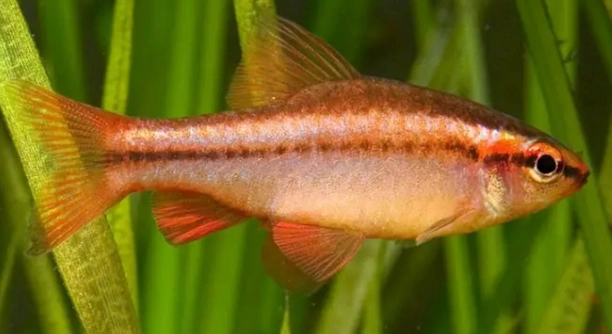
Cherry Barbs are a popular fish in freshwater aquariums, known for their vibrant colors and peaceful nature. When keeping them, many wonder if they can coexist with shrimp. This question is important for anyone planning a community tank.
Cherry Barbs can generally live with shrimp, provided the tank is appropriately set up. They are peaceful, but may occasionally nip at smaller shrimp. Ensuring plenty of hiding spots for shrimp and maintaining a peaceful environment can improve compatibility.
Understanding these factors will help you create a thriving, harmonious tank for both your Cherry Barbs and shrimp.
Factors Affecting Compatibility Between Cherry Barbs and Shrimp
The success of keeping Cherry Barbs with shrimp depends on several factors, such as tank size, shrimp species, and the general temperament of the fish. Larger tanks with plenty of hiding spots offer shrimp a chance to escape if they feel threatened. It’s essential to choose shrimp species that are less likely to be intimidated by Cherry Barbs, such as Amano or Ghost Shrimp, which are more resilient. Additionally, water parameters like temperature and pH should be stable, as both species prefer similar conditions.
Cherry Barbs are peaceful but might occasionally nip at shrimp, especially if they are small or slow-moving. Keeping an eye on the interaction and adjusting the tank setup can help improve their relationship.
Providing plenty of plants, decorations, and rocks creates hiding spots for shrimp. This environment helps keep them safe from potential aggression and ensures that Cherry Barbs stay well-fed. These elements allow both species to coexist peacefully without too much disruption in the tank.
Tank Setup and Care
A proper tank setup is critical for maintaining harmony between Cherry Barbs and shrimp. It’s essential to maintain a stable and clean tank environment. Regular water changes and proper filtration ensure good water quality, preventing stress that could lead to aggression or health problems for both species.
A well-maintained tank provides an environment where both the fish and shrimp can thrive. Proper lighting and a natural habitat with plants and rocks mimic their native surroundings, allowing both to exhibit natural behavior. Shrimp are bottom dwellers and enjoy scavenging, while Cherry Barbs prefer swimming in the mid to upper levels of the tank. When each has its space, they’re more likely to coexist peacefully.
Cherry Barb Behavior in Community Tanks
Cherry Barbs are generally peaceful, but they can sometimes display territorial behavior, especially if the tank is too small or overcrowded. They are not aggressive by nature but may become slightly more territorial during breeding. It’s important to monitor their interactions with other species, including shrimp.
Their behavior is mostly calm, but Cherry Barbs can chase smaller tank mates, like shrimp, especially if they feel crowded. Providing plenty of hiding spots for shrimp can help reduce stress. If the fish have enough space to establish their territory, they will focus less on their tank mates.
They do well in peaceful community tanks, as long as the tank setup includes plenty of plants and hiding places for shrimp. Cherry Barbs tend to be active and playful, often swimming in schools. When they are busy and have room to roam, they are less likely to harass shrimp or other small tank mates.
Shrimp Behavior in a Mixed Tank
Shrimp, particularly species like Amano and Ghost Shrimp, are relatively peaceful and shy in a community tank. They spend most of their time scavenging on the tank’s floor and hiding in plants or rocks. Their quiet nature helps them avoid conflict, even with fish like Cherry Barbs.
Shrimp are bottom-dwelling creatures, which means they often stay out of the way of more active fish like Cherry Barbs. When they do interact, it’s usually when feeding, and they are quick to dart to safety if they feel threatened. However, larger shrimp can sometimes hold their ground if a Cherry Barb is too inquisitive.
Providing plenty of plants and other hiding spots gives shrimp the opportunity to feel secure. In the right environment, they can live alongside Cherry Barbs without much issue, as both species have their own space and habits.
Tank Size and Setup for Cherry Barbs and Shrimp
A larger tank, at least 20 gallons, is ideal for keeping Cherry Barbs with shrimp. This provides enough space for both species to establish their own areas. Overcrowding can lead to stress and territorial behavior. A well-planted tank with plenty of hiding spots is key.
A spacious tank reduces the risk of aggression, allowing both Cherry Barbs and shrimp to thrive. The plants and rocks offer cover for shrimp, while Cherry Barbs swim freely. The tank should also be equipped with a good filtration system and regular water changes to maintain a healthy environment.
Best Shrimp Species for Cherry Barb Tanks
Amano Shrimp and Ghost Shrimp are good choices for Cherry Barb tanks. They are more resilient and less likely to be intimidated by the fish. These shrimp are active scavengers and can handle minor disturbances from Cherry Barbs without being harmed.
Potential Risks of Keeping Shrimp with Cherry Barbs
While Cherry Barbs are peaceful, smaller or weaker shrimp may become targets if they cannot escape. Ensuring that shrimp have places to hide is essential. Without these refuges, shrimp might be stressed or even harmed by more curious fish.
FAQ
Can Cherry Barbs eat shrimp?
Cherry Barbs will not typically eat adult shrimp but may attempt to snack on smaller, weaker shrimp or their eggs. While they are not predatory, their curiosity can lead them to nibble on shrimp if they come across them. It’s essential to provide hiding spots for shrimp to prevent this from happening. As long as the shrimp are large enough and have safe spaces in the tank, the risk of them being eaten is minimal.
Will Cherry Barbs harm shrimp?
Cherry Barbs are generally peaceful but might nip at shrimp in certain situations, especially if the shrimp are small or slower-moving. Fish that are more active or have a more aggressive nature could see shrimp as potential prey. The chances of harm increase if the tank is too small or if the shrimp cannot find sufficient hiding spaces. Ensuring the shrimp have places to hide can reduce the likelihood of any issues.
How can I make sure my Cherry Barbs and shrimp get along?
The best way to ensure Cherry Barbs and shrimp coexist peacefully is by setting up the tank with ample hiding spots for the shrimp. Plants, rocks, and decorations give shrimp a safe place to retreat. Additionally, providing a large enough tank with enough space for both species to establish their territories can help prevent aggression. Regularly monitoring their interactions and ensuring they have compatible water conditions also contributes to a stress-free environment.
Can Cherry Barbs live with all types of shrimp?
Not all types of shrimp are suitable for living with Cherry Barbs. Smaller or more delicate shrimp species, like Cherry Shrimp, are more likely to be at risk of being nipped or eaten. Hardier shrimp, such as Amano Shrimp or Ghost Shrimp, tend to be more resilient and have a better chance of thriving alongside Cherry Barbs. It is essential to choose shrimp species that are fast enough to evade any potential aggression from the fish.
How do I ensure my shrimp stay safe from Cherry Barbs?
To keep shrimp safe from Cherry Barbs, create a well-planted tank with plenty of hiding places. Shrimp thrive in environments that mimic their natural habitats, so adding dense vegetation, rocks, and other decorations can give them the security they need. Additionally, keeping the tank size large enough (at least 20 gallons) ensures that there is enough space for both species to coexist without overcrowding, which could lead to stress or territorial behavior.
What tank conditions do Cherry Barbs and shrimp need to thrive?
Cherry Barbs and shrimp prefer similar tank conditions, including a stable temperature of 72°F to 80°F (22°C to 27°C) and a slightly acidic to neutral pH (6.5 to 7.5). The water should be well-filtered and regularly changed to maintain good water quality. A tank with stable parameters will reduce stress on both species, helping them thrive together. Keeping the tank clean, well-maintained, and free of harmful chemicals is crucial for ensuring both the Cherry Barbs and shrimp remain healthy.
What is the best feeding strategy for Cherry Barbs and shrimp in the same tank?
Cherry Barbs are omnivores and will eat a variety of foods, including pellets, flakes, and live or frozen foods. Shrimp, on the other hand, are scavengers and will eat leftover food, algae, and detritus from the tank floor. To ensure both species are fed properly, it’s a good idea to provide sinking food for the shrimp and surface food for the Cherry Barbs. Offering a variety of foods will ensure that both species receive proper nutrition without competing for the same food source.
Do Cherry Barbs need to be kept in schools?
While Cherry Barbs do not require a large school, they do better in groups of at least three to five individuals. They are social fish that feel more secure and exhibit natural behaviors when kept in a small group. Keeping them in a group can reduce stress and prevent them from becoming overly territorial, which benefits all the tank’s inhabitants, including shrimp.
How often should I check on the interactions between my Cherry Barbs and shrimp?
It’s a good idea to observe your tank regularly, especially in the beginning, to ensure that the Cherry Barbs and shrimp are coexisting peacefully. Monitor the shrimp for signs of stress, such as hiding more frequently or becoming less active. If any aggressive behavior is noticed, consider adjusting the tank setup by adding more hiding spots or rearranging decorations to create more space.
Are there any signs that my shrimp are stressed by the Cherry Barbs?
Signs of stress in shrimp include frequent hiding, reduced activity, faded colors, and molting problems. If the shrimp are constantly retreating to hiding spots or seem more sluggish than usual, it may indicate that they are feeling threatened. A stressed shrimp may also stop eating or appear less active during feeding times. If you notice these signs, it may be helpful to adjust the tank environment or remove any aggressive fish.
Can Cherry Barbs breed in a tank with shrimp?
Yes, Cherry Barbs can breed in a tank with shrimp. The shrimp will not interfere with the breeding process. However, it’s important to make sure the tank has appropriate hiding spots for the fry once they hatch. Cherry Barbs are egg scatterers, and the fry are vulnerable to being eaten by other fish, including adults. Providing dense plant cover can help protect the fry while they grow.
Will Cherry Barbs outcompete shrimp for food?
While Cherry Barbs are active eaters, they are not typically aggressive enough to outcompete shrimp for food, especially if you feed the tank appropriately. By providing sinking food for the shrimp and surface food for the Cherry Barbs, both species can be well-fed. It’s important to monitor the feeding process to ensure that shrimp have access to food, especially if they are more passive feeders.
Can I add new shrimp to a tank with Cherry Barbs?
Yes, you can add new shrimp to a tank with Cherry Barbs, but it’s essential to monitor the tank closely after doing so. Ensure that the shrimp are large enough to avoid being targeted by the Cherry Barbs, and provide plenty of hiding spaces for them. Adding new shrimp gradually can help the Cherry Barbs adjust to their presence and reduce any potential aggression.
Final Thoughts
Cherry Barbs and shrimp can coexist in the same tank under the right conditions. Both species benefit from a peaceful environment with plenty of hiding spots and a spacious tank. By setting up a tank that includes plants, rocks, and decorations, you can provide shrimp with safe spaces to retreat to when necessary. These hiding spots help minimize the risk of Cherry Barbs interacting aggressively with the shrimp. A well-maintained tank with proper filtration and water conditions will also reduce stress for both species.
Choosing the right shrimp species is another important factor to consider. Hardier shrimp like Amano or Ghost Shrimp are better suited to life with Cherry Barbs compared to smaller, more delicate species. They can better withstand any potential disturbances from the fish and are less likely to become prey. It’s important to avoid overcrowding the tank, as this can increase stress levels and lead to aggression. A larger tank, preferably 20 gallons or more, will allow both Cherry Barbs and shrimp to establish their territories and reduce the risk of conflict.
While Cherry Barbs are not typically aggressive, it’s important to monitor their interactions with shrimp, especially when first introduced. Some species of shrimp may be more vulnerable, and it’s crucial to provide ample cover to keep them safe. With the right tank setup, feeding strategy, and careful selection of shrimp species, it’s possible for Cherry Barbs and shrimp to live harmoniously together. By ensuring both species have the space and resources they need, you can create a thriving tank where both Cherry Barbs and shrimp can enjoy their environment.

Hello,
If you enjoy the content that we create, please consider saying a "Thank You!" by leaving a tip.
Every little bit helps us continue crafting quality advice that supports the health, happiness, and well-being of pets around the world, for pets of all shapes, sizes, and species.
We really appreciate the kindness and support that you show us!