
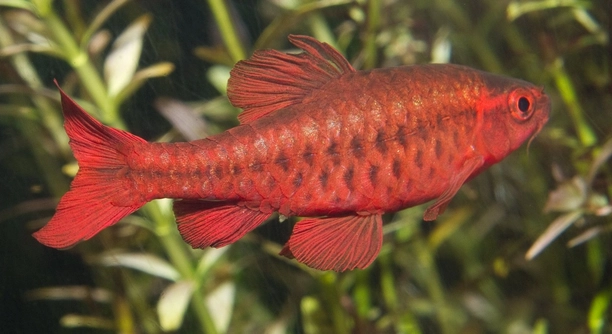
Have you ever watched your cherry barbs resting quietly and wondered what goes on during their sleep? These small fish have unique nighttime habits that often go unnoticed by even the most attentive aquarium owners.
Cherry barbs enter a state of rest that mimics sleep, marked by reduced movement and lowered responsiveness. Unlike mammals, they do not experience REM sleep. Instead, their rest is a survival strategy that conserves energy and reduces predation risks.
Learning how and when your cherry barbs sleep can help improve their environment and support their natural behaviors for better well-being.
Cherry Barbs Don’t Actually Sleep Like Humans
Cherry barbs do not sleep the way humans or even some other animals do. Instead of falling into a deep, inactive state, they enter a lighter resting phase. During this time, their activity drops noticeably, and they often remain still near the bottom of the tank or hover in place among plants. Their eyes remain open because, like all fish, cherry barbs do not have eyelids. This type of rest helps them conserve energy while still allowing them to respond quickly to threats. They are light sleepers, always alert to changes in their environment. For cherry barbs, this balance between rest and vigilance is key to their survival, especially in the wild where predators may be nearby. Creating a calm, quiet environment during lights-out helps mimic their natural resting conditions.
These fish rely on environmental cues, such as reduced lighting, to know when to rest. Without a clear day-night cycle, they can become stressed.
Observing your cherry barbs during nighttime hours can reveal subtle behaviors. You might notice them drifting gently, slightly pale in color, or grouping near plant cover. These small cues indicate they’re in their resting phase. Maintaining consistent lighting and a predictable daily routine supports healthy rest for your cherry barbs.
Their Color Fades Slightly at Night
One interesting change during rest is the slight fading of the cherry barb’s bright red coloring. This is completely natural and temporary.
The fading of color in cherry barbs at night is linked to reduced metabolic activity and hormonal changes that occur during their rest phase. As their energy levels drop, their vivid red hue becomes duller. This change is not a sign of illness, but rather a natural part of their resting behavior. It also helps them blend into darker surroundings, which provides some camouflage during their most vulnerable hours. In the wild, this subtle color shift may help reduce their visibility to nighttime predators. In your home tank, dim lighting and plant cover help reinforce this restful state. When the lights return in the morning and the fish become more active, their color brightens again. It’s important to avoid sudden lighting changes, as these can cause stress and disrupt their natural rhythm. Gradual light transitions better support their rest and overall health.
They Prefer Dim and Quiet Environments
Cherry barbs rest best when the tank is dim and calm. Sudden sounds or bright lights can disrupt their sleep cycle, causing stress or irregular behavior. Maintaining a peaceful setting helps them relax and rest properly each night.
A dim, quiet space mimics the natural conditions cherry barbs would experience in the wild. In a home aquarium, this can be recreated by setting a timer for the lights and placing the tank in a low-traffic area. Avoid placing it near televisions, speakers, or other sources of loud noise. Stress from irregular lighting and noise can lead to weakened immune responses and increased aggression or hiding. Adding dense plants also provides shadowed spots for rest. Live plants like Java moss or Anubias work well. Ensuring this type of environment helps your cherry barbs settle into a healthy, consistent rest routine.
Cherry barbs also benefit from a clearly defined day and night cycle. Using an aquarium light on a 10-12 hour timer helps regulate their internal rhythms. This predictability reduces confusion and stress, encouraging better sleep behaviors. Avoiding blue or white lights at night is also important, as these can disturb their rest. Opt instead for warmer, dim lighting in the evening to ease the transition into rest.
They May Group Together When Resting
It’s common to see cherry barbs grouping together near plants or tank corners during their resting period. This behavior offers a sense of security and may help lower stress levels during inactive hours.
Grouping during rest is instinctive for cherry barbs, and it plays a role in safety. In nature, staying close to others can lower the risk of being targeted by predators. Even in a home aquarium, this behavior persists. If you notice your cherry barbs resting in a tight group, especially near shaded or covered areas, it usually means they feel secure in their surroundings. This habit also helps them maintain body warmth and reduces their need to stay constantly alert. If your fish are spread out and restless, it may be a sign that they’re not comfortable or that the lighting and environment need adjusting. Observing their grouping patterns can help guide tank improvements.
They Respond to Tank Light Changes
Cherry barbs rely on light cues to regulate their rest. Gradual dimming in the evening tells them it’s time to slow down. Abrupt lighting changes, especially bright ones, can startle them and interrupt their natural sleep pattern.
Using a timer or dimmer on your tank lights helps ease the transition. This small adjustment supports better rest and reduces stress.
Their Sleep May Be Interrupted by Tank Mates
Cherry barbs can be easily disturbed by more active or aggressive tank mates. Fast swimmers or territorial species may interrupt their rest by chasing or bumping into them. This leads to fragmented rest and higher stress levels, which may eventually affect their overall health. Choosing calm, compatible tank mates reduces these issues and helps promote better sleep behavior. Adding plenty of hiding spots and live plants also gives cherry barbs a chance to rest without constant disruption. A peaceful environment plays a key role in how well they can settle at night.
They Don’t Rest on the Substrate
Unlike some bottom-dwelling fish, cherry barbs usually don’t rest on the tank floor. They prefer hovering in mid-water or near plant leaves.
FAQ
Do cherry barbs sleep at night?
Yes, cherry barbs rest at night, but not in the same way mammals do. They don’t enter deep sleep or close their eyes, but they do reduce their movement and activity. Typically, they will hover quietly in one spot, often near plants or the bottom of the tank. This resting phase usually happens after the tank lights have been off for a while. Their internal rhythm follows a day-night cycle, so they’re most active during daylight hours and naturally slow down in the evening when the tank grows darker.
Why do my cherry barbs lose color at night?
Color fading at night is a normal and healthy part of their sleep pattern. As cherry barbs settle down, their bright red color dulls slightly. This happens because of lower activity and changes in hormones. The temporary fading may also serve as a form of camouflage in the wild, making them less visible to predators in low light. Once the lights return in the morning and they become active again, their color typically returns within a few minutes. If the color does not return, stress or illness could be the cause.
Can I leave a night light on for my cherry barbs?
It’s best to avoid night lights for cherry barbs. Even low levels of blue or white light at night can interfere with their rest. These fish rely on darkness to signal that it’s time to wind down. Keeping the tank completely dark helps maintain a healthy rest cycle. If you need to check on your fish at night, use a dim red light briefly, as this color is less likely to disturb them. Consistent lighting routines are key, and using a timer on the aquarium light helps maintain that balance.
Do cherry barbs need hiding spots to sleep well?
Yes, they rest better when they have safe, shaded areas to retreat to. Live or artificial plants, rocks, and decorations can create those spots. These features make them feel more secure and reduce stress, especially at night. A tank with plenty of hiding places encourages cherry barbs to settle and rest peacefully. Without them, they may stay on alert longer or struggle to rest properly. If you notice your fish always swimming restlessly at night, try adding more plant cover or rearranging the layout for more shaded zones.
How can I tell if my cherry barbs are sleeping?
Resting cherry barbs stay mostly still, often hovering in one area with slow fin movement. They may group near plants or rest just above the substrate. Their color may appear duller, and they won’t respond as quickly to motion outside the tank. However, they remain alert enough to react if startled. Observing your fish after the lights go out for about 30 minutes will help you spot these subtle signs. If they continue to swim around actively, the tank might be too bright or noisy for them to feel secure.
Why are my cherry barbs still active at night?
This usually means something in the environment is off. Bright lights, frequent noise, or aggressive tank mates can keep cherry barbs alert when they should be resting. Review your lighting schedule and reduce sound around the tank at night. Also, make sure your fish have enough cover. If they are always swimming and never settling, stress could be the reason. Providing a stable routine with dim lighting and quiet surroundings often helps them adapt and rest better over time.
Is it okay if my cherry barbs sleep at different times?
Cherry barbs generally follow the tank’s light schedule, but a few may rest at different times depending on their comfort or if the tank is too active during the main rest hours. It’s not uncommon for them to take short rest breaks during the day, especially if they feel safe. However, if all your fish are skipping their nightly rest or sleeping at odd times, the tank setup might need adjustments. Try dimming the lights earlier and ensuring a peaceful tank environment.
Can cherry barbs rest while the filter is running?
Yes, they can rest with the filter on, as long as the current isn’t too strong. A gentle, steady water flow is ideal. If the filter creates powerful currents, your fish may struggle to find calm areas to rest. Position plants and decorations to help break up the flow and create low-current zones. Cherry barbs usually find these quiet pockets and settle in. A filter that’s too loud or disruptive may also interfere with their rest, so it’s worth checking both the strength and noise level.
Final Thoughts
Cherry barbs may be small, but their sleep habits are more interesting than they first appear. These fish follow a clear day-night rhythm, showing less movement and fading in color when it’s time to rest. Even though they don’t sleep like humans or other animals, they do experience a regular period of low activity that helps them recover. With the right environment—low light, quiet surroundings, and enough hiding spots—they can settle down each night and stay healthy in the long term. Many issues that affect their sleep, such as too much light or stress from tank mates, can be avoided with just a few adjustments to the tank setup.
Understanding how cherry barbs sleep also helps with daily care. Knowing what normal rest looks like makes it easier to notice changes that might signal a problem. If your fish aren’t settling down at night or are swimming too much, it might be time to check the lighting, water quality, or tank layout. Adding plants, decorations, or dimming the lights earlier in the evening can go a long way. These small changes not only help the fish rest better but also improve their mood and behavior during the day. When cherry barbs get proper rest, they tend to be more active, colorful, and peaceful with each other.
Taking the time to understand their sleep patterns shows that even the smallest tank residents have their own needs. Cherry barbs rely on a consistent routine and a sense of safety to rest properly. A calm and quiet tank at night supports their natural rhythm and lowers the chances of stress. Rest is not just about stillness—it plays a key role in helping these fish stay active and healthy. With steady care, observation, and a few small changes, you can give your cherry barbs the right space to rest each night and thrive each day.

Hello,
If you enjoy the content that we create, please consider saying a "Thank You!" by leaving a tip.
Every little bit helps us continue crafting quality advice that supports the health, happiness, and well-being of pets around the world, for pets of all shapes, sizes, and species.
We really appreciate the kindness and support that you show us!