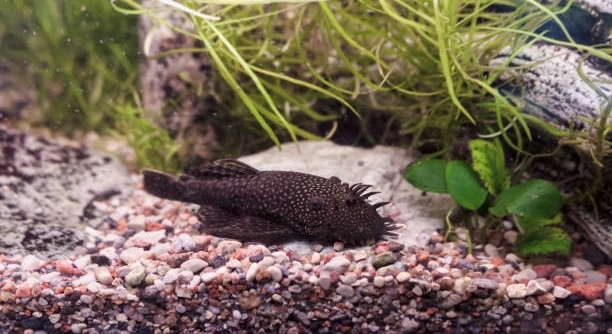
Why Is My Pleco Pressed to the Filter Intake?
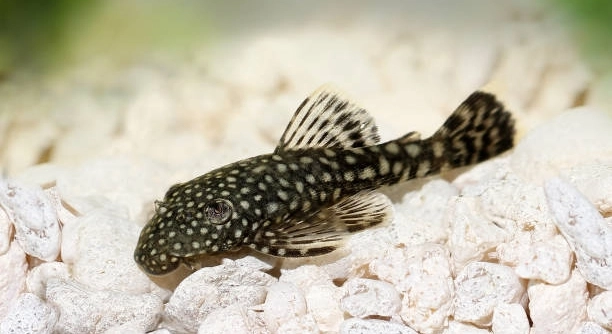
Is your pleco constantly pressed against the filter intake in your aquarium? Many fish owners notice this behavior and feel concerned. Understanding why it happens can help you provide a healthier environment for your aquatic pets. The main reason plecos stick to the filter intake is related to oxygen flow and surface attraction. Strong water … Read more
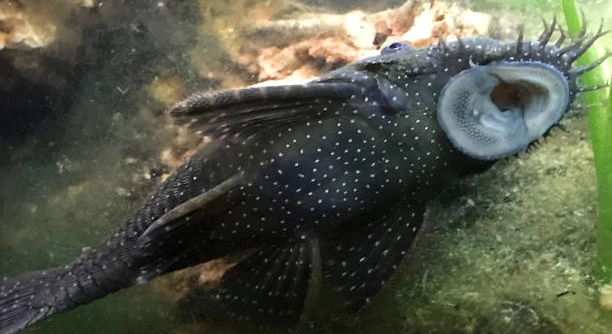
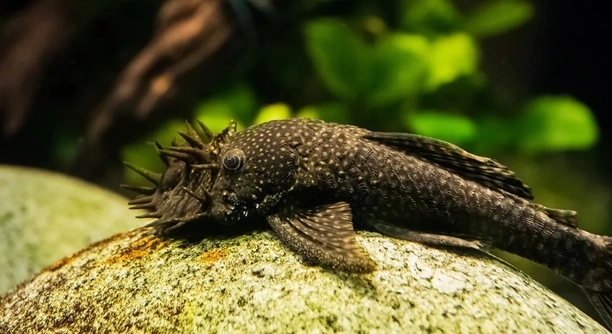
Do Bristlenose Plecos React to Loud Noise?

Do your Bristlenose Plecos seem calm one moment and startled the next when sounds suddenly fill the room? These popular aquarium fish have unique behaviors that sometimes catch owners off guard, especially when it comes to environmental changes. Observing them closely can reveal how sensitive they are to various stimuli, including sounds that might seem … Read more

7 Weird Pleco Habits That Are Totally Normal

Do you ever notice your pleco acting in ways that seem strange or even a little silly? Many of these behaviors can be confusing for new fish owners but are actually perfectly normal. Watching them can be oddly entertaining. Plecos display a variety of unusual behaviors that are completely natural. From clinging upside down on … Read more

7 Ways to Prepare Plecos for Breeding

Plecos are fascinating fish that many aquarium enthusiasts enjoy keeping. Preparing them for breeding requires careful attention to their environment, diet, and overall health. Proper preparation can help increase the chances of successful spawning in captivity. To prepare plecos for breeding, it is essential to create optimal water conditions, provide a varied and nutrient-rich diet, … Read more

7 Causes of Fin Damage in Bristlenose Plecos

Are your bristlenose plecos showing signs of fin damage, leaving their tails ragged or frayed? Fin issues are common in home aquariums and can stem from multiple environmental and behavioral factors affecting your fish’s health. Fin damage in bristlenose plecos typically arises from poor water quality, aggressive tank mates, nutritional deficiencies, infections, fin-nipping behaviors, stress, … Read more

7 Easy Fixes for a Messy Pleco Tank

Are your pleco tanks constantly messy despite regular maintenance? Keeping these popular algae-eating fish can be rewarding, but leftover food, waste, and algae buildup can quickly turn a tank into a challenge to manage efficiently. Maintaining a clean pleco tank requires consistent care and targeted strategies. Regular substrate vacuuming, proper filtration, controlled feeding, and the … Read more

Why Your Pleco Might Be Avoiding Its Cave

Do you ever notice your pleco hiding in the open rather than staying in its cave? Watching your fish swim around instead of using its favorite spot can feel confusing and concerning. Observing their behavior closely may reveal important clues. Plecos may avoid their caves due to water conditions, stress, or inadequate hiding spaces. Ensuring … Read more

Can Plecos Develop Food Preferences Over Time?

Plecos are fascinating fish that often attract attention for their unique appearance and calm behavior in aquariums. Many owners enjoy observing their feeding habits and how these fish interact with the foods provided daily. Watching them eat can be surprisingly engaging. Plecos can indeed develop food preferences over time. Repeated exposure to certain foods, coupled … Read more

Can Plecos and Guppies Share the Same Tank?

Do you ever find yourself admiring your colorful guppies while thinking about adding a pleco to your tank? Many fish keepers enjoy watching both species, but their care needs can be quite different. Plecos and guppies can share the same tank under the right conditions. A sufficiently large tank, proper water parameters, and careful monitoring … Read more

Can Bristlenose Plecos Get Parasites?

Do you ever notice your Bristlenose Pleco behaving oddly in its tank, and wonder if something unseen could be affecting its health? These peaceful bottom-dwellers can sometimes face hidden challenges that owners might not immediately recognize. Bristlenose Plecos can indeed get parasites, including protozoans, worms, and external parasites. Infection often occurs through contaminated water, food, … Read more