
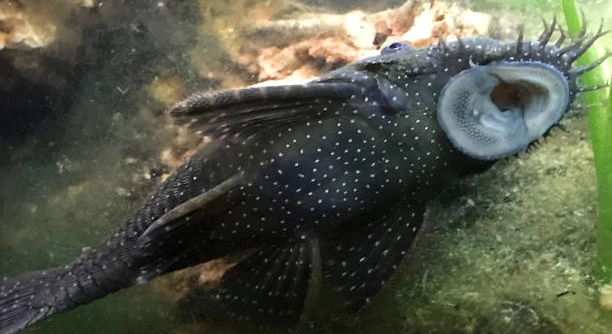
Do you ever notice your pleco hiding in the open rather than staying in its cave? Watching your fish swim around instead of using its favorite spot can feel confusing and concerning. Observing their behavior closely may reveal important clues.
Plecos may avoid their caves due to water conditions, stress, or inadequate hiding spaces. Ensuring proper tank parameters, including temperature, pH, and oxygen levels, alongside providing appropriately sized shelters, encourages natural cave use and reduces avoidance behaviors.
Understanding these patterns can help improve your pleco’s comfort and well-being. Small adjustments in the tank setup often make a noticeable difference in behavior.
Common Reasons Plecos Avoid Their Cave
Plecos may refuse their caves for a variety of reasons. Sometimes the water temperature is too low or too high, which makes them uncomfortable in certain areas of the tank. Other times, the pH or hardness of the water may not match their natural preferences, causing them to seek more favorable spots. Stress can also play a role. Loud noises, sudden movements, or overly active tank mates may make your pleco feel unsafe in its cave. In some cases, the cave itself may not be suitable. If it is too small, too dark, or has sharp edges, the pleco may avoid it entirely. Providing multiple hiding spots and adjusting the environment gradually often helps. Observing your fish’s behavior and testing water conditions can help identify the exact cause. Over time, with small adjustments, plecos often return to their caves naturally.
Providing a larger or different style of cave often encourages plecos to explore it more confidently.
It’s important to note that plecos have individual preferences. Some may favor open areas near the bottom of the tank, while others prefer tighter, enclosed spaces. Adding driftwood, smooth rocks, or plants around the cave can make it feel more secure and inviting. Regularly checking water quality is essential, as plecos are sensitive to ammonia, nitrites, and nitrates. Adjusting lighting levels can also make a difference, as too much light may discourage hiding behavior. If you notice persistent avoidance, changing the location of the cave within the tank can help. Some plecos prefer quieter corners, while others feel safer near decorations that provide extra cover. Offering multiple options ensures your fish can find a spot that suits its needs, reducing stress and supporting overall health.
Adjusting Tank Conditions
Minor changes in water quality can impact a pleco’s willingness to use its cave.
Maintaining stable water parameters is essential for plecos to feel secure. Regularly testing the tank for temperature, pH, ammonia, nitrites, and nitrates can prevent stress-related behavior. Gradual adjustments to temperature or pH are safer than sudden shifts, which can frighten the fish. Ensuring proper filtration and oxygenation also plays a role. Plecos need clean, well-oxygenated water to feel comfortable in enclosed spaces like caves. Additionally, controlling tank noise and vibrations helps reduce stress. Observing how your pleco responds to each change allows you to make precise improvements. Over time, these small adjustments create an environment where the fish is more likely to return to its cave, increasing overall tank harmony and supporting its natural habits. Regular care and observation are key to understanding and meeting your pleco’s unique needs.
Feeding and Cave Habits
Plecos often avoid caves if they feel food sources are scarce nearby. Positioning food closer to the cave can encourage natural hiding and resting behaviors while reducing unnecessary swimming around the tank.
Plecos are nocturnal and prefer feeding at night. If they associate food with open areas, they may spend more time away from their cave during the day. Offering sinking wafers or vegetables near the cave entrance can help them connect the space with safety and nourishment. Observing their feeding patterns helps determine the best placement of food and adjustments in feeding schedules. Some plecos respond well to small, frequent meals, which encourages them to explore their environment safely without leaving the cave for long periods.
If your pleco has multiple hiding spots, rotating food placement can guide them back toward their preferred cave. The goal is to make the cave feel both secure and rewarding. Over time, this association improves overall comfort and reduces stress, supporting natural behaviors. Adjusting feeding techniques may seem minor, but it can significantly influence whether your pleco fully utilizes its cave.
Tank Decorations and Layout
Cave avoidance often results from unsuitable tank layout or sparse decorations.
Plecos rely on a combination of hiding spots and visual barriers to feel secure. Bare tanks or poorly arranged decorations can leave them exposed, making caves less appealing. Adding driftwood, rocks, or plants around the cave creates shaded areas and natural boundaries, increasing comfort. Positioning the cave near walls or corners can also make it feel safer. Observing how your pleco navigates the tank allows you to adjust decorations for optimal shelter. Multiple caves or similar hiding spots help the fish choose a safe retreat, reducing stress.
Providing layered decor and varied textures encourages natural exploration while still protecting privacy. Plecos enjoy caves that are snug yet accessible, with soft substrates or smooth wood to prevent injury. Creating visual breaks between open swimming areas and the cave enhances their sense of security. Placement of plants and ornaments can block bright light or high-traffic zones, helping plecos feel more confident in using their shelter. A well-thought-out layout balances open swimming space with cozy retreats, supporting natural instincts and improving overall well-being. Observing behavioral responses to each change ensures that adjustments meet the pleco’s preferences and environmental needs effectively.
Light and Noise Considerations
Excessive light can make plecos avoid their caves, as they prefer dim or shaded areas. Adjusting tank lighting and using floating plants can create a more comfortable environment, encouraging natural hiding behavior and reducing stress.
Sudden noises or vibrations in the room may also cause plecos to stay away from their cave. Reducing external disturbances helps them feel secure and promotes consistent cave use.
Water Flow and Current
Strong water currents near the cave can discourage plecos from using it. Plecos prefer areas with gentle flow where they can rest without constantly swimming against pressure. Adjusting filter output or redirecting water flow can create calmer zones, making the cave more inviting and comfortable for prolonged use.
Social Dynamics
Some plecos avoid caves due to tank mates. Aggressive or overly active fish may intimidate them, keeping them out of hiding spots. Ensuring compatible companions and providing multiple retreats reduces stress and allows the pleco to feel safer using its cave.
FAQ
Why does my pleco hide less than usual?
Plecos are sensitive to changes in their environment. If water temperature, pH, or ammonia levels fluctuate, they may feel unsafe in their usual hiding spots. Tank rearrangements or new decorations can also disturb their routine. Observing water conditions and providing consistent shelter often restores normal hiding behavior.
Can overcrowding make my pleco avoid its cave?
Yes. Plecos prefer having personal space. If the tank is crowded with too many fish, especially active or territorial species, your pleco may avoid its cave. Adding multiple hiding spots or increasing the tank size helps reduce stress and encourages cave use.
Does lighting affect cave usage?
Strong or direct lighting can discourage plecos from using caves. They naturally prefer dimly lit areas during the day. Using floating plants, shaded spots, or adjusting tank lights helps create a more comfortable environment, making caves more appealing.
How does feeding influence cave behavior?
Plecos are nocturnal feeders. If food is always placed in open areas, they may spend more time outside their cave. Positioning food near or inside the cave encourages them to associate the space with safety and nourishment, gradually increasing cave use.
Do plecos prefer certain types of caves?
Plecos like caves that feel snug but not too tight. Rough surfaces, sharp edges, or unstable materials can discourage use. Driftwood, smooth rocks, or PVC tubes often work well. Offering multiple options allows them to choose the most comfortable shelter.
Can water flow impact cave preference?
Yes. Strong currents near the cave can make it uncomfortable. Plecos favor areas with gentle flow where they can rest without constant effort. Adjusting filter output or redirecting water to calmer zones improves cave use.
Is stress from tank mates a factor?
Aggressive or overly active fish can intimidate plecos, keeping them out of hiding spots. Ensuring compatible companions and creating multiple retreats reduces stress, giving the pleco confidence to return to its cave.
How long does it take for a pleco to adjust to a new cave?
Adjustment can vary by individual. Some plecos explore immediately, while others may take days or weeks. Consistency in water conditions, gentle lighting, and safe surroundings speeds up the transition. Offering multiple caves or shelters also helps.
Can illness cause a pleco to avoid its cave?
Yes. Sick or stressed plecos may behave unusually, including avoiding their usual hiding spots. Monitoring for other signs of illness, like changes in appetite, color, or swimming behavior, is important. Prompt treatment and stable conditions help restore normal cave use.
What role does tank cleanliness play?
Dirty tanks with high waste levels can deter plecos from caves. Regular maintenance, proper filtration, and consistent water testing reduce stress and encourage them to use hiding spaces confidently. Clean environments promote both health and natural behavior.
Are there seasonal or natural behavior patterns affecting cave use?
Plecos may change habits depending on season or light cycles. Longer daylight hours or temperature shifts can alter activity levels. Mimicking natural conditions with consistent day-night cycles and temperature control helps maintain normal cave use and reduces avoidance tendencies.
How can I encourage my pleco to use its cave more?
Position the cave in a quiet corner, add gentle water flow, and provide shaded or covered areas. Place food nearby or inside the cave to create positive associations. Gradually adjusting environmental factors while monitoring behavior usually encourages regular use over time.
Is it normal for some plecos to rarely use caves?
Yes, individual preferences vary. Some plecos may naturally favor open areas or driftwood over traditional caves. Providing multiple shelter options allows them to choose a safe spot that fits their unique comfort needs. Observing behavior helps you understand their preferences better.
Do plecos need multiple caves in a tank?
Offering several caves or hiding spots is beneficial, especially in community tanks. It reduces competition, stress, and encourages natural behavior. Each pleco can find a preferred retreat, which helps maintain overall health and comfort in a shared environment.
Can lighting, decorations, and water conditions be adjusted at the same time?
Yes, but gradual changes are safest. Sudden simultaneous adjustments may stress plecos. Introduce one change at a time while monitoring responses, then adjust others slowly. Careful observation ensures the pleco remains comfortable and encourages consistent cave use.
Final Thoughts
Understanding why your pleco avoids its cave takes patience and observation. Plecos are sensitive fish that respond to changes in their environment, including water quality, lighting, tank layout, and social interactions. Even small adjustments can make a big difference in how comfortable your pleco feels. Paying attention to water temperature, pH levels, and cleanliness is essential because plecos rely on stable conditions to feel safe. Stressful situations, such as aggressive tank mates, loud noises, or strong currents, can discourage them from using their preferred hiding spots. Providing multiple caves or shelters gives your pleco options, which can reduce anxiety and help it feel secure. Over time, careful observation and small, gradual changes create an environment where your pleco can return to its cave naturally and confidently. Understanding these details allows you to make informed decisions that support your pleco’s comfort and long-term health.
Cave design and placement also play an important role in encouraging use. Plecos generally prefer snug, secure spaces that mimic natural hiding spots. Caves made from smooth rocks, driftwood, or PVC tubes are often most inviting. Sharp edges or overly tight spaces may make a pleco avoid the area entirely. Lighting affects their comfort, too. Plecos naturally favor dimly lit areas, so adjusting tank lights or providing floating plants to create shade can make caves more appealing. Positioning caves in quiet corners, away from strong currents or busy areas of the tank, also improves their willingness to use them. Incorporating decorations or natural barriers around the cave can create a sense of privacy, giving your pleco confidence to rest, feed, and retreat when needed. Attention to these factors ensures that the cave becomes a reliable and safe spot in their environment.
Feeding habits and routine are additional factors that influence cave use. Plecos are nocturnal feeders, so placing food near or inside the cave helps them associate the space with nourishment and safety. Observing your pleco’s individual behavior is key, as each fish may have unique preferences for hiding, exploring, or feeding. Some plecos may prefer open areas with driftwood, while others may gravitate to enclosed spaces. Overcrowding or incompatible tank mates can also prevent a pleco from feeling secure in its cave. By providing multiple retreats, adjusting tank conditions gradually, and offering food strategically, you create an environment that supports natural behavior. Consistent care, patience, and attention to your pleco’s specific needs are the most reliable ways to ensure it uses its cave, feels safe, and thrives in its tank. These practices strengthen both its physical health and overall well-being.

Hello,
If you enjoy the content that we create, please consider saying a "Thank You!" by leaving a tip.
Every little bit helps us continue crafting quality advice that supports the health, happiness, and well-being of pets around the world, for pets of all shapes, sizes, and species.
We really appreciate the kindness and support that you show us!