
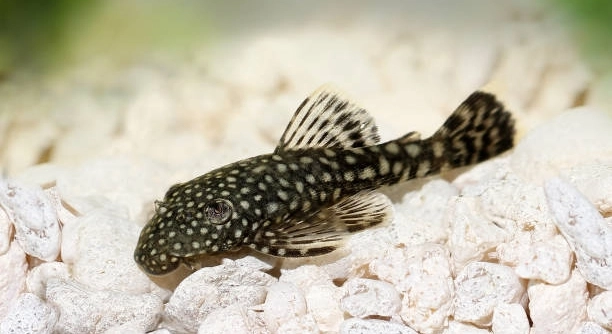
Do you ever find yourself admiring your colorful guppies while thinking about adding a pleco to your tank? Many fish keepers enjoy watching both species, but their care needs can be quite different.
Plecos and guppies can share the same tank under the right conditions. A sufficiently large tank, proper water parameters, and careful monitoring of diet and hiding spaces are essential to ensure both species thrive without stress or aggression.
Understanding how to balance their needs will help maintain a peaceful aquarium. Small adjustments can make a big difference for both types of fish.
Understanding Pleco Behavior
Plecos are generally peaceful bottom dwellers, spending most of their time scavenging for algae and leftover food. They can grow quite large depending on the species, so tank size is an important consideration. Some plecos prefer hiding spots like caves or driftwood, which help them feel secure. They are nocturnal, meaning they are most active at night, and may sleep during the day. It’s common to see them grazing on surfaces or moving slowly along the tank’s bottom. While generally calm, some larger plecos may become territorial with other bottom-dwelling fish. Regular observation is key to ensuring they coexist peacefully with other species. Proper feeding also matters because plecos require a diet that supplements what they find in the tank. Vegetables like zucchini, cucumber, and algae wafers can help maintain their health. Understanding these habits helps create a stable environment for both plecos and guppies, reducing stress for all fish.
They are peaceful with proper space and hiding spots, allowing other tank mates to thrive without conflict.
Knowing pleco behavior helps prevent unexpected aggression. Observing their movements, feeding patterns, and preferred areas of the tank ensures compatibility with guppies. Small adjustments, like adding driftwood or caves, can improve comfort levels. Water parameters are also crucial. Plecos produce significant waste, which affects tank cleanliness and the health of guppies. Regular water changes and good filtration help maintain water quality. Some plecos may nibble on decorations or plants, so choosing hardy plants is beneficial. It’s also important to avoid overcrowding, as limited space increases stress and potential aggression. While plecos are low-maintenance compared to some fish, their size and activity levels require attention. Monitoring interactions between plecos and guppies ensures that both species coexist peacefully. By addressing these factors, the tank remains balanced, and both types of fish enjoy a healthy environment.
Guppy Care Considerations
Guppies are active, colorful fish that swim throughout the tank, adding constant movement. They prefer calm waters with moderate filtration and thrive in groups.
They are small and delicate, so water quality must be stable to prevent stress or illness.
Guppies are social fish that do well with other non-aggressive species. They eat flakes, small pellets, and occasional live food, making feeding simple but consistent. Temperature and pH levels must remain stable because fluctuations can impact their health. They reproduce quickly, so monitoring population is important in shared tanks. Unlike plecos, guppies are mid-to-top swimmers, which reduces direct conflict. Observation ensures that they are not stressed by tankmates or hiding too often. Adding plants and decorations provides security and resting spaces. Ensuring there is enough space for swimming while maintaining hiding areas balances the tank environment. Guppies are sensitive to water quality changes, so regular cleaning and monitoring prevent disease. By considering these factors, both guppies and plecos can thrive together with minimal issues.
Tank Setup and Environment
A spacious tank with proper filtration is crucial for keeping plecos and guppies together. Decorations, plants, and hiding spots help reduce stress and give both species room to thrive. Temperature and pH must remain stable to ensure health and activity.
A tank of at least 30 gallons is recommended, especially if keeping a larger pleco. Plecos spend time at the bottom, while guppies swim near the surface, so providing layers of space prevents overcrowding. Adding driftwood, caves, and sturdy plants offers hiding areas, which are particularly important for plecos. Filtration must handle waste from both species to maintain clean water. Regular water changes help prevent ammonia buildup, which can be harmful to both fish. Lighting should be moderate, supporting plant growth without stressing nocturnal plecos. Avoid overcrowding with too many fish. Spacing and structure improve interactions and reduce aggressive behavior. Monitoring water parameters ensures a balanced, safe environment for all.
Substrate choice matters, as plecos like softer gravel or sand to protect their sensitive undersides. Plants must be hardy to withstand pleco grazing. Aeration supports oxygen levels, and stable temperature prevents stress. Avoid sudden changes in water chemistry, as guppies are sensitive. Regularly remove uneaten food to prevent decay. Using floating plants can create shade for plecos, making them feel secure. Positioning decorations thoughtfully ensures both species have access to hiding spots without restricting swimming space. This combination of care and planning supports a healthy, balanced tank where both plecos and guppies coexist comfortably.
Feeding Both Species
Plecos need algae, vegetables, and occasional protein, while guppies prefer flakes or small pellets. Feeding schedules must suit both without overfeeding.
Feeding both species requires balancing their dietary needs. Plecos benefit from sinking algae wafers, zucchini, and cucumber slices, while guppies eat small flakes, pellets, and tiny live foods. Overfeeding can pollute the water and harm all fish. Observing each species during feeding ensures they receive enough nutrition. Separating feeding areas may help, as plecos eat from the bottom and guppies from the surface. Maintaining variety in their diets keeps both species healthy. It also encourages natural behavior, like grazing for plecos and active swimming for guppies.
Timing and portion control are important to prevent competition and maintain water quality. Plecos are more active at night, so feeding later in the day may benefit them. Guppies eat quickly during daylight hours, so multiple small feedings help them thrive. Rotating vegetables and protein sources ensures plecos receive balanced nutrition. Avoid foods that disintegrate quickly, which can foul the water. Watching for leftover food allows adjustments to portions. Feeding both species thoughtfully promotes growth, reduces aggression, and keeps the tank clean. This careful planning creates a harmonious environment for plecos and guppies to coexist successfully.
Water Quality and Maintenance
Stable water parameters are essential for plecos and guppies. Regular testing for ammonia, nitrite, nitrate, and pH helps prevent stress and illness in both species.
Frequent water changes of 20-30% weekly maintain cleanliness. Strong filtration and careful monitoring reduce the buildup of waste from plecos and leftover food from guppies.
Tank Mates and Compatibility
Guppies and plecos generally get along with non-aggressive fish. Avoid pairing them with territorial or fin-nipping species, which can cause stress. Careful selection of additional fish ensures harmony and reduces the risk of conflict in a shared tank.
Breeding Considerations
Guppies breed quickly, so population can grow fast. Providing separate breeding spaces or monitoring fry is important to prevent overcrowding. Tank size and hiding areas help reduce stress for adults and young fish alike.
Common Problems to Watch For
Algae overgrowth, water quality issues, and territorial behavior are common concerns. Observing fish regularly helps identify problems early and keep the tank balanced.
FAQ
Can plecos and guppies live in the same tank long-term?
Yes, they can coexist long-term if the tank is large enough and water conditions remain stable. Plecos occupy the bottom while guppies swim near the surface, reducing direct conflict. Providing hiding spots and proper nutrition ensures both species remain healthy and stress-free.
Do plecos bother guppies?
Generally, plecos are peaceful and do not bother guppies. However, some larger species may accidentally knock into smaller fish while moving or grazing. Providing adequate space and hiding spots helps minimize any accidental disturbances. Observing interactions regularly ensures both species stay comfortable.
How often should I feed plecos and guppies?
Guppies should be fed small portions 1–2 times daily, while plecos benefit from evening feedings with vegetables and algae wafers. Overfeeding either species can lead to water quality issues, so it’s important to remove uneaten food promptly. Rotating foods ensures balanced nutrition for both.
What size tank is needed for plecos and guppies together?
A minimum of 30 gallons is recommended for small pleco species with a few guppies. Larger plecos require more space. The tank should include both swimming areas for guppies and bottom areas with hiding spots for plecos. Adequate space prevents stress and aggression.
Do plecos eat plants?
Some plecos nibble on soft plants while grazing. Hardy plants like Java fern or Anubias are less likely to be damaged. Adding driftwood and algae wafers reduces the risk of plant damage. Monitoring their behavior helps protect delicate plants.
How do I manage water quality for both species?
Regular water changes, strong filtration, and monitoring ammonia, nitrite, nitrate, and pH levels are key. Plecos produce more waste than guppies, so attention to tank cleanliness is essential. Removing uneaten food promptly prevents water quality problems and keeps fish healthy.
Will plecos and guppies compete for food?
Not usually, because plecos feed at the bottom and guppies at the top or middle. Feeding in separate areas ensures both get enough nutrition. Monitoring during feeding helps adjust portions and prevent one species from dominating meals.
Can plecos and guppies be housed with other fish?
Yes, with careful selection. Non-aggressive, similarly sized fish make good companions. Avoid territorial or fin-nipping species, as these can stress both plecos and guppies. Observing fish interactions ensures a peaceful tank environment.
How do I prevent overcrowding?
Monitor guppy breeding and tank population. Plecos need space to graze and hide. Adjusting the number of fish and tank size prevents stress, aggression, and poor water quality. Separate tanks for fry may be needed to maintain balance.
What are signs of stress in plecos or guppies?
Signs include hiding excessively, loss of color, reduced appetite, or erratic swimming. These behaviors indicate water quality issues, overcrowding, or improper tank conditions. Early observation allows for quick adjustments to prevent illness or harm.
Can plecos and guppies share the same filtration system?
Yes, but the system must handle the waste load of both species. Plecos produce more waste, so a filter rated for a larger tank helps maintain water quality. Combining this with regular water changes ensures a healthy environment.
How do I balance lighting for both species?
Plecos prefer dimmer areas or hiding spots, while guppies benefit from moderate lighting. Floating plants or shaded zones allow plecos to retreat while keeping the tank bright enough for guppies and plant growth. This balance reduces stress and supports natural behavior.
Are plecos and guppies prone to diseases when kept together?
They can be if water quality is poor or the tank is overcrowded. Common issues include ich, fin rot, and bacterial infections. Maintaining clean water, proper diet, and monitoring behavior prevents most problems. Quarantining new fish also reduces risk.
How do I introduce plecos and guppies to the same tank?
Introduce the pleco first, allowing it to establish its territory. Add guppies gradually, observing interactions closely. Ensure enough hiding spots and swimming space to minimize stress. This method helps both species adjust and coexist peacefully over time.
Can plecos help control algae with guppies in the tank?
Yes, plecos eat algae on surfaces, which can reduce buildup. However, they do not eliminate all algae, so regular tank maintenance is still needed. A combination of good filtration, regular cleaning, and pleco grazing maintains a balanced tank.
Do plecos and guppies need different water temperatures?
Their preferred ranges overlap. Guppies thrive at 72–82°F, while most plecos do well between 73–79°F. Maintaining a stable temperature within this range supports both species. Avoid sudden changes, as guppies are sensitive and plecos may become stressed.
How often should I clean the tank with both species?
Partial water changes of 20–30% weekly help maintain water quality. Removing debris, uneaten food, and waste prevents harmful buildup. Strong filtration combined with cleaning ensures the tank stays safe and healthy for plecos and guppies alike.
Can plecos harm guppy fry?
Some larger plecos may accidentally disturb fry while moving around. Providing dense plants or breeding traps helps protect young guppies. Observing tank activity ensures fry are safe while allowing plecos to graze naturally.
What is the best diet combination for plecos and guppies in one tank?
A combination of sinking algae wafers and vegetables for plecos, plus flakes, pellets, and occasional live food for guppies, works well. Feeding in different areas and monitoring portions ensures both species receive enough nutrition without affecting water quality.
How do I prevent aggression between plecos and guppies?
Ensure adequate space, hiding spots, and proper diet. Avoid overcrowding and monitor interactions regularly. Providing distinct territories for bottom-dwelling plecos and mid-to-top swimming guppies reduces competition and keeps both species calm and healthy.
Is it okay to keep multiple plecos with guppies?
Yes, if the tank is large enough. Multiple plecos require more hiding spots and extra care with filtration due to increased waste. Spacing ensures that plecos do not compete for territory and that guppies remain stress-free.
How can I tell if my pleco or guppy is not adjusting to the tank?
Signs include hiding constantly, poor appetite, faded color, or lethargy. These indicate stress, poor water quality, or incompatible tank mates. Quick adjustments in environment, diet, or water parameters help them adapt successfully.
Are there pleco species better suited for tanks with guppies?
Smaller pleco species like Bristlenose or Clown plecos are ideal for community tanks. They remain manageable in size, are generally peaceful, and coexist well with active guppies. Large species may require much bigger tanks to avoid stress and accidental harm.
Can plecos survive on algae alone in a tank with guppies?
Algae alone is not enough for most plecos. Supplementing with vegetables like zucchini, cucumber, or algae wafers ensures proper nutrition. A varied diet keeps plecos healthy and active while cohabiting with guppies.
How do I prevent overpopulation in a mixed tank?
Monitor guppy breeding, separate fry when necessary, and plan the number of adult fish. Plecos grow slowly and reproduce less frequently, so focus on guppy population control. Maintaining proper tank size prevents stress and maintains water quality for all fish.
Can guppies and plecos share the same water hardness preferences?
Yes, both species tolerate slightly different ranges but generally prefer soft to moderately hard water. Keeping parameters stable ensures comfort for both species and supports healthy growth, feeding, and behavior.
What plants are safe in a pleco and guppy tank?
Hardy plants like Java fern, Anubias, and Amazon sword survive pleco grazing. Floating plants provide shade, and dense foliage offers hiding spots for guppies and fry. Plant selection helps balance aesthetics and fish behavior.
How do I manage tank decorations with both species?
Provide caves, driftwood, and rocks for plecos to hide. Open swimming areas suit guppies. Position decorations to prevent territorial disputes and ensure adequate space. Observing fish interaction helps adjust layout for safety and comfort.
Can plecos and guppies live together in a small tank?
Small tanks make coexistence difficult. Plecos grow and produce significant waste, while guppies need swimming space. Overcrowding causes stress, disease, and poor water quality. A larger tank is recommended for harmonious cohabitation.
What is the best way to introduce new fish to an established tank?
Quarantine new fish first to prevent disease. Introduce slowly, with hiding spots for all species. Monitor behavior carefully to ensure compatibility. Gradual introduction reduces stress and helps plecos and guppies adapt peacefully.
How do I prevent fin-nipping in a mixed tank?
Avoid aggressive or fin-nipping species. Provide enough space and plants for hiding. Maintaining a calm environment reduces stress and keeps plecos and guppies safe. Observing interactions helps intervene early if aggression appears.
How important is filtration in a pleco and guppy tank?
Filtration is crucial. Plecos produce large amounts of waste, and guppies create leftovers that can pollute the water. A strong filter combined with regular water changes maintains a clean and healthy environment. Proper filtration supports long-term cohabitation.
Can plecos and guppies share the same tank with live plants?
Yes, with careful selection. Hardy plants withstand pleco grazing, and floating plants provide shade. Dense planting offers hiding spots for guppies and fry. Plant placement should consider swimming space and pleco grazing areas to ensure both species thrive.
How do I reduce algae without stressing plecos or guppies?
Plecos help control algae naturally. Manual removal and moderate lighting prevent overgrowth. Regular cleaning of decorations and substrate keeps water balanced. Combining maintenance with pleco grazing maintains a healthy environment without stressing either species.
What is the typical lifespan of plecos and guppies in a shared tank?
With proper care, guppies live 2–3 years, while plecos can live 10–15 years depending on species. Consistent water quality, diet, and space management support longevity for both types of fish. Proper planning ensures a stable and healthy environment.
Are there special considerations for breeding plecos with guppies in the same tank?
Breeding plecos is rarely affected by guppies. Guppy fry may need protection from plecos accidentally disturbing them. Providing breeding caves or separate fry tanks ensures safety. Monitoring behavior helps both species reproduce successfully without stress.
Can plecos survive in a tank with aggressive guppies?
Aggressive guppies can stress plecos, especially smaller or juvenile plecos. Maintaining adequate hiding spaces and monitoring interactions reduces the risk. Choosing calm, community-minded guppy strains ensures plecos remain comfortable.
How do I maintain a clean substrate with both species?
Vacuum gravel or sand regularly. Uneaten food from guppies and waste from plecos accumulate at the bottom. Maintaining proper cleaning routines prevents water quality issues and keeps both species healthy.
Do plecos need supplemental lighting in a tank with guppies?
No, plecos are nocturnal and prefer shaded areas. Standard aquarium lighting for guppies and plants is sufficient. Adding shaded zones or floating plants allows plecos to rest comfortably during daylight hours.
Can plecos and guppies live together in a community tank with shrimp or snails?
Yes, peaceful shrimp and snails are usually safe. Plecos may nibble on algae-eating snails, but most coexist without issues. Monitor feeding and space to ensure all species have access to food and hiding areas.
What is the best way to acclimate plecos and guppies to new water conditions?
Use a drip acclimation method or gradually mix tank water with the new water over an hour or more. This reduces stress and allows both plecos and guppies to adjust safely. Sudden changes can cause illness or lethargy.
How do I identify stress-related behavior differences between plecos and guppies?
Plecos hide excessively, graze less, or cling to surfaces when stressed. Guppies may dart erratically, lose color, or avoid swimming. Observing these signs early allows corrective action, like adjusting water parameters, tank layout, or diet.
Are there risks of disease spreading between plecos and guppies?
Yes, poor water quality or infected fish can transmit disease. Quarantining new arrivals, maintaining cleanliness, and monitoring behavior reduces risk. Prompt treatment keeps both species healthy in a shared tank.
Can plecos survive on algae wafers alone in a guppy tank?
Algae wafers provide nutrition but are best supplemented with vegetables like zucchini or cucumber. This ensures plecos get enough fiber and nutrients. A balanced diet prevents health problems and supports natural grazing behavior.
How do I handle tank temperature fluctuations for both species?
Keep temperature stable between 74–78°F. Sudden changes can stress guppies and plecos. Use a reliable heater and monitor daily. Consistent warmth promotes feeding, activity, and overall health for both species.
What is the best way to encourage plecos to use hiding spots?
Provide caves, driftwood, and shaded areas. Plecos feel secure in secluded spaces, which reduces stress. Placing decorations thoughtfully encourages natural behavior and prevents conflicts with guppies or other tank mates.
Can plecos and guppies thrive in a planted tank together?
Yes, with hardy plants and adequate space. Floating or dense plants offer shade for plecos and shelter for guppies. Careful planting ensures natural behavior, reduces stress, and supports both species’ health and comfort.
How do I monitor water parameters effectively for a shared tank?
Test ammonia, nitrite, nitrate, pH, and temperature regularly. Plecos produce more waste, so frequent monitoring ensures conditions remain safe for guppies. Proper equipment and observation prevent stress, illness, and long-term health problems.
Can plecos and guppies coexist with other schooling fish?
Yes, peaceful schooling fish like tetras or rasboras usually coexist well. Ensure adequate swimming space and hiding areas. Observing interactions ensures harmony, preventing stress or aggression in the tank.
How do I manage leftover food with both species?
Remove uneaten food quickly. Plecos graze slowly on the bottom while guppies eat at the top. Balancing feeding areas and portions prevents water pollution and maintains health for both species.
Do plecos need special care compared to guppies in a community tank?
Yes, plecos grow larger, produce more waste, and require specific diets. They need hiding spots and space to graze. Guppies require consistent water quality and small, frequent meals. Meeting both species’ needs ensures harmony in a shared tank.
What tank decorations work best for plecos and guppies together?
Caves, driftwood, rocks, and sturdy plants. Open swimming areas accommodate guppies. Decorations should provide shelter and grazing areas without restricting movement. Observing fish behavior helps adjust layout for comfort and safety.
Can plecos survive in a tank with aggressive or fin-nipping guppies?
Aggressive guppies can stress or injure plecos. Ensure hiding spots, adequate space, and calm tank mates to prevent harm. Selecting peaceful guppy strains reduces risk and promotes a stable environment.
How do I ensure both species are healthy in the same tank?
Maintain water quality, provide proper diet, and monitor behavior. Regular cleaning, hiding spots, and space prevent stress. Observation allows early detection of illness or aggression. Meeting both species’ needs supports long-term health and coexistence.
Are there pleco species too large for a community tank with guppies?
Yes, species like common plecos can exceed 24 inches and produce excessive waste. Smaller plecos, such as Bristlenose or Clown plecos, are better suited for community tanks with guppies. Adequate space ensures safety for all fish.
Can plecos and guppies live together with livebearers like mollies or platies?
Yes, peaceful livebearers usually coexist well. Ensure tank space, hiding spots, and proper feeding to prevent stress. Observing interactions helps maintain harmony and prevents competition for food or territory.
How do I maintain stable pH for plecos and guppies?
Test water regularly and avoid sudden changes. Both species tolerate a pH of 6.8–7.5. Using buffers if needed and monitoring with kits ensures stability, supporting health and reducing stress.
What’s the best way to prevent aggression when introducing plecos to a guppy tank?
Introduce plecos first, provide hiding spots, and monitor interactions. Gradual acclimation and adequate space prevent stress. Ensuring both species have distinct areas reduces territorial behavior and promotes peaceful coexistence.
How do I know if plecos and guppies are comfortable together?
Healthy appetite, normal swimming, bright color, and minimal hiding indicate comfort. Observing these behaviors regularly ensures both species are thriving and the tank environment is balanced.
Can plecos harm guppy eggs or fry?
Some may accidentally disturb fry, but adults generally do not target them. Providing dense plants or breeding traps helps protect young guppies while allowing plecos to graze naturally.
Do plecos need special lighting compared to guppies?
No special lighting is required. Standard aquarium lighting for guppies and plants is sufficient. Plecos prefer shaded areas or caves during the day, supporting their nocturnal behavior.
Are there risks of disease from sharing a tank?
Poor water quality or infected fish can spread disease. Quarantine new arrivals, maintain cleanliness, and monitor behavior to reduce risk. Prompt treatment keeps both species healthy.
Can plecos and guppies survive in a tank with fluctuating temperatures?
Sudden temperature changes stress guppies and plecos. Maintaining stable temperatures within their preferred range (74–78°F) is essential for health, feeding, and activity levels.
How do I prevent fin-nipping between species?
Avoid aggressive or territorial tank mates, provide hiding spots, and ensure enough space. Observing interactions allows early intervention to maintain harmony and reduce stress for plecos and guppies.
Can plecos coexist with guppies in a planted tank without damaging plants?
Yes, with hardy plants like Java fern and Anubias. Plecos graze surfaces but generally avoid damaging robust plants. Floating plants provide shade and hiding spots for both species.
How do I acclimate plecos and guppies to new water?
Use drip acclimation or gradual water mixing over an hour. This reduces stress and helps both species adjust safely. Sud
Final Thoughts
Keeping plecos and guppies together in the same tank can work well when the right conditions are met. Both species have different habits and needs, but they can complement each other in a shared environment. Plecos stay mostly at the bottom, grazing on algae and exploring hiding spots, while guppies swim actively near the surface. This natural separation in swimming zones helps reduce competition and stress. Choosing a tank that is large enough to provide ample space for both species is one of the most important factors. A tank that is too small can lead to territorial behavior, overcrowding, and poor water quality. With proper planning, plecos and guppies can coexist peacefully for many years.
Water quality is one of the most critical aspects of a mixed tank. Plecos produce a significant amount of waste, which can affect guppies if the filtration system is not strong enough. Regular water changes, testing for ammonia, nitrite, nitrate, and maintaining stable pH and temperature levels are necessary. Overfeeding should be avoided, and uneaten food should be removed promptly to prevent water pollution. Plecos need a diet that includes algae, vegetables, and occasional protein, while guppies thrive on flakes, small pellets, or tiny live foods. Feeding each species in different areas of the tank helps prevent competition and ensures that both get the nutrition they need. Adding hiding spots like caves, driftwood, and plants provides security for plecos and resting places for guppies, which contributes to a calmer and healthier tank environment.
Monitoring behavior and tank conditions regularly is key to long-term success. Stress can appear in subtle ways, such as hiding, loss of color, lethargy, or decreased appetite. Observing these signs allows adjustments to water quality, tank layout, or feeding routines before problems escalate. Overpopulation, especially from fast-breeding guppies, should also be managed to maintain balance. Selecting compatible species for a community tank is equally important to avoid aggression. With careful planning, attention to water quality, and proper feeding routines, plecos and guppies can live together comfortably. By respecting their differences and meeting the needs of both species, it is possible to create a peaceful, thriving aquarium that remains healthy and visually appealing for many years.

Hello,
If you enjoy the content that we create, please consider saying a "Thank You!" by leaving a tip.
Every little bit helps us continue crafting quality advice that supports the health, happiness, and well-being of pets around the world, for pets of all shapes, sizes, and species.
We really appreciate the kindness and support that you show us!