
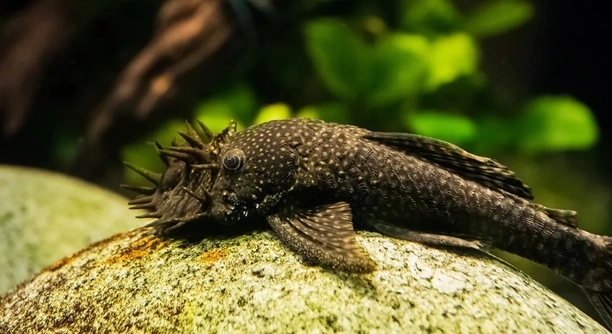
Plecos are fascinating fish that many aquarium enthusiasts enjoy keeping. Preparing them for breeding requires careful attention to their environment, diet, and overall health. Proper preparation can help increase the chances of successful spawning in captivity.
To prepare plecos for breeding, it is essential to create optimal water conditions, provide a varied and nutrient-rich diet, introduce suitable breeding caves, maintain consistent temperatures, and monitor their behavior closely. Each step ensures readiness and promotes natural reproductive cycles.
Understanding these preparation steps will help you create a supportive environment for your plecos. Proper planning can lead to healthier fish and more successful breeding outcomes.
Setting Up the Ideal Aquarium Environment
Creating the right environment is the first step in preparing plecos for breeding. Clean, well-filtered water is critical, with consistent temperature and pH levels. Most plecos prefer slightly acidic to neutral water, around 6.5–7.5 pH. Installing a reliable heater and thermometer helps maintain stability. Decorate the tank with smooth rocks, driftwood, and hiding spots. Plecos naturally seek secluded areas for laying eggs, so providing caves or PVC pipes will make them feel secure. Regular partial water changes are also important to prevent the buildup of harmful substances. Avoid overcrowding, as too many fish can increase stress and reduce breeding chances. Lighting should mimic natural day and night cycles, with periods of gentle illumination followed by darkness. Keeping a calm and stable environment allows plecos to focus energy on health and reproduction. Observing their behavior over time will indicate when conditions are optimal.
Maintaining these conditions consistently reduces stress and encourages natural breeding behaviors in plecos.
Proper tank setup not only supports breeding but also ensures overall fish health. Subtle changes in water parameters, hiding spaces, and filtration efficiency can directly influence readiness. By paying attention to details, you create a stable, safe environment that plecos will respond to positively. This preparation stage is essential for successful spawning and long-term wellbeing.
Providing a Nutritious Diet
A balanced, nutrient-rich diet is essential to stimulate breeding. Plecos need high-quality proteins, vegetables, and occasional live or frozen foods. Fresh vegetables like zucchini, spinach, and cucumber are excellent sources of fiber and nutrients. Protein-rich options such as shrimp pellets or bloodworms provide energy needed for reproductive activity. Feeding smaller portions multiple times a day ensures they eat efficiently and reduces water contamination. Supplements like vitamins or algae wafers can enhance health and improve breeding readiness. Avoid overfeeding, as leftover food can deteriorate water quality. Observing feeding behavior can also indicate health and readiness for breeding.
Consistent, proper feeding promotes energy reserves and reproductive health.
Providing diverse, nutritious foods enhances growth, strengthens immune systems, and supports reproductive development. Plecos respond to a diet that balances vegetables with protein. Over time, consistent feeding habits improve egg production and vitality. By carefully selecting foods and maintaining feeding schedules, you help ensure the breeding process progresses smoothly while keeping the fish healthy and active.
Introducing Suitable Breeding Caves
Breeding caves give plecos a safe place to lay eggs and protect fry. PVC pipes, clay pots, or natural driftwood hollows work well. Size should fit the adult pleco comfortably without restricting movement. Place caves in quiet areas of the tank.
Plecos naturally seek secluded spots when ready to breed. Providing multiple caves reduces competition and stress. Ensure caves are stable and easy to access for cleaning. Smooth interiors prevent injuries to eggs and fish. Observing which caves plecos favor can guide adjustments for future breeding attempts. Hiding spots also help shy individuals feel secure, promoting more natural behaviors. Caves placed near consistent water flow and moderate lighting encourage use.
Monitoring cave activity helps determine readiness. Plecos often inspect or clean caves before spawning. Noticing these behaviors signals that the environment and diet have successfully prepared them. Regular observation ensures timely care and supports a higher likelihood of successful breeding outcomes, while maintaining a calm, stable tank.
Controlling Water Temperature and Quality
Stable water conditions are crucial for breeding success. Maintain temperatures around 78–82°F, depending on species. Test pH, hardness, and ammonia levels regularly.
Temperature and water quality influence metabolism and spawning triggers. Sudden changes can stress plecos, delaying or preventing breeding. Using heaters, filters, and aeration ensures stable conditions. Partial water changes help remove waste and maintain clarity, while avoiding drastic shifts in pH. Plecos are sensitive to toxins, so monitoring nitrates and nitrites is essential. Consistency encourages reproductive behavior, while fluctuations can cause aggression or illness. Observing water parameters daily allows early detection of potential issues, protecting both adults and eggs.
Providing stable, clean water ensures plecos can focus energy on reproduction rather than stress. Correct temperature, pH, and hardness mimic natural conditions, increasing the likelihood of spawning. Good filtration and regular water maintenance reduce the risk of disease and egg loss. Carefully balancing these factors supports healthy development of fry and adult fish. Consistent observation and adjustment help maintain optimal conditions, creating a reliable breeding environment without unnecessary disturbances.
Observing Pleco Behavior
Watching pleco interactions helps identify readiness for breeding. Males often become territorial and inspect caves frequently.
Females may show increased activity near chosen caves and begin cleaning surfaces. Noticing these behaviors allows timely adjustments to tank setup and feeding, ensuring optimal conditions for successful spawning.
Separating Males and Females When Necessary
Sometimes, temporary separation reduces stress and aggression. This allows weaker or shy individuals to recover and feed properly, improving overall health. Controlled interaction periods encourage natural pairing without constant conflict, creating a balanced environment for reproduction.
Increasing Hiding Spots
Adding extra hiding spots helps reduce competition among plecos. Driftwood, rocks, and caves provide secure areas for resting and spawning.
Monitoring Water Parameters Closely
Regular checks on temperature, pH, and hardness prevent stress. Small fluctuations can disrupt breeding cycles. Maintaining stable water conditions supports reproductive behavior and overall health of adult plecos and developing eggs.
FAQ
How do I know when my plecos are ready to breed?
Mature males and females show specific behaviors. Males become territorial, guard caves, and often clean surfaces. Females inspect caves more frequently and may spend extra time near hiding spots. Regular observation of feeding, activity levels, and interaction patterns helps identify readiness. Increased energy and interest in caves often signal the breeding phase.
What is the best diet to prepare plecos for breeding?
A mix of vegetables and protein is ideal. Fresh vegetables like zucchini, spinach, and cucumber provide essential nutrients. Protein sources, including shrimp pellets or bloodworms, supply energy for reproductive activity. Feeding smaller portions multiple times daily ensures all plecos eat and prevents water contamination. Occasional vitamin supplements or algae wafers support overall health.
How often should I change the water?
Partial water changes should be done weekly, ideally 25–30% at a time. Frequent small changes maintain water quality without stressing the fish. Check ammonia, nitrite, and nitrate levels regularly to prevent harmful buildup. Consistent water maintenance ensures a healthy environment for both adults and eggs.
Do plecos need special caves for breeding?
Yes. Plecos prefer secluded, stable spaces. PVC pipes, clay pots, or driftwood hollows work well. Smooth interiors protect eggs from injury. Provide multiple options to reduce competition and stress. Observing which caves plecos favor allows adjustments for future breeding attempts.
Should males and females be separated?
Separation can help reduce stress or aggression if necessary. Weak or shy fish benefit from temporary separation, allowing them to recover and feed properly. Controlled interaction periods encourage natural pairing without constant conflict. This strategy is useful when multiple males compete for a single female.
What temperature is best for breeding?
Most plecos breed between 78–82°F. Stable temperatures encourage reproductive behavior and maintain metabolism. Sudden fluctuations can cause stress or aggression, preventing spawning. Using a reliable heater and thermometer ensures consistency, creating an environment similar to their natural habitat.
How important is water pH and hardness?
Water pH and hardness are very important. Plecos generally prefer slightly acidic to neutral water, around 6.5–7.5 pH. Consistent hardness supports egg development and overall health. Regular testing prevents abrupt changes that could disrupt breeding cycles. Stability is key to success.
How long does it take for eggs to hatch?
Hatching time varies by species but usually takes 4–10 days. Male plecos often guard the eggs until they hatch. Ensuring optimal water conditions and minimal disturbance during this period increases survival rates for fry. Observation is important to catch any issues early.
Can multiple pairs breed in the same tank?
Yes, but only if there is enough space and hiding spots. Overcrowding leads to stress and aggression. Multiple caves reduce competition, allowing each pair to breed safely. Monitoring interactions prevents conflicts and ensures all eggs have a higher chance of survival.
How do I care for fry once they hatch?
Fry need clean water, gentle filtration, and access to algae or specialized fry food. Small, frequent feedings promote healthy growth. Avoid strong currents and aggressive tank mates. Gradually introducing more diverse foods helps fry develop properly while reducing stress.
What signs indicate unsuccessful breeding?
Unhatched or moldy eggs, lack of cave inspection, or aggressive behavior may indicate issues. Poor water quality or improper diet often contributes. Observing plecos daily and adjusting conditions promptly can prevent repeated failures. Keeping the environment stable is crucial for success.
How can I prevent stress during breeding?
Minimize handling and sudden changes in water conditions. Provide multiple hiding spots and maintain consistent feeding schedules. Reduce noise and disturbances near the tank. Stress reduction helps plecos focus energy on reproductive activity, increasing the likelihood of successful spawning.
Is lighting important for breeding?
Yes. Simulating natural day and night cycles supports healthy behavior. Gentle lighting during the day followed by darkness at night helps plecos establish regular activity patterns. Avoid bright, harsh lighting that can stress fish or interfere with spawning behaviors.
How often should I observe the breeding process?
Daily observation is enough to track behavior without disturbing the fish. Look for cave inspection, egg laying, and guarding behavior. Take notes if needed. Monitoring ensures early detection of problems while minimizing stress for adults and eggs.
What common mistakes should I avoid?
Overfeeding, sudden water changes, overcrowding, and lack of hiding spots are the most frequent mistakes. Ignoring water parameters or failing to provide proper caves can also hinder breeding. Consistent care and careful observation prevent these problems and support successful spawning.
This FAQ provides practical steps and clear signs to guide you through each stage of pleco breeding, ensuring a healthy environment and increased chances of success.
Final Thoughts
Breeding plecos can feel challenging at first, but breaking the process into clear steps makes it manageable. The key elements are consistent care, proper diet, stable water conditions, and suitable breeding spaces. Each of these factors plays a direct role in encouraging natural reproductive behavior. Plecos respond to a calm, well-maintained environment, so ensuring regular water changes, monitoring pH and temperature, and providing hiding spots all contribute to their readiness. Small adjustments, like adding driftwood or PVC pipes, can make a noticeable difference in how comfortable plecos feel in the tank. Observing their behavior closely helps identify when they are prepared to spawn, allowing you to provide timely support and prevent unnecessary stress.
A balanced and nutrient-rich diet is also essential. Vegetables like zucchini, cucumber, and spinach supply fiber and vitamins, while protein-rich foods such as shrimp pellets or bloodworms give energy needed for reproduction. Feeding in smaller portions multiple times a day ensures all fish receive enough nutrition without overloading the water. Proper feeding not only prepares plecos for breeding but also supports their overall health, making them more active and resilient. Supplements, when used sparingly, can improve immune systems and egg development. By combining careful diet management with a stable environment, you create conditions that maximize the chances of successful spawning and healthy fry. Watching the gradual changes in behavior, such as increased interest in caves or more frequent cleaning activity, shows that your efforts are effective and that the fish are progressing naturally toward breeding.
Maintaining patience and consistency is crucial throughout the entire process. Plecos may take time to respond, and not every attempt results in immediate success. Avoid making sudden changes or overhandling the fish, as stress can disrupt breeding cycles. Providing multiple caves and observing interactions allows for natural pairing while minimizing aggression. Attention to water parameters, hiding spots, and diet ensures the environment supports both adults and developing eggs. While breeding plecos requires diligence, the process can be very rewarding when done correctly. Careful observation, steady maintenance, and proper nutrition collectively lead to healthier adults, successful spawning, and fry that thrive in a secure, well-prepared tank environment.

Hello,
If you enjoy the content that we create, please consider saying a "Thank You!" by leaving a tip.
Every little bit helps us continue crafting quality advice that supports the health, happiness, and well-being of pets around the world, for pets of all shapes, sizes, and species.
We really appreciate the kindness and support that you show us!