
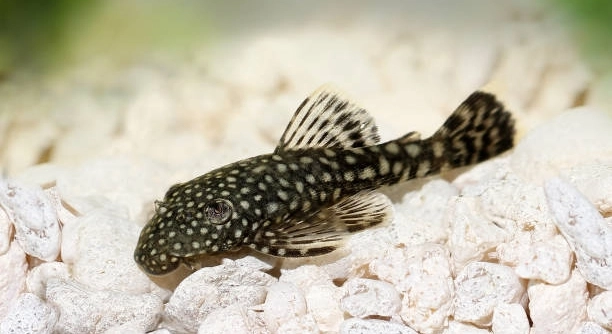
Do your Bristlenose Plecos seem calm one moment and startled the next when sounds suddenly fill the room? These popular aquarium fish have unique behaviors that sometimes catch owners off guard, especially when it comes to environmental changes. Observing them closely can reveal how sensitive they are to various stimuli, including sounds that might seem harmless to humans but impactful to fish.
Bristlenose Plecos can react to loud noises, exhibiting signs of stress such as rapid swimming, hiding, or increased ventilation. Sudden or sustained loud sounds can disturb their natural behavior, affecting feeding, resting, and overall well-being within the aquarium.
Understanding how noise affects Plecos can help maintain a calmer environment for your fish. Simple adjustments in their habitat may prevent unnecessary stress and promote healthier behavior patterns.
How Loud Noise Affects Bristlenose Plecos
Bristlenose Plecos are naturally sensitive to sudden or constant loud noises in their environment. In home aquariums, sounds from vacuum cleaners, televisions, or nearby construction can startle them. When exposed, they may dart quickly to hiding spots, cling to surfaces, or exhibit faster gill movements. These reactions are not signs of aggression but stress responses. Over time, repeated exposure can interfere with feeding, reduce activity, and even impact growth. Providing quiet areas and maintaining stable water conditions helps reduce their stress levels. Observation is key; noticing subtle changes in behavior, like staying hidden longer than usual, can indicate that noise is affecting them. While some fish acclimate, Plecos tend to be more cautious. Creating a peaceful environment enhances their comfort, allowing them to feed, clean surfaces, and explore without constant alarm.
Minimizing loud disturbances allows Plecos to maintain natural patterns. Small adjustments can have a big impact.
Keeping noise low supports healthy behaviors and reduces stress, making your aquarium a safer and more stable habitat for these sensitive fish.
Signs of Stress in Plecos
Stress in Bristlenose Plecos often shows as hiding more than usual, rapid breathing, or erratic swimming.
Recognizing these signs early is important for their well-being. Stressed Plecos may stop eating or avoid certain areas of the tank. Constant disturbances trigger hormonal changes, weakening their immune system. Physical signs, like pale coloration or frayed fins, may appear after prolonged stress. They may cling tightly to surfaces or scrape against decorations in an attempt to cope. Adjusting tank setup with more hiding spots, calm water flow, and stable lighting can alleviate tension. Monitoring interactions with other fish is also important, as aggressive tank mates can worsen stress. Keeping the tank away from high-traffic areas or loud electronics helps maintain a peaceful environment. Stress prevention ensures Plecos remain active, healthy, and able to display natural behaviors like grazing on algae. Consistency in their environment is essential for long-term health and comfort.
Reducing Noise in the Aquarium
Keeping the tank in a quieter part of the room can prevent unnecessary stress for Bristlenose Plecos. Avoid placing the aquarium near televisions, speakers, or heavy foot traffic areas. Even small reductions in background noise can make a noticeable difference in their comfort.
Adding soft materials around the tank, like rugs or foam pads, helps absorb vibrations from outside. Regularly checking equipment for rattles or hums reduces sudden loud sounds. Plecos respond better when their environment is predictable and calm, so maintaining a stable routine for feeding and cleaning also supports their well-being. Simple measures, like closing doors during noisy activities, can keep them calmer and more active in the tank. Observing their behavior after noise adjustments will show if the environment is improving their daily comfort and activity levels.
Choosing quieter filters and pumps can further reduce disturbance. Plecos may explore more freely and show normal feeding habits once external noise is minimized. Maintaining a stable, low-noise environment ensures they remain healthy and stress-free over time.
Providing Hiding Spaces
Plecos need secure hiding spots to feel safe in the tank. Rocks, caves, and driftwood create areas where they can retreat.
Hiding places help reduce stress when sudden noises occur. Without safe spots, Plecos may remain in constant alert, affecting feeding and growth. Arranging decorations thoughtfully provides both shelter and grazing surfaces. Multiple hiding areas prevent competition among tank mates and allow fish to establish preferred resting spots. Observing which areas they use most can guide future adjustments in tank layout.
Adding dense plants or PVC tubes can enhance their sense of security. Plecos often spend daylight hours in these sheltered spaces, emerging mostly at night or during calm periods. These refuges help them maintain natural behaviors, such as grazing on algae and exploring the tank safely. A well-structured environment balances open swimming areas with protective spaces, minimizing stress and encouraging healthy activity. Careful placement of hiding spots also supports social interactions, letting Plecos coexist peacefully with other fish while feeling secure in their own territory.
Tank Placement Tips
Placing the aquarium in a low-traffic area reduces exposure to loud, sudden noises. Avoid rooms with frequent activity or appliance use. A quiet corner helps Bristlenose Plecos remain calm and maintain natural behaviors.
Keep the tank away from speakers, doors, and windows that transmit external sounds. Even small vibrations can startle the fish, so stability is key for their comfort.
Monitoring Pleco Behavior
Observing your Plecos regularly helps identify stress from noise or other environmental factors. Note changes in hiding, feeding, or swimming patterns. These signs indicate how well they adapt to their surroundings. Tracking behavior over time allows early adjustments, keeping them healthy and comfortable.
Feeding Environment
Provide calm conditions during feeding to reduce stress. Sudden sounds or disturbances may make Plecos hesitant to eat.
FAQ
Do Bristlenose Plecos always react to loud noises?
Not all Plecos react the same way. Some are more tolerant and may remain calm, while others show stress immediately. Reactions depend on individual temperament, previous exposure, and tank environment. Fish that have consistent hiding spaces and a stable, quiet tank are less likely to display strong responses.
How can I tell if my Pleco is stressed by noise?
Signs of stress include rapid swimming, prolonged hiding, pale coloration, and irregular feeding. You may also notice them clinging to surfaces or scraping decorations more than usual. Consistent monitoring helps identify patterns, such as increased reactions during specific times of day or when appliances are running.
What types of noises bother Plecos the most?
Sudden, sharp sounds like dropping objects, loud music, or vacuum cleaners are the most disruptive. Constant low-level vibrations, such as rattling pumps or nearby construction, can also cause stress over time. Plecos are more sensitive than many people realize, reacting to sounds humans may barely notice.
Are Plecos more sensitive to noise than other fish?
Yes, Bristlenose Plecos tend to be more cautious and reactive. Their natural behavior in the wild involves hiding in crevices and caves to avoid predators. This instinct makes them respond strongly to unusual environmental stimuli, including loud sounds. Other species may tolerate noise better or be less visibly affected.
Can Plecos get used to noise over time?
Some Plecos may gradually acclimate to repeated sounds if the noise is predictable and not overly loud. However, sudden or irregular noises are harder for them to adjust to. Continuous exposure to high-stress environments can negatively affect health, so minimizing disturbances is always recommended.
What can I do to reduce stress from noise?
Provide multiple hiding spots, maintain stable water conditions, and keep the tank away from high-traffic areas. Using quieter equipment and damping vibrations around the aquarium also helps. Observing behavior after adjustments will show whether your Plecos are responding positively to a calmer environment.
Does tank size affect their reaction to noise?
Yes. Larger tanks provide more space for hiding and escaping sudden stimuli. Smaller tanks may amplify vibrations and sounds, making stress responses more pronounced. Ensuring the tank has enough room and protective areas reduces the likelihood of constant stress.
Should I move my tank if my Plecos are stressed?
Only if the current location cannot be adjusted to reduce noise and vibrations. Moving a tank can itself be stressful, so first try adding shelters, softening vibrations, and limiting nearby disturbances. If relocation is necessary, move slowly and monitor their response closely afterward.
How do I make feeding time less stressful?
Feed in quiet, predictable intervals. Avoid sudden movements around the tank while they eat. Offering food in areas near their hiding spots encourages comfortable feeding. Calm conditions increase appetite and reduce the likelihood of them fleeing from perceived threats.
Is stress from noise harmful long-term?
Prolonged stress can affect immune function, growth, and overall health. Chronic exposure may result in loss of appetite, weakened defenses, or physical signs such as torn fins. Reducing noise and maintaining a stable environment is essential for the long-term well-being of Bristlenose Plecos.
Can other tank mates influence their reaction to noise?
Yes. Aggressive or active fish can increase stress, especially in a noisy environment. Peaceful, compatible tank mates help maintain calm conditions. Observing social dynamics alongside environmental noise ensures Plecos can feel secure and exhibit natural behaviors without added pressure.
What equipment choices help minimize noise stress?
Choosing quiet filters, low-vibration pumps, and stable lighting can reduce disturbances. Foam padding under the tank or equipment can dampen vibrations. Regular maintenance to eliminate rattling parts also keeps the environment calmer, allowing Plecos to explore and feed without stress.
How often should I monitor their behavior for stress?
Daily observation is ideal, especially when introducing new sounds, equipment, or tank mates. Tracking changes over weeks helps identify triggers and determine which adjustments improve comfort. Regular attention ensures long-term health and prevents unnoticed chronic stress.
Are there signs of stress that only appear at night?
Yes. Some Plecos may hide more or avoid feeding during nighttime disturbances. Watch for unusual activity patterns, such as staying in hiding spots longer or sudden bursts of movement. Nighttime monitoring can reveal stress that isn’t obvious during the day.
Can adding plants help reduce noise stress?
Dense plants provide natural cover and break up sound vibrations. Plecos use these areas to retreat and feel secure. The combination of hiding spots and plant coverage creates a calmer environment, allowing them to maintain normal behaviors even if occasional noises occur.
Is water quality affected by noise stress?
Indirectly, yes. Stressed Plecos may eat less or produce more waste, which can affect water parameters. Maintaining stable, clean water is essential to prevent additional stressors. Calm, consistent conditions support both behavior and overall health.
How long does it take for Plecos to recover after loud disturbances?
Recovery depends on individual fish, the intensity of the disturbance, and the environment. Some calm quickly within minutes, while others may take hours or days. Providing immediate quiet, ample hiding spaces, and stable water conditions helps them return to normal behavior faster.
Can I train Plecos to tolerate some noise?
Gradual, controlled exposure may reduce reactions in certain individuals. Avoid sudden, unpredictable sounds. Consistency is key. However, tolerance varies, and some Plecos will always remain sensitive. The focus should be on minimizing stress rather than forcing adaptation.
Do younger Plecos react differently than adults?
Juveniles are generally more timid and may hide more frequently when startled. Adults may explore more but still show stress responses. Providing suitable hiding places and a calm environment is important for all ages to prevent long-term stress and support healthy growth.
Are Plecos more sensitive during breeding or molting periods?
Yes. During these times, they are more vulnerable and easily stressed. Maintaining quiet, stable conditions, and minimizing disturbances is crucial. Extra hiding spaces and careful observation during sensitive periods help protect their health and allow natural reproductive behavior.
Does tank lighting influence noise sensitivity?
Bright or fluctuating lighting can amplify stress from noise. Stable, gentle lighting combined with hiding spots creates a safer environment. Plecos often prefer dimmer areas where they feel secure, reducing their reaction to unexpected sounds.
Can vibrations from outside the tank cause similar stress as loud noise?
Absolutely. Vibrations from appliances, foot traffic, or equipment can disturb Plecos even if the noise level seems low. Dampening vibrations with padding or relocation, along with providing hiding spaces, reduces stress and allows them to behave normally.
How do I know if my adjustments are working?
Monitor feeding, swimming, and hiding patterns. Reduced hiding, normal appetite, and calm exploration indicate improvements. Observing subtle changes over weeks helps determine if noise reduction, hiding spots, or equipment modifications are effective. Consistent positive behavior confirms that adjustments support their comfort.
Are some Pleco breeds more sensitive than others?
Bristlenose Plecos, in general, are cautious, but individual temperament varies. Some may be naturally braver or more adaptable, while others remain highly reactive. Providing a quiet environment and ample shelters benefits all types, regardless of sensitivity.
How does tank size interact with noise sensitivity?
Larger tanks allow more space for hiding and dispersing vibrations. Smaller tanks amplify disturbances and may make stress responses more noticeable. Providing multiple hiding spots and calm areas ensures Plecos in smaller tanks can feel secure despite limited space.
Can stress from noise affect social behavior among tank mates?
Yes. Stressed Plecos may become withdrawn or overly aggressive if disturbed frequently. Ensuring compatible tank mates, calm conditions, and sufficient shelters minimizes conflict and maintains a harmonious tank environment.
What is the most effective combination to reduce noise stress?
A quiet location, stable lighting, calm tank mates, multiple hiding spaces, and quiet equipment work together to minimize stress. Observation and adjustments over time reinforce these measures, allowing Plecos to maintain normal feeding, exploration, and resting behaviors without constant alarm.
Does regular maintenance contribute to stress reduction?
Yes. Cleaning, feeding, and equipment checks done calmly and consistently reduce sudden disturbances. Predictable routines allow Plecos to feel secure and maintain natural behaviors while minimizing the impact of human activity.
Can stress from noise lead to illness?
Prolonged stress weakens the immune system, increasing susceptibility to infections or fin damage. Maintaining a stable, quiet environment is essential to prevent health problems and support long-term well-being.
How long should noise exposure be limited each day?
Ideally, Plecos should have extended periods of minimal noise. Limiting disturbances during key feeding and resting times ensures they remain active, healthy, and stress-free. Consistency helps them adapt safely to their environment.
What is the key takeaway for Pleco owners regarding noise?
Minimizing loud sounds, providing hiding spots, monitoring behavior, and ensuring stable conditions are the most effective ways to keep Plecos calm. Proactive care protects their health, encourages natural behaviors, and creates a more enjoyable aquarium for both fish and owner.
Final Thoughts
Bristlenose Plecos are generally peaceful fish, but they are sensitive to changes in their environment, especially sudden or loud noises. Their natural instincts drive them to seek shelter when they perceive danger, which often includes loud or abrupt sounds. In a home aquarium, these noises may come from everyday activities such as vacuuming, moving furniture, or even a television playing at high volume. While these disturbances may seem minor to humans, Plecos can experience stress, which affects their behavior, feeding, and overall well-being. Observing your Plecos closely can help identify how they respond to different stimuli. Some fish may react immediately, darting to hiding spots, while others might appear unaffected at first but show subtle signs of stress over time. It’s important to remember that every fish is unique, and their responses can vary depending on temperament, past exposure, and the stability of the tank environment. Providing consistent care and a calm setting allows them to feel secure and maintain normal behaviors.
Creating a stable environment for Plecos involves more than just reducing noise. Hiding spaces, such as caves, driftwood, and dense plants, play a critical role in helping them manage stress. These spaces give Plecos the opportunity to retreat and feel safe when they are startled or need quiet. Tank placement also matters; keeping the aquarium in a low-traffic area reduces exposure to frequent disturbances. Quieter equipment, like low-vibration filters and pumps, can further enhance their comfort. Observing the fish’s behavior after making these adjustments provides insight into what works best for your specific Plecos. Calm and predictable feeding routines also help reduce stress, encouraging them to eat normally and stay healthy. By combining quiet surroundings, proper hiding places, and consistent care, Plecos are more likely to thrive and show natural behaviors such as grazing on algae, exploring the tank, and interacting peacefully with other tank mates.
Understanding and responding to Pleco behavior takes patience but pays off with healthier and more active fish. Even small improvements in noise reduction or tank layout can make a noticeable difference in their well-being. Continuous observation and adaptation allow you to notice early signs of stress before they become serious health issues. Providing a calm environment, hiding spots, and stable conditions ensures that Plecos can maintain normal routines and feel secure in their habitat. Stress is not always obvious, so regular monitoring of swimming patterns, feeding habits, and social interactions is essential. Over time, a quiet, thoughtfully arranged aquarium allows Plecos to thrive, grow, and display their natural personalities. Taking these steps demonstrates a commitment to their long-term health and creates a more harmonious and enjoyable aquarium. By paying attention to their needs and adjusting their environment thoughtfully, Plecos can live comfortably, free from constant stress caused by loud noise or sudden disturbances.

Hello,
If you enjoy the content that we create, please consider saying a "Thank You!" by leaving a tip.
Every little bit helps us continue crafting quality advice that supports the health, happiness, and well-being of pets around the world, for pets of all shapes, sizes, and species.
We really appreciate the kindness and support that you show us!