
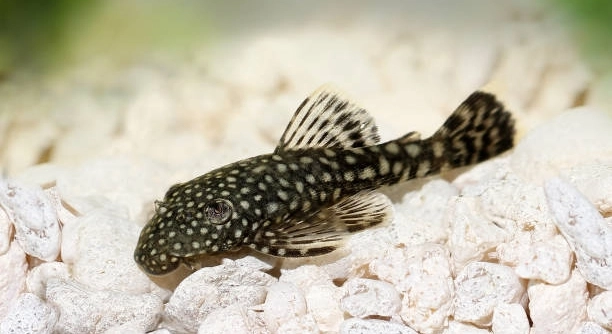
Do you ever notice your Bristlenose Pleco behaving oddly in its tank, and wonder if something unseen could be affecting its health? These peaceful bottom-dwellers can sometimes face hidden challenges that owners might not immediately recognize.
Bristlenose Plecos can indeed get parasites, including protozoans, worms, and external parasites. Infection often occurs through contaminated water, food, or contact with other infected fish, and early detection is essential to prevent severe health complications.
Understanding how parasites affect Bristlenose Plecos and the early signs of infection is crucial for maintaining their long-term health and ensuring a thriving aquarium environment.
Common Types of Parasites in Bristlenose Plecos
Bristlenose Plecos are susceptible to a range of parasites, both internal and external. Internal parasites often include worms such as nematodes and protozoans like Ichthyophthirius. These parasites can affect digestion, nutrient absorption, and overall vitality. External parasites, including flukes and lice, attach to the skin, fins, or gills, causing irritation, redness, and sometimes secondary infections. Stress, poor water quality, and overstocked tanks can increase vulnerability to these infections. Observing behavioral changes, like reduced movement or loss of appetite, is important in early detection. Regular monitoring and maintaining clean tank conditions significantly reduce the likelihood of infestations. Using quarantined fish before introducing them to the main tank can prevent introducing new parasites. Treatment often requires specific medications or environmental adjustments, depending on the type of parasite. Keeping decorations and equipment clean also minimizes infection risk. Attention to diet and water parameters supports a stronger immune system in Bristlenose Plecos.
External parasites can often be managed with proper tank maintenance and prompt treatment.
Preventive care remains the most effective method. Consistently monitoring water quality, avoiding overfeeding, and quarantining new fish are essential steps. This combination reduces stress on Bristlenose Plecos, making them less prone to parasitic infections. Ensuring a balanced diet and regular observation helps identify early signs of illness, improving the chances of a full recovery. By addressing issues promptly and keeping their environment stable, these fish maintain health and longevity, enhancing the overall aquarium experience.
Signs Your Bristlenose Pleco May Have Parasites
Behavioral changes often indicate a problem. Loss of appetite, lethargy, rapid breathing, or scraping against surfaces can signal parasite presence.
Recognizing physical and behavioral signs early is crucial to prevent serious health complications in Bristlenose Plecos. Common indicators include frayed fins, discolored spots, or visible worms around the gills or mouth. Sometimes, internal parasites may cause bloating or unusual swimming patterns. Observing the fish regularly allows for timely intervention. Treating infections promptly with the appropriate medication improves recovery rates and prevents the spread to other tank inhabitants. Maintaining clean water and proper filtration further supports recovery and reduces reinfection risk. Keeping a close eye on all fish in the tank ensures any new cases are caught quickly, preserving the health of the entire aquarium. Consistent monitoring and proactive care provide Bristlenose Plecos with the best chance to thrive despite potential parasitic threats.
Preventing Parasites in Bristlenose Plecos
Maintaining clean water is essential. Regular water changes, proper filtration, and avoiding overcrowding reduce the risk of parasite infestations. Quarantining new fish before adding them to the tank further protects your Plecos from exposure.
A well-balanced diet strengthens the immune system, making Bristlenose Plecos less vulnerable to infections. Providing high-quality sinking pellets, fresh vegetables, and occasional protein supplements supports overall health. Monitoring water parameters, such as pH, ammonia, and nitrite levels, is also critical, as poor water quality can stress fish and increase susceptibility to parasites. Avoid overfeeding, as leftover food can degrade water quality and create a breeding ground for harmful organisms. Regularly inspecting your fish for unusual behavior or physical changes allows you to catch early signs of infection before they become severe. Combining proper diet, clean water, and observation creates a healthier environment that naturally reduces parasite risks.
Stress reduction is another key factor. Ensuring hiding spaces, stable temperatures, and minimal disturbances helps Plecos maintain strong defenses. A calm, stable environment lowers susceptibility to external parasites and supports recovery if minor infections occur. Observing how your fish respond to tank conditions can guide small adjustments that make a significant difference in long-term health.
Treating Parasites in Bristlenose Plecos
Prompt treatment prevents complications. Medications vary depending on the parasite type, including anti-parasitic baths, medicated food, or water treatments.
Internal parasites may require specific oral medications or food treatments, while external parasites often need medicated baths or dips to remove attachment and irritation. Identifying the exact type of parasite is critical, as using the wrong treatment can be ineffective or even harmful. Always follow dosage instructions carefully, adjusting only for tank size and fish count. Removing affected decorations or cleaning substrate can reduce reinfection risks. Observation during treatment ensures fish respond well, and adjustments can be made if side effects appear. Supporting recovery with clean water, proper nutrition, and stress-free conditions improves outcomes and reduces the chance of recurring infections.
Post-treatment care includes monitoring water quality and continuing quarantine measures if new fish are introduced. Gradually returning the fish to normal feeding and maintaining a stable environment ensures the immune system remains strong. Regular check-ups for signs of relapse are essential, as some parasites can persist in hidden areas. Supporting tank hygiene, avoiding overcrowding, and providing varied diet options all contribute to maintaining long-term resistance. These steps, combined with careful observation, create a safer environment for Bristlenose Plecos and reduce the likelihood of future parasitic issues.
Environmental Factors That Encourage Parasites
Poor water quality significantly increases the risk of parasites in Bristlenose Plecos. High ammonia, nitrite, or nitrate levels weaken the immune system, making infections more likely. Overcrowded tanks also create stress, which further contributes to vulnerability.
Temperature fluctuations can stress fish and reduce their resistance to parasites. Sudden drops or spikes in water temperature compromise immune response. Consistent monitoring and maintaining stable conditions help prevent infections. Proper filtration and regular cleaning reduce parasite eggs and larvae, creating a healthier environment for Plecos. Small adjustments in water parameters often have a noticeable impact on fish behavior and overall health.
Diagnosing Parasites in Bristlenose Plecos
Visual inspection is key. Look for frayed fins, white spots, unusual swimming patterns, or scraping behavior. Changes in appetite or bloating may also indicate internal parasites. Observing behavior daily allows early detection, making treatment more effective.
Common Mistakes in Parasite Prevention
Skipping quarantine for new fish can introduce parasites to the tank. Failing to maintain regular water changes also increases infection risk.
FAQ
Can Bristlenose Plecos recover fully from a parasite infection?
Yes, they can recover fully if the infection is caught early and treated appropriately. Providing proper medication, clean water, and stress-free conditions allows the fish to regain strength. Recovery may take a few weeks depending on the parasite type and severity. Observation is key during this period.
How can I tell the difference between internal and external parasites?
External parasites are visible on the skin, fins, or gills. Common signs include redness, white spots, or frayed fins. Internal parasites often show as bloating, unusual swimming patterns, or loss of appetite. Regular inspection helps identify the type of infection early.
Are parasite infections common in home aquariums?
Yes, they are relatively common if proper care is not maintained. Overcrowding, poor water quality, and introducing new fish without quarantine increase the risk. Consistent maintenance and monitoring significantly reduce the likelihood of infection.
Can diet affect parasite susceptibility?
Absolutely. A poor diet weakens the immune system, making Bristlenose Plecos more vulnerable. High-quality sinking pellets, fresh vegetables, and occasional protein supplements strengthen health and support natural resistance against parasites. Avoid overfeeding, as excess food can deteriorate water quality.
What are the best treatments for external parasites?
External parasites often respond well to medicated baths or water treatments designed for fish. Copper-based medications, formalin, or salt dips can be effective, depending on the parasite type. Proper dosing is crucial, and monitoring fish during treatment helps prevent stress or adverse reactions.
How do I treat internal parasites?
Internal parasites typically require oral medications or medicated food. Worm infections may need specific anti-parasitic drugs, while protozoan infections might require longer treatment periods. Accurate identification of the parasite ensures effective treatment and prevents unnecessary stress or harm to the fish.
Can I prevent parasites entirely?
Complete prevention is difficult, but the risk can be minimized. Quarantining new fish, maintaining clean water, monitoring water parameters, avoiding overcrowding, and providing a balanced diet all contribute to lowering infection chances. Early detection also prevents severe outbreaks.
How long should I quarantine new fish?
A quarantine period of at least two to four weeks is recommended. Observing fish during this time for signs of illness ensures that potential parasites or infections are addressed before introducing them to the main tank.
Will treating one infected fish protect the others?
Not necessarily. Parasites can spread quickly, so it is often necessary to monitor and treat the entire tank if an infection is present. Keeping the environment clean and isolating affected fish helps reduce transmission risk.
How often should I check my Plecos for parasites?
Daily observation is ideal. Look for changes in behavior, appetite, swimming patterns, and physical appearance. Early detection significantly improves treatment success and reduces the impact on other tank inhabitants.
Are some Bristlenose Plecos more susceptible than others?
Yes, stressed or weakened fish are more prone to infections. Factors like age, health history, and tank conditions influence susceptibility. Maintaining stable conditions and minimizing stress helps all fish stay healthier.
Can parasites come back after treatment?
Yes, reinfection is possible if tank conditions are poor or new infected fish are introduced. Continuing regular maintenance, quarantining new arrivals, and monitoring water quality reduces the chances of recurrence.
Is it safe to use human medications for fish parasites?
No, human medications can be harmful or fatal to fish. Always use products specifically formulated for aquarium use and follow dosing instructions carefully. Incorrect medication or dosage can worsen the condition.
Do all parasites require medication?
Not all. Mild infestations may be controlled with improved water quality and diet, but most visible infections or internal parasites need targeted treatment. Ignoring symptoms can lead to severe health issues or death.
Can parasites affect other fish species in the tank?
Yes, many parasites are not species-specific. If one fish is infected, there is a risk of spreading to other tank mates. Prompt treatment, isolation, and proper tank hygiene prevent widespread infection.
What is the most important factor in preventing parasites?
Maintaining stable, clean tank conditions is the most critical factor. Proper filtration, regular water changes, balanced diet, and quarantine procedures collectively keep Bristlenose Plecos healthier and less prone to infections.
How do I know if treatment is working?
Look for improved appetite, normal swimming behavior, reduced physical symptoms, and overall increased activity. Continued observation ensures recovery, and adjustments can be made if progress is slow or complications arise.
Should I change tank decor during treatment?
Yes, removing or cleaning decorations, substrate, and equipment can help eliminate parasite eggs or larvae. This reduces the chance of reinfection and supports the effectiveness of medication and treatment.
Can stress alone cause parasites to appear?
Stress weakens the immune system, making fish more vulnerable, but it does not create parasites. Poor conditions, overcrowding, or sudden changes increase susceptibility, so keeping Plecos comfortable and stable is crucial.
How long does it take for Bristlenose Plecos to fully recover?
Recovery time varies depending on parasite type and severity. Mild infections may resolve in a week or two, while more serious cases can take several weeks. Supporting water quality, diet, and minimizing stress speeds up the process.
Bristlenose Plecos are resilient fish, but they are not immune to parasites. Understanding the types of parasites they can get, such as worms, protozoans, and external parasites, is essential for keeping them healthy. Regular observation helps detect early signs of infection, which often include changes in behavior, appetite, or physical appearance. External parasites may show as white spots, redness, or frayed fins, while internal parasites can cause bloating, unusual swimming patterns, or lethargy. Catching these issues early allows for more effective treatment and prevents complications that could threaten the overall health of the fish. Consistently monitoring your Plecos, along with checking water parameters like ammonia, nitrite, and pH levels, ensures the environment remains safe and supportive for their well-being.
Preventive measures are equally important in maintaining healthy Bristlenose Plecos. Proper tank maintenance, including regular water changes and keeping filters clean, reduces the chance of parasites taking hold. Quarantining new fish before adding them to the main tank protects the existing population from exposure to new infections. Diet also plays a significant role; feeding a balanced mix of high-quality sinking pellets, fresh vegetables, and occasional protein supplements strengthens the immune system and improves resistance to parasites. Overfeeding should be avoided, as leftover food can degrade water quality and create favorable conditions for parasites to thrive. Providing hiding spots and maintaining stable water temperatures also reduce stress, which supports the fish’s natural defenses. Even small, consistent actions make a significant difference in preventing infections and promoting overall health.
Treating parasites in Bristlenose Plecos requires careful attention to detail. Identifying whether the infection is internal or external determines the appropriate course of action. External parasites often respond well to medicated baths or water treatments, while internal parasites may require oral medications or medicated food. Following proper dosage instructions and monitoring the fish during treatment are critical to avoid stress or complications. After treatment, ongoing care includes maintaining clean water, providing a nutrient-rich diet, and observing for any signs of reinfection. While parasites can pose a serious challenge, consistent preventive measures, prompt treatment, and careful monitoring allow Bristlenose Plecos to recover and thrive. Creating a stable, clean, and supportive environment ensures that these fish remain healthy, active, and a valuable part of any aquarium.

Hello,
If you enjoy the content that we create, please consider saying a "Thank You!" by leaving a tip.
Every little bit helps us continue crafting quality advice that supports the health, happiness, and well-being of pets around the world, for pets of all shapes, sizes, and species.
We really appreciate the kindness and support that you show us!