
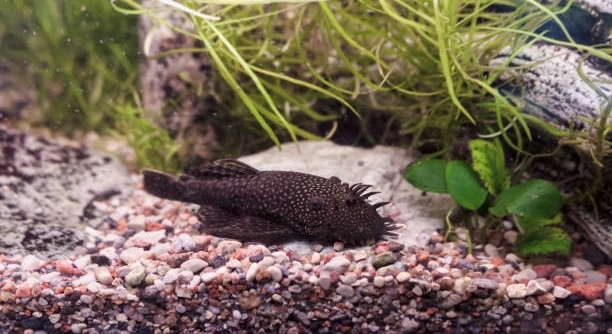
Plecos are fascinating fish that often attract attention for their unique appearance and calm behavior in aquariums. Many owners enjoy observing their feeding habits and how these fish interact with the foods provided daily. Watching them eat can be surprisingly engaging.
Plecos can indeed develop food preferences over time. Repeated exposure to certain foods, coupled with individual taste tendencies, influences their selection. Preferences may change gradually as they associate specific foods with taste, texture, and nutritional satisfaction, demonstrating adaptive feeding behavior.
Understanding how plecos choose their meals helps improve care and diet planning, ensuring their health and enjoyment in a home aquarium. Observing these preferences reveals more about their natural instincts and habits.
How Plecos Choose Their Food
Observing plecos in an aquarium reveals their subtle habits and preferences. They often start with vegetables like zucchini, cucumber, or spinach, carefully nibbling before deciding whether to continue. Some plecos may avoid foods at first but accept them after repeated exposure. Texture plays a key role; softer foods tend to be accepted more quickly than tougher options. Color can also influence interest, with darker greens and orange vegetables often preferred. Over time, plecos may show clear favoritism toward certain vegetables or algae wafers, even if other foods remain available. Their behavior changes gradually, influenced by both taste and familiarity. Monitoring their feeding patterns can indicate which foods meet their nutritional needs. Feeding a variety ensures a balanced diet while allowing the pleco to develop distinct preferences. Regular observation helps owners adjust offerings based on the fish’s reactions, ensuring health and contentment. Preferences are rarely immediate and usually form through repeated experience and environmental consistency.
Plecos develop their food choices slowly, often repeating patterns based on taste and texture rather than color alone. Observation is key.
Watching them select foods becomes more than feeding; it provides insight into their intelligence and adaptability, reflecting how they interact with their surroundings. Understanding these patterns allows for a more tailored approach, ensuring each pleco receives foods it naturally prefers. Keeping track of their reactions helps prevent waste while maintaining a varied diet, and it also fosters a connection through observation rather than direct interaction. Over time, these small habits can show remarkable consistency, highlighting both the individuality and instinct of each fish. By adjusting the types and presentation of foods, owners can better meet nutritional needs while respecting the fish’s natural tendencies.
Encouraging Balanced Eating
Offering multiple food types increases the likelihood of a balanced diet for plecos. Rotation and variety matter.
Providing vegetables, algae wafers, and occasional protein sources ensures nutrients are met. Plecos may initially ignore certain foods, but gradual introduction encourages acceptance. Temperature, presentation, and freshness influence feeding behavior, so rotating items carefully improves overall intake. Observing which foods are favored allows adjustments to avoid nutritional gaps. While plecos develop favorites, diversity prevents overreliance on one type of food. Presenting foods in small portions and removing uneaten items helps maintain water quality. Over time, balanced offerings support growth, coloration, and activity levels. This approach ensures health while respecting the pleco’s natural feeding instincts. Consistency, variety, and patience are crucial in shaping sustainable food preferences.
Plecos that enjoy a varied diet tend to be healthier, more active, and more responsive to environmental changes. A diverse feeding approach fosters long-term well-being.
Recognizing Changes in Food Preferences
Plecos may suddenly switch favorites or begin ignoring previously loved foods. These changes often result from growth, health, or environmental adjustments. Monitoring these shifts ensures their diet remains appropriate.
Noticing when a pleco refuses a food it once ate consistently can indicate natural preference development or a minor health issue. Subtle changes, like slower eating or picking at new foods, may appear gradually. Environmental factors, such as water temperature, tank mates, and lighting, also influence acceptance. Sometimes, a change in algae availability or type can shift their focus to other foods. Tracking these trends over weeks allows adjustments to diet and feeding schedules.
Maintaining a consistent feeding routine helps clarify whether changes are preference-based or health-related. By providing the same food at the same time and observing reactions, owners can identify patterns. Some plecos may develop seasonal preferences or react differently to fresh versus processed options. Patience is essential, as forcing a food can cause stress or rejection. Over time, carefully observing intake habits reveals true preferences and allows for better dietary planning. This approach balances health, nutrition, and natural selection behavior in a home aquarium.
Factors That Influence Pleco Food Choices
Age, size, and digestive ability all influence what plecos prefer to eat. Younger plecos may try more foods.
Water conditions, including temperature, pH, and hardness, can affect appetite and texture preference. Tank dynamics, like competition with other fish or stress from overcrowding, may also play a role. Seasonal changes in natural algae or nutrient needs can further shift interest toward specific foods. Owners can adjust feeding strategies to accommodate these variables, such as offering softer vegetables or smaller portions. Observing their responses provides insight into subtle influences affecting dietary decisions.
Offering foods in varying textures and nutrient profiles supports adaptability. Introducing new foods gradually alongside familiar favorites encourages acceptance without stress. Keeping water quality high and tank conditions stable ensures that feeding behavior reflects preference rather than discomfort or illness. Some plecos may favor foods with higher fiber content, while others lean toward protein-rich options. Rotation schedules prevent boredom and promote comprehensive nutrition. Careful attention to these factors allows owners to create a feeding environment that reflects natural tendencies while supporting overall health. Monitoring behavior, intake, and tank conditions together provides a complete picture of the pleco’s preferences and ensures a balanced, satisfying diet.
Observing Feeding Behavior
Plecos often show clear signs when they like a food, such as lingering near it or nibbling repeatedly. Watching these behaviors helps identify favorites quickly.
Conversely, ignoring or slowly approaching certain foods indicates a lack of interest. These subtle cues are consistent and can guide future feeding decisions.
The Role of Texture
Texture significantly influences pleco preferences. Soft vegetables are usually eaten first, while harder or fibrous items may be ignored. Repeated exposure can increase acceptance, but texture remains a primary factor in choice. Observing how they handle different foods allows adjustments for easier consumption and satisfaction.
Environmental Influence
Tank layout, lighting, and water flow affect how plecos approach food. A calm, well-structured environment encourages consistent feeding habits.
FAQ
Can plecos develop favorites for certain vegetables over others?
Yes, plecos can show clear preferences for specific vegetables or plant matter. Over time, repeated exposure allows them to recognize textures and flavors they enjoy most. Some may favor zucchini or cucumber, while others lean toward spinach or romaine. These choices are influenced by both taste and digestibility. Observing which foods they consistently eat first helps determine their favorites. Rotating vegetables ensures they still receive balanced nutrition while allowing natural preferences to guide selection.
How long does it take for plecos to show food preferences?
Preferences usually develop gradually over weeks or months. Initially, plecos may sample all available foods without clear favorites. As they become familiar with flavors and textures, their choices stabilize. Patience is important, as forcing them to eat a specific food can create stress or rejection. Regular observation and consistent feeding schedules allow owners to identify emerging preferences accurately. Environmental stability, such as water quality and tank conditions, also accelerates the development of reliable patterns.
Do plecos ever reject foods they previously liked?
Yes, plecos can suddenly ignore foods they once ate consistently. Changes in health, growth stage, or environmental factors often cause this shift. Sometimes, preferences evolve naturally as they develop new tastes or dietary needs. Other times, water conditions or stress may temporarily alter appetite. Monitoring these changes ensures proper nutrition is maintained and helps differentiate between preference shifts and health concerns.
Does the texture of food matter for plecos?
Texture is a major factor in food acceptance. Soft or easily chewable vegetables are typically favored, while fibrous or tough items may be avoided initially. Gradual exposure to different textures can increase acceptance over time. Observing how plecos manipulate and consume each food provides insight into their comfort and preference. Adjusting offerings based on texture helps reduce waste and encourages a balanced diet without forcing unwanted foods.
Can plecos be trained to eat new foods?
Yes, plecos can gradually accept new foods if introduced carefully. Mixing unfamiliar foods with their preferred items or presenting them repeatedly increases acceptance. Avoid overwhelming them with too many new options at once. Patience and consistent feeding schedules are key to helping plecos adapt. Tracking reactions to each new food helps identify which textures and flavors are most likely to succeed.
How do environmental factors influence food preferences?
Tank conditions, including water temperature, pH, and flow, affect appetite and acceptance. Stress from overcrowding or aggressive tank mates can reduce interest in certain foods. Even lighting and hiding spots can influence where and how plecos feed. Providing a calm, stable environment encourages consistent feeding behavior and makes it easier to observe and understand individual preferences. Adjusting the environment alongside diet can improve intake and satisfaction.
Should plecos be offered protein alongside vegetables?
Occasionally offering protein sources, such as shrimp pellets or sinking wafers, complements a primarily plant-based diet. While vegetables form the bulk of their nutrition, protein helps support growth and overall health. Monitoring preferences allows owners to balance plant and protein intake effectively. Gradual introduction ensures the pleco does not reject new items and maintains a well-rounded diet.
How can I tell if a pleco’s preference is unhealthy?
If a pleco consistently avoids certain nutrient-rich foods, shows weight loss, or becomes less active, it may indicate a problematic preference. Diversifying offerings and monitoring health signs ensures their diet remains balanced. Consultation with an aquatic specialist can help address any dietary deficiencies. Observing eating habits and adjusting portions keeps the pleco both healthy and satisfied.
Does age affect food choices?
Younger plecos tend to explore a wider range of foods, while older fish often stick to established favorites. Their digestive capabilities and nutritional needs change with age, influencing selection. Offering variety early helps develop balanced preferences, while older plecos benefit from maintaining a consistent diet aligned with their established choices.
How can I track pleco food preferences effectively?
Keeping a simple feeding log works well. Note which foods are eaten first, ignored, or partially consumed. Record environmental conditions and any changes in behavior. Over time, patterns emerge that indicate true preferences versus temporary choices. This approach allows tailored feeding strategies, ensuring both satisfaction and proper nutrition.
Can stress impact a pleco’s willingness to try new foods?
Stress reduces appetite and can lead to rejection of unfamiliar or even previously favored foods. Ensuring calm tank conditions, minimal disturbances, and compatible tank mates improves feeding behavior. Stress management is as important as diet variety when shaping long-term preferences.
Is it necessary to adjust feeding schedules based on preference?
Yes, offering preferred foods at consistent times encourages regular feeding. Monitoring their responses allows small adjustments without overfeeding. Predictable schedules reduce waste, maintain water quality, and reinforce healthy eating patterns. Over time, this consistency helps plecos make clear choices while maintaining balanced nutrition.
Do plecos communicate preferences to other fish?
While plecos do not directly “teach” other fish, dominant or more active individuals may consume preferred foods first. This can influence the feeding order and perceived availability for others. Observing interactions helps ensure all fish receive adequate nutrition and avoids undue competition.
How often should I introduce new foods?
Introducing new items gradually every few weeks works best. Sudden changes may lead to rejection. Pairing new foods with favorites encourages trial without stress. Recording reactions and adjusting portions ensures the pleco’s diet remains balanced while exploring new options.
Are food preferences consistent across species of plecos?
Different pleco species show varying tendencies. Some may favor algae wafers, others prefer leafy vegetables. Observing each species’ behavior allows tailored feeding plans. Consistency within the same tank can vary, requiring careful monitoring to accommodate individual needs.
Can supplements influence food choices?
Yes, vitamin or mineral supplements can enhance taste or texture, encouraging acceptance of less-preferred items. Mixing supplements into favored foods helps ensure full nutritional intake while supporting the development of balanced preferences. Regular observation ensures effectiveness without over-supplementing.
Do plecos prefer fresh or frozen vegetables?
Fresh vegetables are often favored due to texture and flavor. Frozen items can be accepted but may require thawing or softening. Observing consumption rates helps determine the most suitable option. Variety in preparation can improve acceptance and provide nutritional benefits.
How important is portion size in preference development?
Offering appropriately sized portions prevents waste and ensures plecos can fully consume favored items. Too large a portion may discourage eating, while too small may leave them unsatisfied. Adjusting portions based on observed interest supports both preference formation and overall health.
Can plecos’ preferences change seasonally?
Yes, seasonal changes in natural feeding behavior or tank conditions can alter preferences. Some foods may become more appealing at certain times, while others are ignored. Tracking these trends ensures the diet remains balanced year-round.
How do I encourage a picky pleco to eat a balanced diet?
Gradual introduction of new foods alongside favorites, monitoring intake, and maintaining stable tank conditions encourage acceptance. Mixing textures and flavors in small portions reduces stress and promotes exploration. Patience and consistency allow even the pickiest pleco to develop a well-rounded diet over time.
Are there signs that a pleco is fully satisfied with its food?
A satisfied pleco will eat steadily, linger near preferred foods, and show active behavior. Lack of stress, consistent coloration, and regular movement are indicators that dietary needs are being met. Monitoring these signs helps maintain health while respecting natural preferences.
What should I avoid when trying to shape food preferences?
Avoid sudden diet changes, overfeeding, or forcing new foods. These can cause rejection, stress, or water quality issues. Gradual adjustments with careful observation are the most effective way to guide preferences while ensuring nutrition and well-being.
Can multiple plecos influence each other’s food choices?
Yes, observing other plecos can affect behavior. Dominant fish may eat first, influencing access for others. Ensuring fair distribution prevents malnutrition and helps maintain individual preference patterns. Careful observation ensures all plecos have opportunities to express natural food choices.
Is it necessary to note rejected foods?
Yes, tracking ignored items helps identify true dislikes versus temporary rejection. This information informs future feeding plans, allowing owners to focus on preferred items while gradually reintroducing less favored foods for balance.
Do plecos ever forget food preferences?
Preferences can change due to health, age, or environmental shifts, but memory of favored foods usually persists. Gradual adaptation ensures they continue to recognize foods they enjoy while allowing for occasional novelty in the diet.
How can I maintain a balanced diet while respecting preferences?
Pair preferred foods with nutrient-rich options and rotate regularly. Monitor intake and adjust portions to ensure complete nutrition. Patience and observation allow preferences to guide feeding without compromising health. A careful balance maintains both satisfaction and well-being over time.
How do I know if a pleco’s food preference is permanent?
Consistency over weeks or months indicates a lasting preference. Temporary changes may occur due to stress or environmental shifts, but stable choices suggest long-term selection. Documenting reactions and monitoring intake confirms which foods are reliably favored.
Can plecos be encouraged to try new foods without stress?
Yes, gradual introduction alongside favorites, small portions, and calm tank conditions reduce stress. Positive reinforcement through repeated exposure encourages experimentation while maintaining a sense of security. Observing reactions ensures changes are well-tolerated.
Do plecos’ preferences affect water quality?
Uneaten food can deteriorate water quality, so observing intake is crucial. Offering appropriate portions of preferred foods minimizes waste and maintains a clean environment. Careful monitoring ensures both health and water stability.
What role does consistency play in preference development?
Consistent feeding times, portion sizes, and presentation help plecos form reliable habits. Irregular schedules may confuse or stress them, leading to unpredictable choices. Stability allows preferences to emerge naturally while supporting overall health.
Are there specific signs a pleco dislikes a food?
Slow approach, brief nibbles, or ignoring the item indicate disinterest. Observing these cues allows owners to adjust offerings without forcing consumption, ensuring diet satisfaction and reduced waste.
How important is observation in understanding preferences?
Careful observation is critical. Tracking which foods are eaten first, ignored, or partially consumed provides insight into natural tendencies. This information guides portioning, rotation, and introduction of new foods for a balanced, satisfying diet.
Can I combine multiple vegetables to encourage acceptance?
Yes, combining new or less-preferred vegetables with favorites increases likelihood of consumption. Gradual mixing helps plecos sample diverse options without stress, supporting nutritional balance while respecting natural inclinations.
Do plecos remember foods after a long break?
Plecos generally recall foods they enjoyed previously. Reintroducing items after weeks or months usually results in recognition and acceptance, especially if offered in a familiar manner. Tracking their reactions confirms memory and preference retention.
Is it possible to overfeed preferred foods?
Yes, focusing too heavily on favorites can lead to overfeeding, unbalanced nutrition, and water quality issues. Offering varied portions and rotating foods ensures health and prevents excessive consumption of any single item.
How can I adjust feeding for multiple plecos with different preferences?
Offer a range of foods in separate areas to accommodate all individuals. Observe intake patterns to ensure each pleco gets sufficient nutrition. Rotating portions and types helps satisfy diverse tastes while preventing competition or dietary gaps.
Are there subtle cues that indicate emerging preferences?
Lingering near a new food, repeated nibbles, or moving it around without eating can signal developing interest. Tracking these behaviors over time helps determine which items are likely to become favored.
Can stress from tank changes temporarily affect preferences?
Yes, moving decorations, adding new fish, or altering water conditions can reduce appetite and interest in certain foods. Allowing time for adaptation restores normal feeding behavior and preference patterns.
Do plecos prefer live, frozen, or processed foods?
Preferences vary. Some enjoy live or fresh options, while others accept frozen or processed items. Observing consumption rates and behavior helps determine the best approach to meet nutritional and preference needs.
How can I balance taste and nutrition?
Pair favorite foods with nutrient-rich alternatives and rotate regularly. Observing intake ensures the pleco enjoys meals while receiving complete nutrition. Gradual introduction of new items encourages acceptance without stress.
Does feeding at different times affect preference development?
Consistent schedules support preference formation and healthy appetite. Irregular feeding can lead to disinterest or overeating when food is available. Predictable times reinforce habits and allow accurate observation of favorites.
How can I tell if a new food is accepted?
Full consumption, repeated eating, and lingering near the item indicate acceptance. Partial sampling or avoidance suggests it has not yet been embraced. Tracking these responses over several feedings confirms true preference.
Should I remove uneaten food immediately?
Yes, removing uneaten portions prevents water deterioration and helps distinguish between rejected items and favorites. It also maintains hygiene and encourages consumption of available, preferred foods.
Do plecos prefer foods in specific locations?
Placement can affect feeding. Some plecos favor bottom areas or corners, while others explore open spaces. Observing where they eat helps optimize placement for better intake and satisfaction.
Can food presentation influence acceptance?
Yes, slicing, blanching, or softening vegetables often increases interest. Presenting foods attractively and accessibly encourages sampling and supports preference development without forcing consumption.
How do I encourage variety without causing stress?
Introduce small amounts of new items alongside familiar favorites. Gradual mixing reduces rejection and promotes balanced nutrition. Observation ensures the pleco remains comfortable and accepts the change naturally.
Is it beneficial to note water conditions alongside food preferences?
Yes, tracking temperature, pH, and flow alongside feeding patterns helps correlate behavior with environmental factors. Adjustments can then be made to support both preference and health effectively.
Do plecos ever lose interest in all foods temporarily?
Occasionally, stress, illness, or environmental changes can cause temporary disinterest. Maintaining calm conditions and monitoring health ensures they return to normal feeding habits. Patience is key during these periods.
Can social behavior affect eating preferences?
Yes, dominant individuals may eat first, influencing access for others. Observing interactions ensures all plecos receive adequate nutrition and allows individual preferences to emerge without undue competition.
Are supplements necessary if plecos show strong preferences?
Supplements may be useful if favorites lack certain nutrients. Integrating vitamins or minerals carefully ensures a balanced diet while respecting preferred foods. Monitoring health and intake ensures supplementation is effective without overdoing it.
How often should I reassess food preferences?
Reassessment every few weeks allows adjustments for growth, health changes, or environmental shifts. Regular observation keeps the diet aligned with preferences and ensures complete nutrition consistently.
Do plecos prefer variety or consistency?
They enjoy consistency in familiar foods but benefit from gradual variety to maintain balanced nutrition. Observing reactions guides the right mix of stability and new options.
Can food preferences impact overall activity levels?
Yes, consuming preferred foods often increases energy, coloration, and movement. Lack of interest or unbalanced diet can reduce activity, signaling adjustments are needed to maintain well-being.
Are there signs of overfeeding preferred foods?
Excess uneaten portions, bloating, or lethargy indicate overfeeding. Balancing portion size and variety prevents these issues while maintaining satisfaction and health.
Does temperature influence preference?
Yes, warmer or cooler water can alter appetite and texture preference. Monitoring reactions under stable temperatures helps determine optimal feeding conditions for developing and maintaining preferences.
Can a pleco’s preferences predict health issues?
Sudden rejection of favorite foods may indicate illness or stress. Observing intake trends and physical signs helps identify potential problems early, allowing timely intervention.
How important is consistency in portion size?
Consistent portioning prevents overfeeding, ensures proper intake, and supports accurate observation of emerging preferences. Adjustments should be gradual to maintain health and satisfaction.
Can plecos adapt to completely new diets?
With patience, gradual introduction, and careful observation, plecos can learn to accept new foods. Mixing new items with favorites encourages acceptance without stress. Over time, they may develop lasting preferences within the new diet.
Is monitoring leftover food important?
Yes, leftover food affects water quality and signals disinterest. Regular removal ensures the tank remains clean and helps track true preferences for future feeding.
Do plecos prefer certain food sizes?
Yes, bite-sized or manageable portions are consumed more readily. Large pieces may be ignored or partially eaten. Adjusting size improves acceptance and reduces waste.
Can plecos be encouraged to eat algae wafers if they prefer vegetables?
Yes, placing wafers near vegetables or offering small portions first encourages sampling. Repeated exposure increases familiarity and acceptance without forcing consumption. Gradual integration supports balanced nutrition.
Does lighting affect feeding behavior?
Yes, bright lights or shadows can influence comfort and willingness to eat. Observing plecos under consistent lighting ensures feeding behavior reflects true preference rather than stress or avoidance.
Can seasonal water changes affect preferences?
Yes, shifts in temperature or water quality may temporarily alter interest in certain foods. Maintaining stability while offering familiar favorites supports consistent feeding behavior.
Do plecos show preference for commercially prepared foods?
Many accept wafers or pellets, though texture and flavor may influence initial acceptance. Gradual introduction and pairing with familiar foods increase likelihood of consistent consumption.
How can I balance preferred foods with nutritional needs?
Mix favorites with nutrient-rich items gradually, monitor intake, and adjust portions. Observation ensures plecos receive both enjoyment and proper nutrition without stress.
Is it normal for plecos to ignore some foods indefinitely?
Yes, individual preferences vary. Some foods may never be accepted, which is natural. Ensuring variety and nutritional balance through alternatives maintains health.
Can water flow influence feeding?
Yes, strong currents may make certain foods harder to consume. Adjusting flow or placing food in calmer areas encourages easier intake and reflects true preferences.
How do I know when a pleco is satisfied?
Full consumption, active movement, and normal behavior indicate satisfaction. Observing these signs ensures diet meets both preference and nutritional needs consistently.
Does repeated exposure always lead to acceptance?
Not always. Some foods may remain unappealing despite repeated offers. Patience and gradual introduction help, but some preferences are innate and unlikely to change.
Can feeding behavior predict overall health?
Yes, regular eating, interest in variety, and consistent energy levels often indicate good health. Changes in these patterns may signal stress, illness, or environmental issues needing attention.
How important is patience in shaping preferences?
Patience is crucial. Gradual exposure, careful observation, and consistent routines allow plecos to develop preferences naturally without stress, ensuring both satisfaction and long-term health.
Can plecos develop dislike for a favorite food?
Yes, health issues, environmental stress, or changes in texture can cause temporary or permanent rejection. Observation helps distinguish cause and guides adjustments to maintain nutrition.
Are some plecos more picky than others?
Individual personality affects feeding. Some are adventurous, while others stick to a few favorites. Recognizing these differences allows tailored diet plans for each fish.
Does feeding time affect preference formation?
Consistent timing supports habit formation
Final Thoughts
Plecos are fascinating fish that display clear individual food preferences, which can develop over time. Observing their eating habits offers valuable insight into their behavior and overall well-being. Over weeks and months, they may begin favoring certain vegetables, algae wafers, or protein sources, while showing less interest in others. These choices are influenced by factors like texture, taste, and familiarity. Soft, easily chewable vegetables tend to be accepted more quickly, while harder or fibrous foods may take longer for them to explore. Gradually introducing a variety of foods ensures they receive balanced nutrition without forcing unwanted items. Paying attention to these small patterns helps owners provide a diet that meets both the pleco’s natural tendencies and nutritional needs. Tracking which foods are consumed first or most consistently can indicate their true preferences, while foods ignored may either be less appealing or unsuitable for their digestion.
Consistency in feeding and monitoring environmental conditions play a crucial role in shaping food preferences. Water temperature, pH levels, flow, and tank setup all influence appetite and willingness to try new foods. Stress caused by overcrowding, aggressive tank mates, or sudden changes in the environment can temporarily reduce interest in certain foods, even favorites. By maintaining stable conditions and offering food at predictable times, owners can encourage steady feeding behavior and allow natural preferences to emerge. Observing plecos during feeding sessions also reveals subtle cues, such as lingering near a preferred food, nibbling repeatedly, or ignoring items entirely. These behaviors are valuable in adjusting the diet to suit their individual needs. Feeding routines that incorporate both consistency and gentle variety support health, encourage balanced nutrition, and reduce waste in the tank. Gradual adaptation and careful monitoring help ensure that even picky plecos can thrive and maintain steady growth, coloration, and activity.
Patience and observation are essential when caring for plecos and supporting their dietary development. While some may take weeks or months to settle into clear favorites, others may change preferences as they grow or experience environmental changes. Allowing them to explore new foods gradually and mixing favorites with less-preferred options encourages acceptance without causing stress. Monitoring intake, portion sizes, and leftover food ensures both nutrition and water quality are maintained. Understanding individual preferences allows for more effective diet planning and provides insight into their natural behaviors. By balancing variety, consistency, and observation, owners can support plecos in developing healthy, sustainable feeding habits. Over time, paying attention to their likes, dislikes, and subtle feeding cues results in happier, healthier fish that enjoy a diet suited to their natural tendencies and nutritional requirements.

Hello,
If you enjoy the content that we create, please consider saying a "Thank You!" by leaving a tip.
Every little bit helps us continue crafting quality advice that supports the health, happiness, and well-being of pets around the world, for pets of all shapes, sizes, and species.
We really appreciate the kindness and support that you show us!