Can You Keep a Single Pleco for Life?

Do you enjoy keeping fish but find yourself thinking about how long a single pleco can thrive in your tank? Plecos are popular for their algae-eating habits and striking appearance, making them a common choice for aquariums. A single pleco can live alone for life if provided with proper care, including an adequately sized tank, … Read more
7 Reasons Your Pleco Is Losing Its Bristles

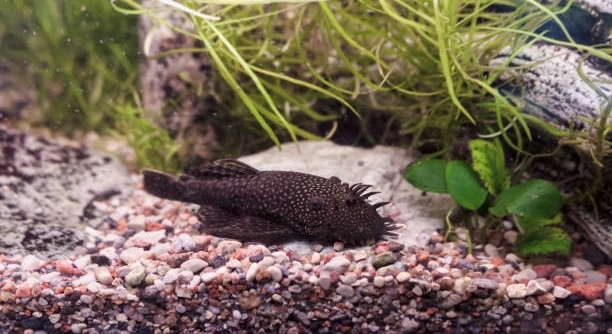
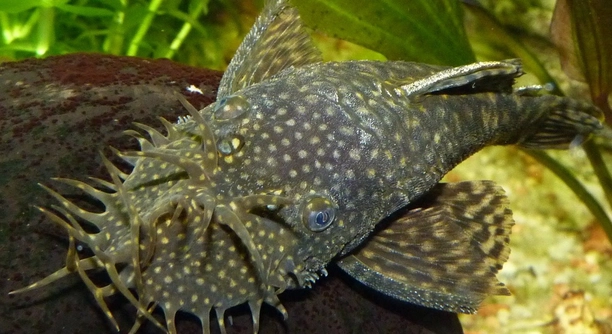
Is your pleco losing its bristles and leaving you concerned about its health? Observing these changes can be worrying, especially when you want your fish to thrive in a calm, well-maintained aquarium environment. Pleco bristle loss is commonly caused by nutritional deficiencies, poor water quality, stress, or disease. Identifying the specific cause is essential for … Read more

Can Bristlenose Plecos Get Skin Infections?

Are your Bristlenose Plecos showing unusual spots or patches on their skin lately? Many fish owners notice these changes and start thinking about their pet’s overall health and environment. Understanding these signs early is important for care. Bristlenose Plecos are susceptible to skin infections caused by bacteria, fungi, and parasites. Poor water quality, injuries, or … Read more

Can Plecos Live in a Tank Without Plants?

Do you enjoy keeping aquariums but find yourself unsure about what makes a healthy environment for your fish? Many aquarists consider adding plants, but some tanks remain bare. Plecos are a popular choice for many freshwater setups. Plecos can survive in a tank without plants, but their overall health and natural behaviors may be affected. … Read more

7 Tips for Raising Healthy Pleco Fry

Raising pleco fry can be a rewarding experience, yet it comes with unique challenges. Their delicate nature and specific needs require careful attention to water quality, diet, and tank environment for proper growth. Ensuring healthy pleco fry involves maintaining stable water parameters, providing a balanced diet rich in nutrients, and creating an environment that supports … Read more

7 Tank Features That Distract Plecos

Do your plecos seem distracted or restless in their tank despite having plenty of space and hiding spots? Many aquarists notice that certain features meant to enhance the environment can unintentionally draw their attention away from normal behaviors. Certain tank features, such as overly bright lighting, high-flow filters, excessive decorations, or unstable surfaces, can divert … Read more

Why Your Pleco Might Be Pacing at Night

Is your pleco moving restlessly during the night, gliding along the glass or shifting through decorations in its tank? Many fish owners notice this behavior and wonder if it is normal or a sign of an underlying issue. Nighttime pacing in plecos is often linked to stress, improper tank conditions, or insufficient hiding spaces. Ensuring … Read more

Can Bristlenose Plecos Live Without Algae?

Do you ever find yourself staring at your aquarium, noticing the algae slowly building on the surfaces and wondering how your Bristlenose Pleco fits into the picture? These small fish are often praised for their algae-eating abilities and unique appearance. Bristlenose Plecos can survive without algae, but it is not ideal for their long-term health. … Read more

7 Best Tank Caves for Bristlenose Plecos

Do you enjoy keeping Bristlenose Plecos but find that your aquarium feels bare without hiding spots for them? These fish naturally seek shelter, and providing proper tank caves is essential for their comfort and well-being. The best tank caves for Bristlenose Plecos include ceramic, resin, driftwood, PVC, coconut shell, slate, and rock formations. These structures … Read more

7 Signs Your Pleco Tank Needs More Oxygen

Are your plecos seeming less active than usual or spending more time at the surface of the tank? Observing their breathing patterns and overall behavior can reveal whether their aquatic environment is adequately oxygenated. Subtle changes may indicate an underlying problem. A pleco tank that lacks sufficient oxygen can lead to stress, weakened immunity, and … Read more