
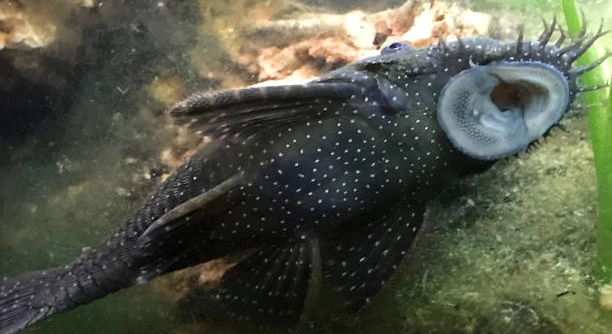
Do you enjoy keeping fish but find yourself thinking about how long a single pleco can thrive in your tank? Plecos are popular for their algae-eating habits and striking appearance, making them a common choice for aquariums.
A single pleco can live alone for life if provided with proper care, including an adequately sized tank, consistent water quality, and a balanced diet. Regular maintenance and monitoring are essential to ensure its long-term health and well-being.
Understanding the right environment, diet, and tank setup is key to supporting a pleco’s lifespan and keeping it healthy for many years.
Understanding Pleco Lifespan
Plecos are long-living fish, with many species reaching 10 to 15 years when properly cared for. Their lifespan depends heavily on the size of the tank, water quality, and diet. Smaller tanks can stress plecos, leading to health problems and shorter lives. Maintaining a stable temperature and keeping the water clean reduces disease risks. Feeding a mix of algae wafers, vegetables, and occasional protein helps them grow strong. They also need hiding spots and decorations to feel secure. Overcrowding or aggressive tankmates can create stress, which negatively affects longevity. Regular monitoring of water parameters like pH, ammonia, and nitrates ensures a healthy environment. Paying attention to their behavior can indicate potential problems early. A pleco kept in optimal conditions can live many years comfortably, adapting well to life in a single-species tank. Observing their eating habits and physical appearance is a simple way to track health changes.
Proper tank maintenance and monitoring are critical for keeping a pleco healthy throughout its lifespan.
Plecos are adaptable but require consistency. Frequent water changes, at least 25 percent weekly, prevent toxin buildup. Temperature stability is important, usually between 74°F and 80°F depending on species. Avoid sudden changes, which can shock them. Decorations like driftwood not only mimic natural habitat but also provide surfaces to graze. Hiding places reduce stress and encourage natural behavior. Feeding a balanced diet prevents malnutrition and digestive issues. Some plecos prefer vegetables like zucchini or cucumber, while others enjoy algae wafers. Avoid overfeeding to prevent water contamination. Observing interactions with tankmates ensures there is no bullying. Smaller fish may be stressed by a large pleco, so compatibility is key. Clean the tank equipment regularly and check filters for blockages. Understanding these needs and maintaining a consistent routine will support your pleco’s health and long life.
Feeding a Single Pleco
A single pleco needs a diet that meets all nutritional requirements without overcrowding the tank.
Providing a mix of vegetables, algae wafers, and occasional protein is essential. Regular feeding prevents malnutrition while keeping the tank clean and safe. A balanced diet supports proper growth, energy, and long-term health.
Plecos are primarily algae eaters, but relying solely on natural algae in the tank is insufficient. Supplementing with vegetables like zucchini, spinach, or cucumber ensures they receive fiber and vitamins. Algae wafers are convenient and provide protein. Some species benefit from occasional small portions of shrimp or bloodworms to enhance their diet. Avoid overfeeding, as leftover food decomposes and harms water quality. Feeding at consistent times helps maintain healthy routines and reduces stress. Observing your pleco during feeding can indicate if it’s receiving enough nutrition or struggling. A well-fed pleco exhibits active grazing behavior and a healthy appearance, while lethargy or discoloration may signal dietary gaps or water issues. Balancing variety, portion size, and timing ensures your pleco thrives as a single inhabitant, supporting longevity and overall well-being.
Tank Size and Environment
A proper tank size is essential for a pleco’s health. Most species need at least a 30-gallon tank, though larger species may require 75 gallons or more. Adequate space prevents stress and promotes natural behavior.
Providing enough room allows plecos to swim freely and explore. Hiding spots such as caves, driftwood, or plants help them feel secure and reduce stress. Open swimming areas let them graze on surfaces while avoiding conflict with tankmates. Water quality is easier to maintain in a properly sized tank because waste is less concentrated. Filtration and regular water changes are critical, especially in smaller setups. Temperature and pH should remain stable, as plecos are sensitive to rapid fluctuations. Proper lighting encourages algae growth without overheating the water. Monitoring behavior and adjusting the environment ensures the pleco remains healthy. A tank that supports both movement and hiding needs sets the stage for long-term wellness.
Maintaining a balanced environment reduces stress, encourages healthy behavior, and supports a pleco’s longevity.
Plecos are adaptable to many tank setups but thrive best when conditions mimic their natural habitat. Driftwood serves multiple purposes, from providing hiding places to promoting natural grazing. Sand or fine gravel substrates prevent injury and allow natural foraging. Plants can improve water quality while offering additional shelter. Placement of decorations should allow open swimming areas alongside cozy retreats. Regular observation ensures tankmates are compatible, as aggressive species can cause harm. Overcrowding increases stress and reduces lifespan, so careful planning is essential. Proper filtration and aeration maintain water quality and oxygen levels. Weekly water testing helps detect problems early, keeping the pleco safe. A well-designed tank balances functionality with the pleco’s behavioral and dietary needs, ensuring long-term comfort and health.
Common Health Concerns
Plecos are generally hardy but can face health issues if conditions are poor. Stress, poor water quality, or inadequate diet often cause disease.
Regular observation of physical appearance, swimming behavior, and eating habits helps detect early signs of illness. Signs like faded coloration, frayed fins, or unusual swimming indicate potential problems.
Parasites and bacterial infections are common when water quality is compromised. Maintaining clean water through routine changes prevents many issues. Nutrition also plays a critical role; vitamin deficiencies can weaken the immune system. Overcrowding or aggressive tankmates increases stress, making plecos more susceptible to illness. Treating diseases early often involves isolating the fish and administering proper medication. Quarantining new tank additions prevents the introduction of pathogens. Consistent tank maintenance, monitoring, and a balanced diet reduce the risk of health problems. Observing behavior daily ensures prompt response to changes, keeping a pleco healthy for years.
Water Quality
Stable water conditions are vital for plecos. High ammonia, nitrite, or nitrate levels can stress or even kill them. Regular testing and partial water changes keep levels safe and support overall health.
Filtration helps remove waste, and maintaining proper pH between 6.5 and 7.5 prevents sudden shocks. Consistency in temperature, usually between 74°F and 80°F, is essential for metabolic health.
Compatible Tankmates
Plecos generally do well with peaceful fish. Avoid aggressive species that may nip fins or compete for food. Social dynamics affect stress and overall well-being.
Choosing compatible tankmates ensures a calm environment. Fish that occupy different levels of the tank reduce conflict and allow plecos to focus on grazing and hiding without constant disturbance.
Signs of Aging
As plecos age, their behavior and activity may change. Reduced grazing, slower swimming, or changes in color indicate natural aging processes.
Monitoring these signs helps adjust diet, tank conditions, and care routines. Understanding aging allows for better management of their long-term health and comfort.
Tank Maintenance
Consistent cleaning and water changes are essential for pleco health. Dirty tanks increase stress and disease risk.
FAQ
Can a pleco live alone without other fish?
Yes, plecos can live alone as long as their environment meets all their needs. A spacious tank, stable water conditions, and a balanced diet are essential. Hiding spots and driftwood help provide security, while regular monitoring ensures health and long-term survival.
How big should the tank be for a single pleco?
Tank size depends on the pleco species. Smaller plecos may thrive in 30-40 gallon tanks, but larger species require 75 gallons or more. Adequate space reduces stress, allows natural movement, and makes it easier to maintain water quality. Proper tank size is essential for their overall health.
What should I feed a pleco?
Plecos are primarily algae eaters but need a varied diet. Algae wafers, vegetables like zucchini and cucumber, and occasional protein supplements support growth and immune health. Avoid overfeeding to prevent water contamination. Feeding at consistent times encourages routine and natural grazing behavior.
How often should I change the water?
Partial water changes of 20-25 percent weekly are recommended. This helps remove waste, reduces toxin buildup, and maintains stable pH and temperature. In smaller tanks or with larger plecos, more frequent changes may be necessary to ensure consistent water quality.
What are common signs of illness?
Signs include faded coloration, frayed fins, lethargy, reduced appetite, and unusual swimming patterns. Early detection allows prompt treatment. Stress from poor water quality, aggressive tankmates, or improper diet often contributes to disease. Regular observation is key for early intervention.
Can plecos be kept with other fish?
Yes, but tankmates should be peaceful and occupy different areas of the tank. Aggressive or fin-nipping species can stress plecos. Overcrowding increases conflict and reduces grazing opportunities, so careful selection of compatible fish is important for a calm environment.
Do plecos need hiding spots?
Absolutely. Hiding spots like caves, driftwood, and plants help plecos feel secure. Lack of shelter can lead to stress, reduced activity, and vulnerability to disease. Multiple hiding areas also encourage natural behaviors like grazing and resting.
How do I know if my pleco is happy?
A healthy pleco is active, grazes regularly, and maintains bright, consistent coloring. They will explore the tank, use hiding spots appropriately, and interact minimally with compatible tankmates. Lethargy or unusual behavior often indicates stress or health issues.
Can plecos adapt to new environments easily?
Plecos are adaptable but sensitive to rapid changes. Gradual acclimation to new tanks or water conditions reduces stress. Introducing them slowly, monitoring temperature, and maintaining water quality ensures a smooth transition and helps prevent health problems.
How long do plecos typically live?
With proper care, most plecos live between 10 and 15 years. Some species can surpass this if tank conditions, diet, and overall maintenance are optimal. Longevity is influenced by tank size, water quality, stress levels, and diet consistency.
What decorations are best for a pleco tank?
Driftwood, rocks, caves, and live or artificial plants are ideal. These provide hiding spots, surfaces for grazing, and enrichment. Open swimming areas are also important to allow natural movement. Placement should balance shelter with space to move freely.
How do I prevent algae overgrowth?
While plecos eat algae, supplemental cleaning may be necessary. Controlling light exposure, feeding appropriate amounts, and maintaining water quality all reduce excessive algae growth. Occasional tank cleaning complements the pleco’s natural grazing habits.
Is it necessary to monitor water temperature?
Yes, plecos require stable temperatures, usually between 74°F and 80°F depending on species. Sudden changes can cause stress or illness. A reliable heater and thermometer help maintain consistency, supporting metabolism and overall health.
Can plecos reproduce in a home aquarium?
Some species may breed in captivity if conditions are ideal, including proper tank size, water quality, and hiding spaces. However, reproduction is not guaranteed, and some species require specific conditions that are difficult to replicate at home.
What should I do if my pleco stops eating?
Loss of appetite may indicate stress, poor water quality, illness, or inappropriate diet. Check water parameters, review feeding routines, inspect for disease, and observe behavior. Prompt adjustments or treatment can prevent serious health issues and support recovery.
How often should I check water parameters?
Weekly testing of pH, ammonia, nitrite, and nitrate is recommended. In smaller tanks or with high waste levels, more frequent checks may be necessary. Regular monitoring helps prevent stress and illness, keeping the pleco healthy over time.
Do plecos need supplemental lighting?
Lighting is not critical for plecos but can encourage algae growth for grazing. Moderate lighting helps plants thrive without overheating the tank. Excessive light may promote unwanted algae growth, so a balanced schedule is best.
Can a pleco live with shrimp or snails?
Generally, yes. Plecos usually ignore smaller invertebrates, though very small or delicate species may be at risk in some cases. Tank size and individual pleco behavior should be considered to avoid accidental harm.
How do I know if my pleco is stressed?
Stress signs include hiding constantly, erratic swimming, loss of appetite, faded color, or aggression. Stress often results from poor water quality, incompatible tankmates, or insufficient hiding spots. Prompt action to improve conditions helps prevent long-term health issues.
Are there species-specific care requirements?
Yes, care varies by pleco species. Some require warmer water, larger tanks, or specific diets. Researching the species you have ensures proper care, tank setup, and feeding, which supports health, behavior, and lifespan.
What should I do if my pleco outgrows the tank?
Upgrade to a larger tank or rehome responsibly. Overcrowding leads to stress, poor water quality, and limited movement. Proper planning for adult size ensures long-term health and prevents potential problems related to insufficient space.
How can I maintain a long-lived pleco?
Provide a stable environment, consistent diet, hiding spots, proper tankmates, and regular maintenance. Monitoring water quality, observing behavior, and addressing issues quickly maximizes health and lifespan. Commitment to routine care is the most important factor for longevity.
Can plecos survive in cooler water temporarily?
Plecos tolerate minor temperature fluctuations for short periods, but prolonged exposure to cooler water slows metabolism and increases susceptibility to disease. Gradual acclimation and stable temperatures are crucial for maintaining health and preventing stress-related illnesses.
Is it necessary to clean pleco waste from the tank?
Yes, removing excess waste prevents toxin buildup, reduces ammonia and nitrate levels, and keeps water safe. Filtration alone is not enough. Regular substrate cleaning combined with water changes ensures a healthier environment for long-term care.
Can plecos recognize their owners?
Plecos do not form social bonds like mammals, but they can learn feeding routines and respond to movement near the tank. Recognition is limited to associating people with food or changes in their environment.
How much driftwood is necessary in a pleco tank?
One or two pieces are usually sufficient for grazing and hiding, depending on tank size. Driftwood also supports digestion in some species. It should be properly treated and positioned to prevent movement or injury.
Do plecos need supplements or vitamins?
A balanced diet usually provides all necessary nutrients. Occasional vegetable variety or high-quality algae wafers ensures vitamins and fiber. Supplements are rarely required if the diet is properly managed.
Can plecos damage plants in the tank?
Some species may nibble on soft plants while grazing. Hardier plants or artificial options reduce risk. Placement and observation help protect sensitive vegetation while still providing enrichment for the pleco.
Are plecos nocturnal or active during the day?
Most plecos are nocturnal or crepuscular, being more active at night or in low light. Daytime activity may be limited to grazing or brief swimming. Hiding spots support their natural habits and reduce stress during daylight hours.
What is the best substrate for a pleco tank?
Soft sand or fine gravel is ideal. It prevents injury to barbels and allows natural foraging. Rough substrates can cause scratches or abrasions, increasing risk of infection and stress.
Can plecos survive in small tanks for short periods?
Short-term survival is possible, but long-term health suffers. Limited space concentrates waste, increases stress, and reduces hiding opportunities. Proper tank size is always recommended for optimal health and longevity.
How do I transition a pleco to a new tank?
Acclimate slowly by floating the bag in the tank and gradually mixing tank water over 30–60 minutes. This reduces shock from temperature and pH differences, minimizing stress and supporting a healthy transition.
Do plecos need frequent feeding?
Feeding once daily is sufficient for most plecos. Overfeeding leads to water quality issues. A mix of vegetables, algae wafers, and occasional protein meets their nutritional needs without overloading the tank.
Can plecos get along with goldfish?
Generally yes, as goldfish are peaceful, but differences in temperature preference may require careful monitoring. Maintaining compatible conditions ensures both species remain healthy and stress-free.
How do I prevent fin damage in a pleco tank?
Avoid sharp decorations and aggressive tankmates. Provide smooth hiding spots and monitor interactions. Stress or injury increases susceptibility to infection, so careful tank setup is essential.
Are plecos sensitive to light changes?
Yes, sudden bright lights can startle them. Gradual light changes support natural behavior. Low lighting or shaded areas allow grazing and resting without stress.
Can plecos survive in brackish water?
Most plecos are freshwater fish. Some species tolerate slightly brackish conditions, but long-term exposure can cause health problems. Stick to freshwater unless the species specifically requires brackish environments.
Do plecos need aeration in the tank?
Aeration supports oxygen levels, especially in larger tanks or with high bio-load. While not always essential, it helps maintain water quality and reduces stress.
How do I know if my pleco is thriving?
A thriving pleco is active at night, grazes regularly, hides appropriately, has clear fins, bright coloring, and maintains a healthy weight. Consistency in behavior and appearance indicates good health and proper care.
Is it safe to leave a pleco alone for vacation?
Short absences are manageable with automatic feeders, but extended periods require someone to check water quality and feeding. Neglecting these can stress the pleco and compromise health.
What should I do if my pleco develops white spots?
White spots often indicate ich or parasitic infection. Isolate the fish, adjust water temperature, and use appropriate medication promptly. Early intervention prevents spread and ensures faster recovery.
Can plecos coexist with bettas?
It depends on the betta’s temperament. Peaceful bettas may coexist, but aggressive males may stress plecos. Providing ample hiding spots and space reduces conflict.
Do plecos need seasonal care adjustments?
Minor adjustments may be necessary for temperature or light, but consistent water quality, diet, and tank conditions remain the priority. Seasonal changes in room temperature can affect metabolism and feeding needs.
How do I prevent my pleco from outgrowing the tank?
Research adult size before purchase and plan for tank upgrades. A proper-sized tank from the start prevents stress, injury, and stunted growth as the pleco matures.
Are plecos messy fish?
Plecos produce waste, but proper filtration, regular water changes, and careful feeding keep the tank clean. Overfeeding and small tanks increase messiness and water contamination.
Can plecos survive in unheated tanks?
Some species tolerate cooler water, but prolonged exposure slows metabolism and increases disease risk. Most plecos require stable, warm temperatures to thrive.
Do plecos need water conditioners?
Yes, conditioning water to remove chlorine and chloramine is essential. It prevents gill damage and supports immune health. Regular conditioning is critical for maintaining a healthy environment.
How often should I clean the filter?
Monthly or as needed depending on tank load. Clean gently to preserve beneficial bacteria, ensuring efficient filtration and maintaining water quality.
Can plecos get along with cichlids?
Cichlids vary in aggression. Peaceful species may coexist, but many cichlids can stress or injure plecos. Monitor interactions and provide hiding spaces to reduce conflict.
What is the ideal pH for plecos?
Most plecos thrive between pH 6.5 and 7.5. Sudden changes can stress them. Maintaining stable pH is essential for long-term health and proper metabolic function.
Do plecos need live plants?
Not strictly, but live plants improve water quality, provide hiding spots, and support natural behavior. Soft-leaved plants are safest to prevent damage during grazing.
Can plecos survive with aggressive fish if given hiding spots?
Some stress can be mitigated with hiding areas, but long-term coexistence with aggressive fish is risky. Continuous stress may reduce lifespan and weaken immunity.
Are plecos prone to fungal infections?
Yes, particularly if water quality is poor or they are injured. Maintaining clean water and treating injuries promptly reduces the risk of fungal growth.
Do plecos require special lighting at night?
No, they are nocturnal. Bright lights at night can stress them. Low or indirect lighting supports natural behavior and reduces anxiety.
Can plecos survive sudden pH drops?
Sudden pH changes can be fatal. Gradual adjustments and monitoring are critical. Consistency in water chemistry is essential for health and longevity.
Do plecos need supplementary calcium?
If their diet includes vegetables and algae wafers, extra calcium is rarely needed. Driftwood and some plants provide minor minerals, supporting digestion and bone health naturally.
How do I acclimate a pleco to new tankmates?
Introduce plecos gradually, providing hiding spots and monitoring interactions. Slow acclimation reduces stress and potential conflict, ensuring compatibility.
Can plecos survive without driftwood?
They can survive, but driftwood aids digestion, provides grazing surfaces, and serves as hiding spots. Including at least one piece benefits health and behavior.
Do plecos recognize feeding times?
Yes, they can learn routine feeding schedules. This behavior helps maintain healthy eating patterns and supports natural grazing habits.
How long can a pleco go without food?
Plecos can survive a few days without food, but longer periods risk malnutrition. Regular feeding is essential for energy, growth, and immune health.
Can plecos coexist with tetras?
Yes, tetras are peaceful and occupy different tank levels, making them compatible. This reduces stress and allows plecos to graze freely.
What is the most common mistake in pleco care?
Underestimating tank size and water quality needs is common. Insufficient space, poor filtration, or neglecting maintenance leads to stress, disease, and shorter lifespan.
Do plecos require special quarantine procedures?
Yes, quarantining new fish prevents disease introduction. Observing them in a separate tank before adding to the main aquarium protects existing inhabitants.
Are plecos sensitive to noise or vibrations?
Excessive vibrations or tank tapping can stress them. Stable, quiet environments promote natural behavior and reduce stress-related health issues.
Can plecos survive with gold dust or dwarf species?
Generally yes, but ensure hiding spaces are available. Larger plecos may accidentally harm very small species, so observation is necessary.
Do plecos prefer soft or hard water?
Most plecos tolerate a range but prefer moderately soft to slightly hard water. Stable hardness supports overall health and reduces stress.
How do I encourage a pleco to eat vegetables?
Blanching vegetables, skewering them, or attaching to a weight encourages grazing. Variety supports nutrition and mimics natural feeding behavior.
Can plecos survive in outdoor ponds?
Some species tolerate outdoor ponds in warm climates. Temperature fluctuations, predators, and water quality must be managed carefully to prevent stress or mortality.
Do plecos need frequent tank rearrangements?
No, frequent changes can stress them. Stable decorations and hiding spots support natural behavior, grazing, and overall comfort.
What should I do if a pleco is hiding constantly?
Persistent hiding may indicate stress, illness, or poor water conditions. Check parameters, diet, and tankmates, and adjust as needed to encourage activity.
Are plecos compatible with corydoras?
Yes, generally peaceful and occupy different tank levels. Both species can coexist without conflict if the tank is appropriately sized and maintained.
How much algae should I allow in the tank?
Some algae is beneficial for grazing, but excessive growth can harm water quality. Balance feeding, light exposure, and cleaning to maintain a healthy environment.
Can plecos survive with occasional temperature dips?
Short-term minor drops are usually tolerated, but prolonged exposure can stress metabolism and increase disease risk. Consistent temperatures are best.
Do plecos need supplemental protein?
Occasional protein like shrimp or bloodworms is beneficial, but overfeeding is harmful. Most of their diet should be vegetables and algae wafers for balance.
Can plecos coexist with guppies?
Yes, guppies are small, peaceful, and occupy different areas of the tank. This combination usually works without conflict or stress.
Do plecos need tank covers?
Covers prevent jumping, especially for active species. They also reduce debris entering the tank and help maintain stable water conditions.
Can plecos live in tanks with fluctuating temperatures?
Frequent temperature changes increase stress and disease risk. Stable, consistent temperatures support health, growth, and longevity.
Are plecos nocturnal grazers?
Yes, they are most active at night, grazing on surfaces and driftwood. Providing hiding spots during the day supports natural behavior and reduces stress.
Can plecos survive without hiding spots?
They can survive, but stress increases without shelter. Hiding spots improve health, reduce aggression, and encourage natural grazing and resting habits.
Do plecos need chemical water treatments?
Yes, removing chlorine and chloramine is essential. Proper treatment prevents gill damage, supports immune function, and maintains overall tank health.
How often should I inspect my pleco?
Daily observation helps detect stress, illness, or behavioral changes. Prompt action prevents minor issues from becoming serious health problems.
Can plecos coexist with gouramis?
Yes, most gouramis are peaceful and occupy mid-to-top tank levels. Proper hiding spots and compatible water conditions ensure a harmonious tank.
Do plecos need frequent tank relocation?
No, moving them often causes stress. Stable placement with consistent conditions is important for long-term health and comfort.
Are plecos affected by air pumps or bubbles?
Strong currents may stress them, but gentle aeration is beneficial. Ensure currents do not disrupt grazing or resting
Final Thoughts
Keeping a single pleco for life is possible, but it requires careful planning and consistent care. Plecos are long-living fish, and their health and happiness depend on stable water conditions, adequate tank size, and proper nutrition. Providing hiding spots, such as driftwood, caves, or plants, helps them feel secure and reduces stress. A tank that is too small or poorly maintained can quickly lead to illness or a shortened lifespan. Paying attention to these factors ensures that a pleco can live comfortably for many years as the only fish in a tank. Observing their behavior daily allows you to notice small changes, which may indicate health issues or stress, giving you the chance to address problems before they become serious.
A single pleco thrives best in an environment that meets its natural needs. This includes moderate water temperature, consistent pH levels, and regular cleaning to prevent waste buildup. Their diet should be varied, including algae wafers, vegetables, and occasional protein supplements, to support growth and overall health. Overfeeding should be avoided, as leftover food can harm water quality and create additional maintenance problems. Driftwood not only provides hiding areas but also aids digestion for some species, while soft sand or fine gravel substrates prevent injuries. Combining proper nutrition, adequate tank setup, and regular water testing allows plecos to display natural behavior, remain active at night, and maintain good physical condition over time. Longevity is a result of thoughtful preparation and daily commitment, rather than luck or chance.
Maintaining a long-term relationship with a single pleco also involves understanding its natural habits and adjusting care as it ages. Plecos are nocturnal or crepuscular, meaning they are most active during low light or nighttime hours. Observing these patterns helps ensure their environment meets their behavioral needs. As they grow, tank size, water quality, and decorations may need to be updated to support a larger fish. Monitoring interactions with tankmates is also essential to reduce stress and prevent aggression. By consistently providing a stable, clean, and enriching environment, you give a pleco the opportunity to live a full and healthy life. Attention to detail, patience, and routine care are the keys to long-term success, making the effort worthwhile for both the fish and the caretaker.

Hello,
If you enjoy the content that we create, please consider saying a "Thank You!" by leaving a tip.
Every little bit helps us continue crafting quality advice that supports the health, happiness, and well-being of pets around the world, for pets of all shapes, sizes, and species.
We really appreciate the kindness and support that you show us!