
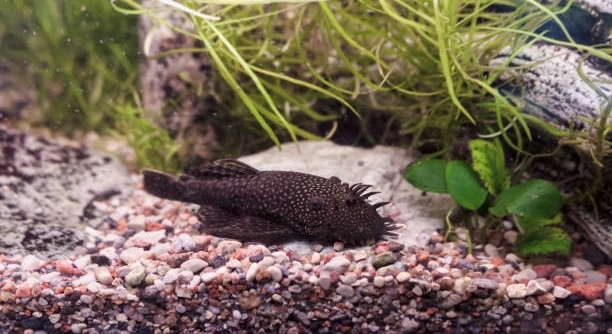
Raising pleco fry can be a rewarding experience, yet it comes with unique challenges. Their delicate nature and specific needs require careful attention to water quality, diet, and tank environment for proper growth.
Ensuring healthy pleco fry involves maintaining stable water parameters, providing a balanced diet rich in nutrients, and creating an environment that supports their natural behavior. Consistent monitoring and gentle handling significantly increase their chances of survival and healthy development.
Learning the essential care techniques will help your fry thrive. Proper preparation and understanding of their needs make a noticeable difference in their growth and vitality.
Maintaining Stable Water Conditions
Keeping the water stable is the most important factor for raising healthy pleco fry. Sudden changes in temperature or pH can stress them, slowing growth or causing illness. Use a reliable thermometer and test kits to monitor parameters daily. Regular water changes of 10–20% each week help remove waste without shocking the fry. Avoid overfeeding, as leftover food can decompose quickly, affecting water quality. Filtration should be gentle to prevent fry from being sucked in, but strong enough to maintain cleanliness. Adding live plants or hiding spots can reduce stress, providing security. Monitor ammonia, nitrite, and nitrate levels closely, as fry are very sensitive to toxins. Keeping a consistent light cycle also helps regulate feeding and activity patterns. Each small adjustment in water quality can have a big effect, so careful observation and gradual changes are key to raising strong and healthy plecos.
Maintaining consistent water conditions reduces stress and improves survival rates. Stability supports growth, digestion, and overall health for your pleco fry.
Proper water management creates an environment where fry can feed actively, explore safely, and develop naturally. Even minor fluctuations in temperature or chemical levels can cause stress, slow growth, or increase susceptibility to disease. By monitoring parameters daily and performing regular, measured water changes, you provide a stable habitat that encourages consistent activity and healthy development. Incorporating live plants, hiding spaces, and gentle filtration further enhances their environment. Small adjustments, made gradually, ensure that fry are not shocked, and help prevent illness. Overfeeding and decomposing food can compromise water quality, so portion control and routine cleaning are essential. Observing fry behavior and appearance can provide early signs of stress or imbalance. Consistency in light cycles, temperature, and water chemistry builds a strong foundation for long-term growth and resilience. Each step in maintaining water conditions contributes directly to their overall survival, well-being, and readiness for adulthood.
Providing a Balanced Diet
A balanced diet is essential for fry growth. Offer a mix of algae wafers, blanched vegetables, and high-quality fry pellets. Small, frequent feedings prevent overeating and maintain water quality.
Pleco fry need nutrients from varied sources. Protein, fiber, and vitamins support growth, immune function, and energy levels. A steady feeding routine encourages consistent development.
Introducing different food types gradually helps fry adjust without digestive issues. Algae wafers provide essential carbohydrates and fiber, while blanched vegetables like zucchini or spinach supply vitamins and minerals. High-quality fry pellets deliver protein for muscle and tissue development. Feed small amounts multiple times a day, removing uneaten food to avoid water contamination. Rotating food sources ensures nutritional balance and stimulates natural foraging behaviors. Observing their eating patterns allows you to identify preferences and detect early signs of illness. Avoid sudden diet changes, which can stress fry or cause digestive problems. Consistency, portion control, and variety create a foundation for healthy growth, strong immune systems, and vibrant coloration. Proper feeding techniques complement stable water conditions, working together to support thriving pleco fry in their early development stages.
Tank Size and Setup
A proper tank size gives pleco fry room to grow and explore. Overcrowding can stunt development and increase stress. Include hiding spots and smooth surfaces to prevent injury and encourage natural behavior.
Providing a spacious tank reduces competition for food and minimizes stress. Fry are active and need adequate swimming areas. Decorations, rocks, and plants should be arranged to create territories and hiding spaces. Smooth surfaces prevent scraping or damage to delicate fins. Substrate choice matters: fine sand or smooth gravel is ideal. Avoid sharp objects that may harm fragile fry. Gentle filtration maintains cleanliness without creating strong currents that could exhaust young fish. Proper layout encourages healthy movement, feeding, and growth, while minimizing aggressive interactions. Regular observation allows adjustments to spacing and decor as fry grow, ensuring ongoing comfort and safety.
Monitoring fry behavior in a well-arranged tank ensures they adapt quickly and grow evenly. Structured environments reduce stress, allow natural exploration, and support steady development. Fry learn to find food and hide effectively, preparing them for larger spaces as they mature. A carefully planned setup combines comfort, safety, and stimulation, fostering stronger, healthier plecos while preventing injuries and behavioral issues. Consistent evaluation and adjustments keep the tank environment aligned with their needs throughout early growth stages.
Water Filtration and Circulation
Effective filtration keeps water clean without stressing the fry. Strong currents can overwhelm small fish, so use gentle flow options or sponge filters.
Sponge filters provide adequate cleaning and oxygenation while preventing fry from being sucked in. They maintain water quality consistently and are easy to clean.
A stable filtration system balances cleanliness and circulation, ensuring toxins like ammonia or nitrite do not accumulate. Sponge filters are ideal, creating gentle currents while supporting biological filtration. Overly strong filters can push fry against surfaces or create uneven feeding opportunities. Filtration should be paired with regular partial water changes to maintain stable chemistry. Aeration helps oxygen levels remain sufficient for developing fry, supporting metabolism and growth. Observing fry reactions to current allows adjustments to prevent stress or fatigue. Filtration maintenance is critical, as neglect can lead to water quality issues that affect health, growth, and survival. Proper balance between flow, oxygenation, and cleanliness ensures fry thrive and remain active in a safe environment.
Monitoring Water Temperature
Stable water temperature is crucial for fry development. Sudden fluctuations can stress young plecos and slow growth. Use a reliable heater and thermometer to maintain consistent warmth.
Pleco fry thrive in slightly warmer water than adults. Avoid placing the tank near drafts or direct sunlight, which can cause rapid changes and harm delicate fry.
Observing Fry Behavior
Regular observation helps detect early signs of stress or illness. Watch feeding habits, activity levels, and interactions to ensure fry are healthy and growing properly.
Avoiding Overcrowding
Too many fry in one tank increases stress, reduces oxygen, and limits food access. Maintain proper stocking densities for healthy growth and development.
FAQ
How often should I feed pleco fry?
Pleco fry require small, frequent meals. Feeding two to three times a day is usually sufficient. Use small portions to prevent leftover food from decaying and affecting water quality. Rotate foods like algae wafers, blanched vegetables, and fry pellets to ensure balanced nutrition. Observing their eating patterns allows you to adjust portions as they grow.
What is the ideal water temperature for pleco fry?
Pleco fry develop best in water between 78–82°F (25–28°C). Maintaining this range helps digestion, activity, and growth. Use a reliable heater and thermometer, and avoid placing the tank near drafts or direct sunlight, which can cause rapid temperature fluctuations and stress the fry.
How can I tell if my fry are healthy?
Healthy fry are active, swim steadily, and feed consistently. Their coloration should be even, and fins should be intact without fraying. Signs of illness include lethargy, loss of appetite, or unusual swimming patterns. Regular observation helps detect problems early, allowing timely adjustments to diet or water conditions.
Do pleco fry need hiding places?
Yes, hiding places reduce stress and encourage natural behavior. Use smooth rocks, driftwood, or live plants to create shelters. Fry often rest or hide in these areas, which helps them feel secure. Providing sufficient hiding spots supports healthy growth and prevents aggressive interactions in crowded tanks.
How often should I change the water?
Partial water changes of 10–20% per week are recommended. Frequent small changes are better than infrequent large ones. This removes waste, controls toxins, and maintains stable water parameters without shocking the fry. Always use dechlorinated water matched to the tank temperature.
Can I keep different fry together in one tank?
Mixing species or even multiple pleco strains can increase stress and competition. It is safer to keep fry of the same species together unless the tank is large enough to provide separate territories. Monitor interactions closely and adjust if aggressive behavior occurs.
What type of substrate is best for pleco fry?
Fine sand or smooth gravel is ideal. Avoid sharp or rough materials that can damage delicate fins. Substrate also affects feeding behavior; fry often sift through it for leftover food. A clean, smooth substrate helps prevent injuries and supports natural foraging activity.
How long does it take for pleco fry to grow?
Growth rates vary depending on species, water quality, and diet. Most pleco fry reach a visible juvenile stage within a few weeks and continue growing steadily over several months. Proper nutrition, stable water, and minimal stress accelerate development and overall health.
Is it necessary to use a sponge filter?
Sponge filters are recommended because they provide gentle filtration and prevent fry from being sucked into strong currents. They maintain water quality while adding oxygenation and supporting beneficial bacteria. Sponge filters are easy to clean and allow safe circulation for delicate fry.
What should I do if fry stop eating?
If fry stop eating, check water quality, temperature, and tank conditions first. Stress, illness, or sudden environmental changes can affect appetite. Offer small amounts of preferred foods and remove uneaten portions. Monitor closely for signs of disease or aggressive interactions. Adjusting conditions usually restores normal feeding behavior.
Can I handle pleco fry?
Handling should be minimal because fry are delicate. Only handle them when necessary, such as during tank cleaning or transfer. Use soft nets and be gentle to avoid stress or injury. Observing them in the tank is safer and allows natural behavior without disruption.
How do I prevent disease in pleco fry?
Maintaining stable water parameters, a balanced diet, and clean tanks is the best prevention. Quarantine new additions and avoid overcrowding. Regular observation helps detect early signs of disease, which allows prompt intervention before problems spread. Consistency in care is the most effective preventive measure.
Is lighting important for fry growth?
Lighting should mimic natural day-night cycles. Too much light can stress fry, while too little can reduce activity and feeding. Moderate, consistent lighting encourages healthy behavior, supports plant growth if present, and helps fry maintain regular activity patterns.
Can I use adult pleco food for fry?
Adult food is usually too large or hard for fry to eat. Stick to specialized fry pellets, finely chopped vegetables, or softened algae wafers. Nutritional needs differ at early stages, and using adult food can hinder growth or cause digestive problems.
How do I know when fry are ready to move to a larger tank?
Fry are ready when they are active, healthy, and large enough to swim freely without overcrowding. Assess tank size and ensure hiding spots remain sufficient. Gradually transferring fry to a larger, well-prepared tank reduces stress and supports continued growth.
Raising pleco fry requires patience, attention, and consistency. Their early development is delicate, and small changes in water quality, temperature, or diet can have a significant impact on survival and growth. By maintaining stable water parameters, providing gentle filtration, and observing the fry regularly, you create an environment where they can thrive. Each adjustment, whether in feeding frequency or tank setup, contributes to their overall health and reduces the risk of stress or illness. The process may seem detailed at first, but following a consistent routine allows fry to develop steadily, reach their juvenile stage, and eventually become strong adult fish. Monitoring their behavior daily and making gradual, thoughtful changes ensures they remain active and healthy, which is essential for successful long-term care.
A balanced diet is equally important for pleco fry growth. Providing a mix of algae wafers, blanched vegetables, and specialized fry pellets ensures they receive the proper nutrients for muscle development, immune function, and energy. Small, frequent feedings prevent leftover food from fouling the water, which can harm fry if ignored. Observing how the fry respond to different foods allows you to identify preferences and make necessary adjustments. Rotating food types encourages natural foraging behaviors and ensures they receive a wide range of nutrients. Nutrition and water quality work together to create a strong foundation for growth. When both are managed well, fry show consistent development, active swimming, and healthy coloration. By paying attention to these details, you help them thrive during the most critical stages of early life.
Proper tank setup and careful observation are key to long-term success. Providing enough space, smooth substrate, hiding spots, and gentle filtration reduces stress and prevents injuries. Avoiding overcrowding allows each fry access to food and resting areas, which supports healthy behavior and growth. Temperature stability and moderate lighting also contribute to a comfortable environment, encouraging regular activity and feeding. While the process requires daily attention and careful monitoring, it becomes manageable with routine. Observing changes in fry behavior or appearance can alert you to potential problems early, allowing timely interventions. Following these guidelines ensures pleco fry develop steadily into healthy adult fish while minimizing risks associated with stress, disease, or inadequate nutrition. With patience and consistent care, raising pleco fry can be a rewarding and successful experience.

Hello,
If you enjoy the content that we create, please consider saying a "Thank You!" by leaving a tip.
Every little bit helps us continue crafting quality advice that supports the health, happiness, and well-being of pets around the world, for pets of all shapes, sizes, and species.
We really appreciate the kindness and support that you show us!