
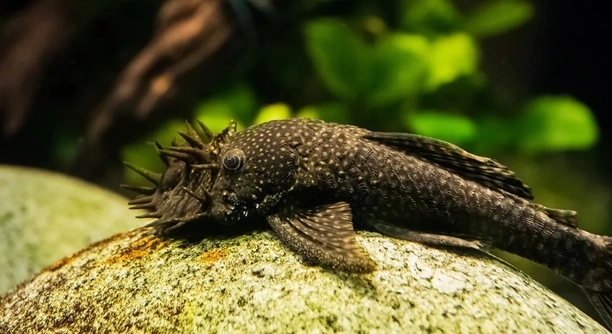
Is your pleco moving restlessly during the night, gliding along the glass or shifting through decorations in its tank? Many fish owners notice this behavior and wonder if it is normal or a sign of an underlying issue.
Nighttime pacing in plecos is often linked to stress, improper tank conditions, or insufficient hiding spaces. Ensuring proper water quality, lighting cycles, and environmental enrichment can significantly reduce restless activity and support overall fish well-being.
Understanding why your pleco is active at night helps you create a healthier and more comfortable habitat. Small adjustments can make a significant difference in their nighttime behavior.
Common Reasons Plecos Pace at Night
Many plecos become active at night due to environmental or behavioral factors. One major reason is stress caused by sudden changes in their tank, such as fluctuating water temperature or new tank mates. Plecos are sensitive to water chemistry, and even minor changes in pH or ammonia levels can make them restless. Another reason is insufficient hiding spots. Plecos naturally seek shelter during daylight hours, and without caves or dense decorations, they may swim continuously at night looking for safety. Overfeeding or irregular feeding schedules can also lead to nighttime activity. A hungry pleco may roam the tank searching for food, and leftover debris can affect water quality, further prompting movement. Observing your pleco’s tank habits closely helps identify patterns. Adjusting water parameters, adding shelters, and maintaining consistent feeding routines can reduce pacing and make your pleco feel secure in its environment, promoting calmer nighttime behavior.
Proper tank setup and feeding schedules can greatly reduce night activity, keeping your pleco calmer and healthier overall.
Plecos are nocturnal by nature, meaning they are naturally more active at night. This instinct, combined with environmental factors, often causes the pacing behavior. By providing a consistent lighting schedule, suitable hiding spots, and a well-maintained tank, you can align with their natural rhythms. Monitoring water quality regularly ensures that they are not disturbed by poor conditions, which can cause excessive movement. Additionally, offering food at predictable times helps satisfy their nocturnal feeding instincts. Tank decorations like driftwood, caves, and plants give plecos both security and exploration opportunities. Maintaining a stress-free environment helps reduce restless swimming. Understanding their needs allows for adjustments that support natural behaviors rather than suppress them. With small, intentional changes, plecos can display healthier nocturnal activity, giving owners peace of mind while ensuring the fish thrive in a balanced and comfortable habitat.
Water Quality and Its Impact
Poor water quality often triggers nighttime pacing. Even slight imbalances in ammonia, nitrite, or nitrate levels can disturb plecos.
Maintaining optimal water conditions requires regular testing and timely interventions. Cleaning filters, partial water changes, and monitoring chemical levels are essential. Temperature fluctuations can also stress the fish. Plecos are sensitive to both sudden drops and spikes in water temperature, which may occur from room conditions or nearby appliances. Tank overcrowding increases waste, leading to deteriorating water quality and prompting more activity. Using a reliable filtration system, along with weekly maintenance routines, helps sustain a stable aquatic environment. Observing your pleco’s behavior after adjustments provides feedback on whether changes are effective. Ensuring proper water parameters not only reduces pacing but also supports long-term health. A well-balanced tank environment is key to allowing plecos to rest during their natural nighttime activity period without unnecessary stress or agitation. Consistency is crucial; frequent testing and adjustments make a noticeable difference in their behavior over time.
Feeding Habits and Nighttime Activity
Overfeeding or inconsistent feeding times can make plecos more active at night. Plecos may pace while searching for leftover food, or they might become restless if meals are skipped or delayed. Regular feeding helps regulate their activity and supports overall health.
Providing the right amount of food at consistent times prevents excessive nighttime movement. Plecos are nocturnal and naturally search for food at night, but predictable feeding can reduce unnecessary roaming. Uneaten food can pollute the tank, affecting water quality and further prompting restless swimming. Feeding a balanced diet of algae wafers, vegetables, and occasional protein ensures they remain satisfied and reduces stress-driven pacing. Observing how much they eat and adjusting portions accordingly helps maintain both their health and tank cleanliness.
Sometimes plecos continue pacing despite proper feeding due to natural nocturnal instincts. In these cases, additional hiding spots or tank decorations can help them feel secure and reduce continuous swimming. Driftwood, caves, or dense plants give plecos areas to rest, minimizing stress and unwanted activity. Monitoring how your pleco interacts with its environment provides insight into whether pacing is behavioral or a sign of another issue. Adjustments to both feeding and tank setup can work together to create a calmer, healthier nocturnal environment for your fish, helping them thrive while respecting their natural behaviors.
Tank Size and Space Considerations
A tank that is too small or overcrowded can cause plecos to pace at night. Adequate space allows natural movement and reduces stress-related activity.
Plecos need room to swim and explore without feeling confined. A cramped tank limits their natural behavior, leading to restless movement. Overcrowding increases competition for hiding spots and food, which can heighten nighttime pacing. Larger tanks with proper filtration and layout give plecos space to establish territories and retreat when necessary. Providing ample open swimming areas along with secure hiding spots balances activity and rest. Observing your pleco’s nighttime patterns helps determine if space is contributing to pacing. Adjusting tank size or reducing the number of inhabitants can create a calmer, more suitable environment, supporting both physical health and natural nocturnal behavior.
Lighting and Day-Night Cycles
Improper lighting can disrupt plecos’ natural day-night rhythm. Too much light at night or inconsistent schedules may cause restlessness and pacing. Adjusting lighting to simulate natural cycles helps regulate their activity and supports normal nocturnal behavior.
Providing a consistent light schedule reduces stress and encourages plecos to rest during daylight hours. Plecos are sensitive to abrupt changes, so timers can maintain regular patterns.
Stress Factors in Plecos
Stress from tank changes, aggressive tank mates, or excessive handling can increase nighttime activity. Plecos respond to environmental stressors by pacing, hiding, or hiding less than usual. Monitoring tank conditions and minimizing disruptions helps reduce stress and supports calmer behavior.
Signs Your Pleco is Healthy
A healthy pleco displays smooth swimming, proper coloration, and regular feeding habits. Occasional nighttime activity is normal, but excessive pacing may indicate underlying issues. Observing these signs allows you to identify when adjustments are needed to maintain well-being.
FAQ
Why does my pleco pace even when the tank looks fine?
Plecos are naturally nocturnal and may be more active at night even in a well-maintained tank. Minor changes in water chemistry, lighting, or tank setup can trigger pacing. Observing their behavior over time helps determine if it’s normal activity or a response to subtle environmental stress.
How can I tell if pacing is caused by stress?
Stress-related pacing is often accompanied by other signs, such as clamped fins, hiding less than usual, or loss of appetite. Sudden changes in tank mates, water quality, or temperature are common stressors. Addressing these factors usually calms the fish.
Can improper feeding schedules cause night activity?
Yes. Plecos are nocturnal feeders and can become restless if meals are inconsistent or insufficient. Overfeeding can also contribute by leaving leftover food that affects water quality. Feeding at regular times with the right portions helps minimize pacing.
Does tank size affect pacing?
A small or overcrowded tank limits natural movement and can increase stress, causing nighttime activity. Providing adequate space and proper hiding spots allows plecos to swim comfortably and reduces restless behavior.
What role do hiding spots play in nighttime activity?
Plecos need secure hiding areas like caves, driftwood, or dense plants. Without them, they may pace while searching for shelter. Properly arranged decorations create a sense of security and help regulate nocturnal behavior.
Is water quality a common cause of pacing?
Absolutely. Ammonia, nitrite, nitrate imbalances, and temperature fluctuations stress plecos. Regular testing, water changes, and maintaining stable conditions prevent excessive nighttime swimming and support overall health.
Can lighting impact my pleco’s activity?
Yes. Too much light at night or irregular cycles can confuse plecos and increase pacing. Using a timer to mimic natural day-night cycles helps regulate their nocturnal patterns.
Should I worry if my pleco is very active at night?
Not necessarily. Some plecos are naturally more active during nighttime. Consistent feeding, proper tank setup, and stress management ensure activity stays healthy. Persistent, frantic pacing may indicate a problem needing intervention.
How do I know if my pleco is hungry at night?
A hungry pleco will actively search for food and may nibble decorations or substrate. Feeding small amounts in the evening and removing leftovers helps satisfy nocturnal feeding instincts.
Can tank mates influence pacing?
Aggressive or territorial tank mates can stress plecos, prompting nighttime pacing. Ensuring compatible fish and providing sufficient hiding spots reduces conflict and promotes calmer behavior.
Is occasional pacing normal?
Yes, occasional pacing is typical due to natural nocturnal instincts. The key is monitoring patterns and ensuring environmental conditions support healthy behavior. Regular care and observation keep your pleco comfortable.
What small adjustments help reduce nighttime pacing?
Adjusting lighting, feeding schedules, hiding spots, and water quality often resolves pacing. Consistency and observation are essential. Noticing small changes in behavior helps fine-tune the environment for a calmer, healthier pleco.
How long does it take for a pleco to adjust after changes?
Adjustment times vary by individual fish and the nature of the change. Some plecos adapt within a few days, while others may take a week or more. Monitoring activity and gradual changes ease the transition.
Can nocturnal pacing harm my pleco?
Occasional pacing is harmless, but persistent pacing caused by stress, poor water quality, or overcrowding can affect health. Addressing underlying factors ensures nighttime activity remains normal and safe.
Are there signs that pacing indicates illness?
Yes. If pacing is paired with unusual swimming patterns, lethargy during the day, or changes in appetite and coloration, it may indicate illness. Early intervention improves recovery and prevents further stress.
How can I encourage calmer nighttime behavior?
Create a stable environment with proper water quality, consistent lighting, balanced feeding, and ample hiding spots. Regular observation allows you to detect and resolve issues before they affect your pleco’s well-being.
Do plecos ever stop pacing completely?
Pacing may never fully stop due to their nocturnal nature, but consistent care and a well-structured environment reduce excessive movement. Healthy plecos find rest and exploration balance naturally.
Can diet influence nighttime activity?
Yes. Plecos need a balanced diet of algae, vegetables, and occasional protein. Proper nutrition reduces unnecessary searching and keeps them satisfied at night.
Is it normal for plecos to interact with decorations while pacing?
Yes. Pacing plecos may explore driftwood, plants, or substrate. This behavior is part of natural nocturnal activity, especially when searching for food or hiding spots.
Should I change my tank setup if pacing continues?
If pacing persists despite proper care, consider adding hiding spots, rearranging decorations, or adjusting tank size. Small changes often make a noticeable difference in reducing restless nighttime activity.
Final Thoughts
Plecos are naturally nocturnal fish, and some level of nighttime activity is normal. Observing your pleco pacing at night does not always indicate a problem, but it is important to understand the reasons behind their behavior. Factors like water quality, tank size, lighting, feeding schedules, and hiding spots all play a role in how your pleco behaves after dark. A restless pleco may simply be following its natural instincts to explore or search for food. Monitoring these factors carefully helps you determine whether the pacing is part of normal behavior or a sign that adjustments are needed in the tank environment. Consistency in care is key. Regular water testing, timely cleaning, and maintaining stable temperatures and lighting cycles can prevent stress-related pacing. Overfeeding or underfeeding can also disrupt your pleco’s nighttime routine, so providing balanced, consistent meals is essential. Small adjustments, like adding caves, driftwood, or plants, can create areas of security and reduce unnecessary roaming. By paying attention to these details, you can help your pleco feel more comfortable and establish a healthy routine.
It is also important to recognize the signs of stress or illness when observing nighttime activity. Pacing that is accompanied by unusual swimming patterns, clamped fins, loss of appetite, or changes in coloration can indicate that your pleco is not healthy. In such cases, simply adjusting the tank setup may not be enough. You may need to investigate water quality more thoroughly, consider possible disease, or evaluate interactions with other tank mates. Stress can accumulate over time, and plecos respond to it by becoming more restless at night. By addressing these concerns early, you prevent long-term issues and support the overall well-being of your fish. Even healthy plecos can show more activity than expected at night, but knowing what is typical behavior and what may require attention allows you to make informed decisions for your tank. Providing a calm, stable environment gives plecos the opportunity to express natural nocturnal behaviors without unnecessary stress.
Creating an environment that balances activity and rest is the best approach for plecos. Ensuring adequate tank space, proper hiding spots, stable water parameters, and consistent feeding routines can greatly reduce excessive pacing while respecting their nocturnal instincts. Plecos are observant and responsive to their surroundings, so small changes in tank design or routine can have a noticeable impact on their nighttime behavior. While some pacing is normal, persistent or frantic movement is usually a signal that adjustments are needed. Maintaining a well-structured and thoughtfully arranged tank benefits both the fish and the overall health of the aquarium ecosystem. Over time, your pleco will likely settle into a routine that aligns with its natural rhythms, moving comfortably through the night while remaining healthy and active. Careful observation, combined with consistent care, ensures that nighttime pacing is not a cause for concern but rather a part of your pleco’s natural behavior. By understanding their needs and responding appropriately, you create a balanced, stable environment where your pleco can thrive.

Hello,
If you enjoy the content that we create, please consider saying a "Thank You!" by leaving a tip.
Every little bit helps us continue crafting quality advice that supports the health, happiness, and well-being of pets around the world, for pets of all shapes, sizes, and species.
We really appreciate the kindness and support that you show us!