
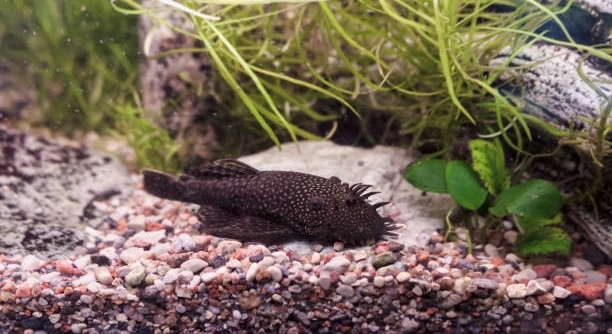
Is your pleco losing its bristles and leaving you concerned about its health? Observing these changes can be worrying, especially when you want your fish to thrive in a calm, well-maintained aquarium environment.
Pleco bristle loss is commonly caused by nutritional deficiencies, poor water quality, stress, or disease. Identifying the specific cause is essential for proper intervention, as each factor can significantly impact the fish’s overall health and bristle regeneration.
Understanding the reasons behind bristle loss can help you take corrective measures to restore your pleco’s well-being and maintain a healthy aquarium environment for long-term care.
Poor Water Quality
Poor water quality is one of the most common reasons plecos lose their bristles. High levels of ammonia, nitrites, or nitrates can damage delicate tissues, including bristles. Inconsistent water changes or overcrowded tanks increase stress and weaken their immune system. Plecos are sensitive to pH fluctuations and temperature swings, which can further aggravate bristle loss. Filtration systems that are not properly maintained can allow waste buildup, contributing to harmful chemical levels in the water. Even if the tank looks clean, hidden toxins may still affect your pleco over time. Regular testing and careful observation are key to keeping water safe and stable. Ensuring the correct temperature, pH, and oxygen levels promotes bristle regrowth and prevents further deterioration. Paying attention to water clarity, hardness, and chemical balance helps maintain a healthy environment that supports both the pleco’s physical health and natural behaviors.
Consistently monitoring and improving water quality will make a noticeable difference in your pleco’s bristle health over time.
Maintaining clean water involves regular testing, partial water changes, and checking filtration. Use aquarium test kits to measure ammonia, nitrite, and nitrate levels. Perform 20–30% water changes weekly to reduce toxins. Ensure filters are properly sized for your tank and cleaned without removing beneficial bacteria. Keep an eye on pH levels, which should remain stable. Temperature should match your pleco species’ needs, avoiding sudden fluctuations. Remove uneaten food and debris to prevent decay. Consider using activated carbon or other chemical filtration for added safety. Overcrowding should be avoided, as excess waste from multiple fish can degrade water quality quickly. Observing fish behavior helps identify stress signs early. By taking these steps, you create a safer environment that encourages bristle recovery and overall fish health. Patience and consistency are essential, as improvements in water quality may take time to show visible results in bristle regrowth.
Nutritional Deficiency
A lack of proper nutrients can lead to bristle loss in plecos. Diets low in protein, fiber, or essential vitamins weaken their structure.
Plecos require a balanced diet with algae, vegetables, and occasional protein supplements. Without these nutrients, bristle regeneration slows and overall health suffers.
Feeding your pleco a varied diet is crucial. Offer blanched vegetables such as zucchini, cucumber, or spinach, along with algae wafers to provide fiber and essential vitamins. Occasional protein sources, like bloodworms or shrimp pellets, support growth and maintain bristle health. Avoid overfeeding, as uneaten food can decompose and harm water quality. Providing a consistent feeding schedule ensures that your pleco receives nutrients daily, supporting strong bristle formation. Observing bristle growth after diet adjustments can help track improvement. Combining a balanced diet with proper tank conditions maximizes the chances of restoring bristles while supporting overall vitality.
Stress and Overcrowding
Stress from overcrowding or aggressive tank mates can cause plecos to lose their bristles. High competition for food and hiding spaces weakens their immune system, leaving them more vulnerable to bristle damage.
When plecos are stressed, they often hide or avoid feeding properly, which impacts both health and bristle growth. Aggressive tank mates may nip at their bristles, causing visible damage. Overcrowded tanks lead to higher waste levels, worsening water quality and compounding stress. Providing adequate space, hiding spots, and calm companions reduces stress and supports bristle recovery. Observing behavior closely helps identify stress triggers so adjustments can be made before permanent damage occurs.
Creating a stress-free environment involves maintaining proper stocking levels, offering caves or driftwood for hiding, and separating aggressive fish. Monitor feeding behavior and interaction among tank mates. Sometimes temporary isolation or rearranging tank decorations can reduce territorial disputes. Keep a stable environment with consistent lighting, temperature, and water parameters. Regularly checking water quality ensures stress is not compounded by toxins. By combining these steps, plecos are more likely to regain healthy bristles while maintaining normal activity levels. A calm tank promotes better immune function and overall well-being.
Disease and Infection
Bacterial, fungal, or parasitic infections can damage bristles quickly. Early detection is vital to prevent widespread tissue loss.
Signs of infection include discoloration, frayed bristles, or unusual behavior such as lethargy and hiding. Prompt treatment with appropriate medications, coupled with water quality improvements, is essential. Quarantining affected fish helps prevent the spread of disease.
Treating diseases involves careful observation and accurate diagnosis. Some infections require antibacterial or antifungal treatments, while parasites may need specific medications. Support recovery by maintaining clean water, balanced nutrition, and reduced stress. Removing infected material from the tank, such as uneaten food or decaying plants, helps prevent reinfection. Isolation of sick plecos protects others and allows for closer monitoring. Regularly inspect bristles for regrowth and check for recurring issues. Combining proper medication, tank maintenance, and supportive care ensures plecos have the best chance to regain healthy bristles while staying active and stress-free.
Poor Lighting Conditions
Insufficient or excessive lighting can affect pleco behavior and health, indirectly leading to bristle loss. Proper lighting helps maintain natural activity patterns and supports algae growth, a key part of their diet.
Too much light can cause stress, while too little reduces natural feeding opportunities. Maintaining a balanced light cycle encourages healthy bristle growth and normal activity.
Physical Damage
Bristles may be damaged when plecos scrape against rough surfaces, decorations, or tank equipment. Hard or sharp objects in the tank increase the risk of fraying.
Observing the tank layout and providing smooth surfaces, driftwood, or caves reduces accidental injury. Limiting contact with abrasive materials helps plecos maintain intact bristles and recover from previous damage.
Aging
As plecos grow older, bristle density and quality may naturally decline. Aging can reduce regenerative capacity and make bristles more fragile.
While aging is inevitable, supporting older plecos with proper nutrition, gentle tank conditions, and minimal stress can prolong bristle health and maintain their overall appearance.
FAQ
Why is my pleco losing bristles only on one side?
Bristle loss on one side often indicates repeated contact with rough surfaces, aggressive tank mates, or localized stress. Sometimes fish favor one side when navigating the tank or hiding. Checking tank layout and observing interactions can identify the cause and prevent further damage.
Can poor water conditions cause bristle loss quickly?
Yes, poor water quality can affect pleco health rapidly. High ammonia or nitrite levels irritate skin and bristles, while fluctuating pH stresses the fish. Even short-term exposure to toxic water conditions can lead to visible bristle damage and increased vulnerability to infection.
Is bristle loss reversible?
In many cases, yes. If the cause is addressed—such as improving water quality, adjusting diet, or reducing stress—plecos can regrow bristles. Recovery may take weeks to months, depending on age, health, and consistency in providing proper care.
What foods help bristle regrowth?
High-fiber vegetables like zucchini, cucumber, and spinach support healthy digestion and bristle maintenance. Algae wafers provide essential nutrients, while occasional protein from bloodworms or shrimp pellets strengthens overall tissue regeneration. Balanced feeding ensures sustained growth and reduces deficiency-related bristle loss.
Can tank mates damage bristles?
Yes, aggressive fish or overcrowding can lead to bristle loss through nipping or stress-induced behavior. Providing ample hiding spots, rearranging decorations, or temporarily isolating plecos reduces risk and encourages recovery without further injury.
Do temperature fluctuations affect bristle health?
Temperature swings stress plecos, impacting immune function and bristle regeneration. Maintaining a stable temperature within the species’ preferred range reduces stress and supports overall health. Sudden drops or rises can contribute to bristle fraying and slower regrowth.
How often should I test water to prevent bristle loss?
Regular water testing is essential. Weekly checks for ammonia, nitrites, nitrates, and pH help maintain a safe environment. Prompt corrections prevent stress-related bristle loss and reduce the risk of infection. Consistency in water monitoring is key to long-term pleco health.
Is bristle loss more common in younger or older plecos?
Younger plecos may experience temporary bristle loss due to growth and diet adjustments, while older plecos often show gradual decline due to aging and slower regeneration. Supporting both age groups with proper nutrition and tank conditions helps maintain bristle integrity.
Should I use medication if bristles are fraying?
Only if a disease or infection is confirmed. Overmedicating can stress plecos and harm beneficial bacteria. Accurate diagnosis, combined with water quality improvements and supportive care, ensures safe recovery without unnecessary treatment.
How long does it take for bristles to fully regrow?
Recovery time varies. With proper care, young or healthy plecos may regrow bristles within weeks. Older or stressed plecos may take several months. Consistent nutrition, clean water, and reduced stress are crucial to supporting full regrowth and maintaining bristle health.
Can stress alone cause bristle loss without disease?
Yes, stress from overcrowding, aggressive tank mates, or sudden environmental changes can lead to bristle damage. Reducing stress factors, providing hiding spaces, and maintaining stable conditions encourage natural recovery and minimize further loss.
Do all pleco species grow bristles the same way?
No, bristle size, density, and growth patterns vary by species. Some species naturally have longer or more prominent bristles, while others are smaller or sparser. Understanding your pleco’s species helps set realistic expectations for growth and maintenance.
How can I prevent future bristle loss?
Maintain clean water, provide a balanced diet, reduce stress, and monitor interactions with other fish. Regular tank maintenance and observation help identify issues early, allowing for quick intervention to preserve bristle health and overall vitality.
Are bristles important for pleco health or just appearance?
Bristles serve both functional and aesthetic roles. In males, bristles play a role in mating displays. They can also reflect overall health, signaling stress, nutritional deficiencies, or disease. Healthy bristles indicate proper care and a thriving fish.
Can sudden changes in lighting cause bristle damage?
Yes, too bright or too dim lighting can stress plecos, alter feeding behavior, and indirectly affect bristle growth. Maintaining a stable light cycle suited to the species’ natural environment supports both activity and bristle maintenance.
Do bristles fall out naturally during molting or growth?
Plecos do not undergo molting like some invertebrates, but minor bristle loss may occur during growth, especially in young males. Consistent nutrition and safe tank conditions minimize any temporary damage and support full regrowth over time.
Should I remove decorations if bristles are constantly fraying?
Not necessarily all decorations, but check for sharp edges or abrasive surfaces. Smoothing rough areas or rearranging decorations can reduce repeated contact, allowing bristles to recover while keeping the tank enriching for your pleco.
Is bristle loss linked to poor breeding conditions?
Yes, breeding stress and competition among males can contribute to bristle damage. Ensuring enough space, hiding spots, and balanced nutrition reduces aggression and supports bristle regeneration during breeding periods.
Can algae scarcity affect bristle health?
Algae is a natural part of a pleco’s diet and provides essential nutrients. Lack of algae can weaken bristle formation. Supplementing with algae wafers or vegetables ensures adequate nutrition and encourages healthy bristle growth consistently.
Do plecos recover faster in larger tanks?
Larger tanks reduce stress, improve water stability, and provide more hiding spaces. These factors support overall health, making bristle recovery more consistent and reducing the likelihood of repeated damage from territorial disputes or poor water conditions.
This FAQ section addresses common concerns and practical steps for maintaining pleco bristle health, emphasizing prevention, care, and observation. Proper management supports recovery and long-term well-being.
Final Thoughts
Maintaining the health of your pleco’s bristles is an important part of caring for these unique fish. Bristle loss can be caused by a combination of factors, including poor water quality, stress, nutritional deficiencies, disease, and aging. Each factor directly impacts their overall well-being, and addressing them promptly is essential. Consistent care and observation are key. By monitoring water conditions, providing a balanced diet, and ensuring a calm tank environment, you can reduce the risk of bristle loss and support your pleco’s recovery. While some issues, such as aging, cannot be completely prevented, most causes of bristle loss are manageable with regular attention and intervention.
Water quality plays a significant role in bristle health. High levels of ammonia, nitrites, and nitrates can irritate plecos and damage their bristles. Regular testing, partial water changes, and properly maintained filtration systems help maintain a safe environment. Temperature and pH stability also support overall fish health and reduce stress, which in turn encourages bristle regrowth. Stress from overcrowding, aggressive tank mates, or poor tank layout can weaken the immune system and make bristles more prone to damage. Providing hiding spaces, smooth surfaces, and adequate room for swimming can make a noticeable difference in reducing stress and protecting bristle integrity.
Nutrition and disease management are equally important. Plecos require a varied diet with vegetables, algae, and occasional protein supplements to maintain bristle growth and overall health. Deficiencies can slow regeneration and make bristles fragile. Observing for signs of infection, such as discoloration or fraying, and treating promptly helps prevent further damage. Supporting recovery with clean water, minimal stress, and consistent feeding promotes natural regrowth. Aging may naturally reduce bristle density, but careful care can still support healthy bristles for longer. By combining proper nutrition, tank maintenance, stress reduction, and monitoring, you create the ideal conditions for your pleco to thrive and maintain strong, healthy bristles. Regular attention and small adjustments in care routines can prevent most bristle issues and ensure your pleco remains vibrant and healthy in its environment.

Hello,
If you enjoy the content that we create, please consider saying a "Thank You!" by leaving a tip.
Every little bit helps us continue crafting quality advice that supports the health, happiness, and well-being of pets around the world, for pets of all shapes, sizes, and species.
We really appreciate the kindness and support that you show us!