
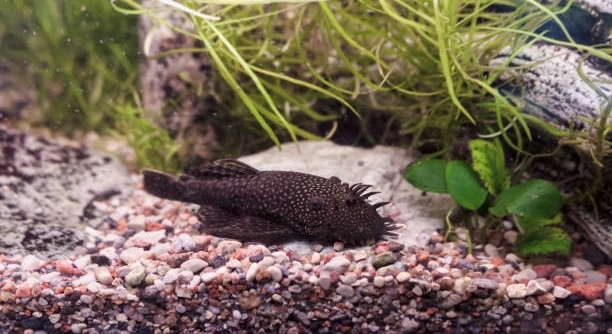
Do your plecos seem distracted or restless in their tank despite having plenty of space and hiding spots? Many aquarists notice that certain features meant to enhance the environment can unintentionally draw their attention away from normal behaviors.
Certain tank features, such as overly bright lighting, high-flow filters, excessive decorations, or unstable surfaces, can divert plecos from natural activities like grazing or resting. Understanding these distractions allows aquarists to create a more balanced and stress-free habitat for their fish.
Knowing which elements interfere with pleco behavior can help you design a calmer tank environment that encourages natural habits and long-term health.
Bright Lighting
Too much light in a pleco tank can make your fish nervous and less active. Plecos are naturally nocturnal, preferring dim conditions. Bright lights may cause them to hide constantly, reducing their time spent grazing and exploring. Even when the tank has plenty of plants and hiding spots, strong lighting can create stress and impact overall behavior. Adjusting the lighting to mimic natural conditions helps plecos feel more comfortable. They respond best to low-intensity, soft lighting that allows them to move around without feeling exposed. Consider using timers or dimmable lights to maintain a consistent day-night cycle. This supports their natural rhythms and encourages more natural activity. Observing your plecos under adjusted lighting often reveals calmer, more engaged behavior, as they spend more time in visible areas while still having safe spots to retreat. Subtle changes in illumination can dramatically improve how relaxed and active your plecos are in the tank.
Reducing light intensity and duration directly improves pleco activity and overall tank behavior, promoting more natural feeding and resting patterns without unnecessary stress.
Lowering the brightness helps plecos feel secure and encourages exploration, grazing, and resting naturally in the tank environment.
High-Flow Water
Plecos may avoid certain areas if the water flow is too strong. Many species prefer gentle currents and find powerful pumps stressful. Even if your tank is large and well-filtered, strong flow can push them off surfaces or prevent them from grazing efficiently. Some plecos will cling to surfaces, but constant pressure makes resting and feeding harder. Reducing flow or creating calmer zones allows plecos to maintain natural behaviors. Using decorations or plants as flow breaks can create microhabitats with slower water, giving plecos safe areas to rest. High-flow filters may look appealing for cleanliness, but they can unintentionally disrupt comfort. Gentle water movement supports oxygenation and cleanliness without interfering with pleco behavior. By adjusting flow, plecos feel safer and exhibit calmer, more consistent habits. Careful observation of their preferred areas shows which spots are too strong and which are comfortable, helping you balance tank dynamics effectively.
Plecos thrive in calmer water zones, and flow adjustments support natural grazing and resting behaviors, reducing stress.
Excessive Decorations
Too many decorations can overwhelm plecos and limit swimming space. Crowded tanks make it harder for them to move freely and find preferred resting areas. Overloaded setups may reduce grazing efficiency and increase stress.
Decorations should provide hiding spots without restricting movement. When tanks are packed with ornaments, caves, and driftwood, plecos can struggle to navigate and spend more time hiding. They need open surfaces to graze and explore without obstruction. Careful placement of a few key items allows natural behavior while still giving shelter. Overcrowding with decorations can unintentionally divert plecos from normal routines, affecting their feeding and resting patterns. Simple layouts with strategic hiding spots balance safety and activity, keeping plecos comfortable. Monitoring their behavior helps identify which areas are underused due to clutter, allowing adjustments to optimize tank design and support their natural habits.
Fewer, well-placed decorations encourage plecos to use open areas and grazing surfaces, maintaining a calmer and more natural environment.
Unstable Surfaces
Slippery or loose surfaces can frustrate plecos. They prefer stable rocks, driftwood, or substrate to cling to while grazing or resting.
When surfaces shift or are too smooth, plecos struggle to maintain grip. This affects feeding and resting, as they expend extra energy staying in place. Stable, textured surfaces help plecos feed efficiently and reduce stress. Driftwood, rocks, and textured substrates provide secure spots for them to attach and graze naturally. Unstable surfaces can also discourage movement, leading to less exploration and uneven wear on tank areas. Plecos are more confident and active when they can hold their position without slipping, which directly supports natural behavior. Observing which surfaces they avoid can guide placement of stable elements, ensuring every area supports comfort and accessibility. Providing consistent, secure surfaces improves feeding efficiency and encourages more balanced, relaxed movement throughout the tank.
Strong Tankmates
Aggressive or fast-moving tankmates can distract plecos and limit their grazing time. Constant chasing or competition may make them hide more than usual.
Plecos prefer calm, slow-moving companions. Peaceful fish reduce stress and allow plecos to explore and feed naturally without being constantly interrupted.
Overfeeding
Overfeeding leads to leftover food that decays and changes water quality. Uneaten pellets and flakes attract attention away from normal grazing spots. Plecos may become lethargic or lose interest in natural feeding patterns.
Maintaining a consistent feeding schedule with appropriate portions ensures plecos graze naturally. Excess food not only distracts them but also increases ammonia levels, impacting overall health. Observing how much they consume in one sitting helps prevent overfeeding. Feeding smaller amounts multiple times a day can keep plecos active and engaged. By controlling food quantity, plecos remain focused on their usual behaviors, reducing stress caused by excess nutrients or tank pollution. Proper feeding habits directly support their comfort and natural routines.
Loud Equipment
Noisy pumps or air stones can disturb plecos. Vibrations and constant sound may cause stress or hiding behavior.
FAQ
How can I tell if my pleco is stressed by the tank setup?
Stressed plecos often hide for long periods, avoid open areas, or stop grazing regularly. They may cling to surfaces more than usual or show erratic swimming. Observing behavior at different times of the day, especially during feeding, helps identify stress triggers. Subtle signs like rapid fin movement or pale coloration also indicate discomfort. Monitoring activity levels after making changes in lighting, flow, or decorations can reveal which features distract or stress them. Consistent patterns of hiding or avoiding areas show that adjustments are necessary. Small tweaks often improve comfort and natural behavior.
What adjustments can I make to lighting for plecos?
Plecos prefer dim lighting that mimics natural nocturnal conditions. Reducing intensity or installing a timer for day-night cycles supports their natural rhythm. Avoid bright overhead lights directly on grazing areas. Soft, diffused lighting with shaded spots helps plecos feel safe while allowing visibility for observation. Low-intensity LED lights or floating plants can further reduce harsh glare. Gradual changes in lighting prevent sudden stress. Providing a combination of dimly lit areas and gentle illumination balances comfort with tank aesthetics. Adjust lighting incrementally and observe behavior, making note of areas they prefer or avoid.
How do I create calm zones in a high-flow tank?
Use driftwood, plants, or rocks as flow breaks to create slower areas. Plecos need stable spots to cling, feed, and rest. Positioning elements strategically near the filter or pump outlet reduces strong currents in certain zones. Observing pleco movement shows which areas they avoid due to strong flow. Adjusting filter output or using baffles can further control water speed. Gentle currents support oxygenation without disturbing them. Calm zones allow plecos to explore naturally, grazing efficiently and resting without stress. Multiple slow-flow pockets prevent overcrowding while letting more active fish still use stronger currents elsewhere.
Can too many decorations harm pleco behavior?
Yes, overcrowding limits swimming space and can frustrate plecos. Excess ornaments, caves, or driftwood make navigation harder and reduce grazing surfaces. Plecos may hide excessively or struggle to maintain feeding routines. Focus on a few key items that provide shelter and resting spots. Leave open areas for grazing and exploration. Overloaded setups can unintentionally disrupt normal behavior and increase stress. Simple, well-placed decorations balance security and freedom, encouraging natural habits. Observing which decorations are avoided helps refine placement. Strategic simplicity promotes comfort, movement, and overall well-being in the tank.
What types of surfaces do plecos prefer?
Plecos need stable, textured surfaces to attach while grazing or resting. Driftwood, rocks, and rough substrate provide grip. Slippery, smooth, or loose surfaces cause frustration, making feeding difficult. Observing where plecos cling naturally indicates preferred textures. Adjusting tank décor to include secure surfaces encourages natural grazing patterns and reduces unnecessary stress. Avoid placing unstable items where plecos spend most of their time. Balanced placement supports activity, feeding efficiency, and comfort.
How should I manage tankmates to prevent distractions?
Choose peaceful, slow-moving fish that don’t compete aggressively for food or territory. Avoid species that chase or harass plecos, as this increases hiding behavior. Monitoring interactions helps identify which companions may be stressful. Grouping calm fish ensures plecos can graze and explore naturally without interruptions. Providing separate resting areas or visual barriers reduces potential conflicts. Properly selecting tankmates maintains a calmer, more balanced environment that encourages natural behavior and reduces stress.
Is overfeeding a concern for pleco behavior?
Yes, excess food distracts plecos and can alter grazing habits. Leftover pellets or flakes decay, impacting water quality and increasing stress. Feeding small, controlled portions supports natural feeding patterns. Observing consumption helps adjust amounts. Multiple small meals encourage activity and reduce competition. Controlled feeding directly improves comfort, behavior, and tank hygiene.
How can noisy equipment affect plecos?
Loud pumps or air stones create vibrations and constant sound that can stress plecos. Stress manifests as hiding, reduced grazing, or erratic swimming. Using quieter equipment, positioning pumps away from main areas, or adding vibration-dampening materials can reduce disturbances. Plecos respond positively to stable, calm surroundings with minimal noise. Reducing sound exposure supports natural activity and overall health.
How do I know if adjustments are working?
Observe pleco behavior after each change. Increased grazing, resting in visible areas, and reduced hiding indicate success. Track activity over days to ensure consistency. Behavior that returns to natural patterns shows the tank features now support their comfort and well-being.
Final Thoughts
Creating a comfortable tank environment for plecos requires careful attention to the features that surround them. Bright lighting, strong water flow, crowded decorations, and unstable surfaces can all affect how plecos behave. While these elements are often added to enhance the tank visually or to maintain water quality, they can unintentionally distract or stress plecos. Adjusting these features to better suit the natural habits of plecos encourages them to graze, rest, and explore in a way that feels safe and natural. Observing your plecos regularly helps identify which areas or conditions may be causing discomfort, allowing for targeted changes that improve overall well-being. Simple modifications, such as reducing light intensity, creating calm water zones, and using stable surfaces, can make a noticeable difference in their behavior and comfort.
It is also important to consider how tankmates and feeding practices influence pleco behavior. Aggressive or overly active fish can limit their movement, making them more prone to hiding or stress. Similarly, overfeeding can create distractions, affect water quality, and interfere with normal grazing routines. Providing calm companions and a consistent, measured feeding schedule helps plecos focus on natural behaviors and reduces stress in the tank. Decorations should be carefully selected and placed to provide shelter without overcrowding, giving plecos the freedom to move and graze comfortably. Even small adjustments, such as spacing hiding spots strategically or stabilizing surfaces for clinging, can make the environment feel more secure. Creating a balanced tank layout that combines open grazing areas with safe shelters allows plecos to express their natural instincts fully.
Maintaining a well-designed tank for plecos is an ongoing process that benefits from observation and patience. Every pleco has individual preferences, so noticing how they respond to changes in lighting, flow, surfaces, and tankmates is essential. Consistently reviewing and fine-tuning the environment ensures that plecos remain active, healthy, and stress-free. The goal is to create a habitat that meets their natural needs while supporting overall tank harmony. By understanding the factors that can distract plecos and making thoughtful adjustments, you can provide a space where they thrive. Focusing on simplicity, stability, and balance in the tank design ultimately supports long-term comfort and encourages natural behavior, making it easier to care for plecos and enjoy watching them flourish.

Hello,
If you enjoy the content that we create, please consider saying a "Thank You!" by leaving a tip.
Every little bit helps us continue crafting quality advice that supports the health, happiness, and well-being of pets around the world, for pets of all shapes, sizes, and species.
We really appreciate the kindness and support that you show us!