
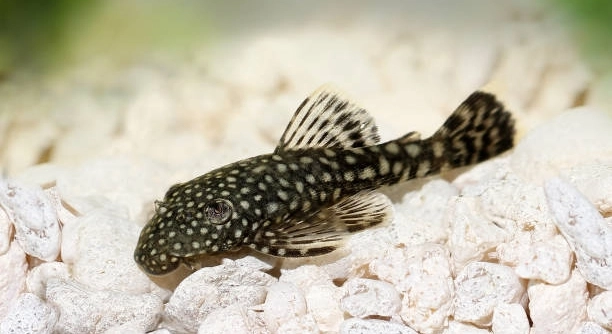
Do you ever find yourself staring at your aquarium, noticing the algae slowly building on the surfaces and wondering how your Bristlenose Pleco fits into the picture? These small fish are often praised for their algae-eating abilities and unique appearance.
Bristlenose Plecos can survive without algae, but it is not ideal for their long-term health. While they will consume prepared foods and vegetables, algae provides essential nutrients, fiber, and enrichment that support natural behaviors and digestive function.
Understanding the balance between algae availability and supplemental feeding can help maintain your Pleco’s health and happiness in a controlled aquarium environment.
Why Bristlenose Plecos Need Algae
Algae is more than just a food source for Bristlenose Plecos. It offers essential nutrients such as fiber, proteins, and vitamins that are difficult to replicate entirely through commercial pellets or vegetables. In an aquarium, algae growth naturally occurs on surfaces like rocks, driftwood, and tank walls, allowing the Pleco to graze consistently. This grazing behavior is crucial for their digestive system, keeping it healthy and active. Beyond nutrition, algae also provides mental stimulation. Scraping algae off surfaces mimics natural foraging, reducing stress and preventing boredom. Fish deprived of algae may overeat prepared foods or vegetables, which could lead to digestive issues or obesity. While Bristlenose Plecos can adapt to alternative diets, they thrive when algae is available. Providing a balanced combination of natural algae and supplemental foods ensures optimal growth, healthy fins, and vibrant coloration. Ignoring this balance may compromise their overall wellbeing.
Maintaining algae in the tank promotes natural behaviors, which supports both the health and happiness of the Pleco.
A healthy aquarium environment involves monitoring both algae growth and Pleco feeding. Controlled algae ensures the fish have consistent grazing opportunities while preventing excessive buildup that can harm water quality. Balancing supplemental foods such as zucchini, spinach, or commercial algae wafers helps maintain a nutritious diet without relying solely on natural growth. Observing feeding patterns allows aquarists to adjust portions and provide variety, keeping the Pleco engaged. The presence of hiding spots and driftwood encourages natural behavior while giving the fish areas to explore. Proper tank maintenance, including regular water changes and substrate cleaning, prevents algae overgrowth from turning harmful. By integrating these practices, aquarists can provide a healthy, stimulating environment that mirrors natural conditions while meeting the fish’s dietary needs.
Alternatives When Algae Is Scarce
When algae growth is insufficient, Bristlenose Plecos can eat prepared foods or vegetables to meet their nutritional needs.
Commercial algae wafers, fresh vegetables, and certain leafy greens can substitute natural algae. Zucchini, cucumber, and spinach are easy to prepare and provide fiber and nutrients necessary for digestive health. Pellets formulated for herbivorous fish often include vitamins and minerals to compensate for the lack of natural algae. It is important to rotate these foods to prevent deficiencies and keep the diet interesting. Observing the fish’s response to alternative foods ensures they are eating enough and staying healthy. Overfeeding must be avoided to maintain water quality. Consistent monitoring of feeding habits helps adjust portions and types of food, maintaining a balance similar to natural grazing. While no substitute perfectly replicates natural algae, combining these options creates a sustainable diet when algae is limited. Proper care ensures the Pleco remains active, healthy, and maintains vibrant coloration even without constant algae availability.
Feeding Frequency and Portions
Bristlenose Plecos require small, frequent feedings to mimic their natural grazing habits. Overfeeding can harm water quality and cause digestive issues. A controlled schedule helps maintain their health and prevents food waste, especially when relying on supplemental diets.
Offering food every other day works for most adult Plecos. Fresh vegetables like zucchini, spinach, or cucumber should be cut into manageable pieces and lightly blanched if needed. Algae wafers can be provided in moderation to supplement natural grazing. Monitoring the tank ensures leftover food is removed promptly, preventing decay that could affect water parameters. Consistency in portion size and timing allows the fish to establish routine feeding patterns and reduces stress caused by unpredictable food availability.
Juvenile Plecos may require daily feedings due to higher energy needs. Observing growth and activity levels helps adjust portions appropriately. Using feeding tongs or placing food near hiding spots encourages natural foraging. Water quality should be checked regularly to account for leftover food and waste. By balancing frequency, portion size, and water maintenance, Plecos maintain healthy digestion, proper weight, and vibrant coloration. This approach ensures they thrive even when algae is limited or inconsistent.
Tank Conditions and Algae Growth
Proper tank conditions directly influence algae growth and Pleco health. Lighting, water quality, and temperature all play significant roles in supporting a stable environment conducive to natural feeding behaviors.
Algae growth depends on light duration, nutrient levels, and water circulation. Maintaining a stable temperature around 75–80°F promotes Pleco activity while encouraging slow, steady algae development. Overexposure to light can lead to excessive algae, while too little light limits natural grazing opportunities. Regular water changes remove excess nutrients that contribute to uncontrolled algae growth. Substrates, rocks, and driftwood provide surfaces for algae to develop naturally. Monitoring pH, hardness, and ammonia levels ensures both the Pleco and algae remain in a balanced environment, supporting digestive health and stress-free living.
Using live plants in the aquarium can help manage nutrient levels and reduce algae competition. Plants absorb nitrates and phosphates, keeping water chemistry stable while providing additional surfaces for natural algae growth. Driftwood and rocks mimic natural habitats, giving Plecos grazing areas and hiding spots. Balancing light duration and intensity allows controlled algae development without overwhelming the tank. Regular testing of water parameters and careful observation of fish behavior ensure that algae remains a supplemental food source rather than a nuisance. Proper tank setup and maintenance create an environment where Plecos can thrive, even when algae is scarce.
Signs of Nutritional Deficiency
Bristlenose Plecos lacking algae may show slower growth, dull coloration, or reduced activity. Soft fins and occasional digestive issues can also indicate insufficient fiber. Observing these signs early allows dietary adjustments before long-term health problems develop.
Monitoring feeding habits and behavior helps detect subtle deficiencies. If the Pleco ignores certain foods or shows lethargy, incorporating a variety of vegetables and algae wafers can restore balance and support digestion.
Supplemental Foods That Work
Vegetables such as zucchini, cucumber, spinach, and peas provide essential fiber and nutrients. Algae wafers and herbivore pellets can fill gaps left by insufficient natural algae. Combining these options ensures a balanced diet and helps maintain digestive health and vitality in the fish.
Adjusting Diets Gradually
Changing a Pleco’s diet should be done slowly to avoid stress or digestive upset. Introduce new foods over several days while monitoring their reaction and intake, ensuring a smooth transition and continued nutrient absorption.
Monitoring Tank Conditions
Water quality, temperature, and substrate cleanliness directly affect Pleco health and algae growth. Keeping these conditions stable ensures a safe environment and reduces stress, supporting proper feeding behavior and digestion.
FAQ
Can Bristlenose Plecos survive solely on vegetables?
Yes, they can survive on vegetables alone, but it is not ideal. Vegetables like zucchini, spinach, cucumber, and peas provide fiber and some nutrients, but they do not fully replicate the benefits of natural algae. A combination of vegetables, algae wafers, and occasional pellets ensures a balanced diet.
How much algae do they need daily?
There is no fixed amount, as it depends on the size of the Pleco and tank conditions. Generally, grazing opportunities throughout the day on algae-covered surfaces are sufficient. If algae is scarce, supplementing with wafers or vegetables ensures their nutritional needs are met without overfeeding.
What are the signs a Pleco is not getting enough algae?
Common signs include slow growth, dull or faded coloration, soft or damaged fins, reduced activity, and occasional digestive issues. Lethargy or refusal to eat vegetables or wafers may indicate that the fish is not receiving sufficient nutrients or fiber.
Are algae wafers a suitable replacement?
Algae wafers can partially replace natural algae. They are formulated with essential vitamins and minerals, but they should be used alongside fresh vegetables. Over-reliance on wafers may limit variety and enrichment, so balancing with natural grazing opportunities is important.
Can Bristlenose Plecos overeat algae or vegetables?
Yes, overfeeding can lead to digestive problems, obesity, and water quality issues. Food left uneaten should be removed to prevent decay and harmful bacteria. Portion control and observation are crucial to maintain a healthy feeding schedule.
Is it necessary to maintain algae in the tank if feeding supplements?
While not strictly necessary, having some algae is beneficial. It supports natural grazing behavior, provides additional nutrients, and reduces stress. Even minimal growth on driftwood or rocks can positively impact their diet and overall wellbeing.
How do tank conditions affect their diet?
Water quality, temperature, light, and substrate influence both algae growth and the fish’s health. Stable conditions promote steady algae development and proper digestion. Excess nutrients, poor filtration, or inconsistent lighting can lead to either algae scarcity or overgrowth, affecting feeding behavior.
Can Plecos adapt to a diet without algae permanently?
They can adapt, but careful dietary management is required. A varied mix of vegetables, algae wafers, and occasional herbivore pellets ensures they remain healthy. Observing activity, growth, and coloration helps adjust the diet over time.
What is the best way to introduce new foods?
Introduce new foods gradually over several days to avoid stress or digestive upset. Start with small portions alongside familiar foods. Observe their response and adjust quantities to ensure proper intake and nutrient absorption.
Are there risks to relying only on commercial foods?
Yes. While commercial foods are convenient and nutritionally formulated, they lack the behavioral stimulation of grazing. Over-reliance can lead to boredom, reduced activity, and less effective digestion. Combining commercial foods with vegetables or natural grazing surfaces is ideal for long-term health.
How do I monitor their feeding effectively?
Observe the fish during feeding times, noting how much they eat and their interest in different foods. Remove uneaten portions promptly, rotate food types for variety, and adjust feeding frequency based on activity levels. Keeping a consistent schedule promotes healthy digestion and prevents overfeeding.
Do juveniles have different dietary needs than adults?
Yes. Juvenile Plecos require more frequent feedings and slightly higher nutrient intake to support rapid growth. They can benefit from finely chopped vegetables, smaller wafers, and more grazing opportunities to meet their energy needs without compromising digestion.
Can live plants help replace algae?
Live plants absorb excess nutrients and provide surfaces for biofilm and algae to develop naturally. While they cannot fully replace algae, they contribute to water stability, offer grazing areas, and enrich the environment, indirectly supporting dietary needs.
How can I ensure a balanced diet long-term?
Rotate vegetables, provide algae wafers, and maintain some natural algae growth. Monitor activity, growth, and color regularly. Adjust portion sizes and feeding frequency as needed, ensuring consistent water quality and environmental enrichment. This approach supports health and longevity.
Is it okay if Plecos nibble on driftwood?
Yes, nibbling on driftwood is natural and helps their digestion by providing fiber. It also encourages grazing behavior, simulating their natural environment and supplementing their diet when algae is limited.
What happens if a tank has no algae at all?
Without algae, Plecos must rely entirely on supplemental foods. Long-term absence of algae can lead to nutritional gaps, reduced natural behavior, and stress. A carefully managed diet with vegetables, wafers, and pellets becomes essential to maintain health and vitality.
This FAQ section addresses common concerns about feeding Bristlenose Plecos without algae. Proper observation, balanced supplementation, and attention to tank conditions ensure these fish thrive even when natural grazing opportunities are limited.
Bristlenose Plecos are hardy fish capable of adapting to a variety of diets, but understanding their nutritional needs is key to keeping them healthy. While they can survive without algae, relying solely on supplemental foods requires careful planning and observation. Vegetables such as zucchini, spinach, cucumber, and peas provide essential fiber and nutrients, while algae wafers and herbivore pellets help fill any gaps in their diet. A balanced approach ensures that the Pleco maintains healthy digestion, proper weight, and vibrant coloration. Ignoring these factors can lead to slower growth, dull coloration, or digestive problems over time. Incorporating both natural grazing opportunities and supplemental foods mimics their natural feeding patterns and encourages normal behavior, which contributes to overall wellbeing.
Maintaining the aquarium environment is equally important. Algae growth, even if minimal, supports natural foraging and provides some nutrients that supplements alone cannot fully replicate. Proper lighting, temperature, and water quality create a stable environment for both the fish and algae. Driftwood, rocks, and live plants offer surfaces for grazing, hiding spots, and enrichment, allowing Plecos to engage in natural behaviors. Regular water changes and cleaning prevent the accumulation of uneaten food and waste, which can negatively impact water parameters and the health of the fish. Monitoring tank conditions alongside diet ensures that Plecos remain active, stress-free, and healthy. A well-maintained tank encourages balanced algae growth while giving aquarists control over supplemental feeding, which is essential when natural algae is limited or inconsistent.
Feeding frequency and portion control also play a critical role. Bristlenose Plecos thrive when offered small, frequent meals rather than large quantities at once. This mimics their grazing habits in the wild and prevents overfeeding, which can lead to water quality issues and digestive discomfort. Introducing new foods gradually helps avoid stress or upset digestion, and rotating vegetables, wafers, and pellets ensures a variety of nutrients. Observing the fish’s behavior, appetite, and physical condition provides valuable feedback for adjusting portions or types of food. Over time, a consistent routine of balanced diet, environmental enrichment, and stable tank conditions supports a healthy and thriving Pleco population. By combining natural algae, supplemental foods, and careful tank management, it is possible to maintain the wellbeing of Bristlenose Plecos even in tanks where algae is scarce, ensuring their long-term health and activity.

Hello,
If you enjoy the content that we create, please consider saying a "Thank You!" by leaving a tip.
Every little bit helps us continue crafting quality advice that supports the health, happiness, and well-being of pets around the world, for pets of all shapes, sizes, and species.
We really appreciate the kindness and support that you show us!