Do Bristlenose Plecos Need Air Pumps?

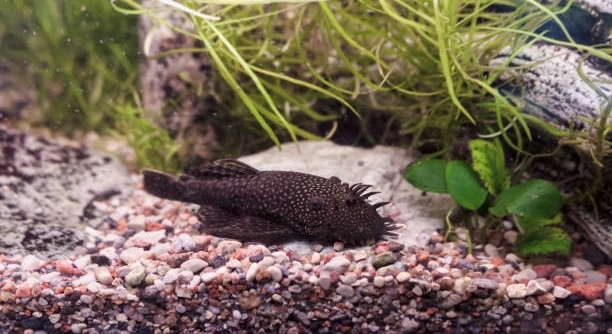
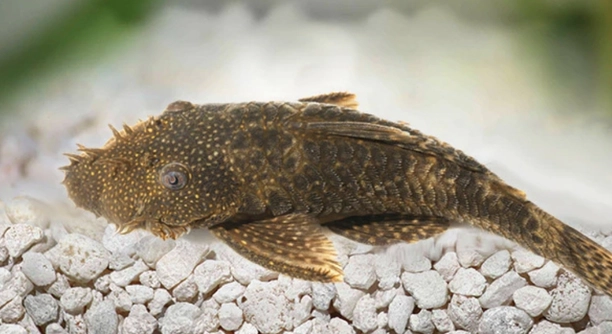
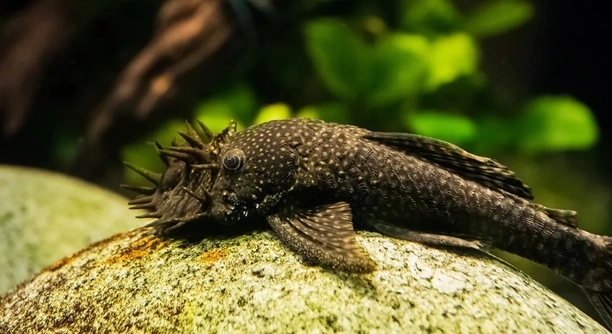
Do you ever notice your bristlenose plecos spending a lot of time near the surface of the tank and wonder if something might be missing in their environment? These small, armored fish are popular among aquarium enthusiasts for their algae-eating habits. Caring for them properly requires attention to water conditions, tank setup, and oxygen levels … Read more
7 Bristlenose Facts That Might Surprise You

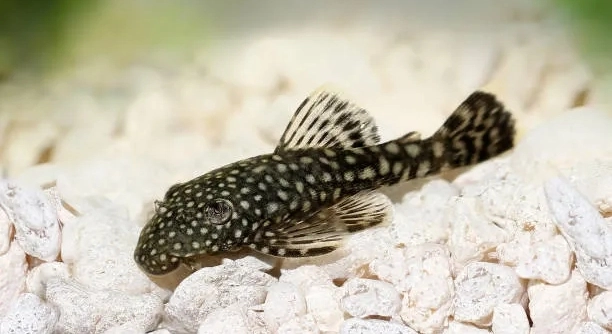
Do you ever find yourself admiring aquariums and wondering about the small fish that seem to quietly thrive in their tanks? Bristlenose plecos are one of these fascinating species that often go unnoticed but are full of surprises. Bristlenose plecos, known scientifically as Ancistrus species, are freshwater catfish that display unique behavioral and physiological traits. … Read more

7 Warning Signs of Tank Imbalance for Plecos

Are your plecos acting a little off lately, hiding more than usual or refusing to eat their favorite algae wafers? Small changes like these often hint that something isn’t right inside their tank environment. The most common warning signs of tank imbalance for plecos include erratic swimming, clamped fins, rapid breathing, and loss of appetite. … Read more

Why Your Pleco Might Be Ignoring New Decor

Do you ever rearrange your pleco’s tank but notice it seems completely uninterested in the new decorations? Adding new rocks, plants, or hiding spots often doesn’t grab their attention right away. Observing their reactions can be puzzling. Plecos often ignore new decor because they rely heavily on established territories and familiar environments. Sudden changes may … Read more

Can Plecos Get Injured by Tank Decor?

Do you ever notice your plecos gliding over rocks and decorations in your aquarium and wonder if they could get hurt? Many hobbyists enjoy adding tank decor but may overlook potential risks to their fish. Plecos can sustain injuries from sharp or rough tank decorations. Objects with jagged edges, abrasive surfaces, or unstable positioning can … Read more

7 Things to Watch After Buying a New Pleco

Do you love keeping freshwater aquariums and recently added a new pleco to your tank? Adjusting to their specific needs can be challenging, especially when it comes to monitoring their health, behavior, and environment. After buying a new pleco, it is essential to observe water quality, tank temperature, feeding habits, hiding preferences, signs of illness, … Read more

7 Tricks to Get Plecos Used to Tank Lights

Do your plecos swim away the moment you turn on the tank light, hiding under decorations or behind plants until the room goes dark? The most effective way to get plecos used to tank lights is through gradual acclimation. By slowly increasing light exposure over time, their stress levels decrease, allowing them to adapt naturally … Read more

Why Is My Pleco Always Hiding Under the Sponge Filter?

Do you ever notice your pleco spending most of its time tucked under the sponge filter? Many plecos naturally seek out shaded or hidden areas, making the filter a preferred spot in your aquarium. Plecos often hide under sponge filters due to a combination of environmental factors and instinctual behavior. Limited light, a sense of … Read more

What Happens If You Remove a Pleco’s Cave?

Do you ever find yourself rearranging your aquarium, only to notice your pleco behaving differently? These bottom-dwelling fish have a natural affinity for hiding spots. Their caves provide comfort, security, and a place to rest quietly. Removing a pleco’s cave can cause stress and alter behavior. Without a hiding spot, plecos may become more reclusive, … Read more

Can Bristlenose Plecos Outlive Other Fish?

Do you ever notice how bristlenose plecos seem to glide quietly along the tank walls while other fish dart around more nervously? Many fish owners watch them carefully, appreciating their calm nature and hard-working habits in home aquariums. Bristlenose plecos typically outlive many common freshwater fish due to their hardy physiology and low-stress behavior. They … Read more