
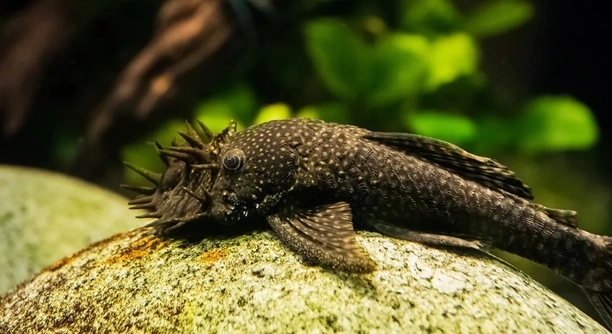
Do you ever find yourself rearranging your aquarium, only to notice your pleco behaving differently? These bottom-dwelling fish have a natural affinity for hiding spots. Their caves provide comfort, security, and a place to rest quietly.
Removing a pleco’s cave can cause stress and alter behavior. Without a hiding spot, plecos may become more reclusive, display aggression, or experience disrupted feeding and resting patterns, impacting their overall well-being and natural instincts in the tank.
Understanding the importance of caves in your pleco’s environment helps maintain a healthy, calm aquatic habitat and supports the fish’s natural routines and comfort levels.
Why Plecos Need a Cave
Plecos are naturally shy and reclusive fish. In the wild, they spend much of their time hiding among rocks, driftwood, and crevices to feel secure. The cave in a home aquarium replicates this environment, giving them a private spot to retreat. Without it, plecos can become stressed and display unusual behaviors. Stress may lead to reduced feeding, weakened immunity, and increased susceptibility to disease. Hiding spaces also allow plecos to rest properly, especially during the day when tank activity is higher. Many plecos are nocturnal, so they rely on secluded areas for daytime comfort. Providing a cave not only supports their natural instincts but also reduces the likelihood of aggression toward tankmates. Driftwood or decorative caves work well, as they also offer surfaces for algae growth, an essential part of their diet. Regular observation helps ensure your pleco feels secure and maintains healthy habits.
Plecos rely on hiding spots to feel safe, maintain proper rest, and reduce stress levels in a home aquarium.
Offering a suitable cave also contributes to a balanced ecosystem within the tank. The cave can serve as a protective area for eggs if the pleco breeds. It encourages natural behaviors, such as grazing on algae-covered surfaces. Some plecos may carve or modify driftwood, creating their own personalized shelter. The presence of a cave reduces conflicts with other tank inhabitants, as plecos often become territorial without designated spaces. Placement matters: it should be in a quieter area of the tank, away from strong currents or heavy traffic from other fish. Even smaller caves are valuable for juvenile plecos, allowing them to grow accustomed to a safe environment. In addition, caves help mimic natural hiding patterns, keeping the pleco active during feeding times while resting safely during the day. Maintaining multiple hiding spots ensures the fish can move freely and avoid confrontation. Overall, caves are essential for physical and mental well-being, supporting the pleco’s natural rhythms and tank harmony.
Signs Your Pleco Is Stressed
Stress in plecos appears as reduced appetite, increased hiding, or erratic swimming behaviors. Monitoring these signs helps prevent long-term health issues.
A pleco without a proper hiding spot may also display aggression toward other fish. They may guard territory more intensely or nip at tankmates. Over time, prolonged stress can weaken immunity and lead to illness. Providing a secure cave mitigates these behaviors and promotes a calmer tank environment. Ensuring multiple retreats and monitoring water quality further supports the pleco’s health. Regular observation allows adjustments to tank setup, giving the fish comfort and stability. Some plecos may even become more interactive once they feel safe, displaying natural feeding and resting behaviors consistently. Keeping the tank well-structured and predictable reduces stress triggers and maintains balance for all aquatic inhabitants.
Adjusting Your Aquarium Setup
Removing a cave may require changes to the tank layout to reduce stress. Repositioning decorations or adding hiding alternatives can help your pleco feel secure while maintaining a balanced environment.
Plecos need places to hide, and even a small adjustment can make a difference. If the original cave is removed, adding driftwood, plants, or rock formations can provide new hiding spots. Placement matters; quieter areas with less water flow often work best. Observing your pleco’s behavior will indicate whether they are adapting well or showing signs of stress. Small modifications can prevent aggression toward other fish and ensure the pleco continues to feed normally. This also maintains a stable tank environment, supporting the natural behavior of all inhabitants.
Alternative hiding spots allow plecos to explore while remaining protected. Driftwood or hollow decorations not only give security but also offer surfaces for grazing algae. Juvenile plecos benefit from multiple small shelters, gradually learning to navigate their surroundings confidently. Even subtle changes, such as adjusting plant density or creating shaded zones, can reduce stress. Ensuring the tank has a balance of open swimming areas and hidden retreats encourages natural behavior. Observing the fish daily helps fine-tune the setup and prevents long-term issues related to discomfort or anxiety. The right arrangement promotes both health and activity.
Behavioral Changes to Expect
Plecos without a cave may spend more time hiding elsewhere or show unusual activity patterns, reflecting stress or insecurity.
Behavioral changes can include increased nocturnal activity, territorial aggression, or reluctance to feed in exposed areas. Some plecos may remain motionless for extended periods or hover near tank edges for security. Others may explore more frequently but appear tense or defensive. Noticing these behaviors early is crucial, as prolonged stress can affect growth, immunity, and overall well-being. Adjusting decorations, adding alternative shelters, or reducing tank disturbances often mitigates these issues. A pleco that regains confidence will return to normal feeding and resting routines, demonstrating that suitable accommodations successfully restore comfort.
Choosing the Right Replacement
Not all hiding spots work for plecos. Selecting the right size and material is key to maintaining their comfort and reducing stress.
Materials like driftwood, ceramic caves, or PVC pipes are safe options. Ensure the shelter fits your pleco’s size and allows easy entry and exit.
Monitoring Pleco Behavior
After adding a new hiding spot, observe your pleco closely. Changes in feeding, activity, or aggression indicate how well they are adjusting. Regular monitoring helps identify stress early and allows timely adjustments to tank setup.
Feeding Considerations
A pleco under stress may eat less or avoid certain areas of the tank. Maintaining a consistent feeding schedule and providing familiar foods can encourage normal eating patterns.
Water Quality Impact
Stress from losing a hiding spot can worsen if water conditions are poor. Keeping parameters stable supports overall health and helps the pleco adapt to changes.
FAQ
What happens if a pleco has no cave at all?
A pleco without a cave may become stressed, leading to reduced feeding, increased hiding in unusual areas, and more aggressive or defensive behavior. Lack of shelter prevents proper rest, especially during the day when plecos prefer quiet areas. Over time, stress can weaken immunity, making the fish more prone to illness.
Can plecos adapt to not having a cave?
Some plecos can adjust, particularly if alternative hiding spots are provided. Driftwood, plants, or decorative rocks can serve as temporary shelters. However, adaptation depends on the individual fish and the tank environment. Stress levels decrease when the pleco has multiple secure areas to retreat to, maintaining overall health and natural behaviors.
How can I tell if my pleco is stressed?
Signs include reduced appetite, constant hiding in open spaces, erratic swimming, or increased aggression toward tankmates. Some plecos hover near tank edges or remain motionless for long periods. Observing these behaviors early allows you to make changes, like adding shelters or rearranging decorations, to restore a sense of security.
Are all caves suitable for plecos?
Not all hiding spots are ideal. Caves should fit the pleco’s size, provide easy entry and exit, and be made of safe, non-toxic materials. Driftwood, ceramic, or PVC pipes are commonly used. Avoid sharp edges or unstable structures, which can injure the fish or cause additional stress.
Does removing a cave affect breeding?
Yes. Many plecos use caves to lay and protect eggs. Without a proper shelter, breeding may be inhibited, and eggs left exposed become vulnerable. Providing suitable caves ensures natural reproductive behavior and helps maintain a stable population if breeding is intended.
How many hiding spots should I provide?
Multiple hiding spots reduce territorial disputes and stress, especially in tanks with more than one pleco. Juvenile fish benefit from smaller shelters, while adults need larger, stable caves. Distributing shelters in different areas of the tank allows all fish to feel secure and encourages normal behavior.
Can stress from losing a cave affect feeding habits?
Yes. Stressed plecos may avoid feeding areas or reduce intake. Maintaining consistent feeding schedules, offering familiar foods, and placing food near secure spots can encourage normal eating patterns. Observing the pleco’s behavior while eating helps identify whether adjustments are needed to reduce stress.
Will adding plants help if a cave is removed?
Plants provide visual barriers and partial shelter, reducing stress when a cave is absent. Dense plant areas give plecos places to hide while exploring, helping them feel secure. While plants don’t fully replace caves, they can supplement existing hiding spots and improve overall tank comfort.
Is water quality more important when hiding spots are limited?
Yes. Poor water conditions increase stress, especially if a pleco lacks secure areas. Stable parameters for temperature, pH, ammonia, nitrites, and nitrates are critical. Clean water supports health and helps plecos adapt to changes, reducing the negative effects of losing a cave.
How long does it take for a pleco to adjust to a new setup?
Adjustment varies by individual fish and tank environment. Some plecos adapt within days if suitable shelters are provided, while others may take weeks. Regular monitoring of behavior, feeding, and interaction with other tankmates helps gauge progress and guide further adjustments to support comfort and security.
Can plecos injure themselves without a cave?
Yes. Stressed plecos may collide with tank decorations or surfaces while searching for shelter. They may also engage in defensive behavior with tankmates. Ensuring safe, stable decorations and providing alternative hiding spots reduces the risk of injury and promotes natural, calm behavior.
Do plecos need caves at night?
Plecos are mostly nocturnal, but caves still matter. A secure cave gives them a safe resting spot during the day and a predictable retreat at night. Lack of a cave may increase anxiety, disrupting sleep patterns and daily routines, which can impact long-term health and well-being.
Can I temporarily remove a cave for cleaning?
Yes, but it should be brief. Plecos may become unsettled if their shelter is removed for extended periods. Provide a temporary alternative, such as a piece of driftwood or a decorative structure, to maintain security while cleaning and avoid prolonged stress.
Are certain pleco species more sensitive to cave removal?
Yes. Species that rely heavily on caves for hiding, such as Bristlenose or Royal Plecos, are more affected. These species may display stress behaviors quickly if their cave is removed, while others may adapt more easily. Understanding species-specific needs helps ensure proper care and stress reduction.
Can I prevent stress without a cave?
Providing multiple alternative hiding spots, maintaining stable water conditions, and monitoring tank activity can reduce stress. While some plecos can manage without a dedicated cave, replicating natural hiding options is the most reliable way to maintain health and normal behavior in all situations.
Does tank size influence cave necessity?
Yes. In larger tanks, plecos may find natural corners or decorations to hide. In smaller tanks, caves become more critical, as limited space reduces available hiding areas. Proper tank planning ensures each pleco has access to shelter and prevents territorial conflicts or stress from overcrowding.
How often should I check on my pleco after cave removal?
Daily observation is recommended for at least the first week. Look for changes in feeding, activity, and interactions with other fish. Early detection of stress allows adjustments to decorations, shelters, or tank layout, ensuring the pleco’s comfort and minimizing negative health impacts.
Are there signs a pleco prefers one type of shelter over another?
Yes. Plecos may spend more time in certain caves or driftwood pieces, indicating a preference. Observing where the fish rests, hides, or grazes helps guide future tank adjustments and ensures shelters meet the pleco’s needs for size, material, and location.
What long-term effects can cave removal have if ignored?
Ignoring cave needs can lead to chronic stress, reduced immunity, aggression, poor feeding, and disrupted growth. Long-term lack of shelter may also inhibit natural behaviors, including breeding and resting. Providing secure hiding spots is essential for maintaining a healthy, balanced, and active pleco over time.
Can I use multiple small shelters instead of one large cave?
Yes. Multiple smaller shelters can be as effective as a single large cave. They allow the pleco to choose different hiding spots, reduce territorial conflicts, and support juvenile or multiple plecos in the same tank. Variety encourages natural exploration while maintaining a sense of security.
Do plecos interact with tankmates differently without a cave?
Yes. Without secure hiding areas, plecos may become more aggressive or defensive toward tankmates. They might claim open spaces as territory or avoid interaction entirely. Providing suitable shelters restores natural social behavior, reduces conflicts, and helps maintain a peaceful tank environment.
Can I temporarily use floating decorations as a shelter?
Floating decorations can provide partial cover but are less stable than caves. They may help reduce stress temporarily, but plecos prefer solid, secure structures on the tank bottom where they can rest and feel fully protected. Combining floating and bottom shelters can offer flexibility.
How does cave removal affect nocturnal activity?
Cave removal can disrupt normal nocturnal routines. Plecos may avoid open areas at night, limiting feeding and exploration. Providing alternative hiding spots restores confidence, allowing them to follow natural activity patterns and maintain health, energy levels, and proper grazing behavior.
What steps ensure pleco comfort after cave removal?
Provide alternative shelters, maintain water quality, observe behavior, and adjust tank layout. Consistent feeding and minimizing disturbances also support adaptation. These measures help reduce stress, encourage normal behavior, and ensure long-term health for plecos adjusting to a new setup.
How important is tank layout when caves are removed?
Tank layout becomes more critical. Properly arranged decorations, plants, and driftwood can compensate for the absence of a dedicated cave. Ensuring quiet zones and accessible hiding spots supports comfort, reduces stress, and encourages natural exploration, feeding, and resting behaviors.
Can plecos recover quickly if a cave is reintroduced?
Yes. Reintroducing a suitable cave often restores normal behavior within days. The pleco may resume resting, feeding, and interacting with tankmates confidently. Early reintroduction minimizes long-term stress effects and supports overall health.
Are there signs my pleco prefers a specific type of cave material?
Plecos may spend more time in driftwood, ceramic, or PVC structures depending on texture, size, and safety. Observing preferences helps guide future tank adjustments and ensures shelters meet natural comfort and resting needs.
What additional measures support a pleco without a cave?
Maintaining clean water, consistent feeding, alternative shelters, and low-stress tank conditions are essential. Limiting strong currents and providing shaded areas help plecos adapt and retain natural behaviors. Consistent observation ensures timely adjustments.
How does hiding spot removal influence growth?
Chronic stress from missing shelters can slow growth due to reduced feeding and increased energy spent on coping with insecurity. Providing alternatives restores normal feeding patterns and activity levels, supporting proper growth and development.
Is cave placement important in multi-pleco tanks?
Yes. Distributing caves or shelters reduces territorial conflicts and allows each pleco a secure retreat. Proper placement encourages natural behavior, reduces aggression, and maintains peace in the tank. Observing fish interactions helps optimize shelter locations.
Can decorations alone replace a cave entirely?
Decorations can help, but they rarely replace a proper cave completely. Solid, enclosed structures provide the security plecos naturally seek. Using a combination of decorations and shelters creates a safer, more comfortable environment for all fish.
How can I make temporary shelters more effective?
Ensure they are stable, safe, and sized appropriately. Position them in quieter areas and provide multiple options to mimic natural hiding spots. Observing pleco preferences ensures the temporary shelter meets their security needs effectively.
Do plecos remember cave locations after removal and reintroduction?
Yes. Plecos can recognize familiar shelters and often return to them once reintroduced. This familiarity reduces stress and encourages natural behavior, including resting, feeding, and breeding activities.
What role does tank noise play without a cave?
Excessive noise from filters, pumps, or frequent tank activity can increase stress when hiding spots are limited. Reducing disturbances and providing secure shelters helps plecos feel safe and maintain regular behavior patterns.
Can stress from cave removal lead to disease?
Yes. Chronic stress weakens immunity, making plecos more susceptible to infections, parasites, or other illnesses. Addressing hiding needs and maintaining stable tank conditions prevents health problems and supports long-term well-being.
How often should hiding spots be rotated or replaced?
Hiding spots should remain stable to provide security, but occasional rotation or cleaning is fine. Ensure alternatives are available during maintenance to prevent prolonged stress or disruption of normal behavior.
Does light intensity affect plecos without a cave?
Bright light can increase stress if no shelter is available. Providing shaded areas or dimmer zones allows plecos to rest and reduces anxiety, supporting feeding and activity patterns.
Are juvenile plecos more sensitive to cave removal?
Yes. Juveniles rely heavily on secure shelters for safety and confidence. Providing smaller, easily accessible hiding spots helps them grow without stress and encourages normal feeding and exploration.
What common mistakes do owners make after removing a cave?
Mistakes include leaving no alternatives, neglecting water quality, ignoring stress signs, and failing to adjust tank layout. These oversights can cause chronic stress, aggression, and health issues. Providing multiple shelters and monitoring behavior prevents these problems.
Can I prevent aggression in multi-fish tanks without a cave?
Yes, by adding multiple hiding spots, distributing decorations, and ensuring each pleco has its own retreat. Reducing competition for shelter minimizes conflicts and maintains a calm tank environment.
How does temperature interact with stress from cave removal?
Extreme or fluctuating temperatures exacerbate stress. Stable, appropriate temperatures combined with hiding spots help plecos adapt and maintain normal feeding, resting, and activity behaviors.
Are there behavioral differences between species when a cave is removed?
Yes. Territorial or nocturnal species react more strongly to cave removal. Understanding species-specific tendencies allows tailored shelter solutions and reduces stress.
How do I know if a temporary shelter is sufficient?
Observe the pleco’s behavior. If it rests, feeds, and interacts normally, the temporary shelter is adequate. Continued hiding or erratic activity indicates a need for more secure options.
Does cave removal affect algae grazing?
Yes. Stress can reduce grazing behavior, as plecos may avoid exposed areas. Providing secure spots encourages natural feeding routines, maintaining health and proper tank maintenance.
Can other tankmates help or hinder adjustment?
Tankmates can increase stress if the pleco feels exposed. Aggressive or territorial fish worsen anxiety, while peaceful companions allow better adaptation to the absence of a cave.
How often should I reassess hiding spots?
Regular reassessment ensures the pleco’s needs are met. Changes in size, behavior, or tank setup may require adjustments to maintain comfort and reduce stress.
Do plecos prefer horizontal or vertical caves?
Horizontal caves are generally preferred, allowing easy access and movement. Vertical or narrow shelters may be less comfortable, especially for larger plecos, affecting their sense of security.
Can lighting schedules compensate for missing caves?
Consistent day-night cycles help, but they cannot fully replace hiding spots. Proper lighting supports activity patterns, but secure shelters remain essential for stress reduction and normal behavior.
Are there long-term behavioral effects if a cave is removed permanently?
Yes. Chronic stress may lead to persistent hiding, aggression, reduced feeding, disrupted growth, and weakened immunity. Providing alternatives mitigates these long-term effects and supports normal behavior and health.
What is the best combination of hiding spots for a pleco tank?
A mix of driftwood, ceramic caves, plants, and PVC pipes provides variety, multiple retreats, and surfaces for grazing. This combination supports natural behaviors, reduces stress, and accommodates multiple plecos of different sizes and ages.
How do I know if my pleco prefers one spot over another?
Observation is key. Watch which areas it uses for resting, grazing, or avoiding disturbances. Preferred spots are often revisited repeatedly, indicating comfort and security.
Can adding decorations too close to the surface help?
Partially. Decorations near the surface create shaded zones but do not fully replace bottom-level caves. Plecos prefer solid, stable shelters on the substrate for rest and protection.
Does tank cleanliness affect adaptation to cave removal?
Yes. Clean, stable water reduces stress, supporting adaptation to new hiding arrangements. Poor water quality combined with missing caves can amplify anxiety, decrease feeding, and increase susceptibility to disease.
Can I use fake plants as hiding spots?
Yes. Fake plants can create visual barriers and partially shield plecos from open areas. While not as secure as solid caves, they supplement the tank environment and reduce stress.
How important is consistent feeding during adaptation?
Very important. Maintaining a predictable feeding schedule reassures plecos and encourages normal behavior. Stress from missing shelters can disrupt eating, so consistency supports health and adaptation.
Do plecos prefer multiple small caves over a single large one?
Preferences vary. Multiple small caves can reduce territorial conflicts, especially in groups or mixed-age tanks. A single large cave may suit solitary plecos but offers less choice for multiple fish.
Will plecos explore new shelters immediately?
Not always. Some plecos are cautious and take time to investigate new hiding spots. Providing quiet areas and observing behavior allows gradual adaptation without forcing interaction.
Are caves more critical for nocturnal activity or daytime resting?
Both. Caves provide daytime resting spaces and nighttime security. Lack of shelter disrupts sleep patterns and natural nocturnal exploration, potentially affecting feeding, activity, and overall health.
How do I gradually remove a cave to reduce stress?
Introduce alternative shelters first. Slowly relocate or remove the original cave while monitoring behavior. This method allows plecos to adjust gradually, reducing stress and maintaining normal routines.
Can water flow influence hiding spot effectiveness?
Yes. Strong currents can deter plecos from using shelters. Position caves in areas with moderate flow to encourage usage, proper resting, and grazing behavior.
Do plecos ever ignore caves entirely?
Some may, especially if other shelters or hiding spots are available. Preferences vary, but most plecos use caves or enclosed areas to feel secure and reduce stress.
What are the signs a pleco has fully adapted to a new setup?
Normal feeding, resting, exploration, and social behavior indicate successful adaptation. Reduced hiding, consistent activity, and interaction with tankmates show the pleco feels secure and comfortable in its environment.
How can I encourage a pleco to use a new shelter?
Place the shelter in a quiet, low-traffic area. Ensure appropriate size and material. Adding food nearby or partially covering the entrance can help the pleco feel safe and explore the new spot.
Can multiple plecos share a single cave?
Some may tolerate it, but competition often arises. Providing multiple caves or shelters reduces conflict, supports natural behavior, and ensures all plecos have secure retreats for resting and hiding.
Is it okay to rotate caves periodically?
Yes, but gradually. Sudden changes can cause stress. Rotation helps clean shelters or refresh tank appearance, but always provide alternative hiding spots during adjustments.
Do plecos need caves in all tank sizes?
Smaller tanks require caves more urgently due to limited natural hiding areas. Larger tanks may offer corners or decorations as partial alternatives, but secure shelters are still recommended to reduce stress and encourage natural behavior.
Can a pleco injure itself when a cave is removed?
Yes. Searching for alternative hiding spots or reacting defensively may lead to collisions or minor injuries. Stable, safe decorations and alternative shelters help prevent accidents.
How does social hierarchy influence cave usage?
Dominant plecos may claim preferred shelters, forcing subordinate fish to use less ideal hiding spots. Providing multiple caves reduces stress, aggression, and ensures all fish have secure retreats.
Are there signs a pleco is uncomfortable with a new shelter?
Signs include avoiding the shelter, remaining in open areas, increased aggression, erratic swimming, or refusal to feed near the new hiding spot. Adjustments may be needed to improve comfort.
How do I combine natural and artificial shelters effectively?
Use a mix of driftwood, rocks, plants, and ceramic or PVC caves. This provides variety, security, and surfaces for grazing while mimicking natural hiding options, supporting behavior and health.
Does hiding spot removal affect nocturnal feeding patterns?
Yes. Stressed plecos may avoid exposed areas at night, reducing grazing and feeding activity. Providing secure shelters encourages normal nocturnal behavior and overall well-being.
Can temporary shelters be used during tank rearrangements?
Yes. Temporary shelters maintain security while changes are made. Ensure they are stable and safe to prevent stress, injury, or behavioral disruption during transitions.
How does the presence of other fish affect shelter usage?
Other fish can influence which shelters
Final Thoughts
Caves play an essential role in a pleco’s life, providing a sense of security, comfort, and a place to rest. Removing a cave can lead to noticeable stress, impacting both behavior and health. Many plecos rely on enclosed spaces to hide from perceived threats, even in a controlled aquarium environment. Without a proper shelter, they may become defensive, aggressive, or reclusive, avoiding feeding areas and spending more time in exposed or unusual parts of the tank. Stress from the absence of a hiding spot can weaken immunity, making plecos more vulnerable to illness over time. This shows how critical it is to maintain an environment that closely mimics their natural habitats, even in small ways like providing caves or suitable alternatives. Observing your pleco’s behavior carefully after any change to its environment helps you understand its comfort level and determine if additional hiding spaces or adjustments are necessary.
Not all caves are equal, and selecting the right type and size is crucial. Driftwood, ceramic caves, or PVC pipes are common options, but they must fit the pleco comfortably and allow easy entry and exit. Placement also matters; a quiet corner or area with less water flow generally works best. In tanks with multiple plecos, having more than one hiding spot prevents territorial disputes and ensures all fish have access to secure retreats. Even temporary or partial alternatives, like plants or decorations, can provide some relief if a main cave is removed for cleaning or maintenance. However, these substitutes rarely replace the sense of security that a stable, well-placed cave offers. Taking these steps reduces stress, promotes natural behaviors such as grazing and resting, and supports overall health. It is important to remember that plecos are sensitive to changes in their environment, so gradual adjustments and careful monitoring can make a significant difference in their adaptation.
Maintaining a pleco’s well-being involves more than just providing a cave. Stable water conditions, a consistent feeding schedule, and low-stress tank management all contribute to a healthier, more balanced environment. Plecos may adapt over time to new setups, but removing key hiding spots without proper alternatives can have long-term consequences on behavior, growth, and immunity. By creating a tank that prioritizes security, comfort, and natural behaviors, you support both the physical and psychological health of your pleco. Observing their habits, adjusting the tank layout as needed, and offering multiple hiding options ensures that the pleco can thrive. Even minor changes, like the addition of driftwood or shaded areas, can significantly improve their sense of safety. Ultimately, a well-planned habitat fosters calm behavior, encourages natural feeding and resting routines, and allows plecos to display their typical nocturnal and territorial behaviors confidently. Meeting these needs consistently ensures that your pleco remains healthy, active, and stress-free, allowing it to live a more natural and balanced life in the aquarium.

Hello,
If you enjoy the content that we create, please consider saying a "Thank You!" by leaving a tip.
Every little bit helps us continue crafting quality advice that supports the health, happiness, and well-being of pets around the world, for pets of all shapes, sizes, and species.
We really appreciate the kindness and support that you show us!