
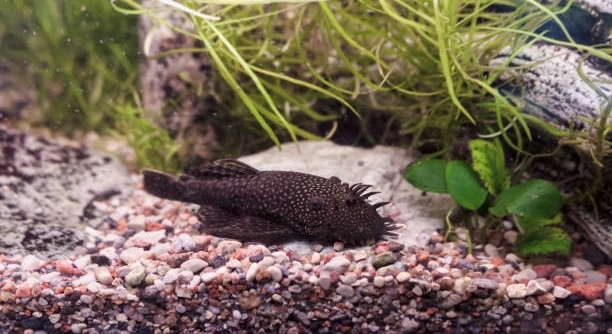
Do you ever notice your pleco spending most of its time tucked under the sponge filter? Many plecos naturally seek out shaded or hidden areas, making the filter a preferred spot in your aquarium.
Plecos often hide under sponge filters due to a combination of environmental factors and instinctual behavior. Limited light, a sense of security, and territorial tendencies contribute to this preference, allowing the fish to feel safe while maintaining access to water flow.
Understanding these behaviors can help improve your pleco’s comfort and overall well-being in its tank environment. Proper observation and adjustments make a noticeable difference.
Common Reasons Plecos Hide Under the Sponge Filter
Many plecos prefer hiding under the sponge filter because it gives them a safe, low-light area in the tank. These fish are nocturnal by nature, often seeking shaded spots during the day. The filter provides steady water flow, which plecos enjoy, and it can mimic natural hiding spots found in rivers or streams. Stress, sudden changes in water temperature, or aggressive tankmates can also drive them to seek shelter under the sponge. Providing hiding spaces is a normal part of keeping plecos comfortable, and observing where they spend time can give insights into their health and behavior. Over time, you may notice patterns, like hiding more during feeding times or when new fish are introduced, which reflects their cautious nature and need for security.
This behavior is generally harmless, but understanding the reasons helps improve tank conditions and pleco comfort.
Adding additional hiding spots and ensuring stable tank conditions can reduce stress and make plecos feel more secure. Observing water quality, flow, and lighting helps ensure the tank environment supports natural behaviors. Plecos are more likely to explore the tank when they feel safe, but their preference for the sponge filter often continues due to instinct. Creating balance between open swimming areas and shaded spots encourages activity and comfort. This approach reduces stress while keeping plecos healthy.
Adjusting Tank Conditions for a Happier Pleco
Adjusting tank lighting and flow can help plecos feel less confined. Moderate light and gentle water flow encourage them to explore.
Introducing varied hiding spaces, such as driftwood, caves, or PVC pipes, provides alternatives to the sponge filter. Consistent water quality is essential, as plecos are sensitive to changes in ammonia, nitrites, and nitrates. Temperature fluctuations should be minimized to prevent stress, and monitoring pH levels ensures a stable environment. Feeding schedules and diet play a role too—healthy, well-fed plecos are less likely to hide excessively. Tankmates should be chosen carefully; peaceful species reduce stress and promote more active behavior. By combining these adjustments, the tank becomes more inviting, and plecos may spend more time swimming openly, though occasional hiding remains normal. Proper care enhances both their safety and overall enjoyment of the aquarium space.
Feeding Habits and Their Effect on Hiding
Plecos often hide under the sponge filter after eating. This behavior allows them to digest food safely and avoid competition from other fish in the tank. A secure, quiet spot helps them feel comfortable during this time.
Feeding at consistent times and offering the right diet can reduce hiding behavior. Plecos thrive on algae wafers, vegetables, and occasional protein sources like shrimp or bloodworms. Uneaten food can create stress or water quality issues, prompting them to retreat. Observing their feeding patterns helps determine whether hiding is linked to meal times. Providing multiple feeding spots ensures plecos can eat without feeling threatened, encouraging them to spend more time exploring the tank.
Overfeeding or irregular feeding schedules may increase hiding behavior. When plecos feel uncertain about food availability or are competing with other fish, they may retreat to the sponge filter more often. Ensuring that food is evenly distributed and removing excess prevents stress. Balanced nutrition and structured feeding habits contribute to both activity and health. Monitoring their behavior alongside diet adjustments gives insights into their comfort levels, reducing unnecessary hiding while supporting overall well-being.
Tank Setup and Environmental Comfort
Proper tank setup is crucial for plecos’ comfort and activity. Providing caves, driftwood, and shaded areas reduces the need to hide under the sponge filter.
Water parameters directly affect their behavior. Stable temperature, pH, and low nitrate levels prevent stress-related hiding. Strong currents may drive plecos to sheltered spots, while gentle flow encourages swimming. Tank size matters; smaller tanks limit hiding options, increasing stress. Arranging decorations to create natural-looking shelters makes the environment more engaging. Even lighting, controlled feeding, and compatible tankmates enhance comfort. Adjusting the tank thoughtfully supports natural behaviors, reduces prolonged hiding, and keeps plecos healthier and more active over time.
Stress and Tankmates
Plecos often hide under the sponge filter when stressed. Aggressive or overly active tankmates can make them feel unsafe. Providing peaceful companions helps reduce constant hiding.
Changes in the tank, like new decorations or sudden water adjustments, can also trigger stress. Keeping a stable environment allows plecos to feel secure and explore more freely.
Light and Daytime Behavior
Plecos are naturally nocturnal and prefer dim lighting during the day. Bright lights can drive them to seek shaded areas like under the sponge filter.
Health Indicators
Excessive hiding can sometimes indicate health concerns. Monitoring your pleco for changes in appetite, color, or activity helps ensure early detection of illness.
FAQ
Why does my pleco always hide under the sponge filter?
Hiding under the sponge filter is normal for plecos. They are nocturnal and instinctively seek shaded or sheltered areas during the day. The sponge filter provides security, gentle water flow, and a place to retreat from stress or aggressive tankmates.
Is it harmful if my pleco stays under the sponge filter most of the time?
Generally, it is not harmful. Plecos naturally hide for comfort and safety. However, if your fish never leaves the filter, it could indicate stress, poor water quality, or lack of adequate hiding spots and tank enrichment. Monitoring overall behavior is important.
How can I encourage my pleco to explore the tank?
Provide multiple hiding spots like caves, driftwood, or PVC pipes. Ensure gentle water flow, moderate lighting, and peaceful tankmates. Regular feeding at consistent times and offering a balanced diet encourages activity without causing stress.
Can poor water quality make my pleco hide more?
Yes. Plecos are sensitive to changes in ammonia, nitrite, nitrate levels, and pH fluctuations. Poor water quality increases stress, making them retreat to the sponge filter more frequently. Regular water testing and maintenance help keep them comfortable.
Does the type of tankmates affect hiding behavior?
Absolutely. Aggressive or overly active fish can intimidate plecos. Peaceful companions reduce stress and encourage more open swimming. Even small, fast-moving fish may cause plecos to hide, so observe interactions carefully.
Does feeding affect hiding patterns?
Yes. Plecos often hide after eating to digest in a safe spot. Overfeeding or uneven food distribution can increase hiding, while regular feeding schedules and proper diet encourage more natural activity. Offering food in multiple areas can help them feel secure while eating.
Is lighting important for my pleco’s behavior?
Lighting plays a significant role. Bright tanks encourage hiding, while moderate lighting allows exploration. Plecos are more active during dim conditions or nighttime. Adjusting light intensity gradually can reduce prolonged hiding.
Can temperature changes cause hiding?
Sudden shifts in water temperature stress plecos, prompting them to seek shelter under the sponge filter. Maintaining a stable temperature within the recommended range for your pleco species is crucial for their comfort and activity.
Are there signs that hiding indicates illness?
Yes. If hiding is accompanied by loss of appetite, faded colors, unusual swimming patterns, or lethargy, your pleco may be unwell. Prompt observation, water testing, and possible veterinary consultation are important to address potential health issues.
Will adding more decorations reduce hiding?
Adding caves, driftwood, and shaded areas provides alternative hiding spots. This gives plecos options, reducing dependence on the sponge filter while keeping them comfortable and less stressed. A well-decorated tank mimics their natural environment and encourages natural behaviors.
How long should a pleco hide under the sponge filter?
Hiding duration varies. Short daytime hiding is normal, while prolonged hiding may indicate stress, environmental issues, or illness. Observing patterns over days or weeks helps determine if behavior is typical or requires intervention.
Can hiding be completely prevented?
No, hiding is a natural behavior. The goal is not to eliminate it but to ensure your pleco feels safe and healthy. Proper tank setup, stable water conditions, and thoughtful care reduce excessive hiding without removing natural instincts.
Does tank size influence hiding behavior?
Yes. Smaller tanks may limit available shelter and increase stress, leading to more hiding. Larger tanks with multiple hiding spots and open swimming areas allow plecos to feel secure while encouraging exploration and activity.
How often should I check on a hiding pleco?
Daily observation is sufficient. Check for feeding, activity, and signs of stress or illness. Avoid constant disturbance, as plecos prefer minimal interference when resting in hidden areas.
Can enrichment reduce hiding?
Yes. Providing varied hiding spots, driftwood, live plants, and gentle water flow encourages exploration and natural behavior. Enrichment gives plecos choices, reducing prolonged hiding under the sponge filter while maintaining comfort and security.
Should I worry if my pleco only hides under the sponge filter at night?
Not necessarily. Plecos are naturally nocturnal, and seeking shelter at night is typical. Daytime hiding is more important to monitor; nighttime resting under shaded areas often aligns with their natural behavior patterns.
Does stress from tank changes affect hiding?
Yes. Introducing new fish, rearranging decorations, or changing water conditions can increase hiding. Gradual adjustments and careful monitoring help plecos adapt without prolonged stress or excessive retreating.
Can hiding be a sign of aging?
Older plecos may hide more due to lower energy levels or reduced activity. While normal to some extent, monitoring appetite, swimming, and health ensures hiding is not masking a deeper issue.
Do plecos prefer the sponge filter over other hiding spots?
Many plecos favor the sponge filter for its gentle flow, security, and shaded area. However, providing multiple shelters ensures they have options and can reduce dependency on the filter as the sole hiding spot.
How can I tell if my pleco is stressed versus just resting?
Resting plecos usually maintain healthy coloration, respond to feeding, and move periodically. Stress signs include clamped fins, rapid breathing, unusual hiding duration, or refusal to eat. Observing behavior patterns over time helps differentiate normal rest from stress-related hiding.
Is it normal for a pleco to hide for several hours at a time?
Yes, especially during daylight. Plecos naturally rest and avoid bright areas. Extended hiding during the day is usually normal if feeding, coloration, and activity during other times remain healthy.
Does the size of the sponge filter matter?
A larger sponge filter provides more surface area and shelter, making it more appealing for hiding. However, too small a filter may not offer adequate cover, increasing stress. Balance filter size with other hiding spots to ensure pleco comfort.
Can multiple plecos share the same hiding spot?
Depending on species and tank size, multiple plecos may share a spot, but territorial behavior can occur. Providing multiple shelters ensures each fish has a secure place, reducing stress and aggression.
Will my pleco stop hiding if the tank is perfect?
Hiding will never fully stop because it is natural behavior. Even in optimal conditions, plecos seek security. The goal is to reduce stress and excessive hiding while supporting healthy exploration and activity.
How often should I clean the sponge filter?
Clean the sponge filter regularly but gently to maintain water quality without removing beneficial bacteria. Rinsing in tank water preserves microorganisms while preventing buildup that could stress plecos and affect their hiding behavior.
Are there specific plants that help plecos feel secure?
Yes. Broad-leaved plants like Anubias or Java fern provide shade and shelter, mimicking natural habitats. Strategically placed plants create additional hiding areas while encouraging exploration and comfort beyond the sponge filter.
Can water current adjustments reduce hiding?
Yes. Plecos prefer gentle flow. Strong currents may drive them to seek shelter constantly. Adjusting pumps and filter output allows for swimming and resting, reducing excessive hiding while maintaining water circulation.
Do plecos hide differently based on age or species?
Yes. Younger plecos may hide more due to vulnerability, while some species are more active and explore openly. Observing species-specific tendencies helps set expectations for hiding behavior and tank setup.
How can I tell if hiding is due to diet issues?
If plecos hide more after meals or show disinterest in food, diet quality may be a factor. Offering varied nutrition and observing reactions helps determine whether feeding habits influence hiding patterns.
Should I move my pleco if it hides too much under the sponge filter?
Relocating a stressed pleco should be done cautiously. Ensure the new spot has similar water conditions, gentle flow, and adequate hiding areas. Avoid frequent moves, as this can increase stress and prolong hiding behavior.
Does tank lighting schedule affect hiding?
Yes. Simulating natural day-night cycles with timers encourages regular activity. Extended bright periods may increase hiding, while balanced lighting promotes normal resting and exploration.
Are there behavioral signs that indicate my pleco is comfortable hiding?
Comfortable plecos remain alert, respond to feeding, and show healthy colors. They may leave the hiding spot periodically to swim. Consistent activity patterns indicate hiding is natural and not stress-related.
Can hiding under the sponge filter affect social interactions?
Yes. If hiding prevents interaction with tankmates, plecos may miss out on environmental enrichment. Providing multiple shelters and balanced tankmates encourages natural interactions while maintaining comfort.
How long does it take for a pleco to adjust to a new tank?
Adjustment can take days to weeks. During this period, hiding under the sponge filter is normal. Gradual acclimation, stable conditions, and adequate shelter help plecos settle comfortably and reduce stress-related hiding.
Can I use a timer for feeding to influence hiding behavior?
Yes. Consistent feeding times help plecos anticipate meals and feel secure, reducing unnecessary hiding. Multiple feeding locations and varied diet increase confidence and encourage movement.
Does water temperature influence hiding during different seasons?
Yes. Seasonal fluctuations can affect activity levels. Maintaining consistent temperature within the species’ preferred range helps reduce stress and excessive hiding, ensuring plecos remain comfortable year-round.
How do I know if my pleco is happy hiding?
A happy pleco maintains healthy coloration, swims when appropriate, feeds normally, and shows minimal signs of stress. Regular observation of behavior patterns ensures hiding is natural rather than a symptom of discomfort.
Are there specific signs that indicate too much hiding is harmful?
Signs include loss of appetite, faded colors, lethargy, and refusal to explore. Excessive hiding paired with these indicators signals stress or illness and requires attention to water quality, diet, and environment.
Does hiding affect my pleco’s lifespan?
Normal hiding behavior does not affect lifespan. Prolonged hiding due to stress or poor conditions can contribute to health issues, so maintaining a suitable environment is essential for long-term well-being.
Can adding night lights influence hiding?
Night lights allow plecos to explore during dark periods without stress. Gentle illumination supports activity while maintaining their natural nocturnal behavior, reducing excessive hiding during low-light hours.
Is it normal for plecos to return to the sponge filter repeatedly?
Yes. The sponge filter offers safety, consistent water flow, and a shaded environment. Repeated use is part of natural behavior, especially if no other equivalent hiding spaces are available.
How can I track hiding patterns effectively?
Observing and noting time spent in hiding, feeding response, and interactions with tankmates helps track behavior. Over weeks, patterns emerge that indicate whether hiding is normal or stress-related.
Does tank decoration layout influence hiding preferences?
Yes. Arranging caves, plants, and driftwood strategically provides options beyond the sponge filter. A thoughtful layout reduces competition for shelters and encourages exploration.
Are there pleco species that hide more than others?
Yes. Some species, like Bristlenose or Common Plecos, are naturally more secretive. Knowing species tendencies helps set realistic expectations for hiding behavior.
Can hiding behavior indicate breeding readiness?
Sometimes. During breeding, plecos may seek secluded areas for laying eggs. Providing appropriate shelters supports natural reproductive behaviors without causing undue stress.
Should I be concerned if my pleco only hides at the bottom?
Hiding at the bottom is typical. Plecos often prefer lower tank levels, which feel more secure. Combine this with multiple hiding spots and gentle water flow to ensure comfort and activity.
Does water hardness affect hiding?
Yes. Plecos prefer specific hardness ranges depending on species. Incorrect water hardness can stress them, increasing hiding. Testing and adjusting water helps maintain comfort.
Can hiding indicate territorial behavior?
Yes. Plecos are territorial and may claim certain shelters, including the sponge filter. Providing multiple shelters reduces conflict and allows each fish to feel secure.
How do I know if my pleco is hiding due to boredom?
Bored plecos may remain in one spot with minimal movement. Adding enrichment like driftwood, plants, and varied feeding locations encourages activity and reduces prolonged hiding.
Are there environmental signs that influence hiding frequency?
Yes. Strong currents, bright lights, or loud vibrations can increase hiding. Reducing stressors and mimicking natural conditions help plecos feel secure while encouraging exploration.
Does hiding behavior change with pleco age?
Yes. Younger plecos hide more for protection, while older plecos may hide due to lower activity levels. Observing behavior relative to age helps interpret hiding patterns accurately.
Can hiding indicate dominance issues in the tank?
Yes. Plecos may hide to avoid conflict with dominant fish. Providing multiple shelters ensures less aggressive individuals can retreat safely, reducing stress-related hiding.
How do I balance hiding and tank aesthetics?
Use natural decorations like driftwood, rocks, and plants to create visually appealing shelters. This balances your pleco’s need for hiding with an attractive aquarium layout.
Is hiding under the sponge filter more common in new tanks?
Yes. New tanks can feel unfamiliar and stressful. Plecos often retreat to the sponge filter until they adjust. Stability, hiding options, and gradual acclimation encourage comfort and exploration.
Does the presence of air stones affect hiding?
Yes. Strong bubbles or noise may encourage hiding. Gentle air stones provide oxygenation without creating stress, allowing plecos to feel safe while maintaining normal activity.
How can I ensure hiding does not interfere with feeding?
Provide food in multiple locations and monitor intake. Ensuring all plecos have access reduces competition, allows safe digestion, and minimizes prolonged hiding after meals.
Are there signs hiding behavior is temporary?
Yes. If plecos leave the shelter periodically, feed normally, and maintain color, hiding is likely temporary and related to rest, stress, or environmental adjustment rather than illness.
Can water filtration type influence hiding?
Yes. Sponge filters offer gentle flow and security, while strong canister or power filters may push plecos to retreat. Adjusting flow and providing shaded areas balances comfort and water circulation.
Does hiding behavior change during breeding season?
Yes. Plecos seek secluded areas to lay eggs. Providing caves or PVC tubes supports reproductive behavior while maintaining a secure environment.
Can hiding be influenced by sudden noises near the tank?
Yes. Vibrations or loud sounds can stress plecos, prompting them to hide. Minimizing disturbances helps maintain comfort and reduces unnecessary sheltering under the sponge filter.
Are plecos more likely to hide in planted tanks?
Planted tanks provide natural hiding areas, which plecos appreciate. While they may still use the sponge filter, additional cover encourages natural exploration and reduces stress.
Does hiding behavior differ between species with bristles and those without?
Yes. Bristlenose plecos tend to hide more, seeking shaded shelters, while other species may be more active. Species-specific behavior helps anticipate and manage hiding tendencies effectively.
Can hiding impact pleco growth?
Normal hiding does not affect growth. Prolonged hiding due to stress, poor diet, or environmental issues may slow growth. Proper care ensures health and development.
How often should I observe hiding patterns?
Daily observation is sufficient. Take notes on duration, frequency, and triggers. Over time, patterns reveal whether hiding is natural or indicates stress.
Does tank maintenance frequency affect hiding?
Yes. Regular, gentle maintenance supports water quality and reduces stress, minimizing excessive hiding. Avoid sudden, drastic changes to keep plecos comfortable.
Are there ways to make the sponge filter more appealing as a shelter?
Adding driftwood or plants nearby can enhance the sponge filter’s appeal, creating a more natural and secure hiding environment for plecos.
Does hiding behavior indicate dominance over other plecos?
Some plecos may use hiding spots to assert territory, while others retreat. Providing multiple shelters reduces conflict and supports peaceful coexistence.
Can lighting color affect hiding?
Soft, natural lighting reduces stress, while harsh, bright light encourages hiding. Adjusting intensity and color temperature can improve comfort and activity.
Do plecos ever hide to rest during the day?
Yes. Daytime hiding is normal for resting. Plecos are naturally nocturnal and prefer shaded areas for comfort and security while sleeping.
How can I differentiate between hiding and illness-related lethargy?
Healthy hiding plecos maintain color, respond to feeding, and explore periodically. Ill fish may refuse food, appear faded, or show irregular swimming patterns, indicating possible health issues.
Is it normal for plecos to hide when new plants are added?
Yes. New additions can create unfamiliar environments. Plecos may retreat until they become accustomed to changes, after which normal exploration resumes.
Can hiding behavior indicate territorial disputes among plecos?
Yes. When multiple plecos compete for limited hiding spots, less dominant individuals may retreat. Providing multiple shelters prevents conflict and reduces stress-related hiding.
Does the material of the sponge filter affect hiding preference?
Some plecos prefer softer, textured surfaces for resting. The sponge filter’s texture often makes it more appealing than smooth surfaces, providing comfort and security.
Are there seasonal patterns in hiding behavior?
Yes. Seasonal changes in temperature, lighting, or feeding may influence hiding. Maintaining stable conditions helps minimize stress and unnecessary sheltering.
Does hiding frequency change as plecos age?
Yes. Younger plecos hide for protection, while older ones may hide less due to experience or more if energy levels decline. Observing trends helps interpret behavior.
Can excessive hiding indicate a need for tank enrichment?
Yes. Limited stimulation may cause plecos to remain in one spot. Adding driftwood, plants, and alternative hiding spots encourages natural exploration and reduces repetitive hiding.
Is it normal for plecos to hide after tank cleaning?
Yes. Cleaning can temporarily stress plecos, prompting them to retreat. Gentle maintenance and minimal disturbance reduce prolonged hiding.
Can hiding behavior be influenced by water hardness or mineral content?
Yes. Plecos prefer specific hardness ranges depending on species. Incorrect hardness may stress them, increasing hiding. Testing and adjusting water conditions improves comfort.
Does hiding behavior correlate with pleco size?
Larger plecos may feel more confident and hide less, while smaller or juvenile fish seek security more frequently. Size affects comfort and sheltering preferences.
How do I know if my pleco is comfortable with its hiding spot?
Comfortable plecos leave the spot periodically, feed normally, and display healthy color. Inconsistent hiding, faded color, or refusal to eat may indicate discomfort.
Are there tricks to encourage plecos to leave the sponge filter?
Adding alternative shelters, gentle flow, and consistent feeding encourages movement. Avoid forcing them, as security and comfort are their priority.
Does hiding behavior vary between day and night?
Yes. Plecos are mostly nocturnal, hiding during the day and becoming more active at night. Nighttime exploration is natural and should be encouraged with safe, low-light conditions.
Can hiding behavior indicate water flow preferences?
Yes. Plecos often select hiding
Hiding under the sponge filter is a natural behavior for plecos. These fish are nocturnal and instinctively seek shaded or secure areas during the day. The sponge filter provides a safe, quiet spot with gentle water flow, which plecos find comforting. Many plecos use this area to rest, digest food, or simply feel protected from tankmates and environmental changes. While it may seem like your fish is always hiding, this behavior is usually part of their normal daily routine. Observing where and when your pleco hides can give you valuable insight into their habits, preferences, and overall comfort within the aquarium.
Understanding the reasons behind hiding helps in maintaining a healthy and balanced tank. Factors such as water quality, temperature, lighting, tank decorations, and tankmates all influence your pleco’s behavior. Stable water parameters and a clean tank reduce stress and promote confidence. Providing multiple hiding spots, like driftwood, caves, and plants, gives plecos choices, making them feel secure without relying solely on the sponge filter. Proper feeding habits also play a role. Offering a balanced diet at consistent times ensures that your pleco can digest safely and maintain energy for swimming and exploring the tank. Paying attention to these details supports natural behaviors while promoting overall well-being.
While hiding is normal, it is also important to monitor your pleco’s health and activity. Changes in appetite, coloration, swimming patterns, or prolonged inactivity may indicate stress, illness, or environmental issues. Regular observation and maintenance help you spot potential problems early, ensuring that your pleco remains healthy and comfortable. Creating a tank environment that balances open swimming space with secure hiding areas allows your fish to express natural behaviors without feeling threatened. By understanding and accommodating your pleco’s instincts, you can provide a safe, engaging, and stress-free home, helping them thrive in your care.

Hello,
If you enjoy the content that we create, please consider saying a "Thank You!" by leaving a tip.
Every little bit helps us continue crafting quality advice that supports the health, happiness, and well-being of pets around the world, for pets of all shapes, sizes, and species.
We really appreciate the kindness and support that you show us!