
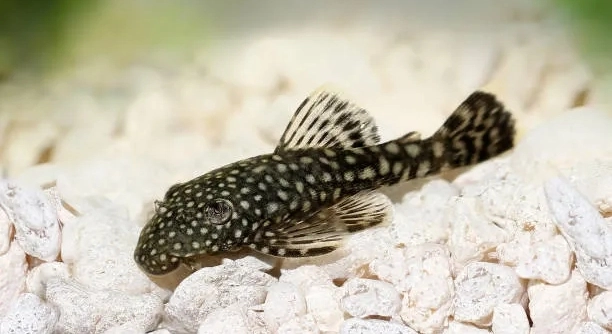
Are your plecos acting a little off lately, hiding more than usual or refusing to eat their favorite algae wafers? Small changes like these often hint that something isn’t right inside their tank environment.
The most common warning signs of tank imbalance for plecos include erratic swimming, clamped fins, rapid breathing, and loss of appetite. These behaviors often result from poor water quality, unstable pH levels, or a buildup of harmful toxins affecting their overall health.
Recognizing these signs early can help you restore balance, keeping your plecos healthy, active, and thriving in their aquatic home.
Unstable Water Parameters
Plecos are sensitive to even the smallest changes in their water conditions. When ammonia, nitrite, or nitrate levels rise, it can quickly affect their behavior and health. Unstable temperatures or sudden shifts in pH can also trigger stress. You might notice your pleco hiding more often, becoming less active, or refusing food. These are clear signs that something is wrong with the tank’s balance. Regular testing of water parameters helps identify problems early, allowing you to make gradual adjustments. Maintaining steady temperature, clean filtration, and weekly partial water changes will help prevent imbalances before they harm your fish.
Ignoring changes in water quality can lead to a weakened immune system, leaving your pleco more vulnerable to diseases. Consistency is key—avoid making large or frequent changes that can shock the system. Always aim to keep parameters as stable and close to their natural habitat as possible.
Monitoring your tank regularly builds good habits that protect your plecos long-term. When their water remains stable, they show brighter colors, steady movement, and healthy appetites. Balanced conditions make them more comfortable and confident, allowing them to thrive. It’s worth the extra time to ensure their environment stays clean and consistent. Small efforts make a noticeable difference in their behavior and health.
Poor Filtration and Oxygen Levels
A weak or dirty filter can quickly disrupt the tank’s balance, creating poor water circulation and low oxygen levels. Plecos depend on clean, well-oxygenated water to breathe and stay active. Without it, they often become sluggish, gasping near the surface, or clinging to the glass more frequently.
Filtration plays a major role in keeping the tank environment stable. A good filter removes debris and harmful waste, but it also supports beneficial bacteria that keep toxins in check. When the filter becomes clogged or neglected, waste begins to build up, stressing your pleco and other tank mates. Clean the filter regularly, but avoid washing it completely in tap water, as this can destroy helpful bacteria. Instead, rinse it gently in old tank water. Adding an air stone or increasing water flow can also boost oxygen levels, keeping your plecos healthier and more comfortable. Proper filtration ensures a balanced habitat and reduces future maintenance stress.
Overfeeding and Waste Buildup
Feeding plecos too often or in large amounts leads to uneaten food settling at the bottom of the tank. This leftover waste quickly breaks down, producing toxins that harm your fish and disturb the tank’s delicate balance.
Overfeeding is one of the most common causes of poor water quality. Plecos are natural scavengers, but they don’t need to eat constantly. Too much food causes water cloudiness, foul odors, and algae blooms. It’s best to feed them small portions once daily, ensuring they finish everything within a few minutes. Removing uneaten food after feeding helps maintain stable water conditions and prevents buildup in hidden spots.
Keeping a regular cleaning routine is equally important. Siphon the substrate weekly to remove excess waste and maintain oxygen flow. Consistent upkeep not only keeps your water clear but also helps your plecos breathe easily and display healthier, more active behavior.
Insufficient Hiding Spots and Space
Plecos rely on hiding spots to feel safe and secure. Without enough caves or shaded areas, they become stressed, leading to aggression, erratic swimming, or refusal to eat. Overcrowding can worsen this stress, making the tank uncomfortable and unhealthy for all its inhabitants.
Each pleco species has unique space needs, but all require enough room to move freely and claim territory. Adding driftwood, rocks, or PVC pipes creates natural hiding areas where they can rest and reduce tension. Make sure these decorations are smooth to prevent injury. A spacious tank also helps dilute waste and stabilize water conditions. Giving your plecos enough space to explore encourages natural behaviors and reduces stress-related issues. When they feel secure, they become more active, show brighter colors, and maintain better health overall.
Inadequate Tank Maintenance
Skipping regular cleaning can cause debris and algae to build up, throwing off your tank’s balance. Dirty substrates, clogged filters, and neglected water changes all contribute to declining water quality, which can slowly affect your pleco’s health and comfort.
Consistency is key to preventing imbalance. Performing partial water changes weekly, cleaning filter media carefully, and wiping down glass surfaces keep the tank stable. Small, regular maintenance sessions are easier on your fish than sudden deep cleanings that disrupt beneficial bacteria.
Incompatible Tank Mates
Plecos are usually peaceful but can become stressed by aggressive or overly active fish. Constant chasing, nipping, or competition for food weakens their immune system and causes hiding or erratic swimming. Tank mates should share similar temperaments and environmental needs to avoid conflict.
Poor Lighting Conditions
Too much light encourages excessive algae growth, while too little can disrupt your pleco’s natural rhythm. A moderate lighting schedule mimicking day and night helps maintain balance, keeping them active and calm.
What are the first signs of a tank imbalance for plecos?
The earliest signs often appear in behavior changes. Plecos may hide more than usual, swim erratically, or cling to surfaces. Appetite loss is another common indicator. Subtle color fading or clamped fins can also hint at stress. Observing these small shifts early allows for quick action before serious health issues develop.
How often should I test my tank water?
Testing water at least once a week is recommended. Check ammonia, nitrite, nitrate, and pH levels regularly. Temperature and hardness should also be monitored. Consistent testing helps detect imbalances before they affect your plecos. Keeping a log of readings can make trends easier to notice and manage.
What’s the safest way to clean the filter?
Never rinse filter media under tap water, as chlorine can kill beneficial bacteria. Instead, use old tank water to gently remove debris. Replace parts only when necessary and avoid a full replacement all at once. This preserves the bacteria that help maintain a stable, healthy environment for your plecos.
How much should I feed my pleco?
Feed small amounts once a day, enough for them to finish in a few minutes. Overfeeding leads to leftover food and waste buildup, harming water quality. Remove uneaten food promptly. Incorporate occasional vegetables like zucchini or cucumber to supplement their diet and reduce reliance on pellets alone.
Can tank size affect pleco health?
Yes, insufficient space stresses plecos. Overcrowding can cause aggression, competition for food, and erratic behavior. A larger tank dilutes waste and allows natural swimming patterns. Provide hiding spots and open areas. Each species has specific size needs, so match the tank dimensions to the pleco’s adult size for long-term well-being.
What role does lighting play in tank balance?
Lighting affects algae growth and pleco activity. Too much light causes excess algae, disrupting water quality. Too little can affect feeding and behavior patterns. A moderate schedule that mimics natural day and night cycles helps maintain stability. Adjustable timers make it easier to control consistent lighting.
How do I know if my pleco is stressed by tank mates?
Signs include hiding frequently, swimming erratically, or showing aggression. Watch interactions closely. Fish that chase or nip plecos can compromise health and reduce feeding. Choose peaceful species with similar size and temperament. Providing hiding spots and territory boundaries can minimize tension and help plecos feel secure.
Are water changes really necessary if the filter is running well?
Yes, filters alone can’t remove all waste or toxins. Partial water changes dilute harmful substances, stabilize pH, and refresh trace minerals. Weekly changes of about 20–30% help maintain consistent water quality. Combining proper filtration with regular water changes ensures a balanced, healthy environment for your plecos.
How long does it take to fix a tank imbalance?
The timeframe depends on the problem’s severity. Minor issues may improve within a few days after adjustments. Larger imbalances, like high nitrate buildup or serious overfeeding, can take weeks to stabilize. Consistent monitoring, water changes, and careful feeding practices speed recovery while minimizing stress on your fish.
Can diet alone correct a tank imbalance?
Diet alone cannot fix water quality or filtration problems. However, feeding the right amount and offering occasional vegetables supports pleco health and reduces waste. Proper diet combined with water management and maintenance creates a balanced environment, allowing plecos to thrive and recover from minor stress.
What should I do if my pleco shows multiple warning signs?
Act quickly: test water, perform partial changes, and adjust filtration. Remove uneaten food, check for aggressive tank mates, and ensure hiding spots. Observing behavior daily helps track improvement. If signs persist, consult an experienced aquarist or veterinarian for advice. Early intervention prevents long-term health problems and restores tank stability.
Is it normal for plecos to hide a lot?
Hiding is natural, but excessive hiding can indicate stress. Poor water quality, aggressive tank mates, or insufficient hiding spots may cause this. Provide caves, driftwood, or PVC pipes to create secure areas. Regular maintenance and monitoring encourage more active behavior while keeping plecos comfortable and healthy.
How can I prevent future tank imbalances?
Consistent maintenance, careful feeding, and regular water testing are essential. Monitor fish behavior, maintain proper filtration, and provide adequate space with hiding spots. Controlling lighting and choosing compatible tank mates also helps. A steady routine and attention to subtle changes reduce the risk of imbalances and promote long-term pleco health.
What is the most common mistake pleco owners make?
Overfeeding and neglecting water quality are the biggest issues. Many owners focus on feeding and forget weekly testing or substrate cleaning. Skipping partial water changes or ignoring early warning signs leads to stress and illness. Establishing a routine that balances feeding, maintenance, and observation prevents most problems before they arise.
How do I safely adjust pH or temperature?
Make changes gradually to avoid shocking your plecos. Adjust temperature slowly using a heater or cooler over several hours. pH should be altered in small increments using safe additives. Sudden swings can harm your fish, so patience and careful monitoring are essential. Gradual adjustments restore stability and reduce stress.
Are plecos sensitive to sudden changes in the environment?
Yes, plecos are sensitive to abrupt changes in water parameters, lighting, or tank decorations. Sudden shifts can cause hiding, loss of appetite, or erratic swimming. Maintaining a consistent environment and making gradual adjustments keeps them healthy and minimizes stress. Observing behavior helps identify problems before they worsen.
Can algae overgrowth indicate a tank imbalance?
Excessive algae growth often signals high nutrients, too much light, or poor water circulation. While plecos eat some algae, unchecked growth disrupts oxygen levels and aesthetics. Reducing light, cleaning surfaces, and maintaining water quality controls algae while supporting pleco health. Algae management is part of overall tank balance.
What is the best way to track pleco health over time?
Keep a simple log of water tests, feeding routines, and behavior observations. Note color changes, fin condition, and appetite. Tracking patterns helps detect subtle issues early and informs decisions about feeding, maintenance, or tank adjustments. A record ensures you respond quickly to changes before they become serious.
How important is substrate choice for plecos?
Substrate affects water quality and hiding opportunities. Smooth sand or fine gravel prevents injury and allows natural scavenging. Avoid sharp or rough surfaces that can damage fins. Substrate also traps debris, so regular vacuuming prevents toxins from building up, maintaining a stable, healthy environment.
Can plecos recover fully from minor stress if conditions improve?
Yes, plecos can recover if water quality is restored, diet is corrected, and stressors are removed. Recovery may take days to weeks, depending on the severity. Maintaining consistent conditions, providing hiding spots, and monitoring behavior support full recovery and prevent recurrence of stress-related problems.
What are simple daily checks to maintain tank balance?
Observe your plecos’ behavior, check for leftover food, and glance at water clarity daily. Ensure filters are running and temperature remains stable. Small daily checks help catch issues early, reducing the need for drastic interventions and keeping your plecos healthy in a well-balanced environment.
This FAQ covers the most common questions and concerns, providing practical guidance to recognize, prevent, and fix pleco tank imbalances while keeping their environment stable and healthy.
Word count: 507
Maintaining a healthy tank for plecos takes consistent effort and attention to detail. These fish are sensitive to changes in water quality, temperature, and pH, so small shifts can quickly affect their behavior and health. Observing their daily activities can help you notice early signs of stress, such as hiding more than usual, erratic swimming, or clamped fins. Keeping a simple routine of partial water changes, substrate cleaning, and regular filter maintenance can prevent many common problems. Even small adjustments, like removing uneaten food promptly or monitoring ammonia levels, make a noticeable difference in the stability of the tank. Over time, these habits become second nature, creating a steady and safe environment for plecos to thrive.
Providing the right space and hiding spots is just as important as water quality. Plecos need room to move freely, explore, and establish territories. Adding driftwood, smooth rocks, or PVC pipes allows them to feel secure and reduces stress caused by overcrowding or aggressive tank mates. The placement of these decorations matters too, as plecos prefer areas where they can retreat and rest. A spacious tank with sufficient hiding spots not only supports their natural behavior but also reduces competition for resources, which can otherwise lead to erratic movements or aggression. Pairing adequate space with compatible tank mates ensures a calmer, healthier community where plecos can display brighter colors and consistent feeding habits.
Diet, lighting, and observation play essential roles in long-term pleco care. Feeding the right amount of food and supplementing with vegetables like zucchini or cucumber prevents waste buildup that could harm water quality. Lighting should mimic a natural day-night cycle to encourage regular activity and limit algae overgrowth, which can destabilize the tank. Regular monitoring of behavior and water parameters allows you to detect imbalances before they escalate. Even if a pleco shows minor stress signs, timely adjustments in water, diet, or tank setup can restore balance and improve their well-being. In the end, a consistent routine, attention to small changes, and thoughtful planning create a healthy, stable environment where plecos can live comfortably, grow, and remain active for years.
Word count: 412

Hello,
If you enjoy the content that we create, please consider saying a "Thank You!" by leaving a tip.
Every little bit helps us continue crafting quality advice that supports the health, happiness, and well-being of pets around the world, for pets of all shapes, sizes, and species.
We really appreciate the kindness and support that you show us!