
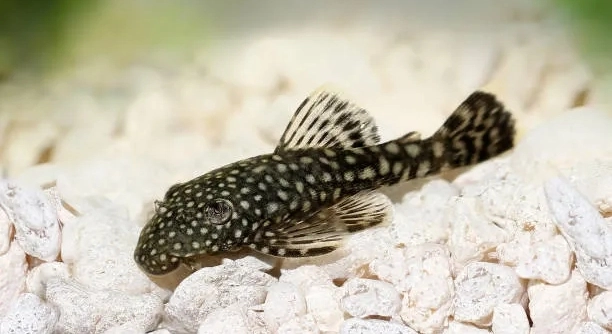
Do you love keeping freshwater aquariums and recently added a new pleco to your tank? Adjusting to their specific needs can be challenging, especially when it comes to monitoring their health, behavior, and environment.
After buying a new pleco, it is essential to observe water quality, tank temperature, feeding habits, hiding preferences, signs of illness, compatibility with other fish, and overall stress levels to ensure their optimal adaptation and long-term health.
Monitoring these factors carefully will help your pleco thrive and prevent common issues from escalating in your aquarium setup. Proper observation is the key to a healthy, happy fish.
Water Quality
Maintaining clean water is vital for your pleco’s health. New plecos are sensitive to sudden changes in water chemistry, so regular testing is important. Monitor ammonia, nitrite, and nitrate levels closely, as spikes can stress your fish and cause illness. A partial water change once a week helps maintain stability and removes waste buildup. Use a reliable water conditioner to neutralize chlorine and chloramines. Avoid overcrowding your tank, as excess fish can quickly degrade water quality. Keep an eye on pH levels; most plecos prefer a slightly acidic to neutral environment. Filtration is critical; choose a filter rated for your tank size and ensure it runs continuously. Remove uneaten food promptly to prevent decay. Observing your pleco’s behavior can indicate water problems, as sluggishness or hiding may signal stress. Gradual adjustments in water conditions are safer than sudden changes, which can shock the fish.
Proper water care will support your pleco’s health and reduce risks of common infections or stress-related issues.
Clean water forms the foundation for a thriving pleco. By staying consistent with testing and maintenance, you ensure a safer, more comfortable environment for your fish, helping them grow and behave naturally over time.
Feeding Habits
Plecos require a balanced diet of algae, vegetables, and occasional protein supplements.
Feed your pleco in the evening when they are most active. Offer sinking pellets, blanched vegetables like zucchini or cucumber, and occasional protein treats. Avoid overfeeding, as leftover food can pollute the tank. Monitor eating behavior to detect appetite changes, which may indicate health problems. Rotate vegetables to provide variety and nutrients. Make sure food reaches all plecos in community tanks to prevent competition. Observing your pleco while eating helps identify aggressive tankmates or dominant fish that might block access. Some plecos need driftwood in their diet for digestion, especially species like the common bristlenose. Adjust portion sizes as your pleco grows. Consistency is key; regular feeding times help your fish settle into the tank’s routine. Note any signs of bloating or irregular waste, which could signal dietary imbalance. Feeding properly ensures your pleco stays energetic, healthy, and less prone to disease.
Tank Temperature
Plecos thrive in stable temperatures, usually between 72°F and 78°F. Sudden fluctuations can stress them and suppress their immune system. Use a reliable heater and thermometer to maintain consistency. Avoid placing the tank near drafts, windows, or heating vents.
Maintaining the right temperature is crucial for digestion and overall health. If water drops too low, your pleco may become sluggish and stop eating. High temperatures can accelerate metabolism, causing stress and reducing oxygen levels. Gradual adjustments are safer than sudden changes. Observe your pleco’s activity: excessive hiding or lethargy can indicate that the temperature is off. A stable, suitable temperature helps them adapt quickly to a new tank.
Temperature directly impacts behavior and growth. Consistent warmth allows plecos to feed normally, explore their environment, and remain active during the night. Even minor fluctuations over time can cause illness or weaken the fish, so monitoring is essential for long-term health and comfort.
Hiding Preferences
Plecos need hiding spots to feel secure. Provide caves, driftwood, or plants to reduce stress and support natural behavior.
Hiding areas reduce aggression and give plecos a place to rest during daylight. Without adequate shelter, they may become anxious or overly aggressive toward other fish. Observe which spots they prefer and adjust placement as needed. Some species enjoy multiple hiding options, while others settle in a single favorite spot. Changing locations too often can cause stress, so keep a stable setup once your pleco chooses its preferred area. Hiding spots also help maintain territorial balance in community tanks.
Hiding structures contribute to a healthy environment by encouraging natural exploration. Plecos will graze, rest, and interact more confidently when secure. Providing the right combination of caves and driftwood enhances tank aesthetics while meeting the fish’s instinctual needs, supporting both mental and physical health.
Signs of Illness
Watch for changes in color, fin damage, or unusual swimming patterns. Early detection of illness prevents serious health issues.
Other signs include rapid breathing, clamped fins, or visible spots. Monitoring your pleco daily helps catch problems early and allows for timely treatment, reducing stress and increasing recovery chances.
Compatibility with Other Fish
Plecos are generally peaceful but may compete for food or territory with aggressive tankmates. Observe interactions closely to ensure harmony. Avoid keeping them with overly aggressive species, as constant stress can impact health, feeding, and hiding behavior. Proper placement of hiding spots reduces conflict.
Stress Levels
Stress can result from poor water quality, overcrowding, or sudden environmental changes. Monitor behavior to identify stress and adjust care accordingly.
FAQ
How often should I feed my pleco?
Feeding frequency depends on the size and species of your pleco. Most adult plecos do well with one feeding per day, usually in the evening when they are most active. Younger plecos may need smaller portions twice a day. Offer a mix of sinking pellets, fresh vegetables, and occasional protein sources. Avoid overfeeding, as uneaten food can decay and reduce water quality. Monitor their eating habits and adjust amounts gradually to ensure they are healthy and active without polluting the tank.
What vegetables are safe for plecos?
Plecos enjoy vegetables such as zucchini, cucumber, spinach, and peas. Blanch the vegetables briefly to soften them, making it easier for your pleco to consume and digest. Rotate different vegetables to provide a variety of nutrients and prevent dietary deficiencies. Some plecos, like bristlenose species, also benefit from driftwood, which aids digestion. Remove uneaten vegetables after 24 hours to maintain clean water and prevent bacterial growth. Regularly observing their interest in the vegetables helps you determine which types they prefer and which contribute most to their health.
Can plecos live with other fish?
Yes, plecos are generally peaceful but can become territorial over food or hiding spaces. Avoid aggressive or fin-nipping species that may stress your pleco. Provide multiple hiding spots and sufficient space to reduce competition. Observe interactions carefully during the first few weeks, especially in community tanks. Plecos usually occupy the bottom of the tank, so pairing them with mid- or top-dwelling fish minimizes conflict. Adjust tank decorations if aggression appears. Maintaining a stable, calm environment helps plecos coexist with other fish and prevents stress-related health problems.
How do I know if my pleco is stressed?
Signs of stress include hiding excessively, loss of appetite, clamped fins, rapid breathing, or unusual swimming patterns. Environmental factors such as poor water quality, sudden temperature changes, or aggressive tankmates can trigger stress. Monitoring these behaviors daily allows for early intervention. Providing stable water parameters, hiding spots, and proper nutrition reduces stress and keeps your pleco healthy. Stress can weaken the immune system, making plecos more susceptible to disease, so addressing causes quickly is essential.
What is the ideal tank size for a pleco?
Tank size depends on the species. Smaller plecos like bristlenose need at least 30 gallons, while larger species can require 75 gallons or more. Sufficient space ensures proper swimming, growth, and access to food and hiding places. Overcrowding increases stress, reduces water quality, and can lead to aggression. Provide a long, wide tank rather than just a tall one, as plecos prefer horizontal space. Planning for the pleco’s adult size prevents the need for frequent tank upgrades and helps maintain a stable environment.
Do plecos need special lighting?
Plecos are nocturnal and prefer dim lighting or areas with shaded hiding spots. Bright lighting can cause stress and reduce activity. Use floating plants or aquarium decorations to create shaded areas, allowing your pleco to feel secure during the day. Some plecos may still explore under low light, but consistent periods of darkness support their natural behavior. Avoid direct sunlight, which can raise water temperature and encourage algae overgrowth. Proper lighting ensures your pleco remains active at night and maintains a healthy, natural rhythm.
How often should I change the water?
Perform partial water changes weekly, replacing 20–30% of the water. Regular changes remove waste, maintain stable water parameters, and reduce toxins. Monitor ammonia, nitrite, nitrate, and pH levels to guide adjustments. Avoid sudden, large water changes, as this can shock your pleco. Use dechlorinated water and match the temperature closely to the tank to prevent stress. Consistency in water maintenance supports a healthy immune system and overall well-being. Observing your pleco during and after changes can help you ensure they are adapting well to the updated environment.
Is driftwood necessary for all plecos?
Not all species require driftwood, but many, such as bristlenose plecos, benefit from it. Driftwood provides a natural grazing surface and aids digestion. It also creates hiding spots and reduces stress by mimicking a natural environment. Choose untreated, aquarium-safe driftwood and rinse thoroughly before placing it in the tank. Monitor your pleco’s interaction with the wood to ensure it is being used. Regular cleaning may be necessary to prevent mold or algae buildup. Driftwood improves both nutrition and mental stimulation, contributing to a healthier and more comfortable habitat.
How do I treat common pleco diseases?
Common pleco diseases include ich, fin rot, and fungal infections. Early detection is key to treatment. Isolate affected fish if possible, adjust water parameters, and use species-safe medications. Maintain clean water and reduce stress to support recovery. Observe your pleco daily for changes in behavior, appetite, or appearance, as these are often the first signs of illness. Prompt action improves recovery rates and prevents spreading to other tank inhabitants. Consistent care and observation are the most effective ways to prevent disease.
Can plecos survive in cold water?
Plecos are tropical fish and prefer temperatures between 72°F and 78°F. Cold water slows metabolism, reduces activity, and can lead to stress or illness. Use a reliable heater and monitor the temperature consistently. Sudden drops in temperature should be avoided to prevent shock. Even hardy species need stable warmth to remain healthy. Observing your pleco’s activity in cooler water can indicate stress, and adjustments should be made immediately. Proper temperature control is critical for their overall health and longevity.
What should I do if my pleco stops eating?
Loss of appetite can indicate stress, illness, or unsuitable water conditions. Check water quality, tank temperature, and diet. Offer preferred foods like vegetables or pellets and monitor for signs of illness. Ensure they have access to feeding areas without competition. Early intervention helps restore normal feeding behavior. Observing your pleco closely during this time ensures proper treatment and reduces the risk of long-term health issues. Consistency and patience are key when addressing appetite loss.
How can I encourage natural behavior?
Provide hiding spots, driftwood, and a varied diet. Keep a stable environment and reduce stress from aggressive tankmates. Observe nocturnal activity and avoid unnecessary disturbances. Allowing your pleco to explore and graze freely supports physical health, mental stimulation, and natural instincts. Rotate decorations periodically to maintain interest without causing stress.
Can plecos be kept alone?
Yes, plecos can live alone as long as the tank is large enough and provides hiding spots, proper diet, and clean water. Social interaction is not required, but enrichment through plants and driftwood is important for mental stimulation. A single pleco can thrive with careful attention to its needs.
How do I know when my pleco is fully grown?
Growth rates vary by species. Observe size relative to the species’ average adult size, typically noted in care guides. Most plecos reach full size within 1–2 years. Growth may slow if tank size, diet, or water quality are inadequate. Regular monitoring ensures proper care and prevents overcrowding.
Final Thoughts
Buying a new pleco is an exciting experience, but it comes with responsibility. Plecos are resilient fish, yet they require consistent care to thrive in an aquarium environment. Observing your pleco daily helps you notice changes in behavior, appetite, or appearance that could indicate a problem. Simple practices, such as maintaining clean water, monitoring temperature, and providing proper hiding spots, go a long way in ensuring their health. Each pleco species has unique requirements, so learning about their specific needs allows you to create an environment that supports their natural behaviors. Understanding these factors early prevents stress and illness, helping your fish adjust smoothly to their new home.
Feeding is another crucial aspect of pleco care. Offering a varied diet of vegetables, pellets, and occasional protein ensures proper nutrition. Overfeeding or providing the wrong foods can create water quality issues or digestive problems. Watching how your pleco interacts with food and adjusting portions according to their size and activity level helps maintain a healthy tank. Including driftwood for species that require it supports digestion and offers additional enrichment. Providing consistent feeding schedules not only meets nutritional needs but also encourages natural behaviors, keeping your pleco active and engaged in the aquarium.
Stress management and a stable environment are just as important as food and water quality. Plecos need areas to hide and feel secure, especially in community tanks where competition for space or resources may occur. Avoid sudden changes in temperature, water parameters, or tank setup, as these can trigger stress responses. Monitoring interactions with other fish ensures harmony in a shared environment. When stress is minimized and care is consistent, plecos display healthier activity levels, stronger immune systems, and natural behaviors. By observing their habits and adjusting care to their needs, you create a thriving habitat where your pleco can live a long and healthy life, contributing to a balanced, enjoyable aquarium.

Hello,
If you enjoy the content that we create, please consider saying a "Thank You!" by leaving a tip.
Every little bit helps us continue crafting quality advice that supports the health, happiness, and well-being of pets around the world, for pets of all shapes, sizes, and species.
We really appreciate the kindness and support that you show us!