
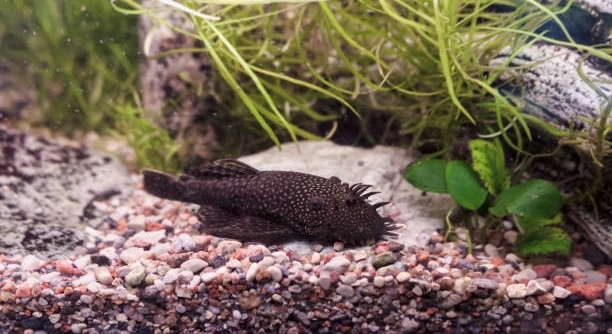
Do you ever find yourself admiring aquariums and wondering about the small fish that seem to quietly thrive in their tanks? Bristlenose plecos are one of these fascinating species that often go unnoticed but are full of surprises.
Bristlenose plecos, known scientifically as Ancistrus species, are freshwater catfish that display unique behavioral and physiological traits. They exhibit algae-eating habits, nocturnal activity, sexual dimorphism, and territorial behavior, making them both interesting and practical additions to home aquariums.
Their unusual appearance and habits make them more than just simple tank cleaners, revealing a complex and engaging side to these small aquatic creatures.
Bristlenose Plecos Are Great Algae Eaters
Bristlenose plecos are excellent for controlling algae in freshwater aquariums. They have a specialized mouth that allows them to scrape algae off surfaces efficiently. Unlike some fish that may need constant feeding, plecos can supplement their diet by grazing on the algae growing on tank walls, decorations, and plants. Their natural grazing behavior helps maintain cleaner tanks without much effort. In addition to algae, they eat sinking pellets, vegetables, and occasionally protein-based foods, which makes feeding flexible and straightforward. They are particularly effective in tanks with medium to heavy algae growth. These fish are hardy and can adapt to a range of water conditions, though stable temperatures and pH levels improve their health. They are nocturnal, so they tend to be more active during the evening, quietly performing their cleaning duties while most other fish rest. Overall, plecos combine practicality with interesting behaviors that make them stand out in any community tank.
Their algae-eating ability makes them a low-maintenance option for keeping tanks visually clean and healthy.
Plecos’ nocturnal habits and steady grazing make tank maintenance easier. Their unique feeding style reduces algae without harming plants or decorations, allowing aquarists to enjoy a more balanced ecosystem.
Unique Bristles and Sexual Dimorphism
Male bristlenose plecos develop prominent bristles on their snouts, which females generally lack.
These bristles serve multiple purposes, including attracting mates and establishing dominance. Male plecos use them to signal health and maturity, with larger bristles often indicating stronger individuals. Females may prefer males with more developed bristles when choosing a mate. This sexual dimorphism is subtle at first but becomes more pronounced as the fish ages. Observing bristle growth can help identify the sexes in a tank without invasive measures. Beyond attraction, bristles may also assist in sensing the environment, providing a tactile advantage when navigating tight spaces or detecting nearby activity. They are particularly noticeable in healthy, well-fed males. Aquarium keepers can use bristle development as a way to monitor fish health and breeding potential. Bristle size and condition can also indicate stress or illness, making them a natural indicator for attentive care.
Bristles are not just decorative; they indicate health and maturity in males.
Monitoring bristle growth allows aquarists to track male development, assess breeding potential, and ensure overall well-being, making these features both practical and visually interesting.
Nocturnal Behavior
Bristlenose plecos are primarily active at night, resting during the day in caves or behind decorations. Their nocturnal nature helps reduce competition for food and provides them with safer hiding spots in community tanks.
At night, plecos become highly active, grazing on algae and searching for leftover food. Their eyes are adapted to low-light conditions, allowing them to navigate efficiently while other fish are less active. During daylight hours, they prefer to stay hidden, which is why they may seem inactive or shy when observed. This behavior is natural and indicates a healthy routine. Understanding their nocturnal tendencies can help aquarists provide appropriate hiding spots and ensure minimal disturbance. Feeding schedules can be adjusted to evening hours, aligning with their active periods.
Nocturnal habits also influence tank lighting choices. Dim or adjustable lighting can create a comfortable environment for plecos while allowing other fish to thrive during the day. Their quiet night activity makes them unobtrusive companions in community tanks, supporting a balanced ecosystem.
Tank Compatibility
Bristlenose plecos are generally peaceful and coexist well with most community fish, avoiding aggressive behavior. Their size and calm nature make them suitable for tanks of various dimensions.
They can share a tank with tetras, guppies, and dwarf cichlids without causing stress or territorial disputes. However, males may defend their chosen hiding spots, so providing multiple caves or driftwood pieces helps minimize conflict. They tolerate a wide range of water conditions but prefer slightly acidic to neutral pH and stable temperatures between 73–81°F. Compatibility also depends on avoiding overly aggressive tankmates that may harass them or compete for food. Their adaptability makes them an excellent addition to mixed-species tanks.
Maintaining multiple hiding areas and monitoring interactions ensures plecos remain comfortable. Observing behavior over time helps identify any tension or stress. Proper tank layout, suitable water parameters, and a balanced diet contribute to a harmonious environment, supporting both plecos and their tank companions. Their presence enhances tank cleanliness and adds subtle activity without disrupting the peace of other fish.
Breeding Behavior
Male bristlenose plecos guard eggs and fry diligently, often staying close to the nest until the young are free-swimming. This protective behavior ensures higher survival rates for the offspring.
Females lay eggs inside caves or crevices, where the male fertilizes and tends to them. Proper hiding spots increase the likelihood of successful breeding.
Lifespan and Growth
Bristlenose plecos typically live between five and eight years in well-maintained aquariums. They grow slowly, reaching an average size of four to six inches, depending on diet and water quality. Regular feeding, stable water conditions, and adequate space contribute to their long-term health and longevity. Their growth is gradual, which allows aquarists to monitor development and adjust care routines as needed. Overcrowding or poor nutrition can stunt growth, while consistent tank maintenance encourages proper development. These fish remain small enough for most community tanks while offering fascinating behaviors over several years.
Diet Variety
They eat algae, vegetables, and sinking pellets, making feeding flexible and straightforward.
FAQ
How often should I feed my bristlenose pleco?
Bristlenose plecos do not need large amounts of food daily. Feeding them once a day is usually sufficient, supplemented with algae in the tank. Vegetables like zucchini, cucumber, or spinach can be offered a few times per week. Overfeeding can lead to water quality issues, so monitor how much they consume and remove uneaten food. Observing their grazing habits helps adjust feeding amounts without disrupting the tank’s balance.
Can bristlenose plecos live with other fish?
Yes, they are peaceful and compatible with most community fish. They avoid aggression and usually focus on grazing and resting. Males may defend caves, so providing multiple hiding spots reduces territorial disputes. Avoid housing them with large, aggressive species that may bully or stress them. They thrive in mixed-species tanks where water conditions are stable and food is evenly distributed.
Do bristlenose plecos need special water conditions?
They are hardy and tolerate a range of conditions, but stable water parameters improve health. Ideal temperatures are 73–81°F, with a pH between 6.5 and 7.5. Moderate water hardness is preferred. Frequent water changes help prevent waste buildup, especially in tanks with multiple fish. Filtration that maintains clean water without strong currents suits their grazing behavior. Regular monitoring ensures their environment remains consistent, reducing stress and disease risk.
How can I tell the difference between male and female bristlenose plecos?
Males have longer, more pronounced bristles on their snouts, while females’ bristles are smaller or absent. Observing the bristle growth over time can indicate maturity and breeding potential. Males may also appear slightly larger and more territorial. Watching interactions and hiding spot preferences can help identify genders, especially during breeding periods. This knowledge is helpful if breeding is intended, as it allows for proper pairing and care.
What do bristlenose plecos eat besides algae?
Their diet can include vegetables like zucchini, peas, spinach, and cucumbers, along with sinking pellets formulated for herbivorous fish. Occasional protein sources, such as bloodworms, can supplement their nutrition. Balanced feeding ensures healthy growth and maintains their bristles and overall activity. Variety in diet prevents nutrient deficiencies and keeps the fish engaged in natural grazing behavior.
Do bristlenose plecos grow large?
They remain relatively small compared to other pleco species, typically reaching four to six inches in length. Growth depends on tank size, diet, and water quality. Adequate space allows them to move freely, explore, and graze without stress. Their moderate size makes them suitable for most community tanks while still providing visual interest and practical algae control.
How long do bristlenose plecos live?
With proper care, they can live five to eight years, sometimes longer in optimal conditions. Longevity depends on diet, water quality, and minimal stress from tankmates. Regular maintenance and a stable environment support their overall health, ensuring that their lifespan is not shortened by preventable issues. Watching their behavior and physical condition helps identify any early signs of illness or stress.
Do bristlenose plecos need hiding spots?
Yes, they feel more secure with caves, driftwood, or crevices to retreat during the day. Hiding spots are especially important for males guarding eggs or establishing territories. Providing multiple shelters reduces conflict and stress in community tanks. These spaces also allow natural behaviors like resting, grazing, and breeding, contributing to a healthier and more balanced aquarium environment.
Can bristlenose plecos breed in a home aquarium?
Yes, they can breed if conditions are right. Males guard eggs inside caves, and females lay eggs in secluded spots. Stable water parameters, adequate hiding places, and a nutritious diet increase the chances of successful breeding. Observing bristle development helps identify mature males ready for reproduction. Proper care ensures fry survival and healthy growth.
Are bristlenose plecos noisy or disruptive in a tank?
They are quiet and unobtrusive, spending most of the day resting or grazing. Their nocturnal activity does not disturb other fish, making them ideal for peaceful community tanks. They interact subtly with the environment, cleaning algae and moving along surfaces without aggressive or disruptive behavior.
How do I maintain their tank clean while keeping them healthy?
Regular water changes, moderate filtration, and removal of uneaten food are essential. Avoid overfeeding, and provide sufficient hiding spots. Monitoring water parameters and observing the fish’s behavior helps maintain a clean and safe environment. A balance of algae growth and supplemental food keeps plecos healthy without compromising tank cleanliness.
Can bristlenose plecos survive alone?
Yes, they can live alone, as they are not social fish. However, they benefit from a well-maintained tank with stable conditions and available grazing surfaces. While they may interact with other species in community tanks, they do not require companionship to thrive, focusing on their nocturnal feeding and resting routines.
What are signs of stress or illness in bristlenose plecos?
Signs include loss of appetite, faded colors, damaged fins, or unusual inactivity. Stress can result from poor water quality, aggressive tankmates, or lack of hiding spots. Observing behavior daily allows for early detection. Prompt adjustments in care, diet, or environment prevent worsening conditions and support recovery.
Are bristlenose plecos good for beginners?
Yes, their hardiness, peaceful nature, and algae-eating habits make them beginner-friendly. They require moderate care, stable water conditions, and proper hiding spots. Their adaptability and small size simplify tank management while providing insight into natural fish behaviors, making them ideal for first-time aquarists.
Can bristlenose plecos damage plants or decorations?
They generally do not harm live plants or decor. Their grazing is focused on algae and biofilm rather than plant leaves. Soft vegetables provided as supplemental food may be nibbled slightly, but proper placement prevents significant damage. Driftwood and rocks serve as safe surfaces for feeding and resting.
Do bristlenose plecos interact with other fish?
They interact minimally, mostly grazing alongside others without causing stress. Occasional interactions occur near hiding spots or feeding areas, but they remain non-aggressive. Their calm nature allows other fish to thrive while plecos perform their algae-cleaning role, contributing to a balanced and peaceful tank environment.
How can I encourage breeding in my tank?
Provide multiple caves or crevices, maintain stable water conditions, and offer a nutritious diet rich in vegetables. Monitoring bristle development helps identify mature males. Slightly lowering water temperature temporarily can trigger spawning. Reducing stress and ensuring privacy in hiding spots improves breeding success and fry survival.
Are bristlenose plecos compatible with shrimp or snails?
Yes, they are generally safe with small invertebrates. They focus on algae and biofilm rather than live shrimp or snails. Observing early interactions ensures no accidental harm occurs. Providing adequate hiding spaces allows both plecos and invertebrates to coexist comfortably in the same tank.
Do bristlenose plecos need a lot of swimming space?
Moderate space is sufficient because they are not highly active swimmers. Their grazing occurs along surfaces rather than open water. A tank with ample hiding spots and grazing surfaces ensures natural behavior while reducing stress. They are suitable for smaller to medium-sized aquariums without compromising health.
Can bristlenose plecos adapt to new tanks quickly?
Yes, they are hardy and adjust well to new environments with stable water conditions. Gradual acclimation, proper diet, and hiding spots reduce stress. They settle quickly, resuming normal grazing and resting behaviors, which makes moving or adding them to new setups straightforward and low-risk.
Do bristlenose plecos need supplemental lighting?
No special lighting is required. They are nocturnal and prefer dim areas during the day. Moderate aquarium lighting benefits plant growth without stressing plecos. Adjustable or shaded sections allow them to rest comfortably while other tank inhabitants receive adequate light for activity and growth.
Are bristlenose plecos prone to disease?
They are generally healthy but can be affected by poor water quality or stress. Common issues include fin rot and parasites. Maintaining clean water, a balanced diet, and low-stress conditions prevents most illnesses. Regular observation and quick intervention ensure long-term health and prevent outbreaks.
How can I tell if my bristlenose pleco is happy?
A healthy pleco grazes actively at night, has vibrant coloration, intact fins, and exhibits normal hiding and resting behavior. Observing steady feeding habits and interactions with the environment indicates contentment. Lack of aggression, proper bristle development, and regular activity are signs of a well-adjusted and happy fish.
What decorations are best for bristlenose plecos?
Caves, driftwood, and smooth rocks provide ideal hiding spots and grazing surfaces. Driftwood also offers supplemental nutrition, supporting healthy digestion. Smooth decorations prevent injury while allowing natural behaviors like resting, grazing, and breeding. Multiple options reduce territorial disputes and create a comfortable tank environment for plecos.
Can bristlenose plecos survive in a bare-bottom tank?
Yes, they can survive, but bare-bottom tanks limit natural grazing behavior. Without surfaces for algae to grow, supplemental food becomes essential. Providing driftwood, rocks, or artificial surfaces mimics natural conditions and encourages normal feeding and resting patterns. This ensures both health and activity in simplified tank setups.
Do bristlenose plecos need water flow?
Moderate water flow is sufficient. They prefer gentle currents that mimic slow-moving streams, allowing them to graze without strong resistance. Too much flow can stress them and reduce feeding efficiency. Proper circulation supports water quality while accommodating their natural grazing habits and nocturnal activity.
Can bristlenose plecos help control tank algae naturally?
Yes, their grazing on algae and biofilm reduces buildup on surfaces. While not a complete solution, they complement regular maintenance by minimizing excess growth. Combining plecos with proper lighting, feeding control, and water changes maintains a balanced and clean aquarium ecosystem naturally.
Are bristlenose plecos noisy at night?
They are quiet, even during nocturnal grazing. Their activity is subtle, consisting mainly of scraping surfaces for algae. They do not disturb other fish, making them ideal for peaceful tanks. Observing them at night provides insight into natural behaviors without introducing noise or disruption.
Do bristlenose plecos require live plants?
Live plants are optional but beneficial. They provide shade, hiding spots, and grazing surfaces while enhancing tank aesthetics. Plecos rarely damage healthy plants, and their grazing helps maintain algae levels. Live plants improve water quality and create a more natural environment, supporting the overall health of plecos and other tank inhabitants.
Can bristlenose plecos tolerate cooler temperatures?
They prefer 73–81°F but can survive slightly cooler water if changes are gradual. Rapid drops in temperature can stress them, impacting feeding and immunity. Stable conditions, even in slightly cooler ranges, allow them to remain healthy and active. Supplemental heating is recommended if the aquarium drops below preferred levels.
Are bristlenose plecos easy to care for long-term?
Yes, with proper feeding, water maintenance, and hiding spots, they remain healthy and active for years. Observing behavior, ensuring a balanced diet, and maintaining stable water conditions reduces stress and disease. Their adaptability and peaceful nature make long-term care manageable.
Do bristlenose plecos interact with their environment?
They graze, explore surfaces, and rest in caves. These interactions are subtle but continuous, reflecting natural behavior. Providing surfaces for algae growth, driftwood, and safe hiding spots encourages active engagement and keeps them occupied, contributing to a balanced tank ecosystem.
What is the best way to acclimate bristlenose plecos to a new tank?
Float the bag in the tank for temperature adjustment, then gradually mix small amounts of tank water into the bag over one to two hours. This helps them adjust to water chemistry and reduces stress, allowing smooth transition into the new environment.
Do bristlenose plecos need additional calcium for their bristles?
A diet with adequate minerals supports healthy bristle growth. Providing vegetables, driftwood, and occasional calcium supplements ensures bristles remain strong. Proper nutrition contributes to overall health, longevity, and natural behaviors in these fish.
Can bristlenose plecos tolerate community tank feeding schedules?
Yes, their flexible diet allows them to graze alongside other fish or consume provided pellets and vegetables. Observing their nighttime activity ensures they receive adequate nutrition even if feeding schedules are focused on daytime species. They adapt easily without disrupting tank harmony.
Do bristlenose plecos benefit from occasional water changes?
Regular water changes are essential for health, removing waste and preventing ammonia or nitrate buildup. Even small, frequent changes maintain water quality, supporting algae growth for grazing and ensuring the fish remain healthy, active, and stress-free in the long term.
Are bristlenose plecos affected by pH fluctuations?
They tolerate mild pH changes but thrive in stable conditions between 6.5 and 7.5. Sudden fluctuations can stress them, affecting feeding and immunity. Monitoring and maintaining pH stability is crucial for long-term health and overall behavior in community tanks.
Do bristlenose plecos require a quarantine tank?
Quarantine is recommended when introducing new fish to prevent disease transmission. Observing new plecos for signs of illness before adding them to the main tank protects both them and existing inhabitants. This precaution supports healthy, stress-free integration.
Can bristlenose plecos live in a planted tank?
Yes, they coexist well with live plants. Their grazing on algae does not harm plants, and driftwood or caves provide hiding spots. Plants enhance water quality and create natural shelter, supporting both the plecos’ health and tank aesthetics.
Are bristlenose plecos sensitive to tank mates?
They are generally tolerant but may become stressed by aggressive species. Providing hiding spots, adequate space, and observing interactions ensures plecos feel secure while reducing the risk of harassment or injury from more dominant fish.
Do bristlenose plecos require any special supplements?
Supplements are not essential if they receive a balanced diet with vegetables, algae, and occasional protein. Mineral-rich foods or calcium sources can support bristle health and overall well-being. Consistency in feeding and water quality is more important than extra supplements.
Can bristlenose plecos survive in low-light aquariums?
Yes, they are nocturnal and adapt well to dimly lit tanks. Low-light conditions suit their natural resting and grazing cycles, minimizing stress while allowing other species that prefer light to thrive.
Do bristlenose plecos need to be fed at night?
They feed actively at night, but supplemental feeding can occur during the day if necessary. Providing algae, vegetables, or sinking pellets ensures they receive adequate nutrition. Night feeding aligns with natural behavior but is not strictly required in well-stocked tanks.
Are bristlenose plecos prone to aggression during breeding?
Males may defend nests but are otherwise peaceful. Multiple hiding spots reduce conflict, and observation ensures aggression is limited to reproductive behavior. Proper tank design minimizes stress for both plecos and other fish.
How do bristlenose plecos behave during molting or bristle growth?
They remain active but may graze more frequently to support energy needs. Healthy diet and stable water conditions promote proper bristle growth and prevent stress during these natural cycles.
Can bristlenose plecos be kept in small tanks?
They can live in tanks 20 gallons or larger, provided hiding spots and grazing surfaces are available. Their moderate size and calm nature make them suitable for smaller setups without compromising health or behavior.
Do bristlenose plecos interact with humans?
They are not interactive in a social sense but may respond to movement near the tank. Observing them quietly reveals natural grazing and resting behaviors, providing enjoyment without direct engagement.
Are bristlenose plecos prone to fin damage?
Fin damage can occur from sharp decorations or aggressive tankmates. Smooth surfaces and peaceful companions reduce risk. Monitoring fins and adjusting the tank environment prevent injury and support long-term health.
Do bristlenose plecos require additional filtration?
Standard filtration is sufficient if water changes are regular. Strong currents are not necessary and can stress them. Adequate filtration maintains water quality while supporting natural grazing habits and nocturnal activity.
Can bristlenose plecos adapt to varying water hardness?
Yes, they tolerate moderate fluctuations, but stability is preferred. Extreme changes can stress them and affect feeding or immunity. Monitoring water parameters and maintaining consistency ensures comfort and long-term health.
Are bristlenose plecos good for aquariums with soft substrates?
Yes, they prefer smooth or sand substrates that allow grazing without injury. Sharp gravel can damage fins or barbels. Soft substrates also encourage natural resting and foraging behavior.
Do bristlenose plecos benefit from tank mates with similar diets?
Not necessarily. They focus on algae and supplemental food, so sharing a tank with fish that eat differently does not cause issues. Balanced feeding ensures all species thrive without competition.
Can bristlenose plecos be moved between tanks safely?
Yes, with gradual acclimation to water parameters. Floating the transport bag, slowly mixing tank water, and providing hiding spots in the new tank reduce stress and support adjustment.
Are bristlenose plecos affected by bright lighting?
Excessive light can stress them, as they prefer dim areas for resting. Moderate or shaded lighting accommodates their nocturnal habits while supporting plants and other species in the tank.
Do bristlenose plecos need periodic health checks?
Regular observation of behavior, fins, bristles, and appetite helps detect early signs of illness. Maintaining stable water conditions, proper diet, and hiding spots reduces the need for medical intervention but monitoring remains important.
Can bristlenose plecos live in tanks without caves?
They survive but prefer hiding spaces for security and breeding. Providing caves or driftwood reduces stress and encourages natural behavior, improving health and longevity.
Do bristlenose plecos show personality traits?
Yes, they exhibit individual grazing patterns, resting preferences, and interactions with their environment. Observing these subtle behaviors adds interest and helps monitor health and well-being over time.
Are bristlenose plecos affected by other nocturnal fish?
They usually coexist peacefully. Slight competition for hiding spots may occur, but proper tank setup minimizes conflict. Their nocturnal activity aligns with low-disturbance periods, supporting harmonious behavior.
How much space do bristlenose plecos need per fish?
About 10–15 gallons per pleco is recommended to allow grazing, resting, and hiding. Adequate space reduces stress, supports growth, and prevents territorial disputes between males.
Can bristlenose plecos live in brackish water?
No, they are freshwater fish and cannot tolerate salinity. Maintaining freshwater conditions ensures health, natural behavior, and proper bristle growth.
**Do bristlenose plecos require
Bristlenose plecos are small, peaceful fish that bring both practicality and interest to freshwater aquariums. Their ability to graze on algae makes them useful for maintaining cleaner tanks without constant intervention. They are hardy, adaptable, and can tolerate a range of water conditions, which adds to their appeal for both beginner and experienced aquarists. Despite their quiet and unassuming nature, they display unique behaviors, such as nocturnal activity and the males’ protective breeding habits, that make them more than just tank cleaners. Observing their grazing, resting, and interaction with the environment provides a glimpse into natural fish behavior, showing that even small species can have distinct and engaging personalities. Their moderate size and calm temperament allow them to coexist with a variety of community fish, making them versatile additions to many setups. With proper care, stable water conditions, and suitable hiding spots, bristlenose plecos can thrive for several years, providing both functional benefits and subtle entertainment.
Proper care for bristlenose plecos involves more than just feeding and water maintenance. Providing hiding spots such as caves, driftwood, or smooth rocks is essential for their sense of security, especially for males during breeding periods. A balanced diet that includes algae, vegetables, and sinking pellets ensures steady growth and healthy bristle development. Monitoring water quality is also important, as they thrive in stable environments with temperatures between 73–81°F and a pH around 6.5–7.5. While they are generally resilient, sudden changes in water conditions or aggressive tankmates can stress them and impact their health. Observing their behavior can reveal early signs of stress or illness, such as reduced grazing, faded colors, or damaged fins. Paying attention to these details allows aquarists to maintain healthy fish and enjoy the full benefits of having plecos in a community tank.
Bristlenose plecos are more than practical algae eaters; they contribute to a balanced and dynamic aquarium ecosystem. Their nocturnal grazing reduces algae buildup while leaving plants and decorations mostly untouched. They interact subtly with their surroundings, exploring surfaces, resting in hidden areas, and occasionally showing territorial behaviors that reflect natural instincts. Breeding behavior adds another layer of interest, with males carefully guarding eggs and fry in secure locations. These behaviors highlight their adaptability, resilience, and importance in maintaining a healthy tank environment. Overall, plecos are low-maintenance, reliable, and fascinating fish that combine utility with personality. Their quiet presence enhances tank aesthetics, promotes ecological balance, and provides ongoing observation opportunities for anyone invested in the care and enjoyment of freshwater aquariums.

Hello,
If you enjoy the content that we create, please consider saying a "Thank You!" by leaving a tip.
Every little bit helps us continue crafting quality advice that supports the health, happiness, and well-being of pets around the world, for pets of all shapes, sizes, and species.
We really appreciate the kindness and support that you show us!