
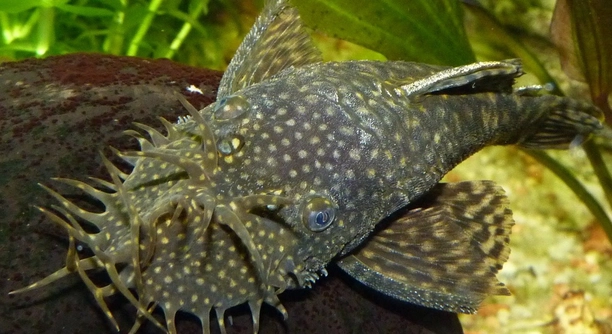
Do you ever notice how bristlenose plecos seem to glide quietly along the tank walls while other fish dart around more nervously? Many fish owners watch them carefully, appreciating their calm nature and hard-working habits in home aquariums.
Bristlenose plecos typically outlive many common freshwater fish due to their hardy physiology and low-stress behavior. They can live up to 10-15 years in proper conditions, surpassing species such as tetras, guppies, and mollies in longevity.
Their surprising lifespan often makes them a favorite among aquarists who value both low-maintenance care and long-term companionship in the tank environment.
Factors That Affect Bristlenose Pleco Lifespan
Bristlenose plecos are hardy fish, but their lifespan can vary depending on several key factors. Water quality is the most important element; keeping the tank clean and maintaining stable parameters helps prevent stress and illness. Temperature should be consistent, ideally between 73 and 81°F, as fluctuations can weaken their immune system. Diet also plays a major role—feeding a mix of algae wafers, vegetables, and occasional protein ensures they get all necessary nutrients. Overcrowding in the tank can lead to competition for food and space, which may shorten their lifespan. Providing hiding places and driftwood allows them to feel secure, reducing stress levels. Even though bristlenose plecos are resilient, neglecting these basic conditions can still lead to early health problems. Paying attention to these factors will give them the best chance to live a long, healthy life.
Proper water care and diet directly impact their longevity, making consistent attention crucial for thriving plecos.
Observing your plecos daily reveals their habits and health. They are sensitive to poor water conditions, often hiding or reducing activity. Providing a stable environment, hiding spots, and balanced food encourages natural behavior. Small changes, like fresh vegetables or driftwood additions, can improve their well-being.
Comparing Lifespan With Other Fish
Bristlenose plecos tend to live longer than many small tropical fish, such as tetras, guppies, and mollies. Their robust health and slow metabolism contribute to extended life, making them a dependable addition to a community tank. While smaller fish may only live two to five years, plecos often surpass a decade under good conditions.
Understanding why plecos live longer involves looking at their care requirements and natural traits. Unlike some fish that are sensitive to water changes or temperature swings, bristlenose plecos tolerate a range of conditions. They graze continuously on algae, which provides a steady source of nutrients, supplemented with vegetables and protein. Stress is another factor; plecos are generally calm and less likely to fight or panic in the tank, unlike more active or territorial species. Their armored bodies also offer protection against minor injuries, giving them an advantage in mixed tanks. Regular maintenance, proper diet, and a well-structured environment allow them to outlive other common freshwater fish. Choosing bristlenose plecos for your aquarium can be rewarding because their longevity offers consistent enjoyment and reduces the frequency of replacements often needed for shorter-lived species.
Common Health Issues in Bristlenose Plecos
Bristlenose plecos are generally hardy, but they can face problems like fin rot, ich, and digestive issues. Poor water quality and improper diet are usually the main triggers. Keeping the tank clean and providing a balanced diet helps prevent most health concerns effectively.
Stress from overcrowding or sudden environmental changes can also make plecos susceptible to illness. Fin rot often appears as ragged or discolored fins and is usually caused by bacterial infections. Ich presents as white spots on the body and requires prompt treatment to prevent spreading. Digestive issues can occur if they are fed too much protein or processed food without enough vegetable matter. Observing your pleco’s behavior and body condition daily helps catch early signs of disease. Simple measures like water testing, partial water changes, and offering varied vegetables like zucchini or spinach can keep them healthy.
Preventing health issues starts with stable tank conditions, quality food, and consistent observation. Small adjustments in care often lead to significant improvements in lifespan and activity.
Feeding and Nutrition
Bristlenose plecos need a diet rich in plant matter but also benefit from occasional protein. Algae wafers, fresh vegetables, and small amounts of protein like shrimp or bloodworms ensure balanced nutrition.
A common mistake is relying solely on algae wafers or letting them eat only what grows in the tank. While algae is a staple, vegetables like cucumber, zucchini, and spinach provide essential fiber and vitamins. Protein should be offered sparingly, as too much can cause digestive problems or obesity. Feeding small amounts two to three times a day prevents overeating and keeps water cleaner. Some plecos enjoy sinking pellets or occasional blanched vegetables to mimic natural grazing. Monitoring their appetite and adjusting portions helps maintain a healthy weight. Nutritional variety also encourages natural behavior, keeping plecos active and engaged in the tank. Proper diet directly supports longevity, immune strength, and overall vitality in these hardy fish.
Tank Environment Essentials
Bristlenose plecos thrive in tanks with plenty of hiding spots, driftwood, and smooth surfaces. Stable water parameters, gentle filtration, and moderate lighting reduce stress and support natural behaviors. Regular cleaning ensures a healthy habitat and prevents disease buildup.
Providing natural decorations and secure spaces allows plecos to explore and rest comfortably. Avoid overcrowding and sharp objects that can injure their fins or body. Driftwood not only gives them shelter but also aids digestion by releasing beneficial tannins. Observing their use of the environment helps ensure they feel safe and remain active.
Water Quality Maintenance
Regular water testing and partial water changes are essential for pleco health. Maintaining pH around 6.5–7.5 and keeping ammonia, nitrite, and nitrate levels low prevents stress and disease.
Dirty water can quickly lead to infections or shortened lifespans. Plecos are sensitive to sudden changes, so consistent maintenance is key. Filters should be cleaned monthly, but avoid washing beneficial bacteria away. Dechlorinated water helps maintain safe chemical levels, while weekly 20–30% water changes remove waste effectively. Testing kits allow precise monitoring of hardness and pH, ensuring conditions remain within safe ranges. Temperature consistency, ideally 73–81°F, supports metabolism and immune function. Proper water care promotes healthy growth, longevity, and vibrant coloration, making it a cornerstone of pleco care.
Social Behavior
Bristlenose plecos are generally peaceful but benefit from solitary or small-group housing. Excessive competition can cause stress and aggression, affecting their health and longevity.
FAQ
How long do bristlenose plecos usually live?
Bristlenose plecos typically live between 10 and 15 years when kept in proper conditions. Their longevity is due to hardy physiology, low stress levels, and a diet that meets their nutritional needs. Regular tank maintenance and careful observation of health further support a long lifespan.
Can bristlenose plecos live with other fish?
Yes, they are generally peaceful and can coexist with many community fish. Avoid aggressive or very territorial species that may harass them. Providing hiding spots and sufficient space reduces stress and ensures plecos maintain their calm behavior in a shared tank.
What is the best diet for bristlenose plecos?
A diet rich in vegetables like zucchini, cucumber, spinach, and occasional protein treats like shrimp or bloodworms keeps them healthy. Algae wafers are useful as a staple, but variety is important to prevent nutritional deficiencies and digestive problems. Feeding small portions two to three times daily works well.
Do bristlenose plecos need driftwood in their tank?
Yes, driftwood is beneficial. Plecos rasp on it, which aids digestion, and it also provides hiding spaces. The tannins released can slightly lower pH, mimicking their natural environment, which helps reduce stress and promotes healthy behavior.
How often should I clean the tank?
Partial water changes of 20–30% weekly are ideal. Regularly test ammonia, nitrite, nitrate, and pH levels to maintain a stable environment. Clean the filter monthly, but avoid removing all beneficial bacteria. Consistent maintenance reduces disease risk and supports overall health.
Why is my bristlenose pleco hiding constantly?
Hiding is normal, especially during the day since they are nocturnal. Persistent hiding could indicate stress, illness, or poor water conditions. Ensure the tank has clean water, stable temperature, and plenty of hiding spots to make them feel secure.
Can bristlenose plecos overeat?
Yes, overfeeding can lead to obesity and digestive problems. Stick to small portions appropriate for their size, and avoid feeding high-protein foods too often. Vegetables and algae wafers should form the bulk of their diet to maintain good health.
What are signs of illness in bristlenose plecos?
Look for ragged fins, white spots, bloating, unusual swimming patterns, or loss of appetite. Early detection is crucial. Prompt water testing, partial changes, and appropriate treatment prevent conditions from worsening and support recovery.
Do bristlenose plecos need a heater?
They prefer temperatures between 73–81°F. In cooler climates or unheated rooms, a heater helps maintain stable temperatures. Avoid sudden changes, as they can stress the fish and weaken their immune system.
How big do bristlenose plecos get?
They usually reach 4–6 inches in length. Size may vary slightly based on diet, tank size, and genetics. Adequate space and proper nutrition are key for healthy growth.
Are bristlenose plecos active during the day?
They are mostly nocturnal and more active at night. During the day, they often rest in hiding spots or cling to surfaces. Nighttime activity includes grazing on algae and exploring the tank, which is normal behavior.
Is it necessary to quarantine new fish with plecos?
Yes, quarantining new fish helps prevent disease introduction. Plecos are hardy but can still be affected by infections from new tank mates. A two-week quarantine period is usually sufficient to monitor for illness.
Can bristlenose plecos reproduce in home tanks?
Yes, with the right conditions. They require hiding spaces like caves and clean water. Males guard the eggs, and fry may need separate care to prevent predation from other fish in the tank. Proper diet supports successful breeding.
Do plecos need supplements?
Generally, a balanced diet of vegetables, algae, and occasional protein is enough. Calcium-rich foods like blanched spinach or cuttlebone can help with skeletal health. Supplements are rarely necessary if the diet is varied and nutritious.
How do I know if my pleco is happy?
Active grazing, regular use of hiding spots, and smooth skin and fins indicate good health and comfort. A pleco that explores the tank at night and interacts with decorations is likely thriving. Changes in behavior or appetite may signal stress or illness.
Can plecos survive in unheated tanks?
They can tolerate cooler temperatures but thrive in 73–81°F. Sudden drops in temperature can stress them, so heaters are recommended in cooler climates or seasonal temperature fluctuations. Consistency is more important than achieving exact temperatures.
Do bristlenose plecos need strong filtration?
Moderate filtration works best. Strong currents may stress them, making them cling to surfaces constantly. Gentle but efficient filters keep water clean without creating excessive flow, supporting healthy breathing and natural behavior.
Are bristlenose plecos prone to diseases?
They are hardy but can get ich, fin rot, or digestive problems if water quality is poor. Regular cleaning, stable conditions, and proper diet minimize disease risks. Early detection and treatment are key for long-term health.
Is tank size important for bristlenose plecos?
Yes, a tank of at least 20 gallons is recommended for a single pleco. Larger tanks allow more space, hiding spots, and better water quality, all of which support longer lifespan and overall health.
Can bristlenose plecos live without other fish?
Yes, they do well alone and do not require companions. A solitary pleco can be healthy and active, as long as the tank provides enough space, hiding spots, and enrichment like driftwood and surfaces for grazing.
Do plecos need lighting?
Moderate lighting is sufficient. Too bright lights can stress them, while dim or natural lighting encourages natural nocturnal behavior. Lights help algae growth, which they will graze on, supporting a balanced diet.
What is the easiest way to feed multiple plecos?
Provide several feeding spots in the tank. This prevents competition and ensures each pleco gets enough food. Rotate vegetables and wafers to encourage grazing and reduce waste. Observing feeding habits helps maintain proper nutrition.
How often should plecos be checked for health issues?
Daily observation is best. Check for changes in fins, color, swimming, and appetite. Early detection of illness allows for prompt action and reduces the chance of serious health problems.
Bristlenose plecos are among the most resilient fish you can keep in a home aquarium. Their calm behavior, manageable size, and relatively low-maintenance requirements make them suitable for both new and experienced fish keepers. Unlike more delicate species, they can tolerate small variations in water quality and temperature, provided the conditions are generally stable. Their long lifespan is a major advantage, allowing owners to enjoy their presence for many years without frequent replacements. Observing a healthy pleco gliding along the tank walls or rasping on driftwood can be satisfying, as it shows that the fish is comfortable and well-cared for. Investing in proper care, such as maintaining clean water, providing hiding spots, and offering a balanced diet, pays off in the form of a healthy, active pleco that adds life to the tank.
Understanding the specific needs of bristlenose plecos is essential to supporting their longevity. Their diet should focus on vegetables, algae wafers, and occasional protein, ensuring they get the nutrients needed without causing digestive issues. Overfeeding or feeding only one type of food can shorten their lifespan, so variety is important. Water quality is equally critical; regular testing, partial water changes, and careful filtration help prevent common health problems like fin rot or ich. Driftwood in the tank not only gives plecos a place to hide but also assists digestion, releasing beneficial tannins that mimic their natural environment. Even minor adjustments in care, such as monitoring temperature or providing extra hiding spots, can improve the fish’s overall well-being and increase its chances of thriving for many years.
Their social behavior and interaction with the tank environment also influence their quality of life. While generally peaceful, bristlenose plecos need space and sometimes prefer solitude or small groups to avoid stress from competition or overcrowding. Providing a structured environment with smooth surfaces, caves, and plants encourages natural behavior and reduces anxiety. Observing their habits, like nighttime grazing or resting in secure spaces during the day, helps you identify any potential issues early. In a well-maintained tank, plecos often live longer than many other freshwater fish, making them a reliable, low-stress addition to community aquariums. By focusing on proper diet, clean water, and a comfortable environment, bristlenose plecos can live a long, healthy life while contributing to the overall balance and enjoyment of the aquarium.

Hello,
If you enjoy the content that we create, please consider saying a "Thank You!" by leaving a tip.
Every little bit helps us continue crafting quality advice that supports the health, happiness, and well-being of pets around the world, for pets of all shapes, sizes, and species.
We really appreciate the kindness and support that you show us!