Why Is My Pleco Always in the Same Corner?
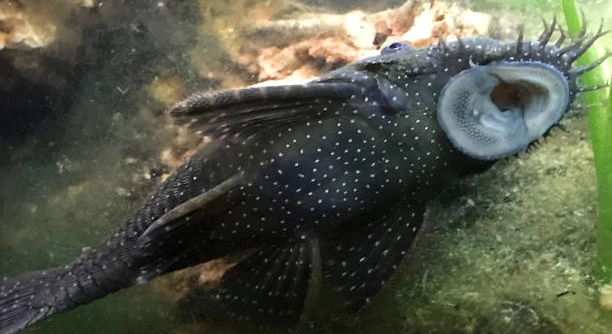
Have you ever noticed your pleco sticking to one corner of the tank, seemingly uninterested in exploring the rest of its environment? Many fish owners encounter this behavior and often feel unsure about what it means for their pet’s wellbeing. Plecos often stay in the same corner due to stress, water quality issues, insufficient hiding … Read more
Why Is My Pleco Digging Under Decorations?

Is your pleco constantly moving gravel and pushing decorations around its tank, leaving small mounds and tunnels in unexpected places? The main reason your pleco is digging under decorations is its natural instinct to seek shelter and establish a secure resting area. In the wild, plecos often burrow beneath rocks or submerged wood to feel … Read more

7 Conditions That Boost Pleco Bristle Growth

Do you ever notice your pleco’s bristles looking short or underdeveloped despite regular care? Maintaining the right environment and care routine can make a significant difference in their growth and overall health. Pleco bristle growth is strongly influenced by seven key conditions, including water quality, diet, lighting, tank size, temperature, stress reduction, and age. Each … Read more

Can Bristlenose Plecos Survive a Power Outage?

Many fish owners enjoy keeping bristlenose plecos for their calm nature and algae-eating habits. These small catfish are hardy, but their survival can be affected by unexpected changes in their environment, like power outages. Bristlenose plecos can survive short-term power outages if the water remains oxygenated and stable. Maintaining a suitable temperature, avoiding overfeeding, and … Read more

Do Bristlenose Plecos React to Sudden Sounds?

Do you ever notice your Bristlenose Pleco resting quietly at the bottom of the tank, only to react suddenly to movements around the aquarium? These fish are generally calm, but certain stimuli can trigger brief bursts of activity. Bristlenose Plecos do respond to sudden sounds, although their reactions are typically mild. Vibrations or abrupt noises … Read more

7 Ways to Make a Pleco Feel Safe Fast

Plecos are fascinating fish that thrive in calm, secure environments. Their unique behaviors and gentle nature make them a joy to keep, but they can become stressed quickly if their surroundings feel unsafe or unfamiliar. Providing hiding spots, maintaining clean water, ensuring proper tank mates, and offering a stable environment are essential for plecos. These … Read more

What’s the Right Diet for Baby Plecos?

Baby plecos are fascinating little fish that need proper care to thrive. Feeding them the right diet ensures healthy growth, strong immune systems, and vibrant colors. Understanding their nutritional needs early is key to their long-term wellbeing. The ideal diet for baby plecos consists of a balanced combination of algae, high-quality sinking pellets, and occasional … Read more

7 Signs Your Pleco Is Laying Eggs

Have you ever noticed unusual behavior in your pleco and wondered what it might mean? These fascinating fish display specific actions when they are preparing to lay eggs, often signaling changes in their routine. Plecos exhibit several clear signs when laying eggs, including increased territorial behavior, nest preparation, hiding in caves, and changes in coloration. … Read more

7 Ways to Tell Your Pleco Tank Is Overcrowded

Do you ever notice your plecos swimming restlessly or hiding more than usual in their tank? These behaviors may signal changes in their environment. Monitoring their space ensures your fish remain healthy and comfortable in their aquatic home. Overcrowding in a pleco tank can lead to stress, aggressive behavior, and reduced water quality. Recognizing signs … Read more

Can Bristlenose Plecos Learn Feeding Times?

Bristlenose plecos are popular freshwater fish known for their algae-eating habits and unique appearance. Many aquarium owners enjoy observing their behaviors and daily routines. These fish often become an engaging part of a home aquarium environment. Research indicates that bristlenose plecos can learn feeding times through consistent scheduling and environmental cues. They respond to predictable … Read more