
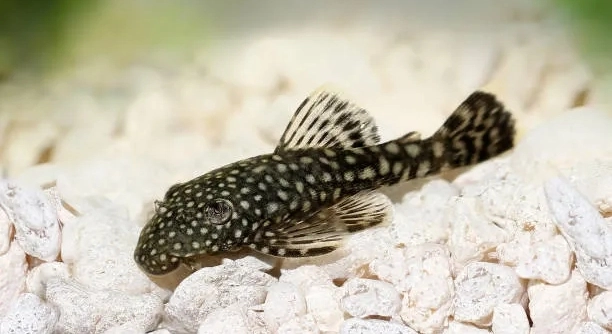
Have you ever noticed unusual behavior in your pleco and wondered what it might mean? These fascinating fish display specific actions when they are preparing to lay eggs, often signaling changes in their routine.
Plecos exhibit several clear signs when laying eggs, including increased territorial behavior, nest preparation, hiding in caves, and changes in coloration. Monitoring these behaviors allows aquarists to identify reproductive activity accurately and maintain optimal tank conditions for breeding.
Recognizing these behaviors early can help ensure your pleco’s health while supporting a safe and successful spawning process.
Increased Territorial Behavior
When a pleco is ready to lay eggs, its behavior often becomes noticeably territorial. They will guard certain areas of the tank more aggressively, chasing away other fish or staking out caves and hiding spots. This behavior helps protect potential eggs from being disturbed or eaten. Plecos may repeatedly patrol the same section of the tank, rubbing against surfaces or inspecting corners. Their movements may appear more purposeful, as if they are evaluating the space for safety and suitability. Territorial behavior can also involve physical displays, such as flaring fins or bumping into other fish. Observing these changes can help you identify when your pleco is preparing to spawn. The intensity of territoriality varies between individuals, with some becoming highly protective while others show only subtle changes. Adjusting tank conditions, like providing extra hiding spaces and maintaining stable water parameters, can support your pleco during this time and reduce stress caused by heightened competition in the tank.
Monitoring territorial behavior allows aquarists to anticipate breeding and manage tank dynamics effectively.
Providing extra caves and secure hiding spots ensures plecos can claim a safe area, reducing conflict and supporting successful egg-laying.
Nest Preparation
Plecos often prepare a specific area in the tank for laying eggs. This can involve cleaning a cave, moving small gravel pieces, or selecting flat surfaces that feel safe. They may spend hours inspecting potential spots, repeatedly entering and exiting the chosen area. Some plecos will scrape the surface of rocks or driftwood to create a smooth place for the eggs to attach. This behavior indicates that the fish is actively investing energy in reproductive readiness, and it is an essential part of the breeding process. Nest preparation can sometimes be mistaken for restlessness or unusual activity, but consistent observation usually reveals a clear pattern. Providing suitable caves, smooth surfaces, and stable water conditions encourages proper nest-building behavior. Ensuring the tank is quiet and low-stress during this period will support your pleco’s efforts and may lead to a successful spawn. Proper care during nest preparation can increase the chances of egg survival and reduce stress for both the male and female.
Careful observation of nest preparation helps confirm reproductive readiness and prevents disruption of the breeding site.
Choosing the right tank setup, with smooth surfaces and secure caves, supports natural nesting behaviors and promotes a healthier environment for plecos.
Changes in Coloration
Plecos often show subtle color changes when preparing to lay eggs. Their body may appear slightly darker or more vibrant, especially around the fins and head. These shifts signal reproductive readiness and can help identify breeding behavior in the tank.
Color changes are part of plecos’ natural reproductive signals. Males may become darker and show brighter patterns, while females sometimes develop a softer hue. These alterations help fish communicate readiness to spawn without direct confrontation. Color intensity can vary depending on species, age, and tank conditions. Noticing these differences early allows you to adjust tank care and support healthy breeding. Stress, poor water quality, or overcrowding can mute these natural changes, so maintaining ideal conditions is crucial. Tracking gradual coloration shifts alongside other behaviors, such as nest preparation and territoriality, provides a more complete picture of spawning readiness.
Monitoring coloration also helps identify individual fish behavior, allowing you to anticipate which plecos are likely to lay eggs. Observing these subtle changes ensures you respond appropriately to their needs.
Hiding and Resting Patterns
Plecos may spend more time in caves or behind decorations when preparing to lay eggs. They often rest in these spaces to feel secure and avoid stress from other tank inhabitants. This behavior protects them while they focus on reproductive activities.
During this period, plecos might retreat for long stretches and become less active in open areas. Frequent hiding is a protective strategy, especially for females carrying eggs or males guarding nests. They may also shift their resting patterns, emerging mainly during feeding times or when the tank is calm. Providing multiple hiding spots reduces stress and supports natural behavior. Observing which areas plecos prefer can help optimize tank layout for breeding success. Ensuring minimal disturbance, gentle lighting, and stable water parameters encourages safe hiding and proper egg-laying activity.
Understanding these resting habits allows you to predict when your pleco is preparing for spawning and adjust care routines. Maintaining quiet, secure spaces helps promote reproductive health and reduces potential conflicts in the tank.
Cleaning Behavior
Plecos begin cleaning surfaces, especially caves or rocks, before laying eggs. This behavior ensures a clean environment for their offspring and helps prevent fungus growth on the eggs. They often use their mouths to scrape away algae or debris carefully.
This cleaning habit is a clear indicator that spawning is near. Males, in particular, focus on maintaining the nest area, keeping it spotless to attract the female. Consistent cleaning of one specific area usually signals that eggs will soon be laid.
Guarding the Nest
After laying eggs, plecos, especially males, become extremely protective of the nest. They guard the site closely, fanning the eggs with their fins to keep water flowing and oxygen circulating. This behavior helps ensure the developing eggs remain healthy and free from fungus.
During this stage, the guarding pleco may rarely leave the nest, even refusing food at times. It is essential not to disturb them, as stress can cause the parent to abandon or eat the eggs. Maintaining stable tank conditions and minimizing noise or movement around the aquarium encourages successful hatching. Careful observation during this period helps ensure the fry’s survival.
Reduced Activity
Plecos may appear less active before and after laying eggs. This energy conservation supports reproductive health and allows them to focus on nesting or guarding behavior. Temporary inactivity during this phase is entirely normal and part of their natural breeding rhythm.
FAQ
How often do plecos lay eggs?
Plecos do not breed as frequently as livebearers. Most species spawn only a few times per year under the right conditions. The frequency depends on water quality, temperature, diet, and the overall health of the pair. When conditions are ideal—stable temperature, proper hiding spaces, and balanced nutrition—females can lay eggs several times annually. However, stress or poor tank maintenance can delay or stop breeding altogether. Once the female has laid her eggs, it typically takes several weeks before she becomes ready to spawn again. Observing her behavior and ensuring the male is not overworked guarding nests will promote a healthy breeding cycle.
How many eggs can a pleco lay at once?
The number of eggs laid depends heavily on the species and age of the pleco. Common plecos may produce up to 300 eggs in a single spawning, while smaller species like bristlenose plecos may lay between 50 and 200. Younger or first-time breeders usually produce fewer eggs. The eggs are often clustered together inside a cave or a carefully cleaned surface, where the male guards and fans them. The number may increase as the plecos mature and become more experienced at breeding. Consistent nutrition and a calm environment also play a major role in egg production and hatch success.
What do pleco eggs look like?
Pleco eggs are small, round, and slightly sticky. They range in color from bright yellow to orange and usually stick together in clusters. These eggs are typically deposited inside caves or under decorations where they remain protected from other tank mates. Healthy eggs maintain a solid color and firm texture, while unfertilized or dead eggs turn opaque or white. Observing the eggs closely allows aquarists to remove any that appear unhealthy to prevent fungus from spreading. The eggs usually hatch within four to ten days, depending on species and temperature.
How can I tell if my pleco eggs are fertilized?
Fertilized pleco eggs appear vibrant and translucent, often showing tiny developing embryos inside after a few days. Unfertilized eggs turn white, cloudy, or fuzzy, signaling fungal growth or decay. Males actively fan the eggs to maintain oxygen flow and reduce the risk of fungus forming. If you notice the male abandoning the eggs early, it may indicate most are unfertilized or unhealthy. Maintaining good water quality and proper aeration helps increase the survival rate of fertilized eggs. Consistent observation during the incubation period can prevent loss and support healthy fry development.
Should I separate pleco eggs from other fish?
Yes, separating pleco eggs or breeding pairs from community tanks is often recommended. Other fish may eat the eggs or stress the parents, leading to unsuccessful hatching. Using a dedicated breeding tank or partition helps protect the nest. If moving the eggs, do so gently with a soft tool or small container to avoid damage. Ensure the new tank mirrors the same water temperature and pH to reduce stress. Some aquarists prefer leaving the eggs with the male if he is calm and protective, as his fanning helps maintain oxygen and prevents fungal growth.
How long do pleco eggs take to hatch?
Pleco eggs generally hatch within four to ten days, depending on species and temperature. Warmer water speeds up development, while cooler temperatures slow it down. After hatching, the fry remain in the nest for several days, absorbing their yolk sacs before becoming free-swimming. During this stage, avoid disturbing the tank, as sudden changes can harm the delicate fry. Once the yolk sac is absorbed, they begin searching for food, usually small algae or specialized fry food. Keeping the tank clean and maintaining a gentle water flow ensures a smooth transition to independent feeding.
What should I feed pleco fry after they hatch?
Pleco fry start feeding once they consume their yolk sacs, usually three to five days after hatching. They thrive on soft algae, blanched vegetables, and finely crushed sinking pellets. Providing a constant food source near their hiding area encourages growth and prevents starvation. Many aquarists also add small pieces of driftwood, which helps fry develop healthy digestion. Frequent small feedings are better than large ones, as leftover food can quickly foul the water. Gradually introducing more variety as they grow supports balanced nutrition and helps them develop strong coloration and structure.
Do plecos eat their own eggs?
In most cases, male plecos protect their eggs rather than eat them. However, if the male feels stressed or if tank conditions worsen, he may consume them to prevent disease from spreading or due to instinctive behavior. Poor water quality, overcrowding, or bright lighting can increase this risk. Keeping the environment calm and consistent reduces stress and helps the male maintain his protective role. If egg-eating persists, consider separating the eggs or improving environmental factors. Stable conditions and proper hiding spaces usually prevent this issue and lead to successful hatching.
When can pleco fry be moved to a main tank?
Pleco fry should remain in a separate rearing tank until they reach about one inch in length. At this size, they are strong enough to handle the currents and competition in a community aquarium. Introducing them too early may result in injury or starvation, as adult fish may outcompete them for food. Gradual acclimation helps them adjust to the main tank’s water conditions without stress. When moving them, use gentle netting or a container to avoid harm. Monitoring their growth and ensuring stable parameters ensures the fry transition safely to their new environment.
Final Thoughts
Understanding the signs that your pleco is laying eggs can make a significant difference in how well you care for them during this special stage. These fish are naturally shy and protective, so noticing small behavioral changes can reveal a lot about what is happening. Territorial behavior, cleaning, and hiding are not random actions—they are essential parts of their reproductive routine. By paying close attention to these habits, you can support your plecos’ natural instincts and help ensure a smoother breeding process. It is also important to maintain stable water conditions, provide clean caves or surfaces, and avoid sudden tank changes, as these factors can disrupt spawning and stress the fish. Plecos thrive in calm, clean environments, and when they feel secure, their breeding behaviors become clearer and easier to manage.
Caring for plecos during breeding requires patience and consistency. It can be tempting to interfere when you see them guarding eggs or hiding more often, but giving them space is usually the best approach. Disturbing them too much can lead to egg loss or stress-related illness. Instead, focus on providing quiet surroundings and a balanced diet to support both the male and female. Fresh vegetables, sinking pellets, and algae wafers are excellent options. During this time, keeping the water well-oxygenated is also essential, as plecos rely on steady water flow to keep their eggs healthy. If you observe the male fanning the eggs, it means he is ensuring they receive enough oxygen and preventing fungal growth. Small, consistent water changes and minimal handling of tank decorations will help maintain a stable environment throughout the breeding cycle.
Watching your pleco care for its eggs and eventually seeing tiny fry emerge can be a rewarding experience. It gives you a deeper appreciation for these resilient and fascinating fish. While breeding may not always go perfectly the first time, each attempt provides valuable insight into their needs and behaviors. Over time, you will learn to recognize the early signs of egg-laying and know how to respond calmly and effectively. Maintaining patience, gentle care, and a clean habitat will help ensure long-term success. Remember that every pleco pair has its own rhythm, and giving them the right balance of care and space will make a noticeable difference. With time and observation, you can create a peaceful environment where your plecos can breed confidently and thrive in your aquarium.

Hello,
If you enjoy the content that we create, please consider saying a "Thank You!" by leaving a tip.
Every little bit helps us continue crafting quality advice that supports the health, happiness, and well-being of pets around the world, for pets of all shapes, sizes, and species.
We really appreciate the kindness and support that you show us!