
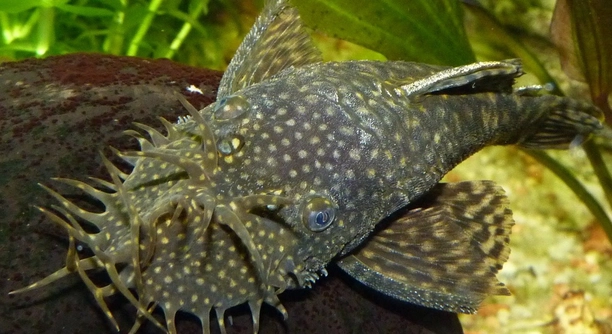
Do you ever notice your Bristlenose Pleco resting quietly at the bottom of the tank, only to react suddenly to movements around the aquarium? These fish are generally calm, but certain stimuli can trigger brief bursts of activity.
Bristlenose Plecos do respond to sudden sounds, although their reactions are typically mild. Vibrations or abrupt noises can cause them to swim quickly or retreat to hiding spots, reflecting an instinctive response to potential threats in their environment.
Understanding their reactions can help maintain a peaceful tank. Observing these subtle behaviors ensures a healthier and less stressful environment for your Pleco.
How Bristlenose Plecos Sense Sound
Bristlenose Plecos have a unique way of detecting sound in their environment. Unlike mammals, they do not have external ears. Instead, they rely on a lateral line system, which is a series of sensory organs along their body. This system picks up vibrations in the water, allowing them to sense sudden movements or disturbances. Even small noises, such as tapping on the tank glass or moving decorations, can trigger a reaction. These fish are naturally cautious, so abrupt sounds can startle them and cause them to swim quickly or hide. Observing how your Pleco responds to these noises can reveal its comfort level in the tank. Over time, they may become more accustomed to regular household sounds, reducing stress. Creating a stable environment with minimal loud interruptions can help maintain their calm behavior and support their overall well-being.
Bristlenose Plecos are more sensitive to vibrations than loud noises. Their reactions are brief but noticeable.
Understanding these responses allows aquarists to reduce stress and create a more peaceful habitat. Consistent observation can reveal patterns, helping to anticipate reactions to sudden changes. Adjusting tank setup and handling practices ensures a healthier and less reactive Pleco. They benefit from quiet periods, hiding spots, and gentle interactions, which all contribute to their sense of security. With attention to these details, you can maintain a calm and thriving environment for your Pleco.
Common Sounds That Startle Plecos
Daily activities around the aquarium can trigger Plecos’ responses.
Household noises like slamming doors, dropping objects near the tank, or sudden movements can startle Bristlenose Plecos. They may dart to the nearest hiding place or press against tank decorations for protection. Even minor vibrations, such as walking heavily near the tank or adjusting equipment, can cause noticeable reactions. While these fish are resilient, frequent disturbances may increase stress levels, affecting feeding habits and overall health. Reducing sudden sounds and maintaining consistent background noise can help them adjust. By placing the tank in a quieter area and ensuring decorations are secure, aquarists can limit unnecessary stress. Additionally, monitoring reactions during routine maintenance or feeding times allows owners to understand which stimuli are most impactful. Over time, this observation fosters a more predictable and calm environment, helping Bristlenose Plecos feel safe, remain active during appropriate times, and display natural behaviors without frequent interruptions.
How Plecos React to Sudden Sounds
Bristlenose Plecos usually respond to abrupt noises by darting quickly or retreating into hiding spots. Their reactions are brief but can be repeated if the sound persists, reflecting their instinctive caution and sensitivity to vibrations in the tank.
These fish rely heavily on their lateral line system, which detects water movement and vibrations. When a sudden sound occurs, such as tapping on the tank or dropping objects nearby, Plecos can become startled. Their reaction may include swimming rapidly across the tank, pressing against decorations, or hiding. Over time, repeated exposure to harmless sounds can help them adjust, though they remain naturally alert. Observing these responses provides insight into their comfort level and helps prevent stress-related behaviors.
Stress from sudden sounds can impact feeding and social interactions. When Plecos feel threatened, they may avoid areas of the tank where noises occur. Minimizing loud disturbances and creating multiple hiding spots allows them to feel secure. Gradual exposure to consistent sounds can improve their adaptation, encouraging natural behavior while reducing unnecessary stress. Proper monitoring ensures the Plecos remain active and healthy despite occasional disturbances in their environment.
Reducing Stress from Noises
Limiting loud and abrupt sounds around the tank protects your Plecos’ well-being.
Placing the tank in a low-traffic area reduces frequent disturbances. Sudden household noises, like door slams or object drops, can cause repeated stress reactions. Ensuring decorations are stable prevents extra vibrations, while hiding spots provide refuge. Over time, consistent care helps Plecos remain calmer.
Observing your Plecos’ responses to different sounds allows you to identify triggers. Adjusting the tank environment, including softening background noise and stabilizing equipment, reduces stress. Maintaining a predictable routine for feeding and cleaning also helps them feel secure. Quiet interactions and careful handling during maintenance minimize startling them. These measures support natural behaviors, such as grazing and exploring, while promoting long-term health. By creating a stable and calm habitat, Plecos can adapt more effectively to unavoidable household sounds without excessive stress.
Signs Your Pleco Is Startled
Rapid swimming or sudden hiding are common signs. Plecos may press against decorations or the tank glass after loud noises, showing they are reacting to unexpected disturbances.
Changes in feeding behavior can also indicate stress. A Pleco that normally eats steadily might pause or retreat when startled, reflecting its cautious nature.
Habituation to Household Noises
Over time, Bristlenose Plecos can become accustomed to regular sounds. Repeated exposure to consistent noises, such as background music or light tapping near the tank, can reduce sudden stress responses. Gradual exposure helps them recognize which stimuli are harmless, improving their comfort and activity levels.
Creating a Calm Environment
Providing hiding spots and stable tank décor reduces stress. Quiet handling and consistent routines further support a Pleco’s sense of security.
FAQ
Do Bristlenose Plecos get scared easily?
Yes, Bristlenose Plecos can be startled by sudden sounds or vibrations. They are naturally cautious fish, relying on their lateral line system to detect disturbances. Quick movements, tapping on the tank, or loud noises can cause them to dart or hide. Over time, they may become accustomed to predictable sounds, but sudden changes will still trigger a reaction.
How do I know if my Pleco is stressed by noise?
Signs of stress include hiding more than usual, rapid swimming, or reduced feeding. A stressed Pleco may cling to tank surfaces or avoid areas near the source of noise. Observing patterns after household activities helps identify triggers, allowing adjustments to reduce disturbances. Multiple hiding spots and a stable tank setup help them feel secure.
Can Plecos adapt to a noisy environment?
Yes, they can gradually adapt if the noises are consistent and non-threatening. Gradual exposure to household sounds allows them to learn which vibrations are harmless. Over weeks, their reactions may become less frequent, though sudden, unexpected sounds may still startle them. Maintaining a calm routine accelerates this adaptation process.
Do Plecos need hiding spots for security?
Absolutely. Hiding spots are essential for their sense of safety. Rocks, driftwood, and caves provide refuge after sudden noises. Even in a quiet tank, Plecos naturally retreat to these areas. A well-decorated tank with multiple hiding options helps reduce stress and encourages natural behavior, including resting and grazing.
Will tapping on the glass harm my Pleco?
Repeated tapping is not harmful physically, but it can cause stress. Plecos may react by darting, pressing against decorations, or hiding. Over time, frequent stress can affect feeding and general health. Limiting tapping and loud interactions near the tank ensures a healthier, calmer environment for your fish.
How loud is too loud for a Pleco?
Plecos are sensitive to vibrations more than volume, so even moderate sounds can startle them if sudden. Household noises like slamming doors, dropping objects, or banging nearby equipment can trigger reactions. Minimizing sudden disturbances and ensuring decorations are stable reduces unnecessary stress and helps them feel secure.
Do Plecos react differently during the day versus night?
Yes, Plecos are primarily nocturnal, so they are more active at night. During the day, they often rest and may hide. Sudden daytime noises can startle them more than nighttime sounds, as they are less active and more vulnerable. Nighttime disturbances may also affect sleep and overall well-being.
Is it okay to gradually get my Pleco used to sounds?
Yes, gradual exposure is effective. Introducing consistent, non-threatening noises slowly helps them recognize safety. Start with low-level sounds and increase slightly over time. Combine this with secure hiding spots and a predictable routine. This approach reduces stress responses while maintaining their natural behavior patterns.
Can stress from sound affect a Pleco’s health?
Chronic stress can impact feeding, growth, and immunity. Frequent startling or lack of safe spaces may lead to behavioral changes or illness. Minimizing abrupt noises and providing a calm, stable tank environment supports both mental and physical health, ensuring the Pleco remains active and healthy.
Should I move the tank to a quieter room?
If household noises are frequent, relocating the tank can reduce stress. Low-traffic areas with minimal vibrations provide a more secure environment. Stable decorations, hiding spots, and gentle handling further enhance comfort. Quiet surroundings support natural behaviors, reduce stress reactions, and promote overall health.
How can I tell if my Pleco has adapted to sounds?
Signs include reduced hiding after noises, continued feeding, and calmer swimming behavior. They may explore the tank despite minor disturbances and show fewer sudden reactions. Regular observation helps track adaptation, ensuring they feel secure while maintaining healthy activity patterns.
Are some Plecos more sensitive than others?
Yes, individual temperament varies. Some Bristlenose Plecos may startle easily, while others are more tolerant. Genetics, previous environment, and age influence sensitivity. Providing a stable tank with hiding spots benefits all fish, but particularly sensitive individuals require careful monitoring and minimal disturbances.
Can I use soft background noise to help Plecos adjust?
Soft, consistent background sounds like gentle music or white noise can aid adaptation. The key is predictability. Constant low-level noise helps Plecos distinguish safe stimuli from threats. Combine this with routine feeding, calm handling, and secure hiding spots to maintain a stress-free environment while supporting natural behavior.
Do Plecos respond to my presence near the tank?
Yes, they can detect vibrations from movement near the tank. Rapid movements, tapping, or leaning on the tank may startle them. Gentle, predictable presence allows them to feel safe and reduces stress. Observing their reactions helps tailor your interactions to minimize disturbance.
Can Plecos forget frightening sounds over time?
They can gradually learn that repeated non-threatening noises are safe. Habituation reduces stress reactions, but sudden or unusual sounds may still trigger a response. Consistency, calm handling, and secure hiding spots support this learning process, helping them adapt to daily household activity.
Do Plecos react to other fish making noise?
Yes, vibrations from active tank mates can startle Plecos. Fast-swimming or bumping fish can create sudden disturbances. Providing enough space, hiding spots, and stable decorations ensures they feel secure despite other fish activity. Proper observation helps maintain balance in the tank ecosystem.
What should I do if my Pleco seems constantly stressed?
Evaluate the tank setup for loud or sudden disturbances, unstable décor, or insufficient hiding spots. Minimize noise, provide secure refuges, and maintain a calm routine. Monitor feeding, swimming, and interaction patterns. Consulting experienced aquarists or veterinarians can provide further guidance if stress persists.
Are younger Plecos more sensitive to sound than adults?
Juveniles are often more reactive due to inexperience. They may startle easily and hide more frequently. Adults usually adapt faster but can still respond to sudden noises. Providing a stable environment with hiding spots benefits Plecos of all ages, ensuring a calmer, healthier tank atmosphere.
Can stress from noise affect breeding behavior?
Yes, stress can disrupt mating and egg-laying behavior. Calm, secure environments are essential for breeding success. Reducing disturbances, providing hiding spots, and maintaining consistent routines help Plecos feel safe enough to engage in natural reproductive behaviors.
Does the type of tank décor influence reactions?
Yes, solid hiding spots like caves, driftwood, or dense plants reduce stress. Open tanks with few refuges make Plecos more exposed and reactive. Proper decoration placement absorbs vibrations and provides retreat areas, which decreases startling responses and promotes normal activity patterns.
How long does it take for a Pleco to adapt to common household sounds?
Adaptation varies but generally takes several weeks of consistent exposure. Gradual, predictable noises combined with secure hiding spots help them learn safety cues. Individual temperament affects the timeline, so careful observation and patience are essential to ensure successful adaptation.
Can vibrations from tank equipment bother Plecos?
Yes, poorly positioned filters, pumps, or air stones can create constant vibrations. Adjusting or stabilizing equipment reduces unnecessary stress. Smooth water flow, secure placement, and consistent maintenance help Plecos feel safe and minimize reactions to mechanical noise.
Is it normal for Plecos to react more in new environments?
Yes, relocation or new tanks increases sensitivity. Sudden noises, movements, or unfamiliar surroundings can cause frequent hiding. Allowing time to acclimate, providing multiple hiding spots, and minimizing disturbances supports adjustment and reduces stress during the transition.
Do Plecos recognize repeated sounds over time?
Yes, repeated, harmless sounds become familiar. Habituation reduces stress responses, and they may continue normal activities despite minor disturbances. Consistency and calm handling encourage this recognition, fostering a more secure and predictable environment.
Can I use this knowledge to improve my Pleco’s daily care?
Absolutely. Understanding their sensitivity helps optimize tank placement, décor, routine, and interaction. Minimizing sudden noises, providing hiding spots, and observing behavior promotes well-being, natural activity, and a calmer, healthier Pleco in your aquarium.
This FAQ provides a thorough understanding of Bristlenose Plecos’ reactions to sound, helping ensure their comfort and health in a home aquarium.
Final Thoughts
Bristlenose Plecos are generally calm, peaceful fish, but they are naturally sensitive to sudden sounds and vibrations. Their lateral line system allows them to detect changes in their environment, and this ability helps them react quickly to potential threats. These reactions are instinctive and not signs of weakness. In a home aquarium, everyday household noises such as tapping on the glass, dropping objects near the tank, or moving decorations suddenly can trigger a Pleco to dart or retreat. Even though these responses may seem dramatic at first, they are brief, and the fish often return to normal behavior once the perceived threat has passed. Observing these reactions can provide insight into your Pleco’s comfort level and help you make small adjustments to their environment to reduce stress. Over time, Plecos may become accustomed to consistent, harmless noises, which helps them remain calmer and more relaxed in their habitat.
Providing a stable and secure environment is one of the most effective ways to ensure your Pleco’s well-being. Multiple hiding spots, such as caves, rocks, or driftwood, give them a sense of security where they can retreat after being startled. Keeping decorations and equipment stable prevents unnecessary vibrations in the water. Quiet handling and predictable routines for feeding and maintenance further reduce stress. Even subtle changes, like moving near the tank or making sudden movements, can startle them if they are not accustomed to it. Monitoring how your Pleco reacts to different stimuli allows you to understand its behavior and identify patterns. Some Plecos may be more sensitive than others, and younger fish tend to react more strongly to sudden disturbances. Adjusting care to match your fish’s individual temperament promotes comfort, encourages natural behavior, and helps maintain their health in the long term.
Stress from frequent disturbances can affect feeding, growth, and general health. By minimizing abrupt sounds and providing a consistent, calm environment, you support your Pleco’s mental and physical well-being. Gradual exposure to normal household noises helps them adapt, while hiding spots and secure décor allow them to feel safe at all times. Observing their behavior, reducing unnecessary disturbances, and creating a predictable environment encourages normal activity patterns, such as grazing, exploring, and resting. Over time, these small adjustments make a noticeable difference in their comfort level and overall quality of life. Understanding your Pleco’s reactions to sound ensures that you can provide a peaceful, healthy habitat where they can thrive. Consistent care and attention to their needs allow them to live a calm, balanced, and stress-free life, even in a typical home setting.

Hello,
If you enjoy the content that we create, please consider saying a "Thank You!" by leaving a tip.
Every little bit helps us continue crafting quality advice that supports the health, happiness, and well-being of pets around the world, for pets of all shapes, sizes, and species.
We really appreciate the kindness and support that you show us!