
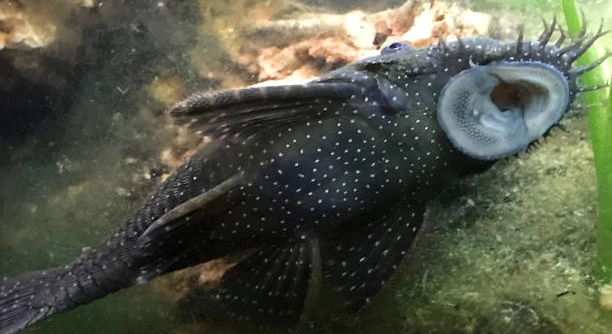
Many fish owners enjoy keeping bristlenose plecos for their calm nature and algae-eating habits. These small catfish are hardy, but their survival can be affected by unexpected changes in their environment, like power outages.
Bristlenose plecos can survive short-term power outages if the water remains oxygenated and stable. Maintaining a suitable temperature, avoiding overfeeding, and minimizing stress are essential factors to ensure their health during periods without filtration or aeration.
Knowing how to prepare your tank and care for your pleco during interruptions can prevent unnecessary stress and health problems for your fish. Proper planning ensures a safe environment even when power is unavailable.
How Power Outages Affect Bristlenose Plecos
When the power goes out, the biggest concern for bristlenose plecos is oxygen. These fish rely on a constant flow of water to breathe properly. Without a filter or air pump, oxygen levels can drop quickly, especially in smaller tanks. Temperature changes can also stress plecos. Cold water slows their metabolism, while warm water reduces oxygen availability. Another factor is waste buildup. Normally, filters remove ammonia and nitrites from the water, but during an outage, these compounds can accumulate. Algae-eating plecos may continue to nibble, but leftover food and fish waste can create harmful conditions. It’s important to monitor the water closely and minimize feeding. Plecos are more resilient than some tropical fish, but long outages still pose a risk. Taking preventive steps, like using battery-operated air pumps or moving them to a temporary container with oxygenated water, can keep them safe. Knowing your tank’s limits helps you react calmly during interruptions.
Short outages are usually manageable if water conditions remain stable and oxygen is available through temporary means.
To protect plecos during power interruptions, consider having extra supplies ready. Battery-powered air pumps, portable filters, or even ice packs for temperature regulation can help maintain stable conditions. It is also wise to avoid overfeeding just before an outage since uneaten food can foul water quickly. Observing the fish closely allows early signs of stress to be noticed, such as hiding, lethargy, or rapid gill movement. Ensuring your tank is not overcrowded reduces oxygen demand, giving plecos a better chance to survive until power is restored. Preparing in advance reduces anxiety for both the fish and the owner, ensuring the plecos remain healthy during unexpected disruptions. Taking these steps turns a stressful situation into a manageable one. Planning and awareness are key to keeping bristlenose plecos safe in a powerless tank.
Signs of Stress in Bristlenose Plecos
Rapid gill movement, unusual hiding, and decreased appetite are common indicators of stress in plecos.
Stress can affect a pleco’s immune system, making it more susceptible to disease. During a power outage, oxygen depletion, temperature fluctuations, and water quality deterioration all contribute to stress. Recognizing these signs early is crucial for intervention. Lethargy, clamped fins, and erratic swimming are also visible indicators. By knowing how your fish normally behave, you can notice subtle changes that suggest discomfort or health risks. Stress not only impacts immediate survival but can lead to long-term health problems if repeated outages occur. Simple measures like moving plecos to a temporary oxygenated container, adding water aeration, or adjusting water temperature slightly can reduce stress. Prompt action ensures plecos recover faster once normal conditions return. Consistent observation and preparedness are the best defenses against the negative effects of power interruptions, keeping your plecos safe and healthy over time.
Preparing Your Tank for Outages
Keeping extra batteries for air pumps and having a portable filter can make a big difference during power outages. Regularly checking water parameters helps you know when intervention is needed.
A simple step to protect bristlenose plecos is ensuring oxygenation continues even without electricity. Battery-operated air stones or small manual pumps can maintain water movement and oxygen levels. Cleaning the tank before a potential outage reduces excess waste that could quickly harm the fish. Monitoring temperature is also key; using ice packs or warm water bottles can prevent harmful fluctuations. Preparing these tools in advance makes managing outages less stressful and keeps your plecos healthier.
Stocking spare water, such as conditioned tap water, is another precaution. It allows for quick partial water changes if conditions worsen. Avoid feeding too much before an outage since leftover food accelerates ammonia buildup. Observing your plecos’ behavior regularly helps you spot stress early, allowing timely action. Simple preparation steps can prevent serious problems during unexpected power interruptions.
Emergency Measures During Outages
Aeration and temperature control are the most critical factors during a power outage.
When an outage lasts more than a few hours, immediate measures are necessary. Using a battery-powered air pump or air stone keeps oxygen levels from dropping dangerously low. Moving plecos to a smaller container with highly oxygenated water can also reduce stress. For temperature control, insulated boxes or water bottles can help maintain stable conditions. Limiting activity in the tank by removing strong currents or bright lights minimizes energy demands on the fish. These steps prevent serious health issues and ensure the plecos survive until power is restored.
It is also important to monitor water quality during extended outages. Ammonia and nitrite levels can rise quickly without filtration. Performing small water changes using pre-conditioned water helps maintain a safer environment. Avoid overfeeding entirely during this period to reduce waste buildup. Observing plecos for signs of stress, such as rapid gill movement or lethargy, allows for timely intervention. By combining oxygenation, temperature control, and water quality management, you significantly improve the chances of your bristlenose plecos surviving longer outages safely and with minimal health impact.
Feeding During Power Outages
Avoid feeding bristlenose plecos during a power outage. Uneaten food can quickly pollute the water and worsen oxygen depletion.
If the outage is short, skipping one or two feedings is safe. Plecos can survive several days without food, and it reduces the risk of ammonia spikes in the tank.
Using Temporary Containers
Moving plecos to a small, oxygenated container can help during prolonged outages. Ensure the water is conditioned and temperature-stable. Adding an air stone or gentle aeration keeps oxygen levels sufficient, reducing stress and preventing health issues until normal tank conditions return.
Monitoring Water Quality
Check water parameters frequently. High ammonia or nitrite levels can become toxic quickly without filtration. Small, partial water changes with pre-conditioned water help maintain safe conditions and keep plecos healthy.
Reducing Stress
Minimize handling and tank disturbances. Keeping the environment calm helps plecos conserve energy and maintain normal physiological functions during power interruptions.
FAQ
How long can bristlenose plecos survive without a filter?
Bristlenose plecos can survive short periods without a filter, typically a few hours to a day, depending on tank size and oxygen levels. Larger tanks with more water volume maintain oxygen better, while small tanks are riskier. Providing aeration or moving them to a temporary container helps extend survival during longer outages.
Can I feed my pleco during a power outage?
It is better to avoid feeding plecos during an outage. Uneaten food can decay quickly, increasing ammonia levels and reducing oxygen. Plecos are hardy and can survive a few days without food. Wait until filtration and water movement are restored before resuming normal feeding.
Do bristlenose plecos need aeration during a short outage?
Yes, even short outages can reduce oxygen, especially in small or heavily stocked tanks. A battery-powered air stone or pump ensures the water remains oxygenated. For very short outages, movement in the water can maintain oxygen, but adding aeration is a safer precaution.
Will temperature changes affect my pleco?
Yes, plecos are sensitive to temperature fluctuations. Cold water slows metabolism, while warm water reduces oxygen levels. Using insulated containers or adjusting water with conditioned bottles can help maintain a safe temperature range until the power returns.
How can I reduce stress for plecos during an outage?
Stress increases when oxygen, temperature, or water quality change suddenly. Minimize handling and avoid bright lights or strong currents. Observing behavior helps identify stress early. Providing hiding spots and stable conditions can reduce anxiety and keep plecos healthier.
Are small tanks riskier than large tanks during outages?
Small tanks are more prone to oxygen depletion, ammonia buildup, and temperature swings. Larger tanks offer more stable conditions, giving plecos a better chance to survive. Preparing small tanks with aeration and conditioned water is essential if an outage occurs.
Can plecos recover after a prolonged outage?
Yes, plecos can recover if intervention is timely. Restoring filtration, aeration, and stable temperature quickly prevents long-term health problems. Water changes and monitoring behavior help them regain normal activity and appetite. Stress recovery may take a few days.
What emergency supplies should I keep on hand?
Keep battery-powered air pumps, spare batteries, pre-conditioned water, and temperature regulation tools ready. A small container for temporary relocation is useful for extended outages. Having these supplies reduces panic and ensures plecos remain safe.
Is skipping one or two feedings harmful?
No, plecos can safely go a few days without food. Skipping meals during an outage prevents water contamination and reduces stress from poor water conditions. Feed normally once the tank is stable again.
How often should I check water quality during an outage?
Check water parameters frequently, especially in small or heavily stocked tanks. Monitor ammonia, nitrite, and oxygen levels. Small partial water changes using pre-conditioned water help maintain a safer environment and prevent sudden toxic spikes.
Can I use tap water for emergency changes?
Only if it is properly conditioned to remove chlorine, chloramines, and heavy metals. Using untreated tap water can harm plecos and worsen stress during an already critical period. Always prepare emergency water in advance.
Are plecos more resilient than other tropical fish?
Bristlenose plecos are hardy compared to some tropical species. They tolerate short lapses in oxygen and temperature better, but long outages still pose risks. Proper preparation ensures their survival even in extended power interruptions.
How do I know if my pleco is stressed?
Signs include rapid gill movement, clamped fins, hiding more than usual, lethargy, or erratic swimming. Observing these behaviors early allows for quick corrective action, such as adding aeration or stabilizing temperature.
Should I move plecos to another tank during outages?
If the main tank cannot maintain oxygen or temperature, moving them to a smaller, oxygenated container is safe. Ensure the water is similar in temperature and conditioned properly. Keep disturbances minimal to reduce stress.
Can I prevent problems from recurring?
Yes, regular maintenance, monitoring water parameters, and having backup aeration and conditioned water ready can prevent major issues during future outages. Understanding your tank’s limitations is key to long-term success.
This FAQ provides practical steps and advice to handle power outages effectively, keeping bristlenose plecos safe, healthy, and stress-free even when the power goes out unexpectedly.
Final Thoughts
Bristlenose plecos are hardy fish, but like any aquatic species, they rely on a stable environment to stay healthy. Power outages disrupt this stability by reducing oxygen, changing water temperature, and allowing waste to build up. Even short outages can stress fish if proper precautions aren’t in place. Understanding how these factors affect plecos is key to keeping them safe. By planning ahead and knowing the basics of their needs, you can prevent unnecessary stress and ensure your plecos survive these interruptions without long-term health issues. Simple measures, such as keeping extra batteries, monitoring water quality, and having conditioned water ready, go a long way in protecting your fish.
During a power outage, oxygen and water quality are the most critical concerns. Plecos can survive several hours without a filter, but oxygen depletion occurs more quickly in small tanks or heavily stocked aquariums. Battery-operated air pumps or air stones help maintain oxygen levels, while moving plecos to a temporary container with oxygenated water provides a safe environment for longer outages. Temperature fluctuations are also important; water that becomes too warm reduces oxygen, while colder water slows metabolism. Using insulated containers or water bottles to stabilize temperature can prevent harm. Avoid feeding during outages because uneaten food breaks down quickly, creating harmful ammonia levels. Watching your plecos’ behavior for signs of stress allows for early intervention, keeping them healthier until normal tank conditions return.
Preparation and observation are the best tools for maintaining pleco health during power interruptions. Having emergency supplies on hand, including conditioned water, spare batteries, portable aeration devices, and a small container for temporary relocation, helps manage unexpected outages calmly and efficiently. Consistent monitoring of water parameters like ammonia, nitrite, and oxygen ensures the tank remains safe. Reducing handling and minimizing disturbances during outages helps fish conserve energy and reduces stress. Even though bristlenose plecos are resilient, prolonged exposure to poor conditions can lead to long-term health issues. By combining careful preparation, active monitoring, and timely intervention, you can maintain a stable, safe environment for your plecos and ensure they remain healthy and thriving, no matter how often power interruptions occur.

Hello,
If you enjoy the content that we create, please consider saying a "Thank You!" by leaving a tip.
Every little bit helps us continue crafting quality advice that supports the health, happiness, and well-being of pets around the world, for pets of all shapes, sizes, and species.
We really appreciate the kindness and support that you show us!