
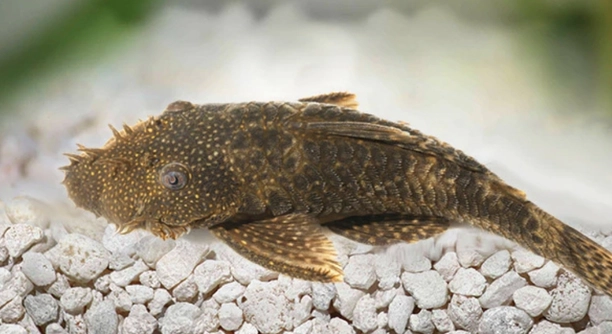
Do you ever notice your plecos swimming restlessly or hiding more than usual in their tank? These behaviors may signal changes in their environment. Monitoring their space ensures your fish remain healthy and comfortable in their aquatic home.
Overcrowding in a pleco tank can lead to stress, aggressive behavior, and reduced water quality. Recognizing signs of excessive population density is crucial, as it directly affects fish health, growth, and overall tank stability.
Understanding how to identify these warning signs will help maintain a balanced and thriving aquarium environment for your plecos and other aquatic life.
Reduced Swimming Space
Plecos are naturally active fish that need room to explore and graze. When a tank becomes overcrowded, their swimming area shrinks, and they may appear restless or bump into each other. Limited space can also affect their ability to find food, especially bottom dwellers who compete for the same spots. Overcrowding reduces oxygen circulation in certain tank areas, causing some fish to linger near the surface. Decorations and hiding spots, while essential, can exacerbate the problem if the tank is densely stocked. Observing your plecos regularly allows you to notice changes in movement patterns or increased territorial behavior. Stress from limited space may also lower immunity, leaving your fish vulnerable to disease. Adjusting stocking levels and rearranging tank elements can alleviate pressure and restore natural movement. Monitoring the water flow and ensuring proper filtration will also help maintain a balanced environment, even when space is slightly limited.
A crowded tank restricts natural movement, leading to stress, aggression, and competition among plecos. Space management is critical.
Taking steps to reorganize or reduce tank population ensures your plecos can swim freely and feed comfortably, reducing conflict and promoting healthy growth in a stable environment.
Increased Waste and Water Quality Issues
Overcrowded tanks produce more waste, including uneaten food, fish excrement, and decaying plant matter. High waste levels can rapidly degrade water quality, leading to elevated ammonia, nitrite, and nitrate levels. These chemical changes are harmful to plecos, causing stress, gill irritation, and increased susceptibility to infections. Filtration systems may struggle to maintain balance in densely stocked tanks, requiring more frequent cleaning and water changes. Uneven distribution of waste can also create pockets of poor water quality, making certain areas of the tank less hospitable. Over time, this can stunt growth, reduce appetite, and cause behavioral issues in plecos. Maintaining proper feeding practices and monitoring waste accumulation can prevent severe water problems. Observing water clarity, odor, and overall tank cleanliness will help identify overcrowding effects early. Regular testing of ammonia, nitrite, and nitrate levels ensures the environment stays safe. Addressing overcrowding prevents long-term harm and supports a thriving aquatic ecosystem.
Proper filtration and monitoring waste are essential to prevent health issues. Overcrowding makes consistent water care crucial.
Aggressive Behavior
Overcrowded pleco tanks often lead to aggression. Fish compete for hiding spots, food, and territory. Signs include chasing, fin nipping, and blocking access to preferred areas.
When plecos face limited space, their natural territorial instincts intensify. Conflicts become more frequent, and weaker or smaller fish may suffer injuries or stress. Aggression can affect feeding habits, as dominant fish monopolize food sources while others struggle. Providing multiple hiding areas helps, but overcrowding often overwhelms the available shelters. Observing interactions carefully allows you to identify individuals at risk. Adjusting population or redistributing hiding spots can reduce fights and encourage calmer behavior.
In some cases, aggression may persist despite adjustments. Overcrowding amplifies competition and stress, affecting growth and immune response. Fish may display unusual behaviors such as constant chasing or frequent retreats into corners. Maintaining proper stocking density is essential to minimize harm. Monitoring both behavior and feeding patterns allows timely intervention, ensuring a healthier, more balanced tank. Reducing density improves harmony and supports overall pleco wellbeing.
Uneven Growth and Health Issues
Overcrowding can lead to uneven growth, as some plecos dominate resources while others struggle. Smaller fish may remain underdeveloped and weaker.
Limited space and competition for food prevent equal nutrition. Faster-growing or more aggressive plecos consume more, leaving slower ones underfed. This imbalance can stunt growth and make weaker fish more susceptible to disease. Overcrowding also increases stress hormones, which impact metabolism and immunity, further affecting health. Water quality issues compound the problem, exposing fish to higher levels of toxins that hinder development. Regular observation of growth patterns and physical condition helps identify which fish are struggling. Maintaining proper feeding schedules and supplementing nutrition can mitigate some effects, but reducing density is often necessary for overall health.
Unequal access to space, food, and oxygen creates long-term health concerns. Overcrowding compromises immunity, making fish vulnerable to infections and slower to recover from illness. Monitoring growth and behavior ensures timely intervention. Addressing overcrowding promotes healthier development, better immune response, and more consistent growth across all tank inhabitants, supporting a stable and thriving pleco population.
Hiding More Than Usual
Plecos tend to hide when they feel stressed or threatened. In an overcrowded tank, they may spend most of their time in caves or under decorations, avoiding other fish and movement.
Excessive hiding limits their activity and natural behavior. Constant stress from competition or lack of space can weaken their immune system, making them more vulnerable to illness and affecting overall wellbeing.
Cloudy or Foul Water
Overcrowding increases waste buildup, which can quickly cloud water and produce unpleasant odors. Poor water conditions stress plecos and other tank inhabitants. Regular monitoring and partial water changes are essential to maintain a clean and stable environment for healthy fish growth.
Irregular Feeding Patterns
In a crowded tank, dominant plecos often eat more than their share, leaving smaller or less aggressive fish underfed. Unequal food distribution affects growth and health, requiring careful feeding strategies to ensure all fish receive proper nutrition and maintain balanced development.
Stressed Appearance
Signs of stress in plecos include faded coloration, frayed fins, and lethargy. Overcrowding amplifies these effects, reducing their natural vibrancy and indicating a need for better tank management to support healthier, more comfortable living conditions.
How do I know if my pleco tank is overcrowded?
Overcrowding can be identified through several key signs. Fish may hide excessively, swim erratically, or display aggression. Unequal growth and stress-related behaviors like faded color or frayed fins are also common indicators. Water quality issues such as cloudy water, strong odors, or rapid accumulation of waste further suggest the tank is overstocked. Observing interactions and overall behavior daily allows for early detection. Tracking fish size and monitoring feeding patterns can reveal whether certain plecos are being outcompeted for resources.
What is the ideal stocking level for plecos?
The recommended stocking density depends on the pleco species. Generally, one pleco requires at least 30–50 gallons of water. Larger species need more space, while smaller types can tolerate slightly smaller tanks. Overcrowding increases stress, aggression, and waste buildup, so adhering to proper tank capacity is essential. Proper filtration, regular water changes, and sufficient hiding spots also help maintain balance, even with multiple fish. Monitoring growth ensures adjustments can be made as fish mature.
How can I reduce stress in an overcrowded tank?
Providing multiple hiding areas and caves helps reduce conflict, giving each pleco its own territory. Spacing out decorations and creating distinct zones allows fish to establish boundaries. Maintaining clean water through regular changes and strong filtration improves oxygen levels and reduces harmful chemicals. Feeding evenly across the tank ensures all fish get adequate nutrition. Observing interactions daily helps identify aggressive individuals or those under constant stress. Sometimes, removing excess fish or upgrading tank size is necessary for long-term wellbeing.
Can overcrowding affect water quality?
Yes, high fish density produces more waste than a tank can handle. Ammonia, nitrite, and nitrate levels can rise quickly, stressing plecos and weakening their immune systems. Uneaten food and decaying plant matter worsen the problem. Strong filtration, partial water changes, and monitoring chemical levels help maintain a safer environment, but overcrowding remains a persistent challenge. Over time, poor water quality can stunt growth, cause illness, and increase mortality if not addressed.
What are the risks of ignoring overcrowding?
Ignoring overcrowding can lead to chronic stress, disease outbreaks, and even death. Aggression may result in injuries or fin damage. Smaller or weaker plecos may fail to thrive due to unequal access to food. Continuous exposure to poor water conditions affects overall health, growth, and behavior. Overcrowding disrupts natural patterns, making tank management more difficult and reducing the longevity of your fish. Prompt action is essential to prevent long-term harm.
How do I safely reduce the number of plecos?
If a tank is overcrowded, removing some fish is the safest solution. Offer them to other aquarium owners, pet stores, or local clubs. Ensure the new environment meets proper space and water quality requirements. Avoid sudden changes that could shock remaining fish. Gradual adjustments, along with water monitoring, minimize stress. Reorganizing the tank layout and cleaning filters after removal helps restore balance and promotes healthier interactions among the remaining plecos.
Are there preventive measures for overcrowding?
Preventing overcrowding starts with planning tank size based on adult pleco growth. Avoid impulse purchases, and research species-specific requirements before adding fish. Monitor growth and behavior regularly to catch early signs of stress. Adequate filtration, frequent water changes, and thoughtful placement of hiding spots keep fish healthy. Planning for potential tank expansion ensures you can maintain a stable, comfortable environment without exceeding recommended capacities.
Can other fish in the tank worsen overcrowding effects?
Yes, additional species can intensify competition for food and territory. Aggressive or fast-moving fish may monopolize resources, increasing stress for plecos. Mixing species requires careful observation and sufficient space. Creating zones for different fish and distributing feeding points evenly can reduce conflict, but overstocking remains a major risk factor. Proper planning and monitoring are key to maintaining harmony.
What behavioral changes indicate overcrowding?
Signs include constant chasing, hiding, lethargy, or erratic swimming. Dominant fish may monopolize food, leaving others undernourished. Faded coloration, frayed fins, and unusual positioning near the surface are also common indicators. Watching patterns over time helps distinguish temporary stress from chronic overcrowding. Early intervention prevents long-term health issues.
How often should I test water in a crowded tank?
In a densely stocked tank, frequent testing is essential. Check ammonia, nitrite, nitrate, and pH at least weekly. Overcrowding accelerates waste accumulation, so maintaining optimal levels prevents stress and disease. Adjust filtration, perform partial water changes, and monitor chemical readings closely to protect fish health.
Overcrowding in a pleco tank can quietly cause a lot of problems. From restricted swimming space to increased stress and aggression, too many fish in one tank affects their behavior, health, and overall wellbeing. Plecos need room to graze, hide, and move freely, and when space is limited, these natural behaviors are disrupted. Even subtle changes in swimming patterns or social interactions can signal that the tank has reached its capacity. Observing your fish closely every day is an important step in maintaining a healthy environment. Overcrowding can be gradual, and sometimes it is not immediately obvious, but small signs, like hiding more than usual or chasing each other, can indicate larger underlying issues. Regular monitoring of water quality, behavior, and growth patterns helps ensure your fish remain comfortable and healthy.
Proper tank management is key to preventing overcrowding problems. Each pleco species has specific requirements for space, hiding spots, and diet. Larger species, in particular, need significantly more room as they grow, and failing to plan for adult size can create long-term issues. Filtration, water changes, and careful feeding routines also play an important role in maintaining balance. When a tank becomes too full, aggressive behavior increases, weaker fish may go underfed, and water quality declines more quickly. These conditions can lead to illness, stunted growth, and increased mortality. Taking preventive steps, such as planning tank size, limiting the number of fish, and monitoring growth, helps avoid these risks. In some cases, upgrading to a larger tank or reducing the number of fish may be necessary. Even small adjustments, like adding additional hiding spaces or spreading feeding points throughout the tank, can reduce stress and competition.
Maintaining a comfortable and healthy environment for plecos requires ongoing attention and observation. Overcrowding is not just a matter of space; it impacts water quality, social behavior, and the long-term health of your fish. Ensuring proper stocking levels, clean water, and sufficient hiding places supports natural behavior and reduces stress. Regular observation helps detect issues before they become serious, allowing you to take action early. By understanding the signs of overcrowding and responding appropriately, you can create a more balanced and stable habitat. Careful management protects your plecos’ health, encourages normal growth, and maintains a peaceful and thriving tank. Attention to detail, consistency, and proactive adjustments are essential for long-term success in pleco care.

Hello,
If you enjoy the content that we create, please consider saying a "Thank You!" by leaving a tip.
Every little bit helps us continue crafting quality advice that supports the health, happiness, and well-being of pets around the world, for pets of all shapes, sizes, and species.
We really appreciate the kindness and support that you show us!