
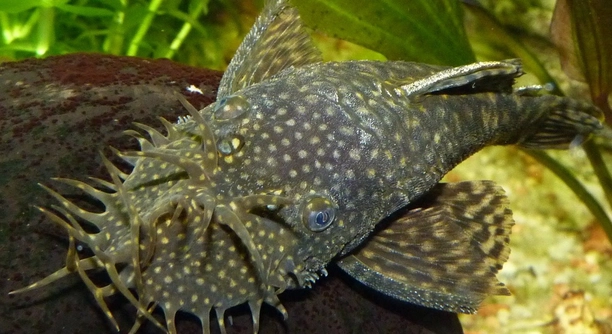
Do you ever notice your pleco’s bristles looking short or underdeveloped despite regular care? Maintaining the right environment and care routine can make a significant difference in their growth and overall health.
Pleco bristle growth is strongly influenced by seven key conditions, including water quality, diet, lighting, tank size, temperature, stress reduction, and age. Each factor contributes directly to bristle development by supporting optimal health and biological function.
Understanding these conditions can improve your pleco’s appearance and well-being. Paying attention to these factors ensures a healthier, more vibrant fish in your aquarium.
Water Quality
Maintaining excellent water quality is essential for pleco bristle growth. Clean water reduces stress and prevents infections that can stunt development. Regular water changes, around 25% weekly, help maintain optimal conditions. Using a reliable filter and monitoring parameters such as pH, ammonia, nitrite, and nitrate levels ensures the environment stays safe. Plecos are sensitive to sudden changes, so gradual adjustments are necessary. Keeping the tank free of excess waste and uneaten food prevents toxins from building up. Dechlorinating tap water before adding it to the tank protects the fish. Consistent temperature control also supports their metabolism, which affects bristle development. Over time, these small steps create a stable environment that allows bristles to grow thicker and healthier. Observing your pleco regularly helps catch early signs of stress or disease, making it easier to address issues before they impact bristle growth. Proper water care is the foundation of a thriving pleco.
Water quality directly affects pleco bristles. Stable, clean conditions promote healthy growth, while poor water can slow or damage development.
Regular monitoring, partial water changes, and filtration adjustments all contribute to consistent bristle improvement. Consistency matters more than perfection.
Diet and Nutrition
A balanced diet with sufficient protein and nutrients is vital for pleco bristle growth. Feeding a mix of high-quality algae wafers, fresh vegetables, and occasional protein sources ensures proper development. Plecos benefit from foods rich in vitamins A and C, which support tissue growth and immunity. Avoid overfeeding, as leftover food can degrade water quality and stress the fish. Rotating different foods prevents deficiencies and encourages natural foraging behavior, which is stimulating for the fish. Observing how your pleco responds to diet changes helps determine preferences and ensures all nutritional needs are met. Supplements, when needed, can enhance growth, but natural sources remain the best option. Gradually introducing new foods reduces stress and encourages acceptance. By focusing on diet quality and variety, you can see noticeable improvement in bristle density and health. A proper feeding routine is one of the most controllable factors affecting pleco bristles.
Nutrition is key for bristle growth. Providing varied, nutrient-rich foods supports stronger, healthier development while avoiding issues caused by poor feeding habits.
Consistently offering a balanced diet ensures your pleco receives the vitamins and minerals necessary for bristle growth. Fresh vegetables like zucchini, cucumber, and spinach provide fiber and essential nutrients. Algae wafers and occasional protein additions such as shrimp or bloodworms complement their natural diet, supporting overall health. Over time, proper feeding leads to fuller, longer bristles and more vibrant appearance. Avoid sudden dietary changes, which can cause stress or digestive issues. Tracking your pleco’s response to new foods helps maintain growth patterns and prevents stagnation. Nutrition, combined with other environmental factors, directly influences bristle quality and development, making careful meal planning an essential part of pleco care.
Lighting
Proper lighting supports pleco bristle growth by regulating their natural behavior and metabolism. Consistent light cycles help maintain hormonal balance, which can influence tissue development. Avoid overly bright lights, as plecos prefer dim or shaded areas, mimicking their natural habitat.
Using a timer to maintain 10–12 hours of light daily ensures consistency. Light encourages algae growth, providing a natural food source. Too much light can stress plecos and slow bristle development, while too little can reduce activity and appetite. Adjusting brightness and placement of lights creates shaded zones where plecos feel safe. Observing their response helps fine-tune lighting. Balanced light cycles, combined with proper feeding, significantly improve bristle growth and overall health.
Plecos often hide under decorations during bright periods. Creating shaded areas encourages activity and natural behavior. Over time, consistent lighting helps bristles become fuller, while also supporting immune function and reducing stress. Proper lighting is a small adjustment with a noticeable impact.
Tank Size
Adequate tank size directly affects pleco health and bristle development. Crowded conditions increase stress and limit movement, which can slow growth and cause dull bristles.
A tank of at least 30 gallons for small plecos provides enough space for swimming and hiding. Larger species require even more room to thrive. Open swimming areas combined with hiding spots allow natural behaviors that promote overall well-being. Overcrowding can lead to aggression, competition for food, and poor water quality, all of which negatively affect bristle growth. Maintaining proper stocking levels ensures plecos have the space to feed, explore, and rest comfortably.
Choosing the right tank size prevents stress-related issues and supports healthy bristle development. Adding plants, caves, and driftwood creates enrichment while allowing plecos to establish territory. A spacious tank also makes maintenance easier, reducing waste buildup. Proper space encourages natural activity levels, which stimulates metabolism and enhances growth. Regular observation helps adjust the environment if plecos appear cramped or stressed. Tank size is a key factor that directly influences both appearance and long-term health.
Temperature
Plecos thrive in stable water temperatures between 74–80°F. Sudden fluctuations stress them, slowing bristle growth and weakening their immune system. Using a reliable heater and thermometer helps maintain a consistent environment.
Stable temperature encourages healthy metabolism, which supports tissue development and bristle growth. Avoid placing the tank near drafts or direct sunlight, which can cause swings.
Stress Reduction
Reducing stress is essential for pleco bristle development. Excessive noise, frequent tank rearrangements, or aggressive tank mates can hinder growth. A calm environment encourages natural behavior and healthy bristle formation.
Age
Younger plecos generally grow bristles faster than older ones. Growth slows as they mature, but proper care can still maintain healthy development. Regular observation and consistent care are key to supporting bristle quality throughout their life.
Tank Decorations
Adding caves, driftwood, and plants helps plecos feel secure. Hiding spots reduce stress, encouraging natural activity and healthy bristle growth.
FAQ
How often should I change my pleco’s water?
Partial water changes of 20–30% weekly are ideal for plecos. Frequent changes prevent buildup of toxins like ammonia and nitrites, which can stress your fish and slow bristle growth. Monitoring water parameters helps determine if more frequent changes are needed, especially in smaller tanks or heavily stocked aquariums.
What foods help bristle growth the most?
A combination of algae wafers, fresh vegetables like zucchini and spinach, and occasional protein sources such as shrimp or bloodworms promotes healthy bristles. Supplements with vitamins A and C can support tissue development, but natural food should remain the main diet. Rotating foods prevents deficiencies and encourages foraging behavior.
Can lighting really affect bristle growth?
Yes, consistent lighting helps regulate your pleco’s natural behavior and metabolism. Around 10–12 hours of light daily encourages algae growth and supports activity. Bright or constant light can stress them, while dim areas give them comfort, allowing natural behaviors that support bristle development.
How do I know if my pleco is stressed?
Signs of stress include hiding excessively, refusing food, rapid gill movement, or rubbing against objects. Stress slows bristle growth and can lead to illness. Ensuring proper tank size, decorations for hiding, and compatible tank mates reduces stress and promotes overall health.
Does tank size matter for bristle growth?
Yes, a spacious tank allows plecos to swim freely and explore, supporting activity and metabolism. Crowded tanks increase stress and reduce natural behaviors, which negatively affect bristle development. Open areas combined with hiding spots create a comfortable environment for healthy growth.
Are older plecos able to grow bristles as well as younger ones?
Younger plecos generally show faster bristle growth, but older plecos can still maintain healthy bristles with proper care. Ensuring consistent diet, water quality, and stress-free environment helps older fish preserve bristle health and appearance.
Can poor water quality stunt bristle growth?
Absolutely. High ammonia, nitrite, or nitrate levels damage tissues and slow growth. Regular water monitoring, proper filtration, and routine partial water changes are essential. Keeping water stable and clean directly impacts bristle density and overall health.
Do tank decorations really make a difference?
Yes, caves, driftwood, and plants provide hiding spaces that reduce stress. When plecos feel secure, they engage in normal behaviors and maintain healthy bristle growth. Decorations also encourage exploration and natural foraging, which supports metabolism and overall well-being.
Is temperature critical for bristle development?
Stable temperatures between 74–80°F promote healthy metabolism and tissue growth. Sudden drops or spikes can stress plecos, slowing bristle development and weakening immunity. Using a reliable heater and thermometer ensures consistency.
How long does it take to see improvements in bristle growth?
With consistent care—proper water quality, nutrition, temperature, lighting, and reduced stress—noticeable bristle improvements can appear within a few weeks to months. Growth speed varies by age, species, and individual health, but steady routines yield the best results.
Can tank mates affect bristle growth?
Aggressive or overly active tank mates can stress plecos, leading to reduced activity and slower bristle development. Choosing peaceful companions and providing hiding areas ensures plecos can feed and rest comfortably, promoting natural growth.
Are supplements necessary for bristle growth?
Supplements can help if the diet lacks essential nutrients, but they aren’t always required. A varied diet with high-quality foods usually provides enough vitamins and minerals. Using supplements sparingly ensures balanced nutrition without overloading the fish.
How often should I observe my pleco?
Daily observation helps identify early signs of stress, disease, or changes in behavior that may affect bristle growth. Catching issues early allows adjustments to diet, water quality, or tank environment before growth is negatively impacted.
Can stress completely stop bristle growth?
Chronic stress can significantly slow or even halt bristle development. Reducing stress through proper tank setup, compatible tank mates, and environmental stability is crucial to maintaining healthy bristles.
Is bristle growth permanent?
Bristles can regrow if damaged or lost, provided the fish receives proper care. Maintaining ideal conditions ensures new growth remains healthy and dense, though growth rate may vary with age and overall health.
Do bristles indicate overall fish health?
Yes, thick and vibrant bristles often reflect good nutrition, water quality, and low stress. Thin, dull, or missing bristles can signal environmental or dietary issues that need addressing. Monitoring bristles is a simple way to track overall well-being.
How do I encourage natural bristle growth?
Provide a stable environment with clean water, balanced diet, proper lighting, and hiding spaces. Encourage natural foraging and activity by adding driftwood, plants, and algae sources. Avoid sudden changes that can cause stress, which directly impacts bristle development.
Are there differences in bristle growth between pleco species?
Yes, species vary in bristle size, density, and growth rate. Common plecos may develop prominent bristles sooner, while some exotic species grow them slower. Knowing your pleco’s species-specific traits helps set realistic expectations for growth.
Can overfeeding harm bristle growth?
Overfeeding can pollute water and stress plecos, which indirectly slows bristle development. Feeding appropriate portions and removing uneaten food helps maintain water quality and supports healthy tissue growth.
How do I maintain bristle health long-term?
Consistent care—proper water changes, nutrition, temperature, lighting, stress reduction, and adequate tank space—ensures bristles remain thick and healthy. Regular observation and adjustments help prevent decline and support vibrant appearance throughout the pleco’s life.
This FAQ covers the main concerns about pleco bristle growth, offering practical solutions to support strong, healthy bristles. Following these guidelines helps maintain a stress-free, nutrient-rich, and stable environment for long-term development.
Final Thoughts
Caring for plecos and supporting their bristle growth requires attention to a few key factors, but it doesn’t have to feel overwhelming. Focusing on clean water, proper diet, and stable environmental conditions lays the foundation for healthy development. Regular monitoring of water parameters, such as pH, ammonia, nitrite, and nitrate levels, prevents stress and disease, which can directly affect bristle growth. Consistency is more important than perfection. Small, steady efforts over time produce better results than sudden, drastic changes. Maintaining a calm and stable environment allows plecos to thrive, which naturally supports their bristle growth. Providing hiding spaces, gentle lighting, and suitable tank mates ensures that your pleco can express normal behaviors without unnecessary stress, helping them stay healthy and active. These small adjustments might seem simple, but together they make a noticeable difference in appearance and well-being.
Nutrition also plays a major role in supporting bristle development. Offering a variety of foods ensures plecos receive the essential vitamins and minerals they need. Algae wafers, fresh vegetables, and occasional protein sources provide balanced nutrition that promotes strong, healthy bristles. Overfeeding, however, can create water quality issues and stress, slowing growth. Rotating foods prevents deficiencies while keeping your pleco interested in eating. Some fish may benefit from supplements, especially vitamins A and C, but natural foods remain the most effective and safest choice. Observing how your pleco responds to diet changes helps you adjust portions and food types to match their needs. By combining proper feeding with a clean, stable environment, you can see gradual improvements in bristle thickness, length, and overall appearance. Paying attention to both diet and environmental conditions ensures long-term bristle health rather than short-term improvements.
Finally, it’s important to recognize that pleco bristle growth is influenced by multiple interconnected factors, including age, tank size, and natural behavior. Younger plecos may show faster growth, but older fish can still maintain healthy bristles with consistent care. Proper tank size allows movement, exploration, and feeding without stress, while decorations and hiding spaces provide comfort and security. Monitoring behavior and responding to signs of stress ensures plecos remain active and healthy. Even small changes in lighting, temperature, or tank mates can affect growth, so careful observation is key. Overall, supporting bristle growth is about creating a balanced and stable environment, providing proper nutrition, and reducing stress as much as possible. Following these practices consistently helps plecos maintain strong, vibrant bristles, while also promoting their overall health and well-being. With patience and careful care, you can enjoy seeing your pleco thrive in your aquarium for years to come.

Hello,
If you enjoy the content that we create, please consider saying a "Thank You!" by leaving a tip.
Every little bit helps us continue crafting quality advice that supports the health, happiness, and well-being of pets around the world, for pets of all shapes, sizes, and species.
We really appreciate the kindness and support that you show us!