
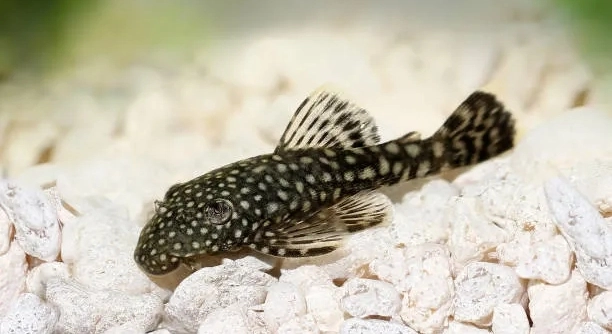
Bristlenose plecos are popular freshwater fish known for their algae-eating habits and unique appearance. Many aquarium owners enjoy observing their behaviors and daily routines. These fish often become an engaging part of a home aquarium environment.
Research indicates that bristlenose plecos can learn feeding times through consistent scheduling and environmental cues. They respond to predictable patterns, associating light changes, human presence, or specific signals with food availability, demonstrating a basic form of learned behavior in captive settings.
Understanding how these fish adapt to feeding routines can improve care and ensure they receive proper nutrition consistently. Observing their responses can make daily aquarium management more effective and rewarding.
How Bristlenose Plecos Recognize Feeding Times
Bristlenose plecos often use visual and environmental cues to anticipate feeding. Over time, they can notice changes in light or movement near the tank that signal food is coming. Many owners observe their plecos becoming more active as feeding time approaches, sometimes even swimming to the surface or the area where food is usually offered. Consistency in feeding schedules helps reinforce this behavior, making it easier for the fish to learn patterns. Plecos are sensitive to daily rhythms, so keeping a regular routine can reduce stress and improve their overall health. The association between specific cues and food gradually strengthens, allowing the fish to recognize feeding times without direct prompts. This behavior shows that even simple species can adapt to predictable routines when provided with consistent environmental signals. Monitoring their activity over several days can confirm if they have learned the pattern.
Consistent cues are key for helping plecos anticipate feeding efficiently.
By observing plecos closely, owners can see how reliably they respond to scheduled feeding times. Some may even appear to “wait” for food near familiar spots in the tank. This recognition improves feeding efficiency, reduces wasted food, and supports healthier fish. Maintaining a predictable schedule encourages natural behaviors, keeping plecos active and engaged.
Training Tips for Feeding Routine
Start by feeding at the same time every day.
Using a set schedule, plecos gradually learn to associate certain actions or signals with food. You can gently tap the tank or enter the room at feeding time so they notice your presence. Over a few weeks, most plecos respond consistently, showing increased activity near feeding areas. It is important to avoid sudden changes, as inconsistency can confuse the fish and reduce the effectiveness of training. Observing which cues the fish respond to best allows for small adjustments to improve their anticipation. Additionally, providing a balanced diet at these set times ensures proper nutrition while reinforcing the routine. With patience and attention, bristlenose plecos can reliably adapt to feeding schedules, demonstrating a clear ability to learn patterns and recognize environmental signals. This process highlights the value of consistency and gentle repetition in shaping behavior.
Feeding Environment and Cues
A calm, consistent feeding environment helps plecos learn feeding times faster. Bright lights, sudden noises, or moving objects can distract them, making it harder for them to associate cues with food. A steady routine encourages focus.
Plecos respond well to consistent environmental signals. Placing food in the same area each day creates a predictable pattern they can recognize. Light changes, subtle tank movements, or the sound of approaching hands can all become associated with feeding. Over time, the fish begin to anticipate meals, moving toward feeding areas before food appears. Minimizing disruptions during these moments strengthens their learning and helps them feel more comfortable. A predictable environment supports both behavioral learning and overall wellbeing.
Monitoring their responses allows small adjustments. If plecos seem confused, simplifying cues or reducing distractions improves their ability to learn. Tracking activity patterns can confirm if the fish recognize feeding times reliably. Gradual reinforcement is more effective than sudden changes. Consistency in placement, timing, and signals ensures they associate specific moments with feeding. Recognizing subtle signs of anticipation, like movement toward food areas, helps maintain the routine. Over several weeks, most plecos adapt to the schedule, demonstrating clear learning and improved feeding behavior.
Signs Plecos Have Learned Feeding Times
Activity increases near feeding areas before meals.
Once plecos learn feeding times, their behavior becomes predictable. They often move toward the surface or specific spots in the tank where food appears. Increased activity or alertness signals anticipation. This response can be consistent, showing that the fish have associated environmental cues with scheduled meals.
Behavioral changes are noticeable over days or weeks. Plecos that have learned feeding times may swim more actively, extend fins, or hover near feeding spots before food is offered. They may follow owners’ movements or approach areas where food is regularly placed. Even subtle signals, like changes in posture or fin movements, indicate anticipation. These behaviors show that plecos can retain information about routine patterns. Recognizing these signs allows owners to maintain consistent schedules and reinforce learned behavior. Consistent observation ensures feeding cues remain effective and predictable.
Adjusting Feeding Times
Shifting feeding schedules should be gradual. Sudden changes can confuse plecos and reduce their anticipation. Adjusting by 10–15 minutes each day helps them adapt smoothly without stress.
Consistency during the adjustment period is key. Repeating environmental cues at the new time reinforces learning. Over several days, plecos begin responding reliably to the updated schedule.
Feeding Frequency Recommendations
Feeding once or twice daily is ideal for adult plecos. Overfeeding can lead to water quality issues and health problems, while underfeeding may affect growth and energy levels. Maintaining moderate, consistent portions ensures proper nutrition and supports their natural behavior.
Observing Behavior During Feeding
Tracking movement patterns shows whether plecos anticipate meals. Increased activity, swimming near food areas, or alert posture indicates recognition of feeding times.
FAQ
Can bristlenose plecos recognize different people in the room?
Bristlenose plecos are more likely to recognize patterns than specific individuals. They respond to consistent movements, sounds, or actions rather than distinguishing between different people. For example, if someone always feeds them at the same time or taps the tank, the fish may respond to that signal regardless of who performs it. Recognition is based on routine and association, not personal identity.
How long does it take for plecos to learn feeding times?
Most plecos begin showing recognition of feeding cues within one to two weeks of consistent schedules. Activity may increase gradually, starting with subtle signs like fin movements or swimming toward feeding areas. By the third week, many plecos reliably anticipate food at the same times each day. Patience and consistent cues are essential for this learning process.
Does the type of food affect their learning?
Yes, food that is highly favored by the fish can strengthen learning. Plecos may become more attentive to cues if they anticipate a preferred treat. However, even standard algae wafers or vegetables are effective as long as feeding is consistent. Variety is important for nutrition, but predictability in timing reinforces the association between cues and meals.
Can plecos learn multiple feeding times per day?
Bristlenose plecos can adapt to two scheduled feedings per day, provided they are consistent. Too many variations can confuse them and reduce their ability to anticipate food. Gradual introduction of an additional feeding slot helps them adjust, and observation ensures they respond appropriately without stress.
Do environmental changes affect their learning?
Significant changes in lighting, tank layout, or water flow can interfere with recognition of feeding times. Plecos rely on cues like light cycles, subtle movements, and location of food. Minimizing sudden changes ensures that they maintain learned behaviors and continue to associate cues with scheduled meals.
Is it normal for plecos to become more active around feeding times?
Yes, increased activity is a natural sign that plecos have learned feeding times. Swimming toward food areas, exploring the tank more actively, or staying near the surface are common behaviors that indicate anticipation. Observing these signs can help owners gauge how well the fish have adapted.
Can stress prevent plecos from learning feeding schedules?
Stress can reduce their responsiveness to cues. Factors such as aggressive tank mates, poor water quality, or sudden disturbances may interfere with learning. Maintaining stable water parameters and a calm environment allows plecos to focus on recognizing feeding patterns.
Should feeding times be the same on weekends or holidays?
Consistency is important. Feeding at the same times every day reinforces learned behavior. Minor deviations may be tolerated, but sticking to a regular schedule helps plecos maintain predictable patterns, reducing confusion and supporting overall health.
What if plecos don’t show anticipation after weeks of routine?
If plecos do not respond after consistent schedules, it may indicate environmental stress, illness, or individual variation. Check water quality, tank conditions, and overall health. Adjusting cues or providing additional visual or auditory signals may help them recognize feeding times more clearly.
Can young plecos learn feeding times as easily as adults?
Juvenile plecos are capable of learning feeding routines, sometimes even faster than adults. They respond well to consistent cues and are adaptable. Early introduction to a regular schedule helps establish lifelong predictable feeding patterns and encourages healthier growth and activity.
Do bristlenose plecos need variety in feeding cues?
A single, consistent cue is usually sufficient. Repeating the same visual or environmental signal daily is more effective than changing cues. Once they associate a cue with food, the fish will reliably respond, making feeding routines easier to maintain.
How can I tell if my pleco is stressed during feeding?
Signs of stress include hiding, rapid swimming, or lack of interest in food. If these behaviors occur consistently, evaluate tank conditions, water parameters, and the feeding environment. Addressing stressors improves their ability to learn and recognize feeding times effectively.
Is it possible to retrain plecos if schedules change?
Yes, plecos can adapt to new feeding times with patience. Gradual adjustments, consistent cues, and careful observation help them learn the updated schedule without confusion. Sudden changes are less effective and may temporarily reduce their anticipation.
Do plecos respond to human presence alone?
They may respond if human activity is consistently associated with feeding. Entering the room, moving hands near the tank, or tapping gently at the usual feeding spot can signal food. Over time, plecos may swim toward the surface or feeding area even before food appears.
Can multiple plecos in the same tank learn feeding times together?
Yes, they often respond simultaneously once the routine is established. Dominant individuals may reach the food first, but the group typically recognizes the feeding cues, demonstrating social reinforcement of learned behavior. Consistent scheduling benefits all fish in the tank.
Final Thoughts
Bristlenose plecos are remarkable for their ability to adapt to consistent routines in a home aquarium. Observing them gradually respond to scheduled feeding times shows how even simple fish can learn patterns through repetition and environmental cues. Their behavior may start subtly, with slight movements or changes in posture, but over time, these signs become more noticeable. The consistency of the feeding schedule, the location of the food, and gentle cues like light changes or movement near the tank all contribute to their ability to recognize meal times. Maintaining a calm and stable environment helps reinforce this learning and reduces stress, making the aquarium a healthier space for the fish.
Learning to anticipate feeding times is not just a matter of convenience for the owner. It also benefits the plecos themselves by creating predictability in their daily routine. When they know when and where to expect food, it can reduce anxiety and encourage natural behaviors such as swimming patterns, exploration, and activity around feeding areas. Consistent routines also help owners monitor the health and appetite of their fish. Sudden changes in behavior, lack of response to feeding cues, or decreased activity can indicate stress or health issues, allowing timely intervention. Additionally, properly managed feeding schedules prevent overfeeding and maintain water quality, which is critical for the long-term wellbeing of plecos and other aquarium inhabitants.
It is important to remember that every pleco is slightly different, and learning rates can vary. Some may pick up on feeding cues quickly, while others take longer to respond reliably. Patience and observation are key components of this process. By paying attention to subtle behavioral signals and maintaining consistency in timing, cues, and environmental conditions, owners can foster a positive routine that plecos recognize and respond to. Over weeks of careful practice, plecos can become quite predictable in their reactions to feeding cues, which strengthens the bond between owner and fish through routine and interaction. Establishing a clear and steady feeding schedule benefits both the fish and the overall management of the aquarium, creating a balanced and healthy aquatic environment for bristlenose plecos to thrive.

Hello,
If you enjoy the content that we create, please consider saying a "Thank You!" by leaving a tip.
Every little bit helps us continue crafting quality advice that supports the health, happiness, and well-being of pets around the world, for pets of all shapes, sizes, and species.
We really appreciate the kindness and support that you show us!