7 Things to Know About Black Molly Behavior
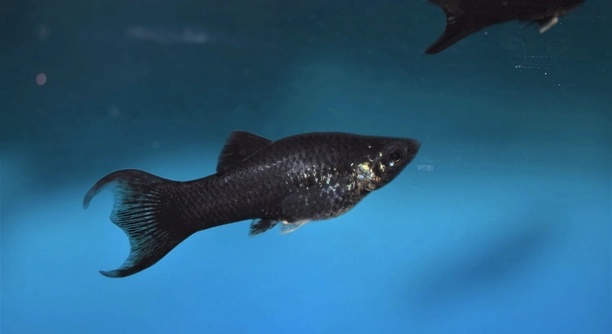
Black mollies are a popular choice for home aquariums due to their sleek black color and peaceful nature. Many new fish owners notice their unique movements and interactions in the tank. Understanding their behavior helps create a healthy environment. Black mollies are social and active fish that thrive in groups. They display schooling behavior, gentle … Read more
7 Ways to Stop Black Molly from Fighting

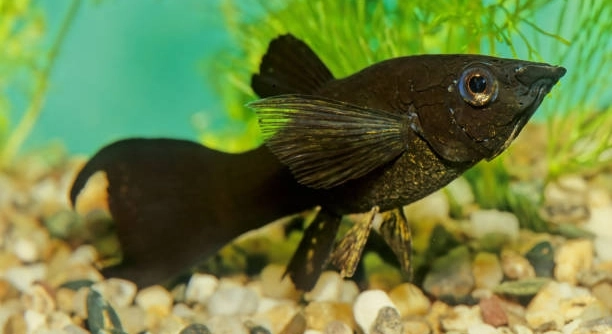
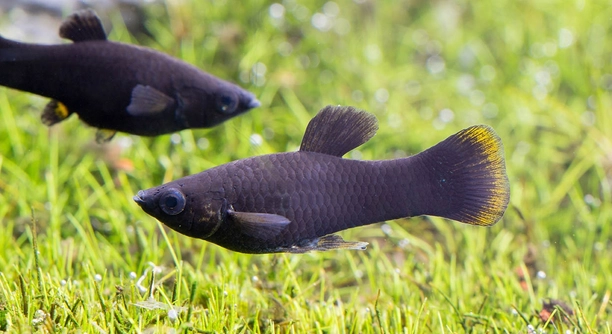
Black Mollies are popular aquarium fish known for their striking appearance and active nature. However, many owners face challenges when these fish start showing aggression, which can disrupt tank harmony and affect their overall wellbeing. Aggression in Black Mollies often stems from overcrowding, lack of hiding spaces, and unbalanced diet. Addressing these factors by providing … Read more

7 Unexpected Items That Distract Black Molly

Do you ever notice your black molly swimming away from things in its tank without any clear reason? Sometimes these small fish react to objects that might seem completely ordinary to us. Observing them carefully can reveal surprising behaviors. Black mollies are often distracted by reflective surfaces, bright colors, unusual shapes, floating debris, strong scents, … Read more

Can Black Molly Live Without Tank Mates?

Do you ever find yourself thinking about the needs of your Black Molly fish and whether it can thrive in a tank alone? Many fishkeepers consider the balance between companionship and solitary care. Understanding its behavior is essential. Black Molly fish can survive without tank mates, but they generally thrive better in a community. Solitary … Read more

Can Black Molly Eat Snail Eggs?

Have you ever noticed tiny snail eggs floating in your aquarium and wondered how your Black Molly would react to them? Black Mollies are curious fish that often explore their surroundings, sometimes nibbling on unusual items. Black Mollies can eat snail eggs, though they do not rely on them as a primary food source. Their … Read more

Why Are My Black Molly Ignoring Newcomers?

Are your black mollies showing little interest in newcomers, leaving you wondering about their sudden cold behavior? It can be surprising to see established fish ignore new additions, especially when you expect a harmonious community in your aquarium. Black mollies may ignore newcomers due to territorial behavior, stress, or environmental changes. Established fish often require … Read more

How to Tell if Black Molly Feel Threatened

Do you ever find yourself watching your Black Molly swim but notice sudden changes in behavior that make you wonder if it feels uneasy or stressed in its tank environment? Observing subtle shifts can reveal much about their comfort. Black Mollies display signs of feeling threatened through rapid darting, hiding frequently, flared fins, and color … Read more

7 Causes of Algae in Black Molly Tanks

Algae growth in Black Molly tanks is a common challenge for many aquarists. Even with regular maintenance, these green or brown patches can appear quickly, affecting the tank’s overall appearance and sometimes the fish’s health. Algae in Black Molly tanks usually results from a combination of excess nutrients, inadequate lighting management, and inconsistent water care. … Read more

7 Common Mistakes New Black Molly Owners Make

Do you ever feel excited to welcome a new black molly into your home but wonder if you’re fully prepared for the responsibilities it brings? Many first-time owners face small challenges they don’t anticipate. The most common mistakes new black molly owners make include overfeeding, neglecting water quality, ignoring tank size requirements, and misunderstanding their … Read more

7 Mistakes That Cause Black Molly to Stress

Are your black mollies showing signs of stress that leave you feeling unsure about what is going on in their tank and routine as you try to keep their environment stable and comfortable for them. Black mollies often become stressed due to poor water quality, abrupt environmental changes, overcrowding, improper diet, insufficient hiding spaces, aggressive … Read more